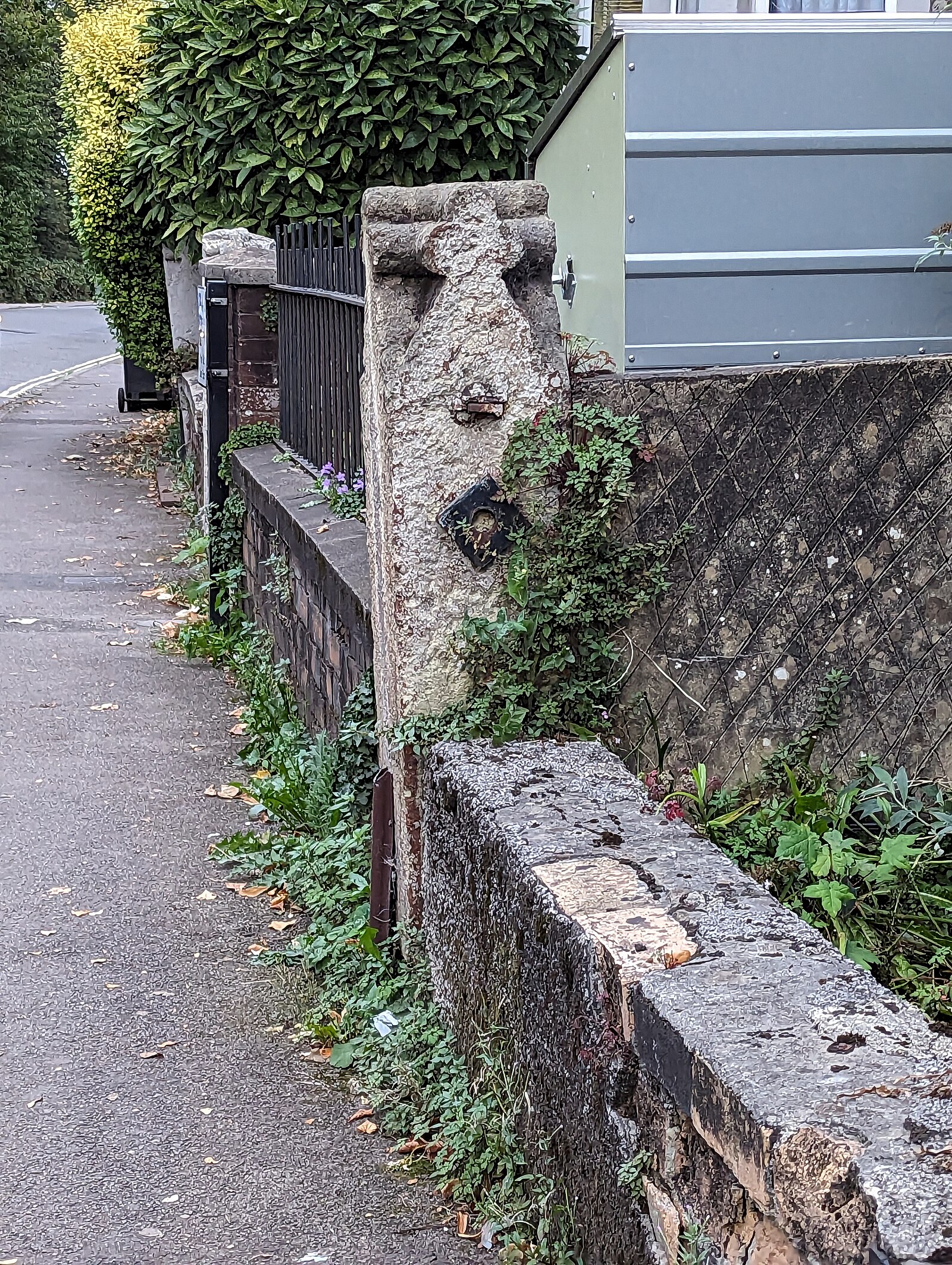

Photo by Jemimah 15 from Wikimedia.com
Pareidolia—the way our brains trick us into seeing familiar shapes, like faces in clouds or figures in shadows—isn’t just a psychological oddity; it’s a phenomenon deeply tied to horror. The fear of the unknown, of something lurking just outside our perception, is a staple of the genre. Horror thrives on ambiguity, making us question whether the eerie shape in the dark is real or just a trick of the light. Interestingly, artificial intelligence (AI) experiences its own form of pareidolia, sometimes detecting patterns that don’t exist. This eerie overlap between human perception and machine learning creates unsettling possibilities in horror, from AI-generated images that accidentally produce ghostly figures to paranormal investigations where AI amplifies the illusion of supernatural activity. By examining how AI experiences pareidolia, we can better understand the mechanics of fear itself—and why horror exploits our tendency to see things that aren’t really there.
Pareidolia in Horror: Seeing Faces in the Dark
Horror films and literature often use pareidolia to unsettle audiences, making them question whether they’re truly seeing something sinister or if their mind is playing tricks on them. The most effective scares aren’t always the jump scares but the moments where the audience isn’t sure if there’s a face lurking in the background or just an oddly shaped shadow. Films like Hereditary (2018) use this technique masterfully, hiding disturbing figures in dimly lit rooms that only become clear upon a second glance. The uncertainty fuels dread—the longer you stare, the more convinced you become that something is watching you.
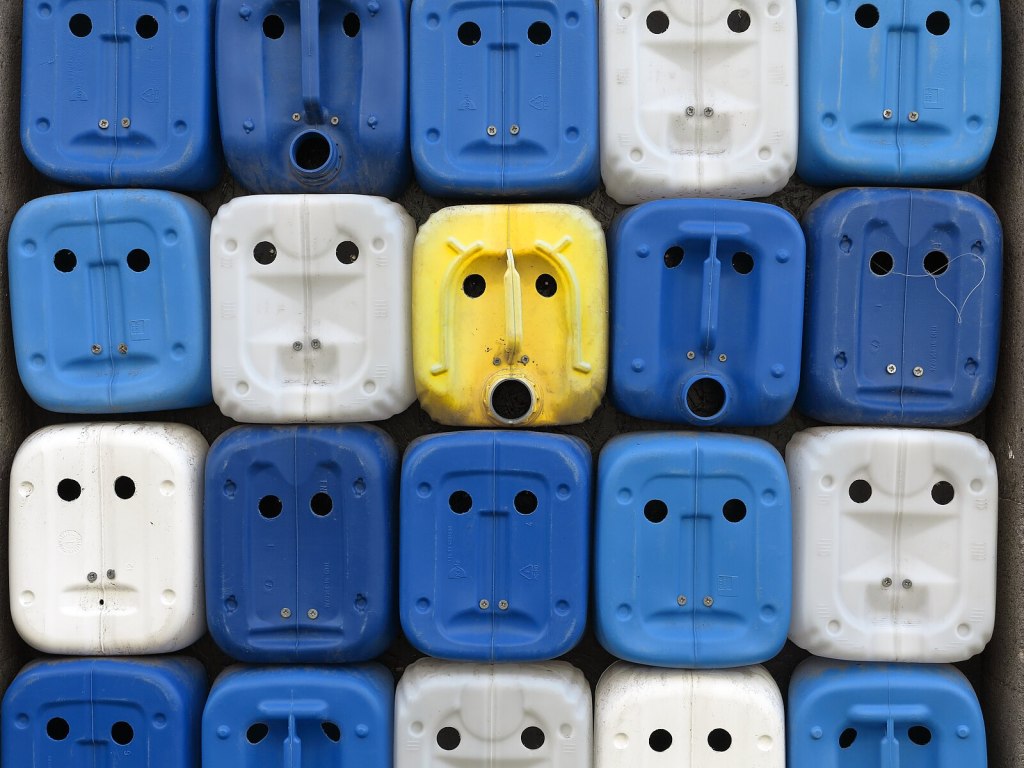
Photo by TeWeBs from Wikimedia.com
AI-generated horror imagery accidentally mirrors this phenomenon. Generative AI models, like early versions of DALL·E and MidJourney, have produced images with distorted, unintended faces peering from the backgrounds—almost like ghosts embedded in the data itself. These eerie accidents happen because AI doesn’t truly “understand” what it’s creating; it simply follows patterns based on its training data. If an AI has processed thousands of images featuring human faces, it may start inserting them in places where they don’t belong, leading to unintentional horror. These strange, otherworldly results mirror the very essence of horror—the fear that something is there, even when logic tells us otherwise.
AI Pareidolia and the Fear of Mistaken Identity
One of horror’s most unsettling tropes is the idea of mistaken identity—when something looks human but isn’t. From doppelgängers to The Thing (1982), horror exploits the fear that what we see isn’t real. AI facial recognition, which suffers from its own version of pareidolia, plays into this fear. AI security systems have been known to misidentify objects as human faces, much like how people sometimes see figures in the dark that aren’t really there. Google’s DeepDream project from 2015 demonstrated this phenomenon in an almost psychedelic way, transforming normal images into surreal, nightmarish visions filled with extra eyes and faces. This exaggerated form of AI pareidolia is a reminder that our own minds—and now, our technology—aren’t always trustworthy.
In a horror setting, the idea of AI misidentifying people could have terrifying implications. Imagine a smart home security system that keeps detecting a face in the hallway when no one is there. Or an AI-powered baby monitor that insists there’s a person standing in the nursery, even though the room is empty. These concepts tap into deep-rooted fears of both surveillance and the supernatural, blending technological paranoia with classic ghost story tropes.
Audio Pareidolia: The Ghosts in the Static
One of the eeriest forms of pareidolia is auditory—hearing voices where there are none. This is a common trope in horror, where static, wind, or mechanical noises seem to whisper eerie messages. AI voice recognition software experiences a similar issue, often misinterpreting background noise as speech. Voice assistants like Siri or Alexa have been known to activate randomly, responding to sounds that weren’t actually words. This phenomenon mirrors real-world horror stories of people hearing voices in radio static or interpreting random sounds as ghostly whispers.
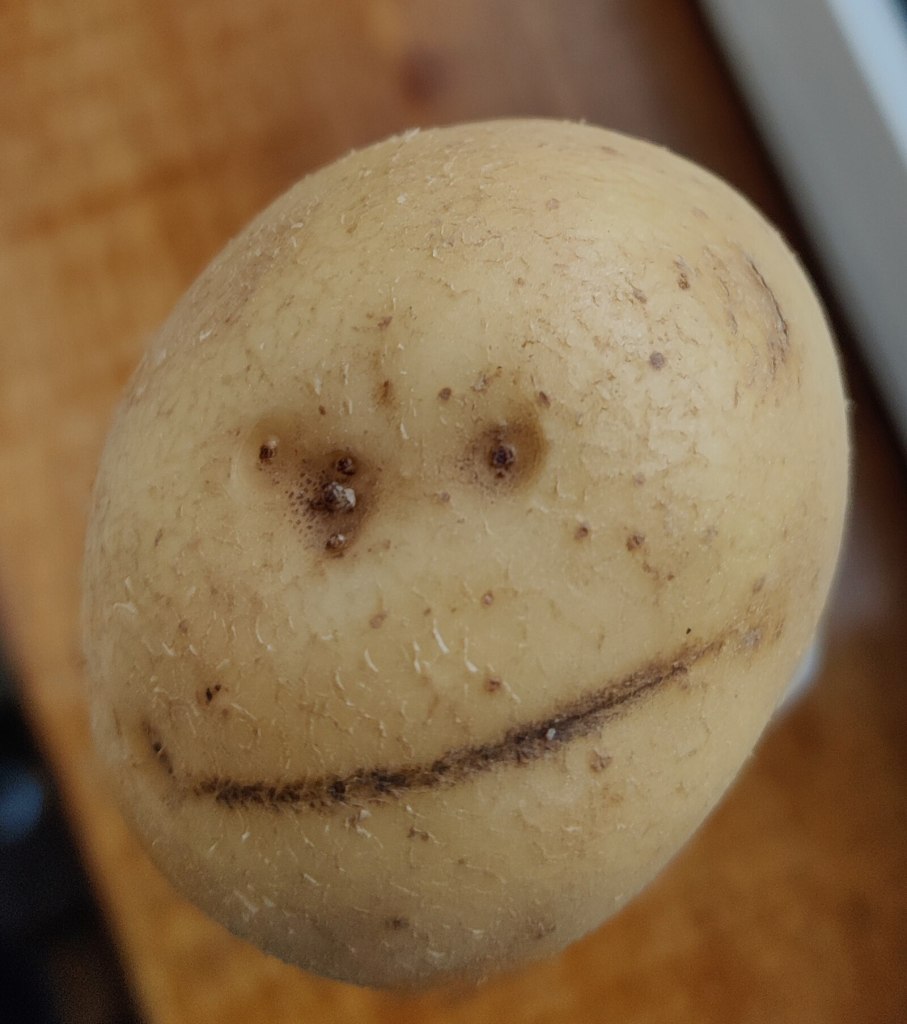
Photo by Andy Mabbett from Wikimedia.com
Electronic Voice Phenomena (EVP), a popular tool in paranormal research, relies entirely on audio pareidolia. Paranormal investigators record ambient noise, then analyze it for hidden voices, often enhancing static until it seems to form words. AI’s role in this process has become increasingly prevalent, with ghost-hunting apps using machine learning to “detect” voices in recordings. But is the AI actually uncovering something paranormal, or is it just amplifying the brain’s natural tendency to find patterns? The fact that we can’t be sure makes it all the more terrifying.
AI and the Creation of New Horror Tropes
As AI continues to evolve, its pareidolia-driven mistakes are giving birth to entirely new horror concepts. AI-generated horror stories, videos, and imagery often contain bizarre, unsettling elements that no human would intentionally create. The infamous “Loab,” a disturbing face that kept appearing in AI-generated images, became a viral example of AI unintentionally creating a recurring horror character. Because AI works by recognizing and reproducing patterns, it can sometimes “hallucinate” strange figures that persist across multiple generations of images. This accidental creation of new horror icons blurs the line between technological glitches and supernatural manifestations.

Photo by Merlingenial from Wikimedia.com
Imagine a horror film where an AI art generator keeps producing the same eerie face, no matter what prompt is given. Or a haunted house story where a voice assistant insists on responding to an unseen presence in the room. These ideas tap into the fear that technology is revealing something we can’t explain—something lurking just beyond our perception.
Pareidolia, AI, and the Future of Horror
Horror has always thrived on uncertainty, and AI’s pareidolia-driven mistakes are a perfect fit for the genre’s evolution. As technology becomes more integrated into our lives, our fears shift from ghosts in the attic to glitches in the machine. Whether it’s AI security systems detecting nonexistent intruders, generative art tools producing accidental nightmares, or voice assistants picking up whispers from the void, AI is inadvertently becoming a new source of horror.
The study of AI pareidolia isn’t just about improving technology—it’s about understanding why we fear what we do. Horror works best when it taps into something real, something we can’t quite explain. AI’s tendency to misinterpret data in ways that eerily mimic human fears suggests that, at its core, technology might not be so different from us. And maybe, just maybe, when AI keeps finding faces where there shouldn’t be any, it’s not just making a mistake. Maybe it’s seeing something we can’t.
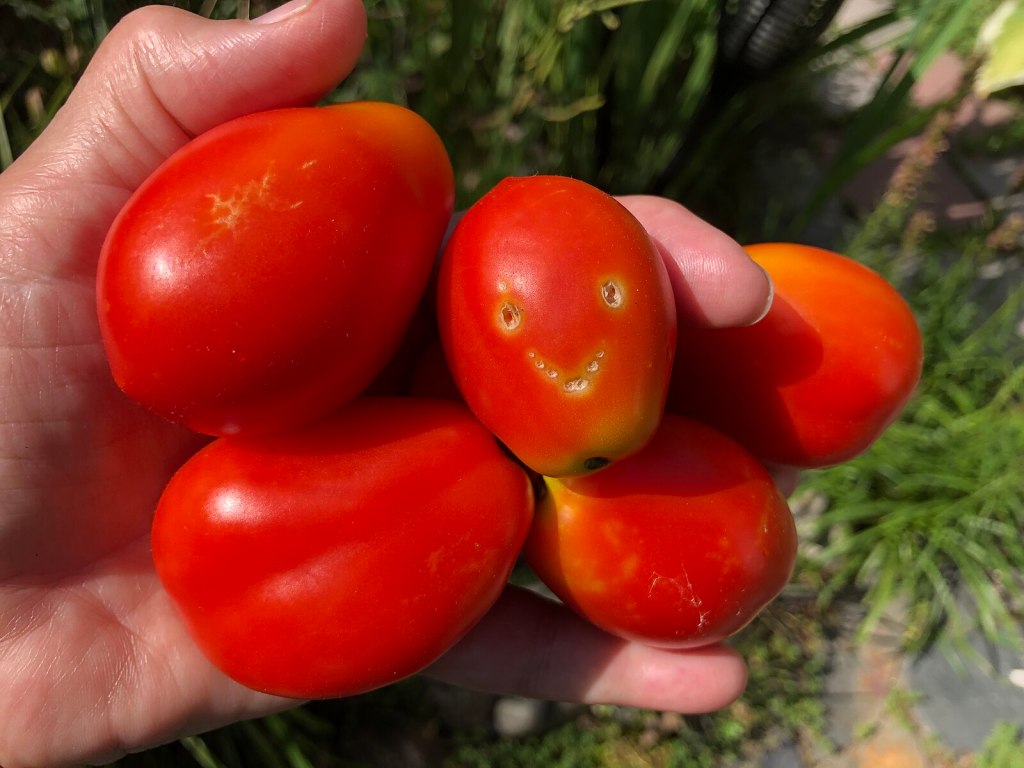
Photo by Netherzone
Pareidolia has always been a powerful force in horror, making us question what we see and hear in the darkness. Now, as artificial intelligence begins to experience its own version of this phenomenon, the lines between technology and terror are blurring in fascinating ways. AI’s tendency to misinterpret patterns—whether through eerie face-like images, ghostly voices in static, or false detections of movement—taps into the same primal fears that horror has explored for centuries. As horror continues to evolve alongside technology, AI-generated anomalies could become the new ghosts, glitches the new hauntings, and algorithmic errors the new unexplained phenomena. Whether it’s through accidental horror imagery, unsettling voice recognition mistakes, or the emergence of strange recurring figures in AI-generated content, artificial intelligence is not just changing horror—it’s becoming a part of it. Perhaps the scariest thought of all is that as AI continues to refine its pattern recognition, it may someday see something truly unexplainable—something lurking just beyond human perception. And when that happens, will we be ready to face it?
 Scare Me Please