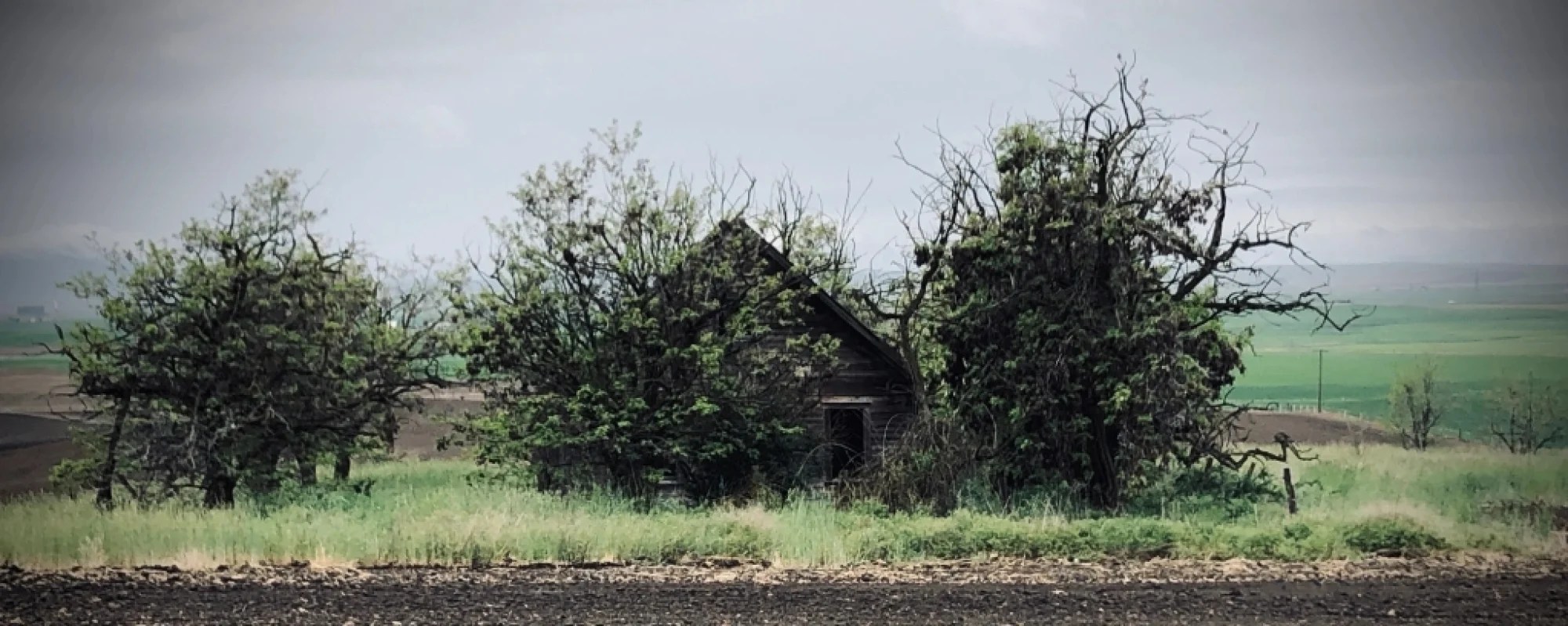
Supernatural Horror
This subgenre explores supernatural phenomena such as ghosts, demons, vampires, werewolves, and other paranormal entities. These entities may haunt haunted houses, possess individuals, or terrorize entire communities, serving as the source of fear and suspense in the narrative. Stories in this subgenre often focus on the intersection of the supernatural with the mundane world, exploring themes of fear, belief, and the unknown. Supernatural horror exploits the fear of the unknown, as characters grapple with forces beyond their understanding or control. The mysterious nature of supernatural entities adds an element of unpredictability and dread to the story, keeping readers on edge as they uncover the truth behind the paranormal occurrences. Supernatural horror often explores themes of morality and the struggle between good and evil. Characters may be forced to confront their own inner demons or face off against malevolent supernatural entities, testing their faith, courage, and resilience in the face of darkness. Many supernatural horror stories incorporate occult themes and rituals, drawing on folklore, mythology, and religious beliefs to add depth and authenticity to the narrative. Occult knowledge may be used to summon or banish supernatural entities, uncover hidden truths, or protect against dark forces. Supernatural horror blends elements of wonder and terror, as characters are drawn into a world of magic, mystery, and danger. The awe-inspiring power of the supernatural is juxtaposed with the terror of facing unimaginable horrors, creating a thrilling and immersive reading experience.
Psychological Horror
Psychological horror delves into the inner workings of the human mind, often exploring themes of madness, obsession, and psychological trauma. These stories may feature unreliable narrators, distorted perceptions, and characters grappling with their own sanity. Within this subgenre thrives on uncertainty and instability, blurring the line between reality and illusion. Characters may grapple with hallucinations, delusions, and paranoia as they confront the dark recesses of their own minds, leading to a sense of disorientation and unease for both the characters and the readers. Psychological horror evokes strong emotions such as fear, anxiety, and despair, as characters confront their deepest fears and insecurities. Themes of guilt, trauma, and existential dread add depth and complexity to the narrative, resonating with readers on a deep emotional level. This type of horror relies on slow-building tension and suspense to create an atmosphere of dread and anticipation. Rather than relying on jump scares or graphic violence, psychological horror gradually ramps up the tension through subtle cues, ominous foreshadowing, and psychological manipulation. Psychological horror literature often explores taboo subjects such as mental illness, addiction, and dysfunctional relationships. These themes add depth and complexity to the narrative, challenging readers to confront uncomfortable truths about the human condition. Psychological horror is often referred to as cerebral horror due to its emphasis on intellectual and emotional engagement. Rather than relying solely on visceral scares, psychological horror engages readers’ minds and emotions, leaving a lasting impact long after the story has ended.
Gothic Horror
Originating in the 18th and 19th centuries, gothic horror emphasizes atmosphere, mood, and melodrama. Gothic horror stories are often set in dark, foreboding locations such as ancient castles, decaying mansions, and isolated estates. These settings are filled with intricate architecture, hidden passageways, and secret chambers, creating an atmosphere of mystery and intrigue. The atmosphere in gothic horror literature is crucial, featuring fog-shrouded landscapes, moonlit nights, and stormy weather. These atmospheric elements contribute to the sense of foreboding and unease, setting the stage for supernatural encounters and terrifying revelations. Gothic horror stories often feature melodramatic plotlines filled with romance, betrayal, and tragedy. Characters may be torn between love and duty, haunted by past sins, or driven to madness by unrequited desires, adding depth and complexity to the narrative. Gothic horror is often associated with the romantic movement and the concept of the sublime, which emphasizes the awe-inspiring power of nature and the supernatural. This type of literature is rich in symbolism and imagery, with motifs such as decay, ruins, and the uncanny recurring throughout the narrative. These symbols add layers of meaning to the story, enriching the reading experience and inviting readers to interpret the text on multiple levels.
Body Horror
Body horror stories often feature characters undergoing horrifying physical transformations, such as mutations, deformities, or parasitic infestations. These transformations may be triggered by scientific experiments gone awry, supernatural forces, or unknown biological agents. This type of literature is known for its graphic and explicit descriptions of bodily mutilation, decay, and disfigurement. Authors use vivid language to evoke visceral reactions from readers, immersing them in the grotesque and terrifying world of the narrative. Body horror delves into the dark and primal aspects of human physiology, exploring themes of flesh, blood, and mortality. Characters may be consumed by their own bodies, haunted by the fragility of their existence, or driven to madness by the horrors they witness. Narratives within this genre often explore themes of control and loss of control over one’s own body. Characters may feel powerless as they undergo horrific transformations, their bodies betraying them in terrifying and unpredictable ways. Body horror literature often serves as a metaphor for social and cultural anxieties surrounding topics such as disease, aging, and genetic manipulation. By exaggerating these fears to grotesque extremes, body horror literature forces readers to confront uncomfortable truths about the human condition.
Lovecraftian Horror
Inspired by the works of H.P. Lovecraft, this subgenre emphasizes cosmic dread, existential horror, and the insignificance of humanity in the face of incomprehensible cosmic forces. Lovecraftian horror often features ancient, god-like entities known as the Great Old Ones or Outer Gods. These entities exist beyond the comprehension of humanity and are often depicted as vast, otherworldly beings with unimaginable powers. This subgenre explores themes of existential dread and cosmic insignificance, as characters grapple with the realization of their own insignificance in the face of the vast and uncaring cosmos. The universe is portrayed as indifferent to human suffering, with humanity’s existence ultimately meaningless in the grand scheme of things. This type of horror often revolves around the pursuit of forbidden knowledge, with characters delving into ancient texts, occult rituals, and hidden truths that reveal the terrifying secrets of the universe. This pursuit of knowledge often leads to madness, as characters confront truths that shatter their understanding of reality. Lovecraftian horror is known for its depiction of eldritch horrors—bizarre and incomprehensible beings that defy conventional description. These entities often inhabit other dimensions or realms beyond human understanding, and their mere presence can drive mortals to madness. These types of stories frequently features cults and secret societies dedicated to worshiping the Great Old Ones or summoning ancient cosmic entities. These cults often operate in secret, working to bring about the return of their eldritch masters and usher in an age of chaos and destruction.
Survival Horror
Popularized in video games, survival horror focuses on characters struggling to survive in hostile environments filled with monsters, zombies, or other threats. Survival horror often thrusts characters into isolated and dangerous settings, where they must fend for themselves against overwhelming threats. Whether trapped in haunted houses, abandoned facilities, or post-apocalyptic landscapes, protagonists face extreme isolation and vulnerability, heightening the sense of fear and tension. A hallmark of survival horror is the scarcity of resources such as ammunition, health supplies, and weaponry. Characters in survival horror literature face perilous encounters with a variety of threats, including monsters, zombies, supernatural entities, and deranged individuals. Combat is often perilous and resource-intensive, forcing characters to rely on their wits and ingenuity to survive. As characters struggle to survive in harrowing circumstances, they undergo significant growth and development. Survival horror literature often explores themes of resilience, determination, and the human spirit, as characters confront their fears and discover their inner strength in the face of adversity. This subgenre of literature often features permanent consequences for characters’ actions, including death or irreversible outcomes. Characters must weigh the risks of their decisions carefully, knowing that a wrong move could result in dire consequences for their survival.
Slasher Horror
Slasher horror revolves around a masked or supernatural killer stalking and killing a group of victims, often in a gruesome and violent manner. It is particularly characterized by its iconic villains, often masked or disfigured individuals who carry out gruesome acts of violence against their victims. These villains become cultural icons known for their relentless pursuit of bloodshed. Central to slasher horror are the graphic and violent murders committed by the killer. These murders are often depicted in gruesome detail, with creative and elaborate methods of death designed to shock and terrify readers. A common trope in slasher horror literature is the “final girl,” a resourceful and courageous female protagonist who survives the killer’s rampage and ultimately defeats them. The final girl is often depicted as virtuous and resourceful, embodying the audience’s hope for survival against all odds. Slasher horror frequently explores themes of morality and punishment, with the killer targeting victims who engage in morally questionable behavior. Characters in slasher horror literature often employ various survival strategies, such as barricading themselves in a safe room, setting traps for the killer, or fighting back against their assailant. These strategies add depth and complexity to the narrative, as characters must use their wits and ingenuity to outsmart the killer and survive.
 Scare Me Please