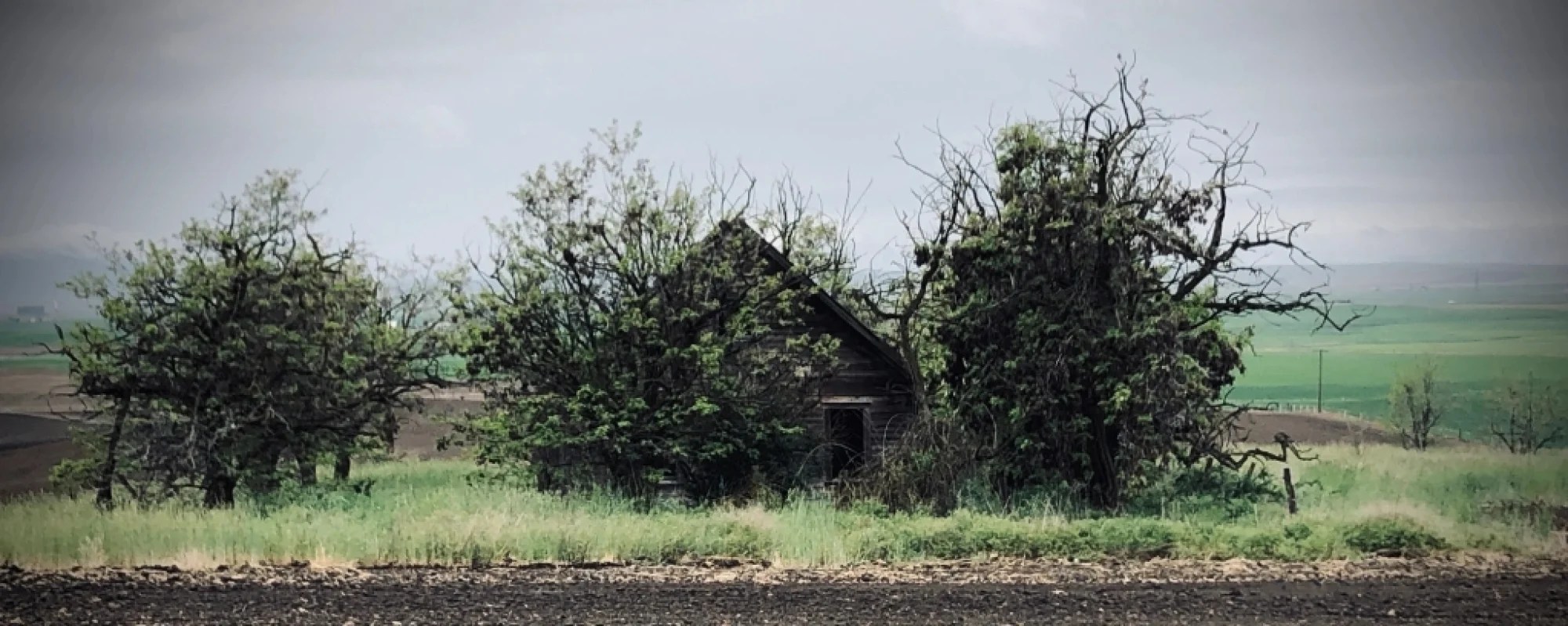
Gothic Horror
Gothic horror, with its rich tapestry of atmospheric settings, supernatural elements, and psychological depth, stands as one of the most enduring and captivating subgenres of horror cinema. Rooted in the Gothic literature of the 18th and 19th centuries, these films evoke a sense of foreboding and unease, drawing viewers into worlds where darkness reigns and the boundaries between the natural and the supernatural blur. From haunted mansions to isolated castles, from tormented protagonists to vengeful spirits, Gothic horror movies offer a mesmerizing glimpse into the macabre and the uncanny.
Central to the Gothic horror subgenre is its evocative use of atmospheric settings to establish a sense of dread and suspense. Whether it’s a crumbling mansion shrouded in mist, a desolate moor haunted by spectral apparitions, or a labyrinthine castle echoing with the whispers of the past, these films transport viewers to eerie landscapes where every shadow hides a sinister secret. Through careful attention to detail in set design, lighting, and cinematography, Gothic horror movies create immersive worlds that serve as both a backdrop and a character in their own right, heightening the sense of unease and uncertainty that permeates the narrative.
Another hallmark of Gothic horror is its embrace of the supernatural, weaving tales of ghosts, demons, and otherworldly entities that defy rational explanation. Whether it’s a vengeful specter seeking retribution for past wrongs, a cursed artifact unleashing unspeakable horrors, or a malevolent force lurking in the shadows, these films delve into the realms of the unseen and the unknown with chilling effectiveness. Through subtle hints, eerie apparitions, and heart-stopping scares, Gothic horror movies blur the line between reality and the supernatural, leaving viewers questioning what lies beyond the veil of the ordinary.
Beyond its atmospheric settings and supernatural elements, Gothic horror also explores the depths of the human psyche, delving into themes of madness, obsession, and forbidden desires. From tormented protagonists grappling with inner demons to sinister villains driven by dark impulses, these films probe the darker recesses of the human condition with unsettling precision. Through complex characters, intricate plot twists, and psychological tension, Gothic horror movies offer a nuanced exploration of fear and anxiety, tapping into universal anxieties and primal fears that resonate with audiences on a deeply visceral level.
Supernatural Horror
Supernatural horror, with its chilling tales of ghosts, demons, and otherworldly entities, occupies a special place in the pantheon of horror cinema. Rooted in ancient folklore and modern fears, these films transport viewers into realms where the natural laws of the universe are twisted and the boundaries between the living and the dead blur into darkness. From haunted houses to cursed artifacts, from possessed individuals to ancient rituals, supernatural horror movies offer a spine-tingling exploration of the unknown and the inexplicable.
Advertisement
about:blank
At the heart of supernatural horror lies its terrifying array of entities, ranging from vengeful spirits and malevolent demons to eldritch beings from beyond the stars. These films introduce viewers to a menagerie of creatures that defy comprehension, their motives often shrouded in mystery and their powers capable of bending reality itself. Whether it’s a ghostly apparition haunting a lonely mansion, a demonic force possessing an innocent soul, or an extraterrestrial entity stalking its prey, supernatural horror movies tap into primal fears and primal fears and unleash nightmares that linger long after the credits roll.
Another hallmark of supernatural horror is its exploration of cursed locations and objects imbued with malevolent forces. From ancient burial grounds to abandoned asylums, from cursed paintings to possessed dolls, these films delve into the darker aspects of history and folklore, uncovering secrets that should have remained buried. Whether it’s a cursed house that drives its occupants to madness or a cursed artifact that brings death and destruction to all who possess it, supernatural horror movies transform everyday objects and locations into vessels of terror, turning the familiar into the unknown and the ordinary into the extraordinary.
Beyond its terrifying entities and cursed artifacts, supernatural horror also explores the depths of the human psyche, delving into themes of madness, paranoia, and existential dread. From protagonists grappling with their own sanity to ordinary individuals thrust into extraordinary circumstances, these films blur the line between reality and nightmare, challenging viewers to confront their deepest fears and darkest desires. Through intricate plot twists, mind-bending visuals, and heart-stopping scares, supernatural horror movies offer a chilling glimpse into the abyss of the human soul, where fear reigns supreme and the unknown lurks just beyond the threshold.
Monster Horror
Monster horror cinema, with its iconic creatures and visceral thrills, occupies a unique and enduring place in the realm of horror. From ancient myths to modern nightmares, these films tap into primal fears and unleash monstrous entities that stalk the shadows, terrorizing both protagonists and audiences alike. Whether it’s a towering kaiju rampaging through a cityscape, a bloodthirsty werewolf prowling the forest, or a slithering creature lurking in the depths of the ocean, monster horror movies offer a heart-pounding exploration of the monstrous and the macabre.
At the heart of monster horror lies its iconic creatures, each one a terrifying embodiment of primal fears and human anxieties. From classic monsters like vampires, werewolves, and zombies to modern creations like giant mutants and extraterrestrial invaders, these films introduce viewers to a menagerie of creatures that defy comprehension. Whether they’re supernatural entities driven by insatiable hunger or genetically engineered abominations unleashed by human folly, monster horror movies tap into our deepest fears and unleash nightmares that linger long after the credits roll.
Another hallmark of monster horror is its exploration of terrifying environments where these creatures thrive and unleash their havoc. Whether it’s a remote cabin in the woods, a deserted island shrouded in mist, or a bustling metropolis transformed into a battleground, these films transport viewers into landscapes where danger lurks around every corner. Through intricate set design, atmospheric lighting, and immersive sound design, monster horror movies create immersive worlds that serve as both a backdrop and a character in their own right, heightening the sense of terror and uncertainty that permeates the narrative.
Beyond its terrifying creatures and ominous environments, monster horror also explores themes of survival, confrontation, and the human capacity for resilience. From protagonists struggling to escape the clutches of a relentless predator to brave individuals standing up to monstrous threats, these films delve into the primal instincts and moral dilemmas that arise in the face of unimaginable terror. Whether it’s a lone survivor battling against impossible odds or a group of unlikely heroes banding together to defeat a common foe, monster horror movies offer a gripping exploration of courage, sacrifice, and the indomitable human spirit.
Psychological Horror
Psychological horror cinema, with its spine-chilling tales of psychological torment and existential dread, occupies a unique and unsettling place in the realm of horror. Rooted in the darkest recesses of the human psyche, these films delve into the depths of madness, paranoia, and obsession, offering a haunting exploration of the mind’s most terrifying depths. From unreliable narrators to fractured realities, from unseen terrors to psychological unraveling, psychological horror movies captivate audiences with their intricate, albeit, convoluted narratives.
Central to psychological horror is its use of unreliable narratives that blur the line between reality and illusion. Whether it’s a protagonist grappling with delusions and hallucinations or a story told from multiple perspectives, these films challenge viewers to question the nature of truth and perception. Through subtle hints, narrative twists, and mind-bending plot devices, psychological horror movies create a sense of unease and uncertainty that lingers long after the credits roll, leaving audiences questioning their own sanity.
Advertisement
Another hallmark of psychological horror is its exploration of existential dread and the fundamental uncertainties of existence. From protagonists confronting their own mortality to individuals grappling with the nature of reality itself, these films delve into themes of alienation, isolation, and the fragility of human existence. Whether it’s a descent into madness triggered by external forces or an internal struggle against the darkest impulses of the mind, psychological horror movies offer a chilling glimpse into the abyss of the human soul, where fear reigns supreme and the line between sanity and madness blurs into darkness.
Beyond its unreliable narratives and existential themes, psychological horror also excels at creating subtle and insidious forms of terror that seep into the subconscious. Whether it’s a sense of creeping dread that builds slowly over time or a series of unnerving moments that unsettle the audience’s expectations, these films eschew jump scares and gore in favor of psychological tension and atmospheric unease. Through masterful use of sound design, cinematography, and performance, psychological horror movies immerse viewers in a world where every shadow hides a hidden truth and every sound sends shivers down the spine.
Splatter Horror
Splatter horror cinema, with its over-the-top violence, gruesome special effects, and gleeful embrace of gore, occupies a visceral and extreme corner of the horror genre. Rooted in the shock and rebellion of the 1970s and 1980s, these films push the boundaries of good taste and societal norms, offering audiences a cathartic release from the constraints of polite society. From chainsaw-wielding maniacs to flesh-eating zombies, from brutal torture scenes to elaborate death traps, splatter horror movies revel in bloodshed and carnage, delivering thrills and chills in equal measure.
Central to splatter horror is its unabashed depiction of excessive violence and gore, often taken to absurd and cartoonish extremes. Whether it’s gallons of blood spraying across the screen, limbs being severed with abandon, or bodies being mutilated in graphic detail, these films leave little to the imagination when it comes to portraying the horrors of the human body. Through elaborate practical effects, creative use of prosthetics, and innovative filmmaking techniques, splatter horror movies transform violence into a spectacle, shocking and thrilling audiences with its audacity and intensity.
Another hallmark of splatter horror is its emphasis on gore-filled spectacles that push the boundaries of visual storytelling. Whether it’s a group of teenagers meeting grisly ends at the hands of a masked killer or a horde of zombies tearing apart unsuspecting victims, these films revel in creating elaborate set pieces that showcase the creative talents of their filmmakers and special effects artists. From elaborate death traps to elaborate kill sequences, splatter horror movies deliver jaw-dropping moments of carnage and mayhem that leave audiences both horrified and exhilarated.
Beyond its excessive violence and gore-filled spectacles, splatter horror also excels at shocking and transgressing societal norms and taboos. Whether it’s a subversive commentary on contemporary culture or a gleeful celebration of the forbidden and the taboo, these films challenge audiences to confront their deepest fears and darkest desires. Through provocative imagery, provocative storytelling, and provocative themes, splatter horror movies push the boundaries of good taste and decency, inviting viewers to revel in the chaos and mayhem of the human condition.
Slasher Horror
Slasher horror cinema, with its masked killers, inventive kills, and relentless pursuit of terror, stands as one of the most iconic and enduring subgenres of horror. Rooted in the cultural anxieties of the late 20th century, these films offer a visceral and adrenaline-fueled experience, tapping into primal fears and primal desires with chilling effectiveness. From deranged serial killers to vengeful spirits, from isolated cabins to suburban neighborhoods, slasher horror movies captivate audiences with their relentless tension, shocking twists, and unrelenting violence.
At the heart of slasher horror lies its iconic killer, a menacing figure shrouded in mystery and menace. Whether it’s the silent stalker Michael Myers, the vengeful spirit Freddy Krueger, or the unstoppable force Jason Voorhees, these characters have become synonymous with the genre, their masked visages haunting the nightmares of audiences for generations. With their relentless pursuit of victims and their inventive methods of murder, slasher killers embody the darkest fears and fantasies of the human psyche, transforming the mundane into the macabre and the ordinary into the terrifying.
Another hallmark of slasher horror is its emphasis on inventive kills and elaborate death sequences that push the boundaries of visual storytelling. Whether it’s a teenager meeting a grisly end at the hands of a masked killer or a group of unsuspecting victims falling prey to a series of deadly traps, these films deliver jaw-dropping moments of carnage and mayhem that leave audiences both horrified and exhilarated. Through elaborate practical effects, creative use of prosthetics, and innovative filmmaking techniques, slasher horror movies transform violence into a spectacle, shocking and thrilling audiences with its audacity and intensity.
Central to the slasher horror formula is the concept of the final girl, a resilient and resourceful survivor who outwits the killer and emerges victorious against all odds. Whether she’s a lone survivor battling against impossible odds or a group of unlikely heroes banding together to defeat a common foe, the final girl embodies the triumph of the human spirit in the face of unimaginable terror. Through her bravery, intelligence, and determination, she becomes a symbol of hope and resilience, inspiring audiences to confront their own fears and fight back against the darkness.
Body Horror
Body horror cinema, with its visceral depictions of physical transformation, mutilation, and decay, occupies a uniquely grotesque and unsettling niche within the horror genre. Rooted in the anxieties of the human body and the fear of bodily violation, these films explore the boundaries of corporeal existence, challenging viewers to confront the fragility and vulnerability of their own flesh. From grotesque mutations to invasive parasites, from surgical horrors to psychological disintegration, body horror movies offer a disturbing exploration of the limits of the human form and the horrors that lie within.
At the heart of body horror lies its exploration of metamorphosis and mutation, as characters undergo grotesque transformations that defy comprehension. Whether it’s a gradual transformation into a monstrous creature or a sudden mutation triggered by scientific experimentation, these films tap into primal fears of bodily change and loss of identity. Through elaborate practical effects, intricate prosthetics, and innovative visual effects, body horror movies bring these transformations to life in vivid and horrifying detail, immersing viewers in a nightmarish world of flesh and bone.
Another hallmark of body horror is its depiction of invasive and parasitic entities that infiltrate and corrupt the human body from within. Whether it’s a parasitic organism burrowing beneath the skin or a malevolent force taking control of its host, these films explore themes of bodily invasion and loss of autonomy. Through graphic imagery, visceral sound design, and psychological tension, body horror movies evoke a sense of primal revulsion and dread, challenging viewers to confront their deepest fears of bodily violation and existential uncertainty.
Beyond its visceral depictions of physical transformation and mutilation, body horror also explores themes of psychological disintegration and existential dread. Whether it’s a character descending into madness as they confront their own mortality or a society crumbling under the weight of its own decay, these films probe the darkest recesses of the human psyche with unflinching intensity. Through surreal imagery, existential themes, and psychological terror, body horror movies immerse viewers in a world where the boundaries between reality and nightmare blur into darkness, leaving them questioning their own perceptions of self and reality.
Comedy Horror
Comedy horror cinema, with its blend of frights and laughs, occupies a delightfully absurd and entertaining corner of the horror genre. Rooted in the tradition of horror-comedy hybrids, these films offer a unique and often irreverent take on classic horror tropes, combining scares with humor to create an experience that is both chilling and hilarious. From slapstick gags to witty one-liners, from supernatural shenanigans to monstrous mayhem, comedy horror movies invite audiences to embrace the absurdity of the genre and revel in the joy of being scared silly.
At the heart of comedy horror lies its penchant for absurd premises and outlandish scenarios that defy logic and reason. Whether it’s a group of bumbling teenagers facing off against a horde of zombies or a family of werewolves struggling to fit in with suburban society, these films revel in the absurdity of their concepts and the hilarity of their execution. Through over-the-top performances, outrageous sight gags, and tongue-in-cheek humor, comedy horror movies turn traditional horror tropes on their head, inviting audiences to laugh along as they’re being scared senseless.
Another hallmark of comedy horror is its use of meta-humor and parody to poke fun at the conventions of the genre. Whether it’s a self-aware nod to classic horror films or a tongue-in-cheek spoof of contemporary trends, these films delight in subverting audience expectations and playing with genre conventions. From clever references to iconic horror moments to sly digs at Hollywood clichés, comedy horror movies offer a treasure trove of Easter eggs and inside jokes for fans to discover, rewarding repeated viewings with new layers of humor and insight.
Central to comedy horror is its ensemble of irreverent characters and outlandish situations that drive the narrative forward with a blend of humor and horror. Whether it’s a wise-cracking vampire hunter, a lovable monster with a heart of gold, or a hapless victim stumbling into one misadventure after another, these films feature a colorful cast of characters who embrace the absurdity of their predicaments with gusto. Through witty banter, zany antics, and unexpected plot twists, comedy horror movies keep audiences on their toes, never knowing whether to laugh or scream at the chaos unfolding on screen.
Postmodern Horror
Postmodern horror cinema, with its self-awareness, genre-bending narratives, and meta-commentary, stands as a captivating and intellectually stimulating subgenre within the realm of horror. Rooted in the cultural shifts and anxieties of the late 20th and early 21st centuries, these films challenge traditional notions of storytelling and audience expectations, offering a thought-provoking exploration of the medium itself. From deconstructing classic horror tropes to blurring the boundaries between reality and fiction, postmodern horror movies invite audiences on a journey into the labyrinthine corridors of the human psyche and the ever-evolving landscape of popular culture.
At the heart of postmodern horror lies its deconstruction of genre tropes and conventions, as filmmakers subvert audience expectations and challenge traditional storytelling norms. Whether it’s a self-aware nod to classic horror clichés or a meta-textual commentary on the nature of fear and suspense, these films delight in turning familiar tropes on their head and exposing the underlying absurdity of horror conventions. Through clever dialogue, narrative twists, and visual references, postmodern horror movies offer a playful and irreverent take on the genre, inviting audiences to question their assumptions and embrace the chaos of the unknown.
Another hallmark of postmodern horror is its use of metafictional narratives that blur the boundaries between reality and fiction, author and audience. Whether it’s a story within a story, a film within a film, or a character who becomes aware of their own fictional nature, these films challenge traditional notions of narrative coherence and audience engagement. Through intricate plot structures, unreliable narrators, and recursive storytelling techniques, postmodern horror movies immerse viewers in a hall of mirrors where truth and illusion become indistinguishable, leaving them questioning their own perceptions of reality and fiction.
Central to postmodern horror is its exploration of cultural commentary and satire, as filmmakers use the genre as a vehicle for social critique and political commentary. Whether it’s a critique of consumerism and corporate greed, a satire of celebrity culture and media sensationalism, or a reflection on the anxieties of the digital age, these films engage with contemporary issues and themes in provocative and thought-provoking ways. Through allegory, symbolism, and subtext, postmodern horror movies invite audiences to interrogate the underlying fears and anxieties that shape the world around them, offering a mirror to society’s darkest impulses and deepest fears.
 Scare Me Please