In the world of horror gaming, Bendy and the Ink Machine carved out a unique space with its eerie blend of vintage animation aesthetics, unsettling ambiance, and slow-building dread. When news broke that the first official novel, Dreams Come to Life by Adrienne Kress, would explore the lore beyond the game, I was equal parts intrigued and cautious. Would it live up to the creeping horror that made the game so beloved? Could a novel recapture the suffocating ink-soaked corridors and twisted morality of Joey Drew Studios?
The short answer: Yes—and in some ways, Dreams Come to Life delivers even more.
While the book leans into a slow-burn style that might not immediately grip fans looking for relentless horror, it excels in its methodical pacing, strong character work, and ultimately chilling payoff. What makes it stand out as a piece of horror fiction isn’t just the monsters or the scares—it’s how it builds a world where dreams curdle into nightmares and ambition mutates into something monstrous.
Let’s break down why this book works as an unsettling, atmospheric horror tale that’s perfect for both fans of the game and horror readers looking for a psychological twist.
The Setting: Hollywood’s Shadow, Reimagined in Ink
The book introduces us to 17-year-old Buddy Lewek, an aspiring animator scraping by in 1940s New York. When he lands a job as a janitor at the iconic—if fading—Joey Drew Studios, it seems like a small step toward his dreams. From the outset, the book plays with a creeping unease. The studio is glamorous in a nostalgic, old-Hollywood way, but it’s also rundown, oddly empty, and plagued by whispers of something darker behind its cheerful cartoons.
The author excels at grounding horror in the mundane. The early chapters focus on Buddy’s day-to-day tasks: mopping floors, meeting eccentric staff, listening to Joey Drew’s rants about the power of imagination. But even these mundane moments are laced with atmospheric dread. There’s always the sense that something is off, that the smiles plastered on the studio walls are hiding something rotten underneath.
Kress doesn’t rush the horror—instead, she layers it. Shadows linger just a bit too long. Sounds echo when they shouldn’t. Hallways seem to change when you’re not looking. It’s a masterclass in restraint, and it sets the stage for an ending that earns every shiver.
Character Development: Humanity in a Studio of Madness
What truly elevates Dreams Come to Life is its investment in character development. Buddy is not a passive observer—he’s a fully realized protagonist. His motivations, anxieties, and personal struggles feel authentic, which makes the horror that unfolds around him all the more affecting.
Buddy comes from a working-class background. He wants more for himself, but he’s not naive. His relationship with his father, a stern but loving figure, grounds him in reality. This grounding becomes crucial later when Buddy’s loyalty and sense of morality are tested by the seductive promises of Joey Drew.
Speaking of Joey Drew—he’s one of the most fascinating characters in the novel. Kress paints him as part Walt Disney, part mad scientist. He’s charismatic, visionary, and deeply manipulative. His obsession with “making dreams real” is presented first as creative genius and then slowly revealed to be something much more unhinged. His descent isn’t a sudden twist—it’s a slow erosion of boundaries, where ambition and ego bleed into madness.
Other supporting characters like Mr. Kohen and Dot also bring texture to the story. Dot, in particular, is a compelling foil to Buddy—cynical, sharp, and observant, she suspects early on that there’s more going on beneath the surface of the studio. Her presence grounds the story and provides tension between skepticism and belief, especially as reality starts to blur.
In horror, flat characters can sink a story. Here, the rich character work adds emotional weight to the horror. We care about these people, which makes the final acts all the more terrifying.
A Study in Slow-Burn Horror
Some readers may find the pacing of Dreams Come to Life a bit slow. And that’s fair—the first half of the novel is more psychological thriller than outright horror. But that’s precisely what makes the payoff so effective.
This is horror that simmers.
Rather than jump scares or sudden monster reveals, the book creates a sustained atmosphere of dread. Think Shirley Jackson meets Stephen King’s It—a creeping suspicion that builds over time, where the horror comes not just from what’s seen, but from what’s slowly realized.
One particularly effective sequence involves Buddy hearing strange noises in the studio late at night. The events are minor—barely there, in fact—but they linger with the reader. The horror here is environmental and emotional: flickering lights, inexplicable cold spots, the feeling of being watched. By the time supernatural elements fully emerge, the reader has already been primed to expect something deeply wrong.
And when it does break loose? It’s as if the ink floods in all at once.
The final act pulls no punches. As secrets unravel and the true nature of Joey Drew’s “dream machine” is revealed, the tone shifts from eerie to terrifying. Distorted figures born from ink and memory come to life. Paranoia sets in. Reality breaks down. And through it all, Buddy must decide what matters more—his dreams or his conscience.
The book’s climax is surreal, fast-paced, and deeply creepy. It rewards the reader’s patience with vivid imagery, existential horror, and a final twist that hits hard.
The Twist: A Perfect Ink-Stained Ribbon
Without spoiling too much, the twist at the end of Dreams Come to Life is one of its strongest moments. It doesn’t rely on shock value—instead, it’s a revelation that recontextualizes much of the story. You look back and realize the clues were always there, subtly placed in dialogue and setting.
The twist works because it’s emotional as well as narrative. It says something about who Buddy is, and what the studio does to people who dare to dream. It’s tragic, poignant, and unsettling in equal measure.
Horror isn’t just about fear—it’s about transformation. The best horror stories leave characters (and readers) changed. This book does exactly that. The ending doesn’t just close the story—it haunts it.
Horror Themes and Literary Craft
Kress’s writing is sharp and atmospheric. She understands that horror is a mood, not just a genre. She uses repetition, pacing, and subtle cues to create unease. Doors are never just doors. Ink is never just ink. Every object has weight, every scene has potential.
Thematically, Dreams Come to Life explores:
The cost of ambition – What do we lose when we pursue our dreams at all costs?
The fragility of reality – How easily can imagination twist perception?
The danger of unchecked power – Joey Drew isn’t evil for evil’s sake—he’s what happens when no one says “no” to a dreamer who’s lost his way.
These are classic horror tropes, but Kress approaches them with fresh eyes. She doesn’t rely on gore or shock. Instead, she leans into dread, disillusionment, and the horror of watching something beautiful curdle into something horrifying.
Final Thoughts
Bendy and the Ink Machine: Dreams Come to Life may not be a nonstop scare-fest, but it’s a beautifully crafted, emotionally resonant horror novel that earns its place in the canon of video game tie-in literature. Its slow pace is intentional—a deliberate descent into madness that mirrors its characters’ own unraveling.
If you’re a fan of atmospheric horror, unsettling mysteries, or psychological character-driven storytelling, this book delivers. And if you’re already invested in the Bendy universe, you’ll find a haunting new lens through which to view the events of the game.
So if you’re ready to step back into the sepia-toned studio halls of Joey Drew’s imagination, be warned: dreams may come to life—but they don’t always want to stay that way.
Have you read Dreams Come to Life? What did you think of the ending twist? Drop your thoughts below and let’s talk ink, imagination, and horror done right.
Darcy Coates has built a reputation for crafting atmospheric, spine-chilling horror novels that blend eerie settings with compelling storytelling, and The House Next Door is no exception. With its unsettling ambiance and relentless suspense, the novel immerses readers in a classic haunted house tale that delivers both thrills and mystery in equal measure. The story moves at a brisk pace, ensuring that tension remains high while never sacrificing the eerie, slow-burning dread that makes ghost stories so captivating. Packed with spine-tingling moments, shadowy figures, and an ever-present sense of unease, The House Next Door keeps readers on edge, unraveling its secrets in a way that feels both tantalizing and unsettling. Balancing supernatural horror with a gripping mystery, Coates masterfully weaves an engrossing narrative that is sure to keep fans of the genre hooked from beginning to end.
The story centers around Jo, a woman living in a peaceful suburban neighborhood—at least, it seems peaceful on the surface. However, the house next door has always unsettled her. Abandoned and shrouded in mystery, it carries a sinister reputation, with rumors of strange happenings and the eerie fact that no one who has lived there stays for long. Each former occupant has met with tragedy, reinforcing the belief that something is deeply wrong with the house.
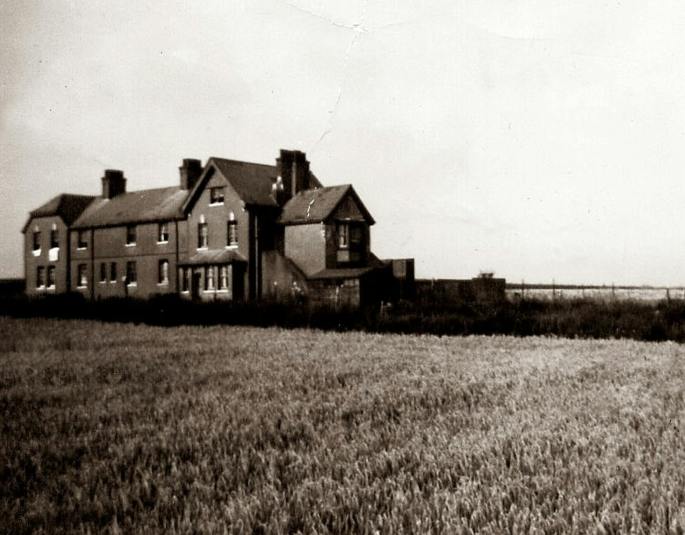
Photo by Dominuz from wikimedia.com
Jo has always been curious about its secrets, but when a new family moves in, her fascination turns into an obsession. She feels an urgent need to warn them, especially as unsettling events begin to unfold around the property once again. What starts as a well-meaning concern soon pulls her deeper into the house’s dark history, leading her to uncover chilling truths that go beyond mere ghostly whispers. The more she investigates, the more she realizes the haunting isn’t just real—it’s far more dangerous than she ever imagined, and getting too close might come at a terrifying cost.
One of the novel’s strongest points is its pacing, which keeps the story engaging and tense without unnecessary filler. Coates doesn’t waste time with long-winded exposition or drawn-out backstories; instead, she throws the reader straight into the unsettling atmosphere of the haunted house, letting the mystery and suspense unfold naturally. From the very beginning, there’s a sense of unease that steadily builds, with eerie encounters, strange noises, and ghostly apparitions growing more intense as the story progresses.
Every chilling moment feels carefully placed to maintain a constant sense of dread without overwhelming the reader with nonstop horror. The haunting starts subtly—flickers of movement in the corner of the eye, an unnatural stillness in certain rooms—before escalating into something much more terrifying. This gradual build-up keeps the reader invested, making it impossible to put the book down.
At the heart of the story is Jo, a protagonist who feels refreshingly real. She’s not the fearless, reckless type who runs headfirst into danger without thinking, but she’s also not a passive observer. Her curiosity, bravery, and determination drive the plot forward, yet she remains flawed in a way that makes her easy to relate to. She struggles with doubt, fear, and obsession, making her a well-rounded character whose actions feel believable. Watching her navigate the mystery of the haunted house while grappling with her own internal struggles adds depth to the story, making it more than just a series of scary moments—it’s also a compelling character-driven narrative.
The book leans more into suspense and atmosphere rather than outright horror, making it an excellent choice for readers who love a good ghost story without the need for excessive gore or shock value. Instead of relying on graphic scares, Coates builds tension through eerie descriptions, unsettling encounters, and the ever-present feeling that something sinister is lurking just out of sight. The novel keeps readers engaged with its creeping dread and gradual revelations rather than overwhelming them with nonstop frights, making it an ideal pick for those who prefer psychological chills over outright terror.
That said, while the book delivers plenty of spine-tingling moments, it doesn’t necessarily break new ground in the genre. Readers who seek deeply complex characters or entirely original ghost lore might find some elements of the story a bit familiar. The haunted house setup follows many of the classic tropes—strange noises, ominous history, and a protagonist drawn too deeply into the mystery for their own good. While these elements are well-executed, seasoned horror fans may find the twists and turns enjoyable but not entirely surprising.
Coates’ writing style is engaging and easy to read, which makes the book highly accessible to both casual readers and dedicated horror fans alike. The prose is straightforward, avoiding overly elaborate descriptions or complicated narrative structures, which helps maintain the book’s fast pacing. However, those looking for a more literary or deeply nuanced exploration of supernatural horror may find it somewhat predictable. Still, for those who appreciate a well-told ghost story that prioritizes suspense and readability, The House Next Door delivers exactly what it promises—a thrilling, spooky ride with just the right amount of mystery and tension.
Overall, The House Next Door is a solid and engaging haunted house novel that successfully delivers a gripping plot filled with eerie moments and an ever-present sense of dread. Coates crafts a story that feels both familiar and fresh, using classic ghost story elements while maintaining a level of suspense that keeps readers hooked from start to finish. The novel balances supernatural horror with psychological tension, creating an atmosphere that lingers long after the final page.
While it doesn’t necessarily reinvent the haunted house genre, it doesn’t need to—what it does, it does well. The book embraces the eerie, slow-burning tension that makes ghost stories so compelling, offering a satisfying blend of mystery, suspense, and chilling encounters. Fans of haunted house tales will appreciate the novel’s ability to maintain a sense of foreboding without relying on excessive gore or shock value. Instead, it focuses on atmosphere, unsettling imagery, and a steadily unraveling mystery that keeps the pages turning.
Coates’ straightforward and accessible writing style ensures that the story remains fast-paced and easy to digest, making it a great choice for both seasoned horror fans and those looking for an introduction to the genre. The narrative is engaging, the pacing is tight, and the supernatural elements are handled in a way that enhances the overall suspense.
If you enjoy atmospheric thrillers with a supernatural edge, The House Next Door is definitely worth picking up. It’s an entertaining, chilling read that provides just the right amount of spookiness, making it perfect for a late-night reading session. Whether you’re a longtime fan of haunted house stories or just looking for a fun, eerie read, this book delivers exactly what you’d expect—a satisfying and unsettling ghostly mystery.
Here’s a list of the top 13 urban legends—some of the most chilling and eerie tales that have haunted communities, whispered from generation to generation and spreading like wildfire across the internet. These stories, often shrouded in mystery and fear, captivate our imaginations with their unsettling details, blurring the lines between fact and fiction. Whether rooted in local folklore or fueled by modern anxieties, these legends continue to send shivers down our spines, leaving us questioning what might truly be lurking in the shadows.
This classic urban legend has terrified drivers for generations, reinforcing the fear of being alone on dark, empty roads. The story typically follows a woman who is driving at night when she notices a mysterious vehicle following her closely. No matter how fast she drives or how many turns she takes, the car remains right behind her, flashing its headlights and honking persistently. Panicked, she eventually manages to lose the pursuer and reaches a safe location, often a gas station or her home. However, just as she begins to relax, a police officer or attendant reveals a horrifying truth—the driver tailing her wasn’t a threat but a savior. They had been desperately trying to warn her that a dangerous figure, possibly an escaped convict or a deranged murderer, was hiding in her backseat, waiting for the perfect moment to strike. The flashing lights and honking had been an attempt to scare the attacker into staying down or to alert the woman before it was too late. This chilling tale serves as a warning to always check the backseat before getting into a car, a habit that many people have developed due to the lasting impact of this legend.
This well-known legend has been passed down for generations, striking fear into the hearts of those daring enough to test it. The tale revolves around a ghostly figure named Bloody Mary, who is said to appear when her name is chanted three times (or, in some versions, thirteen times) in front of a mirror, usually in a dimly lit or candlelit room. The origins of the legend are murky, with some believing that Bloody Mary is the vengeful spirit of a wronged woman, while others link her to historical figures such as Queen Mary I of England, who was infamous for her brutal persecution of Protestants. According to various accounts, those who attempt the ritual may experience a range of terrifying encounters. Some claim to see her bloodied face appear in the mirror, her hollow eyes staring back at them with malevolent intent. Others report feeling a sudden chill in the air, hearing whispers or screams, or even being physically harmed—scratched, bruised, or, in extreme cases, disappearing without a trace. Despite being widely regarded as a mere superstition or sleepover dare, the legend of Bloody Mary has endured, fueled by the thrill of the unknown and the psychological power of suggestion. Many who attempt the ritual do so for fun, only to find themselves gripped by real fear when shadows shift or their own reflection seems distorted. Whether a figment of imagination or a genuine paranormal phenomenon, Bloody Mary remains one of the most infamous supernatural legends, keeping people wary of mirrors in the dark to this day.
One of the most enduring and widely shared urban legends, The Vanishing Hitchhiker tells the eerie tale of a driver who picks up a lone traveler on a deserted road, often on a rainy or foggy night. The hitchhiker is usually described as a young woman, sometimes dressed in white, who appears lost or in distress. Grateful for the ride, she gives the driver an address or destination, speaking little along the way. However, before they arrive, the driver glances in the rearview mirror or turns around, only to discover that the passenger has mysteriously vanished into thin air. In some versions of the legend, the driver later finds a personal item, such as a jacket, scarf, or bag, left behind in the seat—tangible proof that someone had been there. Driven by curiosity or concern, they visit the address the hitchhiker had given, only to be met with an unsettling revelation. A grieving family member or a longtime resident informs them that the person they picked up had died years ago, often in a tragic car accident near the same stretch of road. The hitchhiker is sometimes said to have been trying to return home or reach a location significant to their life, as if unaware of their own death. Other variations of the story add an even creepier twist: the driver lends the hitchhiker their coat, only to find it draped over a gravestone the next day, confirming the ghostly nature of the encounter. The legend has taken on different cultural forms worldwide, with each region adding its own eerie details. Whether seen as a cautionary tale about the dangers of the road or as evidence of spirits lingering among the living, The Vanishing Hitchhiker remains one of the most chilling and frequently recounted ghost stories in folklore.
This chilling urban legend has terrified babysitters for decades, reinforcing the primal fear of being alone in a strange house while responsible for someone else’s safety. The story typically follows a teenage babysitter who has been hired to watch over young children while their parents enjoy a night out. As the evening progresses, she settles in, perhaps watching TV or doing homework, when the phone suddenly rings. On the other end, a mysterious voice—sometimes a whisper, sometimes a menacing chuckle—asks ominous questions like, “Have you checked the children?” or simply breathes heavily before hanging up. At first, the babysitter assumes it’s a prank call and dismisses it, but as the calls continue, they become increasingly unsettling. The caller’s tone grows more threatening, and his words more disturbing. Frightened, she finally contacts the police, who assure her they will trace the call if it happens again. When the phone rings once more, the babysitter, now shaking, stays on the line long enough for the authorities to act. Moments later, she receives a frantic return call from the police: “Get out of the house! The calls are coming from inside!” In many versions of the tale, the babysitter barely escapes as a deranged killer—sometimes described as an escaped mental patient or a man who had been hiding in the attic—emerges from the shadows, weapon in hand. In the darker retellings, the children have already been murdered, and the babysitter is the next intended victim. Other versions offer a more dramatic ending where police arrive just in time to subdue the killer before he can strike. The legend is believed to have originated from real-life crimes, including a case in 1950 where a babysitter named Janett Christman was murdered while watching a young child. It has since been adapted into countless horror films, including When a Stranger Calls (1979), which cemented the story’s place in popular culture. The tale serves as a cautionary reminder to lock doors, take threats seriously, and never assume safety simply because one is indoors. To this day, babysitters around the world shudder at the thought of picking up the phone, only to hear that chilling question: “Have you checked the children?”
This classic urban legend, often told as a cautionary tale for young couples, revolves around a terrifying encounter with an escaped killer known as The Hookman. The story usually begins with a teenage couple parked in a secluded area, often referred to as “Lover’s Lane,” enjoying a romantic evening in the car. The setting is quiet, isolated, and perfect for privacy—until their moment is interrupted by an ominous warning. Either the car radio crackles with an emergency news bulletin, or the boy turns on the radio just in time to hear an urgent announcement: a dangerous escaped convict, a deranged murderer with a hook for a hand, is on the loose in the area. The girl immediately grows uneasy, urging her boyfriend to leave, but he tries to brush it off as nonsense. In some versions, he teases her for being paranoid, while in others, he locks the doors and suggests they stay a little longer. But as the woods around them seem to grow darker and the feeling of being watched intensifies, she becomes increasingly panicked. Sometimes, she hears scratching noises or faint tapping on the car, making her even more insistent that they leave. Eventually, the boy relents, irritated but agreeing to take her home. As he pulls away, neither of them notices anything unusual—until they arrive at her house. When he steps out to open her door or when she turns to say goodbye, they make a horrifying discovery: a single, rusted hook hanging from the car door handle, as if someone had been right outside their vehicle, moments away from attacking. In more sinister versions of the story, the couple lingers too long, and instead of escaping, they meet a gruesome fate. The killer attacks, slashing through the car’s roof, breaking the windows, or dragging one of them into the darkness. Other retellings suggest that police later find scratch marks on the car or blood smeared across the windows, reinforcing the horrifying near-miss they had unknowingly escaped. Believed to have originated in the 1950s, The Hookman legend has been used as a warning against reckless teenage behavior, particularly the dangers of parking in secluded areas at night. It plays on fears of unseen threats lurking in the dark, the vulnerability of being alone in a car, and the ever-present danger of ignoring warnings. The story remains one of the most well-known urban legends in the United States, a chilling reminder that sometimes, the scariest threats are the ones we don’t see—until it’s too late.
This unsettling urban legend is often shared as a cautionary tale about home security and the loyalty of man’s best friend. The story typically begins with a woman returning home from work or a night out, only to find her beloved Doberman or other large guard dog behaving strangely. The dog appears distressed, wheezing, and struggling to breathe, as if choking on something lodged in its throat. Panicked, the woman rushes to help but realizes she cannot dislodge whatever is causing the problem. Fearing for her pet’s life, she quickly drives the dog to the nearest veterinarian for emergency treatment. At the clinic, the vet sedates the animal and manages to extract the obstruction. Upon examining it closely, the vet makes a horrifying discovery—the dog had been choking on a severed human finger. Shocked, the vet asks the woman where she lives and who else might be in the house. When she explains that she lives alone, the vet’s expression turns grave. He tells her to stay put and immediately calls the police. Terrified and confused, the woman follows the vet’s orders, and soon, the authorities arrive at her home to investigate. To her horror, they discover evidence of a break-in—often a window forced open, scratches on a lock, or even a trail of blood leading through the house. Somewhere inside, they find an intruder—or the remains of one. In some versions of the story, the burglar has fled in pain, missing a finger, while in others, they are discovered unconscious or dead, having bled out from their gruesome injury. Either way, the implication is clear: the dog had bravely defended its home and owner, biting the intruder so viciously that it tore off a piece of flesh before swallowing it. Different retellings of the legend add even more terrifying twists. In some versions, the police find the burglar still hiding inside the house, either armed and waiting to attack or barely alive from his wound. In other accounts, the discovery of the severed finger leads investigators to a larger crime scene, such as a string of burglaries or even a serial killer who had been stalking the neighborhood. Some variations swap the Doberman for another breed, but the core elements remain the same—the dog, the severed finger, and the shocking realization that an intruder had been far too close for comfort. Though there is no confirmed real-life case matching the details of The Choking Doberman, the story gained widespread popularity in the 1970s and 1980s, often told as if it had happened to “a friend of a friend.” It plays on common fears of home invasion, vulnerability, and the unsettling idea that danger could be lurking just out of sight. The legend also serves as a testament to the protective instincts of dogs, reinforcing their reputation as loyal guardians who will risk their lives to protect their owners—even if it means biting off more than they can chew.
This disturbing urban legend plays on the fear of being tricked into a dangerous situation while trying to help someone in need. The story typically takes place on a deserted road, often late at night or in a remote area with little to no passing traffic. A driver, traveling alone or with a small group, spots what appears to be a person lying motionless in the middle of the road, as though injured or unconscious from an accident. Concerned, the driver slows down, debating whether to stop and offer assistance or to call for help. In some versions of the legend, the driver cautiously exits the vehicle and approaches the figure, only for something sinister to happen—shadowy figures emerge from the surrounding darkness, ambushing them before they can react. The “injured person” was never a real victim but a trap set by criminals, carjackers, or even violent gangs looking for their next target. The driver is often robbed, kidnapped, or worse, left to an unknown fate. In other retellings, the driver wisely hesitates, suspecting something is off, and decides to call 911 instead. When the police arrive, they conduct an investigation and uncover the horrifying truth—the body in the road was either a stolen corpse or a mannequin dressed to look like an injured person, placed there deliberately to lure unsuspecting Good Samaritans out of their vehicles. The officers then inform the shaken driver that this tactic has been used in recent crimes, sometimes with deadly outcomes. More extreme versions of the legend incorporate supernatural elements. In these eerie adaptations, the “body” vanishes the moment the driver turns away or appears in the backseat of their car after they drive off. Some claim that those who stop but do not help are later haunted by the spirit of the “victim,” appearing in their dreams or along the roadside each time they travel alone at night. Although this urban legend has been widely circulated as a cautionary tale, there have been real-life incidents that bear resemblance to it. In some cases, criminals have indeed staged accidents or placed obstacles in the road to force drivers to stop, making the story feel all too plausible. Law enforcement agencies have occasionally issued warnings about similar tactics, further fueling the legend’s believability. Ultimately, The Dead Body in the Road serves as a chilling reminder of the dangers of isolation, deception, and the risks that sometimes come with offering help to strangers. It leaves listeners with an unsettling question: If you found someone lying helpless on the road in the dead of night, would you stop? And if you did—would it be the right decision?
This terrifying urban legend is one of the most chilling examples of how a false sense of security can quickly turn into unimaginable horror. The story typically follows a young girl or teenager who is home alone for the night, often while her parents are away on a trip or working late. She has only her faithful dog for company, a large and protective pet that sleeps beside her or under her bed, offering her comfort in the absence of her family. As the night progresses, the girl begins to hear strange noises—soft scratching sounds, faint tapping on the windows, or distant footsteps echoing in the house. At first, she dismisses them, assuming it’s just the wind or her mind playing tricks on her. Nervous but unwilling to investigate, she reaches down beside her bed, and to her relief, her dog licks her hand reassuringly, a familiar gesture that has always comforted her since she was little. Feeling safe, she eventually drifts off to sleep. The next morning, however, she wakes up to a horrifying sight. Instead of finding her dog curled up beside her, she stumbles upon its lifeless body, often described as brutally killed, sometimes mutilated or with its throat slit. Panicking, she backs away—only to see a message scrawled in blood on the wall, the mirror, or a nearby piece of paper. The chilling note reads: “Humans can lick too.” The realization strikes her like a thunderbolt. The entire night, she had assumed the comforting licks on her hand came from her beloved pet, but in reality, an intruder—possibly a deranged killer or some supernatural entity—had been hiding in her room, lying in wait under the bed or just out of sight. The dog, her only protector, had been silenced before she even knew there was a threat, and she had unknowingly spent the night in the same room as her would-be attacker. Different versions of the legend alter the details slightly. In some retellings, the girl never actually sees the intruder, only finding the gruesome message and realizing how close she had come to death. In others, the man is still inside the house when she wakes up, leading to an even more horrifying confrontation. Some variations make the setting even more eerie, placing the girl in an isolated cabin, a dormitory, or a remote house, amplifying her helplessness. Though there are no verified cases matching The Licked Hand, its psychological impact is what makes it so effective—it preys on the universal fear of unseen dangers lurking in the darkness, the vulnerability of being home alone, and the betrayal of what was supposed to be a source of comfort. It has been retold across different cultures, appearing in horror collections, urban legend books, and even influencing films and TV shows. The moral of the story is clear: just because something feels familiar doesn’t mean it’s safe. And when you’re alone at night, sometimes the things that go bump in the dark aren’t just in your imagination.
One of the most famous and enduring urban legends, The Sewer Alligator tells the bizarre tale of giant alligators lurking beneath the city streets, surviving and even thriving in the dark, damp tunnels of urban sewer systems. This legend, primarily associated with cities like New York, has fascinated and terrified people for decades, leading to countless alleged sightings, news reports, and even fictional adaptations in books, movies, and television. The story typically suggests that these sewer alligators originated from pet owners who, after purchasing baby alligators as exotic pets, eventually found them too difficult or dangerous to care for. Rather than finding a proper home for them, these owners resorted to flushing the young reptiles down toilets or releasing them into storm drains, unknowingly dooming them to an underground existence. Against all odds, the legend claims, some of these alligators managed to survive, growing to massive sizes in the darkness of the city’s underbelly. Over the years, various reports have described enormous albino alligators lurking in the sewers, their eyes adapted to the darkness and their skin pale from the lack of sunlight. Some versions of the legend even claim that these sewer-dwelling creatures have mutated due to exposure to industrial waste, radioactive materials, or chemical runoff, making them larger, more aggressive, and nearly indestructible. Others suggest that entire colonies of alligators have established themselves beneath city streets, feeding on rats, stray pets, and whatever organic waste they can scavenge. While the idea of sewer alligators is often dismissed as pure fiction, the legend gained significant traction in the early 20th century. In the 1930s and 1940s, newspapers reported occasional discoveries of small alligators in urban areas, fueling speculation that a hidden population might exist. In 1935, a group of teenagers allegedly pulled a live, eight-foot alligator out of a New York City manhole, a story that only added credibility to the myth. However, experts argue that alligators would not be able to survive long-term in the harsh sewer environment due to the cold temperatures, lack of sunlight, and poor diet. Despite the lack of scientific evidence, The Sewer Alligator legend remains one of the most captivating urban myths in American folklore. It has inspired horror films, television episodes, and even children’s stories, cementing its place in pop culture. The story taps into deep-seated fears of the unknown lurking beneath our feet and the idea that nature might find a way to thrive even in the most unexpected places. Whether real or not, the thought of giant, unseen predators slithering through underground tunnels continues to capture the imagination—and paranoia—of city dwellers everywhere.
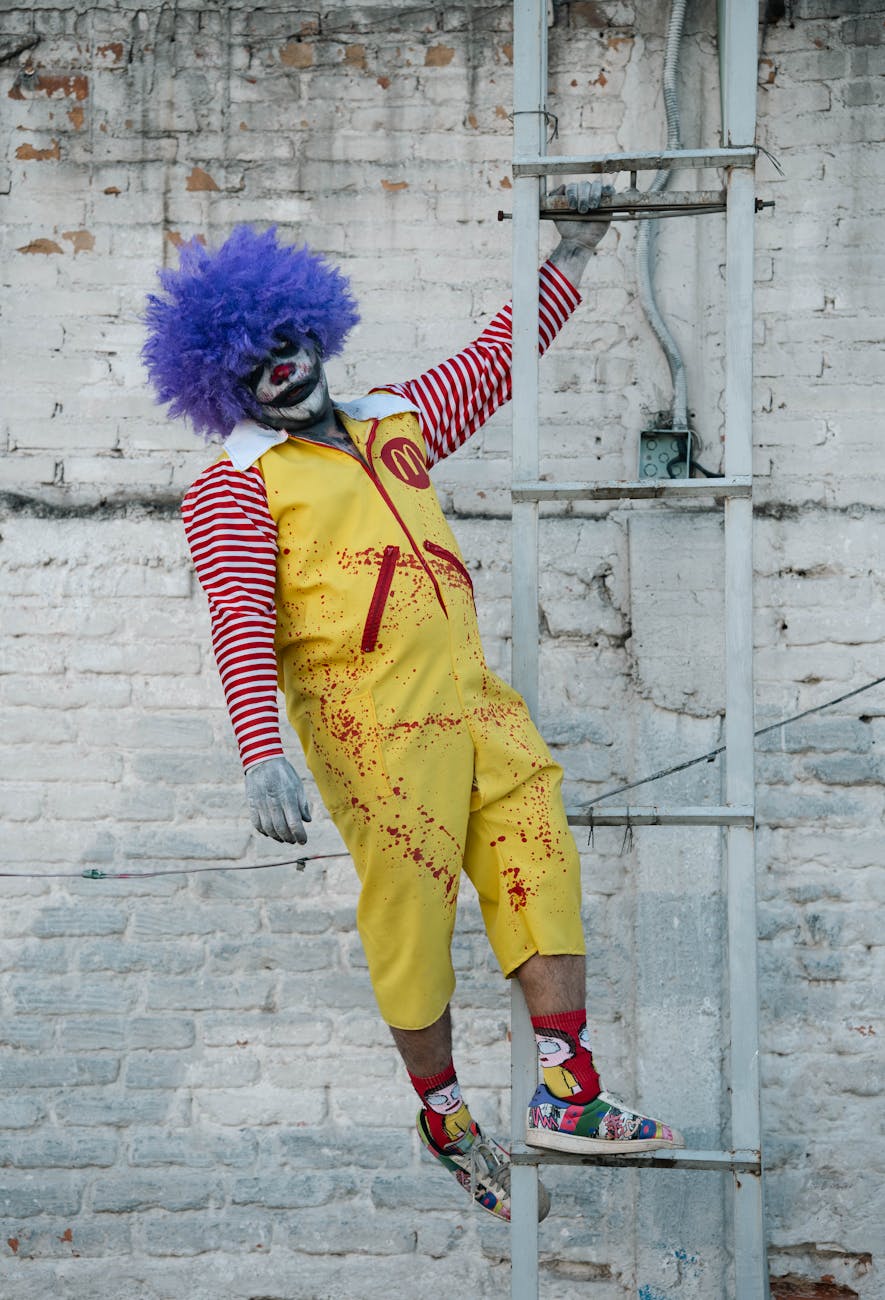
Few urban legends strike fear into the hearts of people quite like The Killer Clown, a terrifying figure that combines childhood innocence with pure horror. This legend tells of a murderer who disguises themselves as a clown, using their cheerful, playful appearance to lure unsuspecting victims—often children, but sometimes even adults—before revealing their true, sinister intentions. Clowns, which were once symbols of fun and laughter, have long carried an underlying sense of unease due to their exaggerated features, painted smiles, and unpredictable behavior. This legend plays on that inherent creepiness, turning a seemingly harmless entertainer into a bloodthirsty predator hiding behind a painted mask. In many versions of the legend, the Killer Clown is said to roam neighborhoods, targeting children by offering candy, balloons, or invitations to private performances. Parents are warned to be cautious of strangers dressed as clowns, as some versions suggest that the clown is a child abductor who takes their victims to a hidden lair, never to be seen again. Other retellings place the Killer Clown in more disturbing settings, such as a clown spotted staring into bedroom windows late at night or hiding under beds, waiting for the right moment to attack. Some claim the clown has been seen lurking in dark alleys or abandoned buildings, grinning silently at those who pass by before vanishing into the night. Though the Killer Clown legend is largely fictional, it has terrifying real-life parallels. The most infamous example is John Wayne Gacy, a serial killer who performed at children’s parties as “Pogo the Clown” while secretly committing horrific crimes in the 1970s. His shocking double life blurred the line between myth and reality, making the Killer Clown legend feel disturbingly plausible. His crimes deeply influenced the perception of clowns, transforming them from beloved performers into potential nightmares. The legend gained even more traction in the 1980s and 1990s, with reports of “phantom clown” sightings across the United States. People claimed to have seen mysterious clowns attempting to lure children into vans, though no concrete evidence ever surfaced. The hysteria resurfaced in 2016, when a wave of creepy clown sightings swept across the U.S. and other countries, with people dressed as clowns seen lurking in public places, sometimes wielding weapons or behaving menacingly. While most were hoaxes or pranks, the fear was real, leading to school lockdowns, police investigations, and even violent confrontations. Beyond real-life scares, the Killer Clown legend has heavily influenced pop culture, inspiring movies, books, and television shows. One of the most famous examples is Pennywise, the nightmarish entity from Stephen King’s IT, which takes the form of a clown to terrify and prey on children. Films like Killer Klowns from Outer Space and Terrifier have further cemented the image of clowns as horror icons rather than friendly entertainers. Whether rooted in reality or fiction, the Killer Clown legend remains one of the most unsettling urban myths, exploiting our deepest fears of the unknown and the deceptive nature of appearances. The idea that something meant to bring joy could instead bring terror makes this legend particularly chilling—and ensures that for many people, clowns will never be funny again.
This eerie urban legend has been told in countless variations across cultures, reinforcing the timeless fear of encountering the supernatural while driving alone at night. The story typically begins with a lone driver traveling down an empty road, often on a foggy night or during bad weather, when they suddenly see a woman standing in the middle of the road. Sometimes, she is simply standing still, staring vacantly ahead, while in other versions, she frantically waves for help. The driver, feeling a sense of concern—or in some cases, an unexplainable pull—stops to offer assistance. The woman is usually described as young and pale, often wearing a white dress, which in many cultures is associated with ghosts and lost souls. When the driver asks if she needs help, she quietly requests a ride to a specific destination, such as a nearby house, a distant town, or a graveyard. She may speak little, appearing melancholic or distant, sometimes shivering as though she is cold. The driver obliges, and as they continue down the road, the atmosphere in the car grows heavier, with the air feeling colder and an unsettling silence lingering between them. As they approach the given destination, the driver suddenly realizes the woman is no longer in the car. She has vanished without a sound—sometimes leaving behind a faint scent of flowers, an old-fashioned piece of jewelry, or a damp seat as though she had been caught in the rain. In some versions, the driver, confused and unsettled, gets out to check but finds no sign of the mysterious passenger. When they finally arrive at the location she had requested, they knock on the door and are met by an elderly person or a grieving family member who listens to their story with wide eyes before revealing a chilling truth: the woman they picked up died in a tragic accident on that very road years ago. This legend has been shared across cultures under different names, including La Llorona in Latin America, The White Lady in Europe, and The Vanishing Hitchhiker in North America. Some versions add darker twists, suggesting that the spirit is not a lost soul but a vengeful ghost, seeking to relive the moment of her death or punish reckless drivers. In other retellings, the driver sees her face in the rearview mirror as they drive, only to watch in horror as she fades away. More gruesome versions have the driver later discovering deep scratches on their car, muddy footprints on the backseat, or hearing whispers in their ear before she disappears. Despite being widely regarded as folklore, the legend of The Woman in the Road continues to send chills down the spines of travelers worldwide. Some believe it serves as a cautionary tale about the dangers of driving late at night, while others see it as evidence that spirits remain tethered to the places where their lives ended tragically. Regardless of the version, the message is always the same—sometimes, when you stop for a stranger on the road, you may not be alone after all.
12. The Kidney Heist (Global)
One of the most infamous and chilling urban legends, The Kidney Heist is a cautionary tale about the dark world of illegal organ trafficking. The story warns of unsuspecting individuals being drugged, kidnapped, and surgically robbed of their kidneys (or other vital organs) while they are unconscious. It is often told as a friend-of-a-friend story, giving it an air of credibility, and it has been shared worldwide in various versions, spreading fear among travelers, partygoers, and those venturing into unfamiliar places. The legend typically begins with a person—often a businessman, tourist, or college student—enjoying a night out at a bar, club, or party in a foreign city. At some point during the night, they strike up a conversation with a stranger, who may be exceptionally charming, persuasive, or simply offering them a drink. Without realizing it, the victim consumes a spiked beverage laced with powerful sedatives or anesthetics. As their vision blurs and the world fades to black, they have no idea of the horrors awaiting them. When the victim awakens, they find themselves in a completely unfamiliar setting, usually a hotel room or an abandoned building. Their head throbs, their body feels weak, and worst of all, they are submerged in a bathtub filled with ice. A sense of confusion and panic sets in as they struggle to move, only to discover an excruciating pain in their side. As they come to their senses, they notice a note—sometimes scrawled on the wall in lipstick, other times neatly written on a piece of paper—warning them not to move too suddenly and instructing them to call emergency services immediately. The note informs them that one of their kidneys has been surgically removed and that their life is in danger if they do not seek medical attention at once. In some versions, the legend takes an even more sinister turn. The victim is discovered long after the procedure, left for dead in a remote area, or, in rare cases, they never wake up at all. Others claim that the perpetrators are part of a highly organized black-market organ trade, harvesting and selling organs to wealthy buyers who are desperate for transplants. Some variations suggest that corrupt doctors, disguised as helpful bystanders, are involved in the operation, ensuring that the victim never remembers the details of the crime. Despite its widespread fear factor, no confirmed cases have ever matched the details of The Kidney Heist legend. However, real instances of illegal organ trafficking do exist, with reports of people being coerced into selling their organs or being misled into unnecessary surgeries in some countries. These real-life crimes have fueled the legend, making it all the more believable. This tale serves as a modern-day warning, reminding people to be cautious when traveling, to watch their drinks at bars, and to remain wary of strangers offering unsolicited kindness. While the idea of waking up in a bathtub of ice after a night of partying might be an urban myth, the fear it instills is very real—and that’s what keeps The Kidney Heist alive in the public imagination.
One of the most legendary and spine-chilling urban myths, The Curse of the Pharaohs has captivated the world for over a century, weaving together mystery, history, and superstition. The legend warns that anyone who dares to disturb the tomb of an ancient Egyptian pharaoh will suffer dire consequences—often in the form of violent, premature deaths, incurable illnesses, or unexplained misfortunes. The curse is said to be a supernatural force, placed upon the burial sites of the mighty rulers of Egypt to protect them from grave robbers and those who would dare to violate their sacred resting places. The legend gained worldwide fame following the discovery of King Tutankhamun’s tomb in 1922 by British archaeologist Howard Carter and his team. Shortly after opening the tomb, several members of the expedition, including Lord Carnarvon—the wealthy patron who funded the excavation—died under mysterious circumstances. Carnarvon passed away just months after the tomb was opened, reportedly due to blood poisoning caused by an infected mosquito bite. His sudden death, combined with reports of inexplicable accidents, illnesses, and even suicides among others involved in the excavation, fueled widespread speculation that the ancient curse had been unleashed.Further adding to the mystery, it was reported that on the very night of Carnarvon’s death, all the lights in Cairo flickered and went out, and his pet dog back in England howled and died at the exact same moment. Over the years, several others linked to the excavation also met untimely deaths, reinforcing the belief that the curse was real. Some even claimed that hieroglyphs within the tomb contained an ominous warning, stating, “Death shall come on swift wings to those who disturb the king’s peace.” While many attribute these deaths to coincidence, natural causes, or infections contracted during the excavation, the story of the pharaoh’s curse remains one of the most persistent supernatural legends in history. Some scientists argue that exposure to ancient mold, bacteria, or toxins inside the tomb could have contributed to the illnesses and fatalities, while skeptics believe that the so-called curse is merely a mix of media hype and selective storytelling. The Curse of the Pharaohs has inspired countless books, films, and documentaries, cementing its place in both horror and historical fiction. It has been referenced in works ranging from classic monster movies featuring reanimated mummies to adventure stories like Indiana Jones and The Mummy franchise. Even today, stories of newly discovered Egyptian tombs come with whispers of an ancient curse, making archaeologists and treasure hunters alike pause before opening the doors to the past. Whether a true supernatural force or a powerful psychological phenomenon, the Curse of the Pharaohs continues to haunt our collective imagination, a timeless reminder that some secrets of the ancient world are best left undisturbed.
Urban legends have been passed down for generations, evolving with each retelling and adapting to different cultures and fears. Whether based on real events, pure fiction, or a mix of both, these stories tap into our deepest anxieties—fear of the unknown, the dangers lurking in everyday life, and the idea that sometimes, reality can be just as terrifying as fiction. From ghostly hitchhikers and cursed tombs to sinister clowns and underground monsters, these legends endure because they speak to universal human fears and fascinations. Some serve as cautionary tales, warning us to stay vigilant, while others fuel our imaginations and send chills down our spines. No matter how skeptical we claim to be, there’s always that lingering thought: What if it’s true? And that is precisely why urban legends will continue to haunt, thrill, and entertain us for years to come.
Some photographs reveal more than they should, and in Ghost Camera by Darcy Coates, that discovery turns deadly. This eerie collection of short horror stories centers around supernatural encounters, with the title story following Jenine, who finds an old camera that captures ghostly figures invisible to the naked eye. What starts as a curiosity soon becomes a terrifying ordeal as the spirits grow more hostile, and she realizes she’s entangled in something far beyond her control. Each story in the collection delivers its own dose of suspense and creeping dread, making Ghost Camera a thrilling read for fans of atmospheric and unsettling horror.
The very first story, Ghost Camera, is a fast-paced and eerie read that pulls you in from the start. The story follows Jenine, who finds an old camera and quickly realizes it has a terrifying ability—it captures images of ghosts that aren’t visible to the naked eye. At first, she’s just curious, snapping photos to see what appears, but things take a dark turn when the ghosts start getting closer in each picture. Soon, they’re not just standing in the background—they’re watching her, reaching for her, and making it clear they want something. As Jenine scrambles to figure out where the camera came from and how to escape its curse, she uncovers a disturbing pattern: every previous owner met a horrible fate. With time running out, she’s forced into a dangerous fight to break free before she becomes the next victim. Ghost Camera is a suspenseful, quick read packed with creepy imagery, mounting dread, and a plot that keeps you hooked until the final, chilling moment.
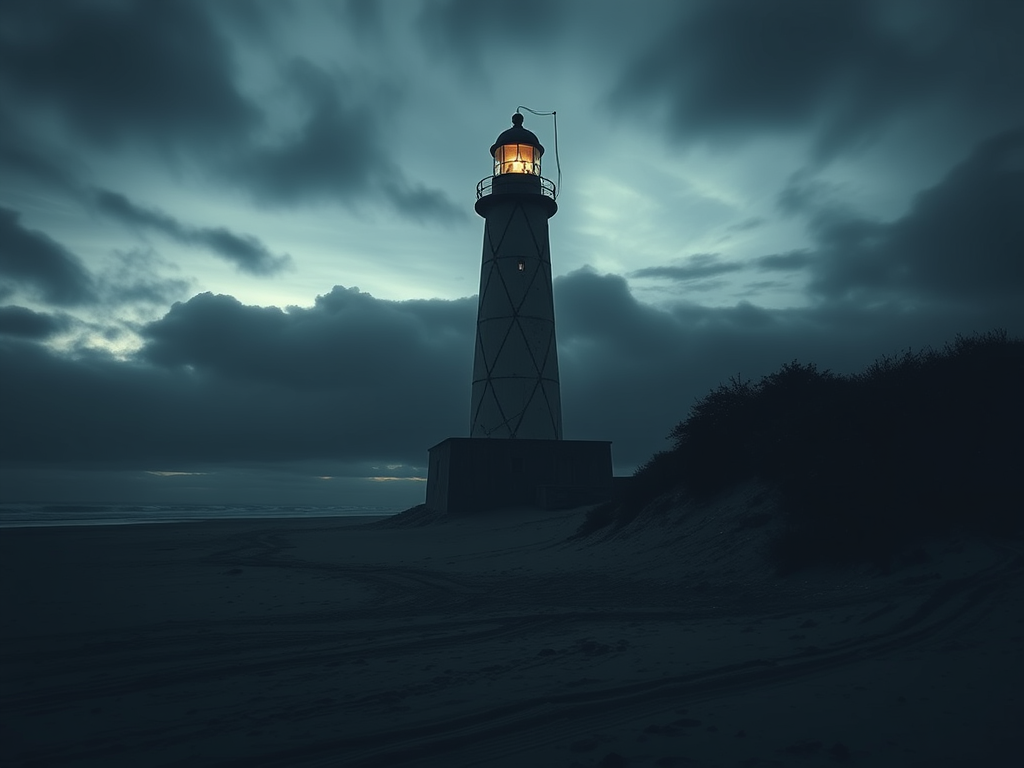
While Ghost Camera is the standout story in the anthology, most of the other entries, while entertaining, don’t leave much of a lasting impression. The Run to Broken Ridge Lighthouse sets up an eerie atmosphere with its solitary stretch of beach and grisly backstory, but it never quite delivers on its suspense, leaving the resolution feeling somewhat underwhelming. Similarly, Death Birds provided an interesting sci-fi premise with some tense moments, but the predictable twists make it less impactful compared to the stronger stories in the collection. The rest of the stories included: Payment for the Dead, Untamed Things, The House on Boxwood Lane, Remains, and Cathedral. They weren’t terrible stories by any means, but just didn’t stick with me (I actually had to go back to the book while writing this so I could remember what these stories were). All were enjoyable in the moment, but just lacked the supreme creepiness I was longing for.
That all changed when I listened to the final story, A Box of Tapes. This short horror story is a gripping, edge-of-your-seat thriller that masterfully builds tension from the moment the mother discovers the mysterious box of VHS tapes in her daughter’s closet. The ominous note—“Do not watch, you’ll regret it”—immediately sets the tone for the dread that follows. As she gives in to curiosity and plays the tapes, the gruesome murders they reveal are disturbing enough, but the real terror begins when her daughter starts seeing the eerie woman from the recordings in real life. The story expertly escalates the suspense, making every shadow and every flickering screen feel like a threat. Just when you think you have it figured out, the twist ending pulls the rug out from under you, leaving a lingering sense of unease. With its tight pacing, unsettling imagery, and relentless sense of dread, this is a short horror story that sticks with you long after the final page.
I read this story on a work night (I have to wake up at 4:30 AM), and it was so enthralling that I couldn’t bring myself to stop, even when I knew I’d regret it in the morning. I stayed up until after 11, completely absorbed, listening to every eerie detail unfold. The tension kept building, and just when I thought I had a moment to breathe, something even creepier would happen, making it impossible to turn it off. Even after I finally forced myself to stop, the story lingered in my mind, making it nearly impossible to fall asleep. Every shadow in my room felt darker, every little creak in the house sent a shiver down my spine, and I kept replaying the most unsettling moments in my head. It took over an hour before I could finally drift off, and even then, I half-expected to wake up in the middle of the night and see the lady from the tapes in my bedroom.
The characters in this short horror story are incredibly well-developed, making the terror feel all the more real. The mother is a compelling protagonist—her love for her daughter is evident in every decision she makes, and her growing fear and desperation are palpable as she tries to protect her child from the horrors unfolding around them. Her reactions feel authentic, balancing skepticism, dread, and an increasing sense of helplessness as the tapes’ dark secrets unravel. The daughter is equally engaging, with her innocent confusion turning into sheer terror as she begins to see the eerie woman from the recordings in real life. The mother-daughter bond adds an emotional depth that makes the horror even more intense, as their struggle feels deeply personal rather than just a supernatural mystery. And, of course, the mysterious woman committing the murders is a chilling presence—her eerie, otherworldly nature lingers throughout the story, making her feel like a true nightmare come to life. Each character plays a crucial role in the suspense, making the twists and final revelation all the more haunting.
As I mentioned earlier, none of the other characters in any of the stories really stood out to me in a memorable way. While some had interesting backstories or were placed in intriguing situations, their personalities and development felt somewhat generic, making it hard to connect with them on a deeper level. Even the characters in the main story, Ghost Camera, didn’t leave a strong impression on me. While the plot itself was gripping and the suspense kept me engaged, the characters felt more like vehicles for the story rather than fully fleshed-out individuals. I still thoroughly enjoyed the eerie atmosphere and the way the tension built throughout, but I found myself more invested in the mystery of the camera than in the people caught up in it.
Writing an in-depth review for an anthology of short horror stories can be challenging because each story is so different in terms of plot, pacing, and scares. Some stories rely on slow-building psychological horror, while others dive straight into fast-paced, supernatural terror, making it difficult to analyze them as a cohesive whole. However, one thing that remains consistent throughout is the writer’s ability to craft an eerie and immersive mood in every story. No matter the premise, the tension is always palpable, and the unsettling tone lingers long after each tale ends. I also appreciated how varied the settings were—each story took place in a unique and well-described environment, from isolated lighthouses to haunted houses and cursed objects, keeping the anthology fresh and engaging. While some stories stood out more than others, the author’s skill in creating chilling atmospheres and vivid locations made the entire collection an enjoyable and unsettling read.
Overall, Ghost Camera is a chilling and suspenseful collection that showcases Darcy Coates’ talent for crafting eerie, immersive horror. While some stories are more memorable than others, the anthology as a whole delivers a consistently haunting atmosphere with a strong sense of tension and dread. The title story, Ghost Camera, and ending story, A Box of Tapes, stand out as the most gripping, blending supernatural terror with an engaging mystery that keeps readers hooked until the very end. Though the characters may not be the most distinctive, the unsettling settings and expertly built suspense make up for it, ensuring that each story leaves a lasting impression. Whether you’re a longtime fan of Coates or just looking for a quick, creepy read, Ghost Camera is a solid choice that delivers plenty of eerie moments and spine-chilling surprises.
What did you think? Have you read this book? If so, what was your favorite story in it? Have a book recommendation? Let us know in the comments below!
Written by Jeff Strand, “It Watches in the Dark” is a middle-grade horror novel that blends suspense and humor. The story follows twelve-year-old twins, Oliver and Trisha, who embark on a canoe trip in Missouri with their father to celebrate their birthday. Within minutes of beginning the story (it really does get straight to the point), an accident happens, leaving their father unconscious, and the twins paddle downriver in search of help.
They come across a remote village with strange, overly helpful residents and a giant scarecrow that seems to hold a significant place in the community. The villagers insist that the scarecrow, which stands ominously in the town square, watches over them and keeps them safe. However, an old woman warns the twins not to spend the night in the village if they want to leave.
As the twins navigate this eerie environment, the scarecrow begins to exhibit supernatural behaviors, taunting and threatening them. The story takes a darker turn as Oliver and Trisha realize that escaping the village and saving their father might be more challenging than they initially thought. The novel combines elements of folk horror with a fast-paced, engaging narrative that is ideal for young readers like want to be creeped out, but not have nightmares.
Horror Literature Elements
As I typically do with horror meant for younger audiences, I listened to this as an audio book with my nephew. The narrator did a good job with the scarecrow, not a super scary voice, but captured the complete mind control it had over the town. Honestly, with such a short book (I think it was only about 4 hours), and with it being made for younger audiences, it’s a little tougher for me to critique as I’m not the target audience (I’m an adult, not a middle schooler). With that being said, I feel as though kids shouldn’t be dumbed down and their age shouldn’t be an excuse for poor writing, so I’ll critique it without “holding back”.
Let me start by saying, I have a soft spot for scarecrow horror. Growing up, each year our mom would tell us the same scary story involving an evil scarecrow named “Bob” who terrorizes whatever town we were living in at the time (we moved a lot). Though the story almost always ended with one of us destroying Bob, it ultimately lead to me getting the creeps anytime I passed by a scarecrow in real life. Even the friendly-looking ones. Even as an adult.
It was for this reason, I was drawn to this book and recommended reading it with my nephew. Immediately, it grabbed my attention as the introduction was a no-nonsense dive into the plot, which my ADHD appreciated.
The horror elements in the novel arent’ as in-depth as a longer novel would be, yet the author certainly captures a creepy setting within only the first part of the book. The remote and isolated village with its eerie atmosphere and strange, overly friendly residents creates an unsettling backdrop for the story. In addition to this, the the village is watched over by a 50-foot-tall scarecrow that is believed to protect the villagers. This scarecrow starts exhibiting supernatural behaviors, such as speaking to the twins and issuing gruesome threats/mind control.
Adding almost as much to the scary setting, are the villagers themselves. Though technically creepy characters, the villagers’ unwavering devotion to the scarecrow and their disturbing ethos contribute to the tension. The children encounter bizarre and frightening behaviors from the villagers, adding to the sense of danger and paranoia. This was probably the creepiest part of the story for me, as it bordered on the Lovecraftian premise.
With that being said, the human involved between the characters takes away from the scare factor, but helped my nephew engage with it better. Since it’s a story targeting his age group, I’d say that’s a plus for the book. There’s also a bit of a twist, which I enjoyed as much as my nephew did. All in all, it’s worth a read for the younger horror fans as it’ll creep them out without a high likelihood of causing nightmares.
Conclusion
The story’s conclusion highlights the twins’ resourcefulness and bravery as they devise a plan to escape the village and rescue their unconscious father from the villagers’ clutches. The scarecrow’s threats and the villagers’ unwavering belief in its protective power create a tense and suspenseful atmosphere. Ultimately, the twins’ determination and quick thinking lead to a resolution, but the lingering presence of the scarecrow and the village’s dark secrets leave a lasting impression on them, though there is a definitive ending to the story. Ultimately, it’s a worth a read for youngins just getting into horror, but not very interesting for Aunts having to listen along.
Final Scare Me Please Score: Just burn that town to the ground, out of 100















 Scare Me Please