Pareidolia—the way our brains trick us into seeing familiar shapes, like faces in clouds or figures in shadows—isn’t just a psychological oddity; it’s a phenomenon deeply tied to horror. The fear of the unknown, of something lurking just outside our perception, is a staple of the genre. Horror thrives on ambiguity, making us question whether the eerie shape in the dark is real or just a trick of the light. Interestingly, artificial intelligence (AI) experiences its own form of pareidolia, sometimes detecting patterns that don’t exist. This eerie overlap between human perception and machine learning creates unsettling possibilities in horror, from AI-generated images that accidentally produce ghostly figures to paranormal investigations where AI amplifies the illusion of supernatural activity. By examining how AI experiences pareidolia, we can better understand the mechanics of fear itself—and why horror exploits our tendency to see things that aren’t really there.
Pareidolia in Horror: Seeing Faces in the Dark
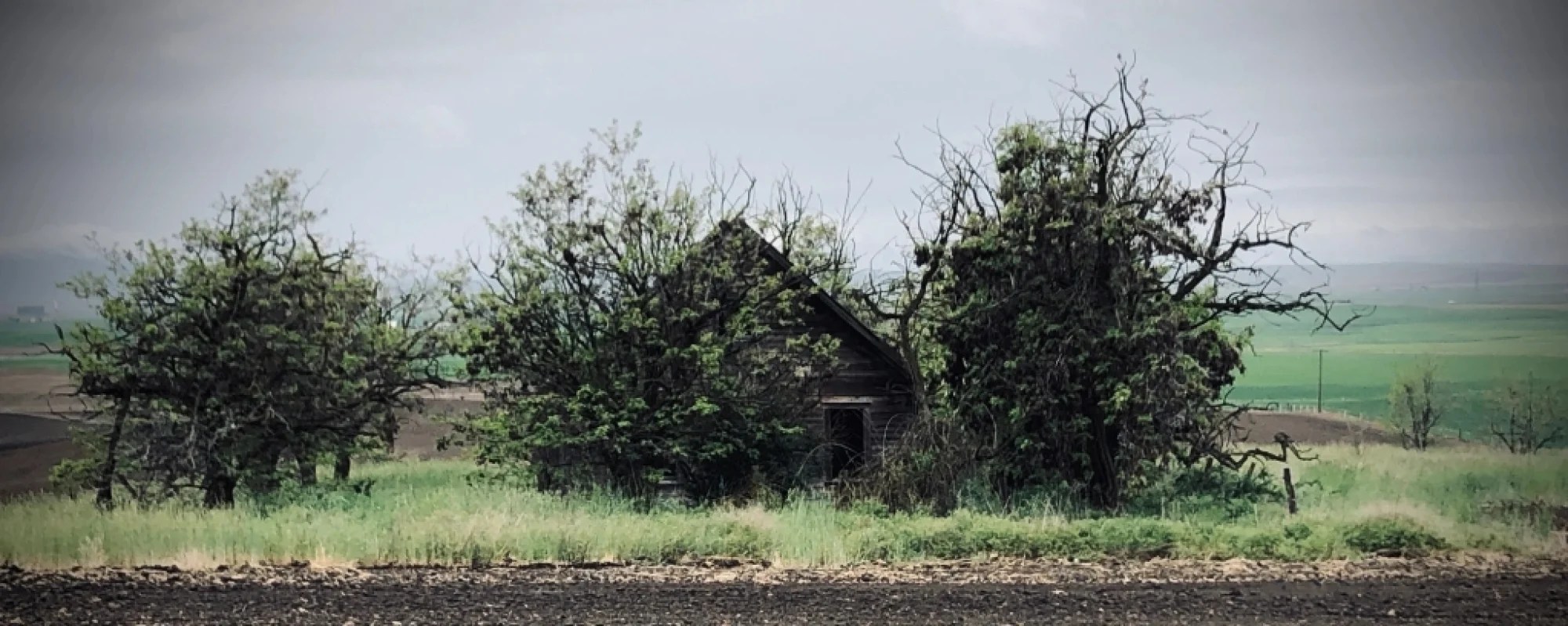
Horror films and literature often use pareidolia to unsettle audiences, making them question whether they’re truly seeing something sinister or if their mind is playing tricks on them. The most effective scares aren’t always the jump scares but the moments where the audience isn’t sure if there’s a face lurking in the background or just an oddly shaped shadow. Films like Hereditary (2018) use this technique masterfully, hiding disturbing figures in dimly lit rooms that only become clear upon a second glance. The uncertainty fuels dread—the longer you stare, the more convinced you become that something is watching you.
Photo by TeWeBs from Wikimedia.com
AI-generated horror imagery accidentally mirrors this phenomenon. Generative AI models, like early versions of DALL·E and MidJourney, have produced images with distorted, unintended faces peering from the backgrounds—almost like ghosts embedded in the data itself. These eerie accidents happen because AI doesn’t truly “understand” what it’s creating; it simply follows patterns based on its training data. If an AI has processed thousands of images featuring human faces, it may start inserting them in places where they don’t belong, leading to unintentional horror. These strange, otherworldly results mirror the very essence of horror—the fear that something is there, even when logic tells us otherwise.
AI Pareidolia and the Fear of Mistaken Identity
One of horror’s most unsettling tropes is the idea of mistaken identity—when something looks human but isn’t. From doppelgängers to The Thing (1982), horror exploits the fear that what we see isn’t real. AI facial recognition, which suffers from its own version of pareidolia, plays into this fear. AI security systems have been known to misidentify objects as human faces, much like how people sometimes see figures in the dark that aren’t really there. Google’s DeepDream project from 2015 demonstrated this phenomenon in an almost psychedelic way, transforming normal images into surreal, nightmarish visions filled with extra eyes and faces. This exaggerated form of AI pareidolia is a reminder that our own minds—and now, our technology—aren’t always trustworthy.
In a horror setting, the idea of AI misidentifying people could have terrifying implications. Imagine a smart home security system that keeps detecting a face in the hallway when no one is there. Or an AI-powered baby monitor that insists there’s a person standing in the nursery, even though the room is empty. These concepts tap into deep-rooted fears of both surveillance and the supernatural, blending technological paranoia with classic ghost story tropes.
Audio Pareidolia: The Ghosts in the Static
One of the eeriest forms of pareidolia is auditory—hearing voices where there are none. This is a common trope in horror, where static, wind, or mechanical noises seem to whisper eerie messages. AI voice recognition software experiences a similar issue, often misinterpreting background noise as speech. Voice assistants like Siri or Alexa have been known to activate randomly, responding to sounds that weren’t actually words. This phenomenon mirrors real-world horror stories of people hearing voices in radio static or interpreting random sounds as ghostly whispers.
Photo by Andy Mabbett from Wikimedia.com
Electronic Voice Phenomena (EVP), a popular tool in paranormal research, relies entirely on audio pareidolia. Paranormal investigators record ambient noise, then analyze it for hidden voices, often enhancing static until it seems to form words. AI’s role in this process has become increasingly prevalent, with ghost-hunting apps using machine learning to “detect” voices in recordings. But is the AI actually uncovering something paranormal, or is it just amplifying the brain’s natural tendency to find patterns? The fact that we can’t be sure makes it all the more terrifying.
AI and the Creation of New Horror Tropes
As AI continues to evolve, its pareidolia-driven mistakes are giving birth to entirely new horror concepts. AI-generated horror stories, videos, and imagery often contain bizarre, unsettling elements that no human would intentionally create. The infamous “Loab,” a disturbing face that kept appearing in AI-generated images, became a viral example of AI unintentionally creating a recurring horror character. Because AI works by recognizing and reproducing patterns, it can sometimes “hallucinate” strange figures that persist across multiple generations of images. This accidental creation of new horror icons blurs the line between technological glitches and supernatural manifestations.
Photo by Merlingenial from Wikimedia.com
Imagine a horror film where an AI art generator keeps producing the same eerie face, no matter what prompt is given. Or a haunted house story where a voice assistant insists on responding to an unseen presence in the room. These ideas tap into the fear that technology is revealing something we can’t explain—something lurking just beyond our perception.
Pareidolia, AI, and the Future of Horror
Horror has always thrived on uncertainty, and AI’s pareidolia-driven mistakes are a perfect fit for the genre’s evolution. As technology becomes more integrated into our lives, our fears shift from ghosts in the attic to glitches in the machine. Whether it’s AI security systems detecting nonexistent intruders, generative art tools producing accidental nightmares, or voice assistants picking up whispers from the void, AI is inadvertently becoming a new source of horror.
The study of AI pareidolia isn’t just about improving technology—it’s about understanding why we fear what we do. Horror works best when it taps into something real, something we can’t quite explain. AI’s tendency to misinterpret data in ways that eerily mimic human fears suggests that, at its core, technology might not be so different from us. And maybe, just maybe, when AI keeps finding faces where there shouldn’t be any, it’s not just making a mistake. Maybe it’s seeing something we can’t.
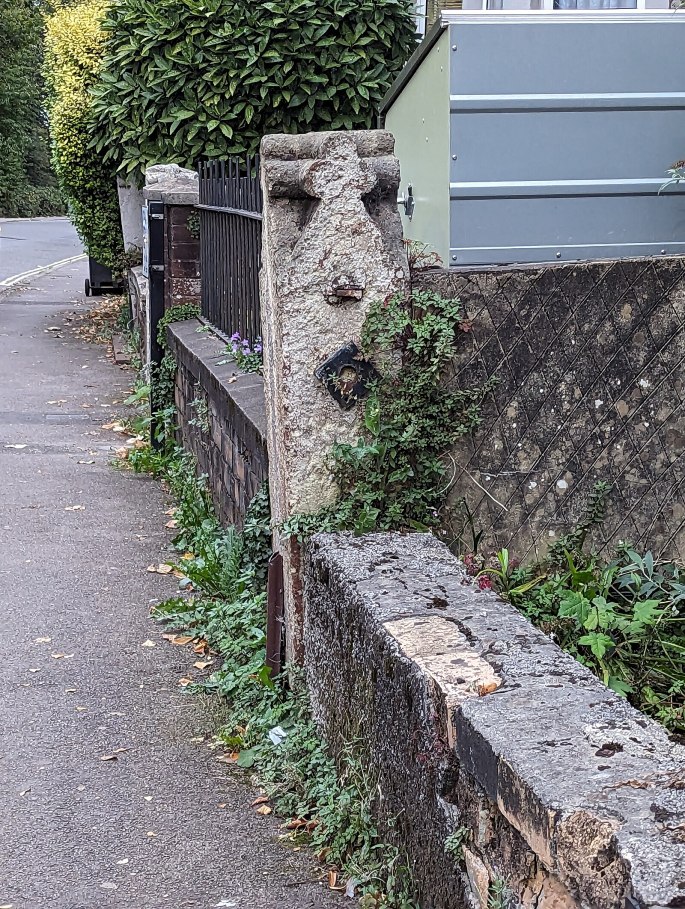
Photo by Netherzone
Pareidolia has always been a powerful force in horror, making us question what we see and hear in the darkness. Now, as artificial intelligence begins to experience its own version of this phenomenon, the lines between technology and terror are blurring in fascinating ways. AI’s tendency to misinterpret patterns—whether through eerie face-like images, ghostly voices in static, or false detections of movement—taps into the same primal fears that horror has explored for centuries. As horror continues to evolve alongside technology, AI-generated anomalies could become the new ghosts, glitches the new hauntings, and algorithmic errors the new unexplained phenomena. Whether it’s through accidental horror imagery, unsettling voice recognition mistakes, or the emergence of strange recurring figures in AI-generated content, artificial intelligence is not just changing horror—it’s becoming a part of it. Perhaps the scariest thought of all is that as AI continues to refine its pattern recognition, it may someday see something truly unexplainable—something lurking just beyond human perception. And when that happens, will we be ready to face it?
California may be known for its sunny beaches and Hollywood glamour, but beneath its golden facade lies a darker side filled with restless spirits, eerie legends, and haunted history. From abandoned ghost towns and cursed mansions to infamous hotels where guests never check out, the Golden State is home to some of the most terrifying paranormal hotspots in the country. Whether you’re a skeptic or a true believer, these 13 haunted locations will send chills down your spine and make you think twice before exploring alone after dark.
The RMS Queen Mary, docked in Long Beach, California, is one of the most haunted places in the world, with over 150 reported spirits lingering aboard. Originally launched in 1936 as a luxury ocean liner, it was later repurposed as a WWII troop transport, earning the nickname “The Grey Ghost.” Since its retirement in 1967, the ship has become infamous for its paranormal activity, particularly in Stateroom B340, where guests have experienced violent knocking, flickering lights, and even bed covers being pulled off while they sleep. The first-class swimming pool is said to be haunted by the ghost of a young girl named Jackie, whose laughter and wet footprints have been spotted despite the pool being empty. Deep in the engine room, Door 13 is linked to the spirit of a crew member who was crushed to death during a routine drill, while the Queen’s Salon is known for the apparition of a woman in a flowing white gown, seen dancing as if at a long-forgotten event. The boiler room and lower decks are also hotspots for eerie whispers, shadowy figures, and sudden cold spots. The Queen Mary now offers ghost tours and paranormal investigations, drawing thrill-seekers and investigators alike. Shows like Ghost Adventures and Most Haunted have explored its corridors, capturing chilling evidence of supernatural activity. Whether you’re brave enough to stay the night or just curious to explore, the Queen Mary remains a legendary haunt—if you dare to step aboard.
2. The Winchester Mystery House (San Jose)
The Winchester Mystery House in San Jose, California, is one of the most bizarre and haunted mansions in the world. Built by Sarah Winchester, the widow of firearms magnate William Wirt Winchester, the house became a labyrinth of twisting hallways, staircases leading to nowhere, and hidden rooms—all allegedly designed to confuse the spirits of those killed by Winchester rifles. After her husband and infant daughter’s deaths, Sarah consulted a psychic, who told her she was cursed and needed to continuously build onto the house to appease vengeful spirits. Construction went on non-stop for 38 years, resulting in a sprawling 160-room mansion filled with eerie architectural oddities, including doors that open into walls and windows set into floors. Many believe Sarah herself still haunts the property, along with other restless spirits. Visitors and staff report phantom footsteps, whispers, shadowy figures, and cold spots, particularly in the Séance Room, where Sarah allegedly communicated with spirits for building guidance. The Grand Ballroom and hallway mirrors are also known for ghostly apparitions, and some claim to have seen Sarah’s spectral figure wandering the halls. The house now operates as a historic landmark and tourist attraction, offering ghost tours and overnight investigations. Paranormal experts and ghost hunters continue to be fascinated by its strange history, believing it remains a supernatural hotspot. Whether it’s truly haunted or just an architectural enigma, the Winchester Mystery House remains one of California’s most mysterious and spine-chilling locations.
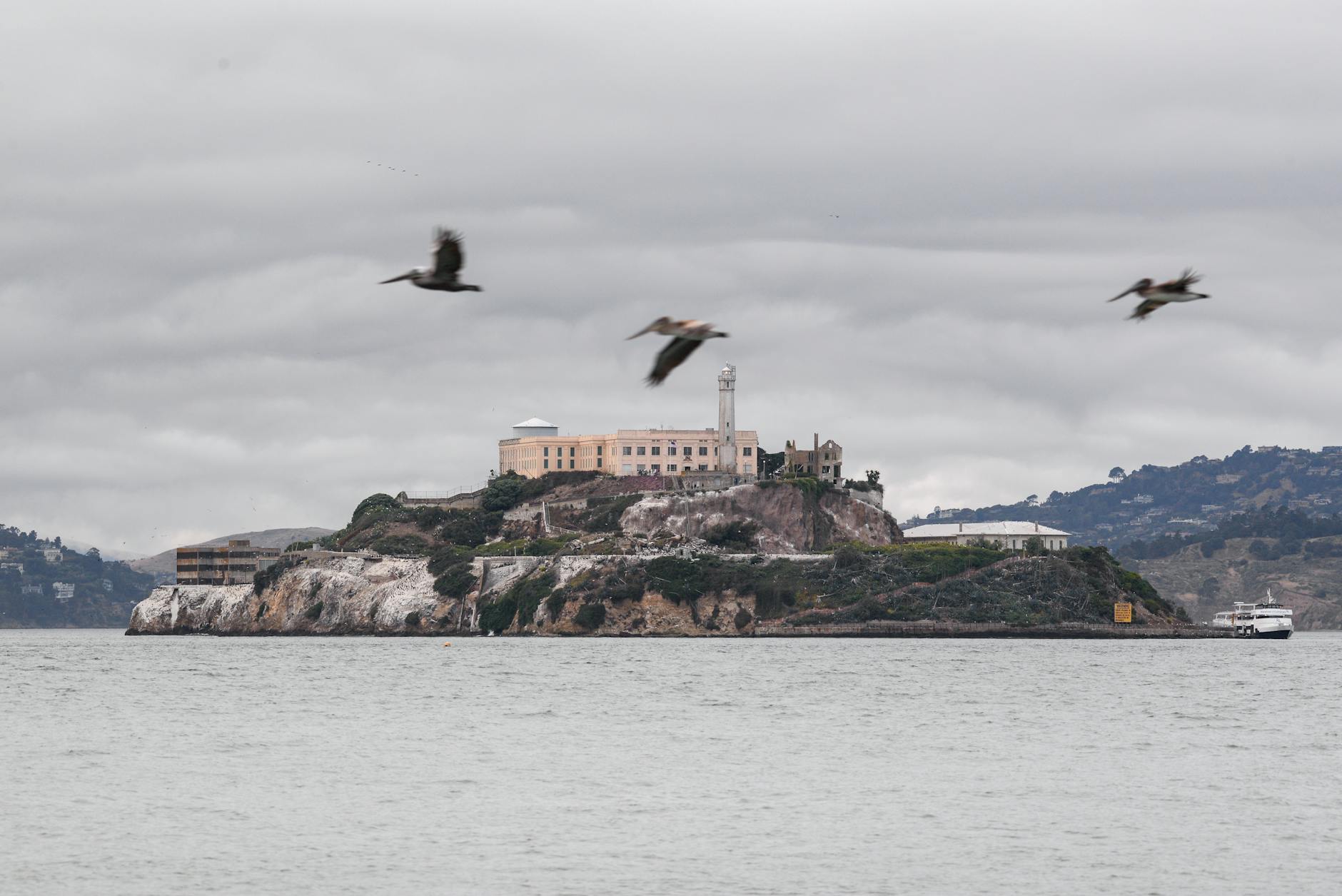
Alcatraz Island, home to the infamous Alcatraz Federal Penitentiary, is widely regarded as one of the most haunted places in the United States. Located in the San Francisco Bay, the prison housed some of the most notorious criminals in American history, including Al Capone, George “Machine Gun” Kelly, and Robert Stroud (the “Birdman of Alcatraz”). The harsh conditions and brutal treatment of inmates led to numerous deaths, including murders, suicides, and unexplained disappearances, fueling the island’s ghostly reputation. One of the most chilling locations is Cell Block D, also known as “The Hole”, where inmates were placed in solitary confinement, often experiencing extreme psychological distress. Some prisoners reported seeing a shadowy figure with glowing eyes, and one inmate allegedly screamed about being attacked by an unseen force—only to be found dead in his cell the next morning. The hospital wing is another hotspot for paranormal activity, with visitors and staff hearing eerie whispers, moaning, and the faint sound of banjo music—said to be played by the ghost of Al Capone himself. Former guards and modern-day visitors have reported phantom footsteps, cold spots, and the sounds of unseen prisoners crying out in despair. The dungeons beneath the prison and the old execution areas are also known for their dark energy and strange occurrences. Today, Alcatraz operates as a national park and tourist attraction, offering historical tours—including nighttime visits that highlight its haunted past. Whether it’s the lingering spirits of tormented prisoners or simply the eerie atmosphere of an abandoned prison, Alcatraz remains a chilling and mysterious destination for those seeking a brush with the supernatural.
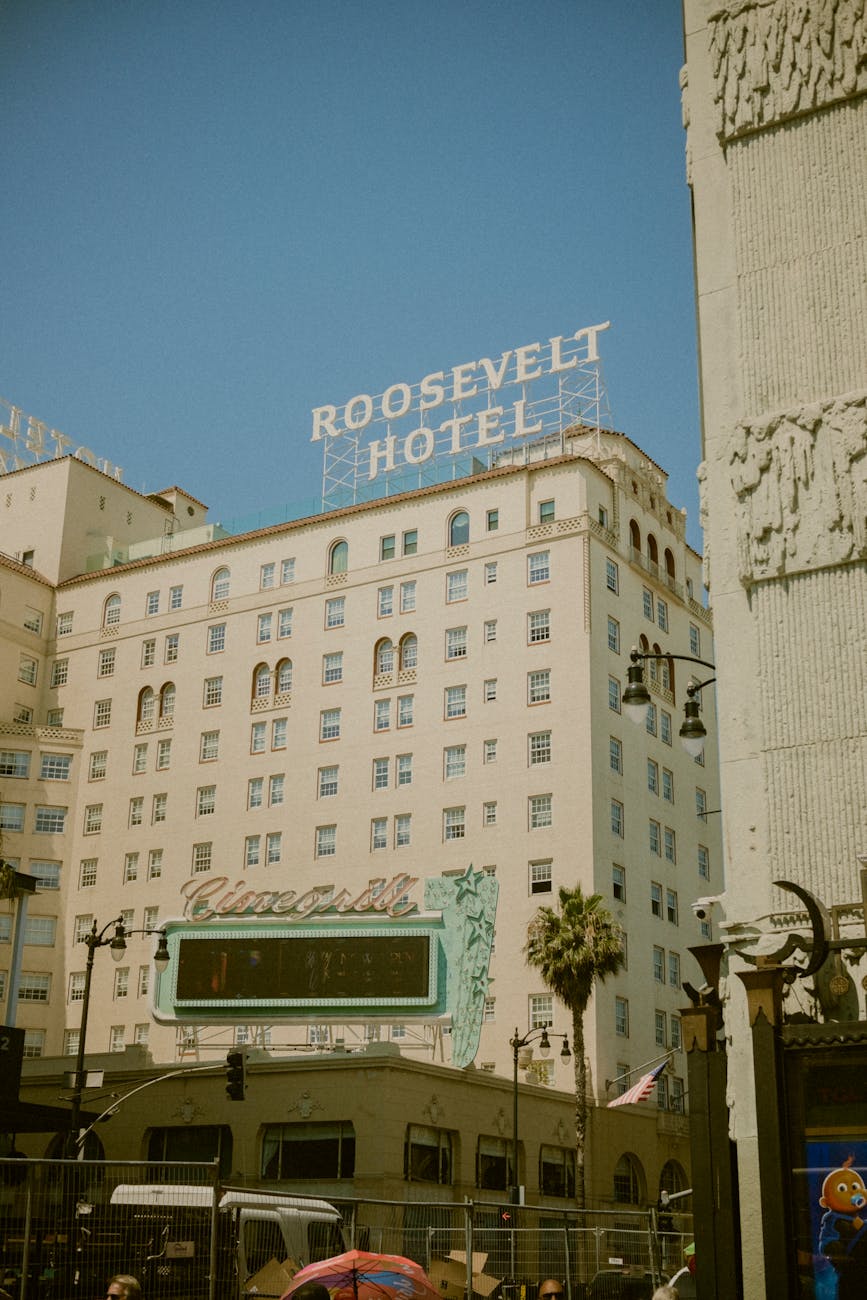
The Hollywood Roosevelt Hotel, one of Los Angeles’ most iconic landmarks, is as famous for its ghostly residents as it is for its rich history. Opened in 1927, the hotel was a hotspot for Hollywood’s Golden Age elite, hosting stars like Marilyn Monroe, Montgomery Clift, and Charlie Chaplin. Many believe some of these legendary figures never truly left. The most well-known ghost is Marilyn Monroe, whose reflection has been seen in the mirror of her old suite, Room 1200. Guests report feeling an eerie presence and seeing glimpses of her spirit near the hotel’s pool, where she often posed for photos. Another frequently encountered ghost is Montgomery Clift, who stayed in Room 928 while filming From Here to Eternity. Visitors report hearing his ghost practicing the trumpet and feeling invisible hands brush against them. The hotel’s Blossom Ballroom, where the first Academy Awards were held, is also rumored to be haunted—witnesses claim to hear disembodied voices and see shadowy figures moving across the stage. Guests and staff have also encountered the spirit of a young girl in a blue dress, believed to be a lost soul wandering the halls. Paranormal investigators have captured cold spots, unexplained knocks, and whispers throughout the building, making it a must-visit for ghost hunters. Today, the Roosevelt remains a luxurious hotel, but its chilling reputation continues to intrigue those fascinated by Hollywood’s haunted history. Whether you’re a skeptic or a believer, staying at the Roosevelt might bring you closer to the ghosts of Tinseltown’s past.
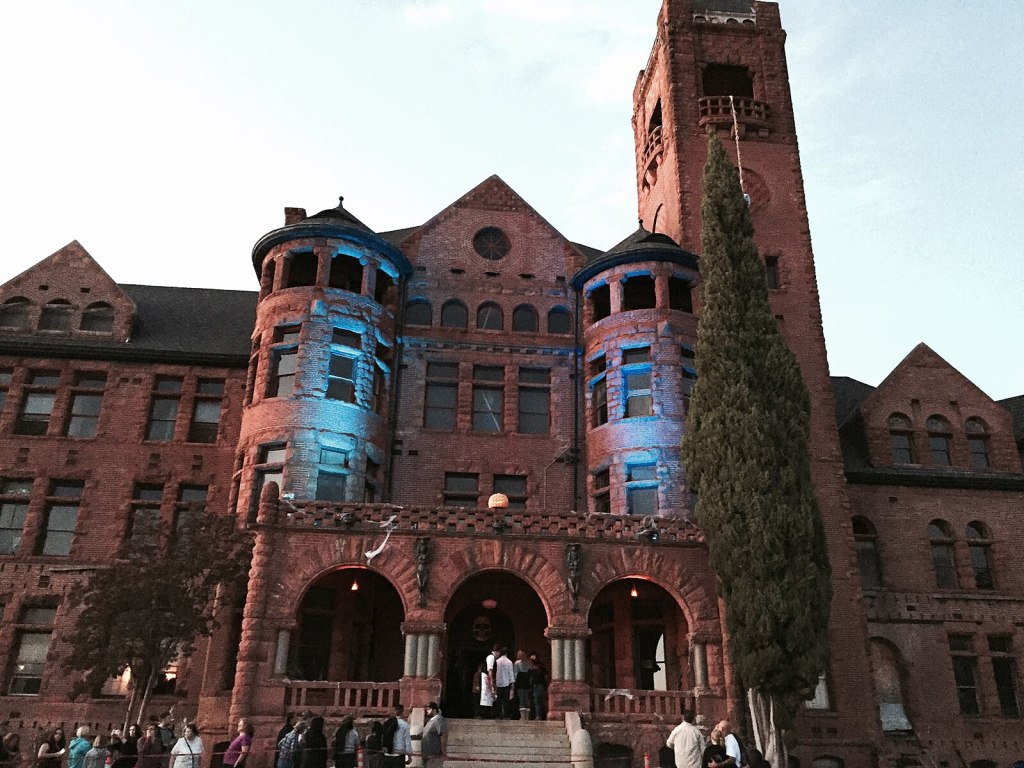
Preston Castle, also known as the Preston School of Industry, is one of the most haunted locations in Ione, California. Opened in 1894, it served as a reform school for troubled boys, some of whom were sent there for minor crimes while others had violent pasts. The facility, which operated until 1960, gained a dark reputation due to reports of abuse, harsh punishments, and mysterious deaths. One of the most famous hauntings is tied to Anna Corbin, a housekeeper who was brutally murdered in the castle in the 1950s. Her spirit is believed to linger, with visitors reporting shadowy figures, cold spots, and eerie whispers in the halls. Former inmates are also said to haunt the site, with unexplained noises, disembodied voices, and doors slamming on their own being frequently reported. The basement and infirmary are especially active, with paranormal investigators capturing strange EVPs (electronic voice phenomena) and ghostly apparitions. Today, Preston Castle is a historic landmark and paranormal hotspot, offering ghost tours and overnight investigations. Whether it’s the restless souls of former inmates or the tragic spirit of Anna Corbin, Preston Castle continues to be a chilling destination for those seeking a true haunted experience.
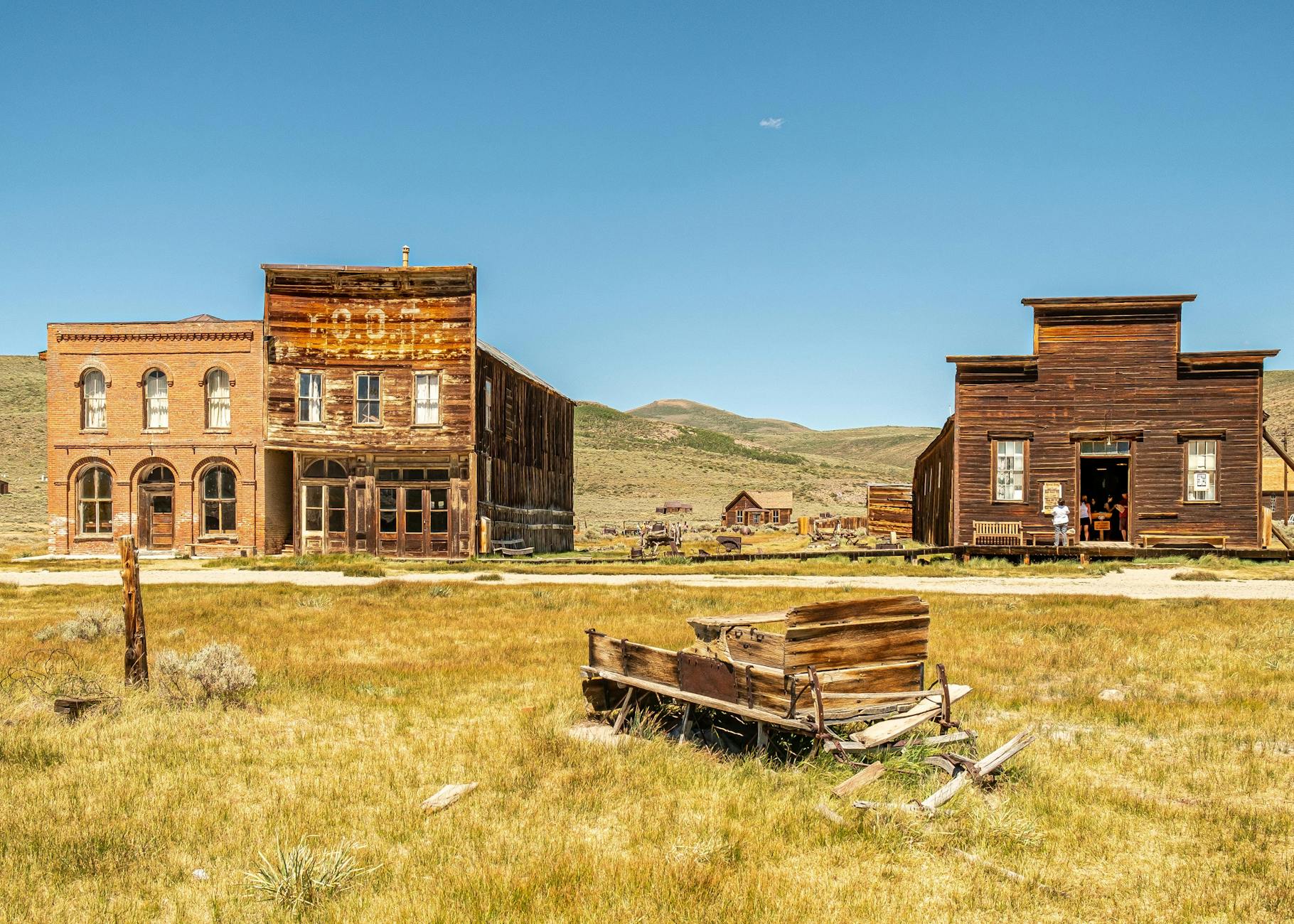
Nestled in the remote Sierra Nevada mountains, Bodie Ghost Town is one of California’s most well-preserved and haunted abandoned settlements. Once a booming Gold Rush town in the late 1800s, Bodie was notorious for its violence, crime, and lawlessness, with shootouts, murders, and mining accidents being a common occurrence. At its peak, it housed over 10,000 residents, but as the gold dried up, the town was slowly abandoned, officially becoming a ghost town by the 1940s. Many believe that the spirits of former residents still linger among the deserted buildings and dusty streets. Visitors and park rangers report eerie experiences, including phantom footsteps, shadowy figures in windows, and disembodied voices calling out in the night. The J.S. Cain House is said to be haunted by the ghost of a woman who appears in a rocking chair, while the Mendocini House has an eerie presence that makes guests feel watched. However, the most infamous supernatural legend tied to Bodie is the Bodie Curse—it is said that taking any artifact or even a small rock from the town brings misfortune, bad luck, and even death, leading many to return stolen items in hopes of lifting the curse. Now part of Bodie State Historic Park, the town is preserved in a state of “arrested decay,” allowing visitors to walk through its eerie remnants and feel the lingering presence of its ghostly past. Whether it’s the spirits of miners, outlaws, or heartbroken souls, Bodie remains one of California’s most chilling and mysterious ghost towns.
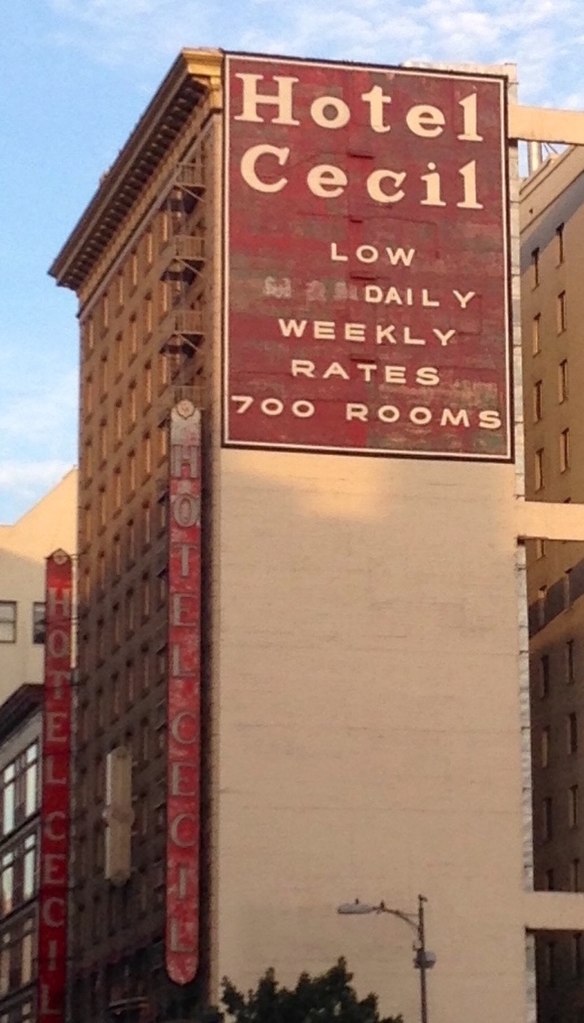
7. The Cecil Hotel (Los Angeles)
Photo by Zheng Zhao at Wikimedia.com
The Cecil Hotel in Los Angeles, California, is one of the most infamous haunted locations in the world, known for its dark history of murders, suicides, and unexplained deaths. Opened in 1924, the hotel was originally intended as a luxury destination, but during the Great Depression, it became a cheap stay for transients and criminals, earning a sinister reputation. Over the decades, the Cecil became the site of numerous tragedies, including at least 16 known deaths. The most famous case is the mysterious death of Elisa Lam in 2013, whose bizarre behavior in elevator footage—before her body was later found in the hotel’s rooftop water tank—sparked conspiracy theories and ghostly speculation. Other infamous guests included serial killers Richard Ramirez (“The Night Stalker”) and Jack Unterweger, who both stayed at the hotel while committing their crimes. Paranormal investigators and visitors report shadowy figures, unexplained whispers, flickering lights, and a heavy, oppressive atmosphere throughout the building. Some claim to have seen the ghosts of former guests wandering the hallways, particularly on the upper floors where many suicides occurred. Due to its dark past, the Cecil Hotel inspired the setting for American Horror Story: Hotel and was the subject of the Netflix documentary Crime Scene: The Vanishing at the Cecil Hotel. Though it has since been rebranded as Stay on Main, its eerie history remains, making it one of the most chilling and haunted locations in California.
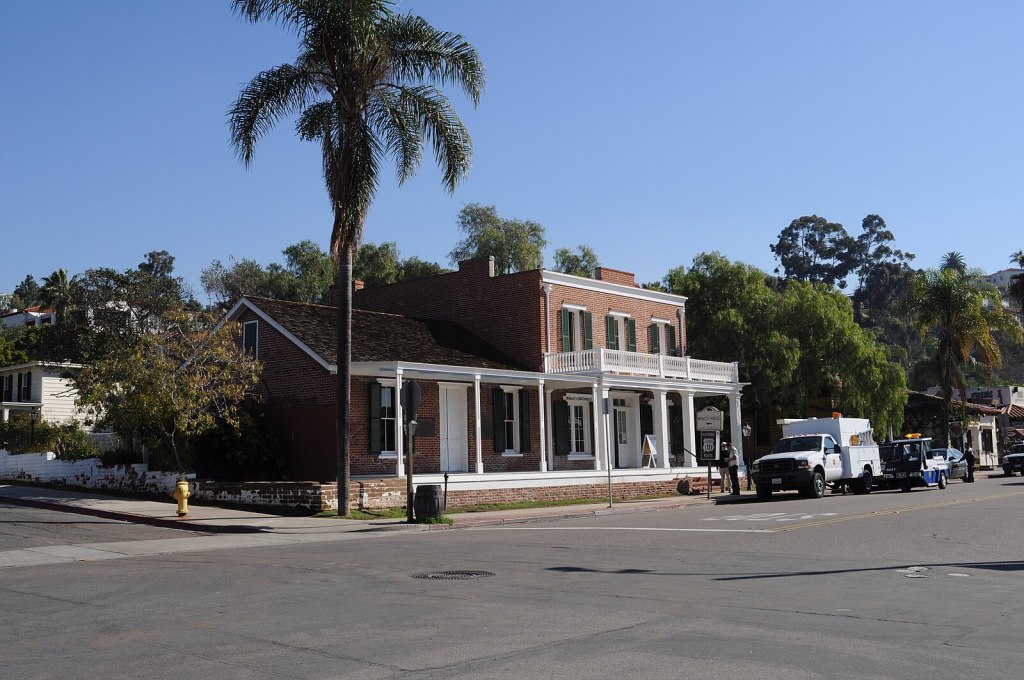
8. The Whaley House (San Diego)
Photo by Joe Mabel from Wikimedia.com
The Whaley House in San Diego, California, is often called one of the most haunted houses in America, steeped in a history of tragedy and supernatural phenomena. Built in 1857 by Thomas Whaley on the site of a former public gallows, the house was witness to several dark events, including the hanging of James “Yankee Jim” Robinson, whose ghost is said to still linger. The Whaley family themselves experienced great misfortune, with the tragic deaths of several family members occurring within the home. Visitors and staff report chilling encounters, such as phantom footsteps, cold spots, and disembodied voices. Many have claimed to see the spirit of Thomas Whaley himself, dressed in period clothing, as well as the ghost of Anna Whaley, who is often seen in the parlor or on the staircase. The smell of cigar smoke and perfume sometimes fills the air without explanation. Other apparitions include a young girl believed to be the spirit of a family friend who died on the property. The Whaley House’s history as both a family home and a courthouse adds to its eerie atmosphere. Today, it operates as a museum, offering daytime tours and nighttime ghost hunts, drawing in paranormal enthusiasts and skeptics alike. Whether it’s the restless spirit of Yankee Jim or the sorrowful souls of the Whaley family, the house remains a chilling reminder of San Diego’s haunted past.
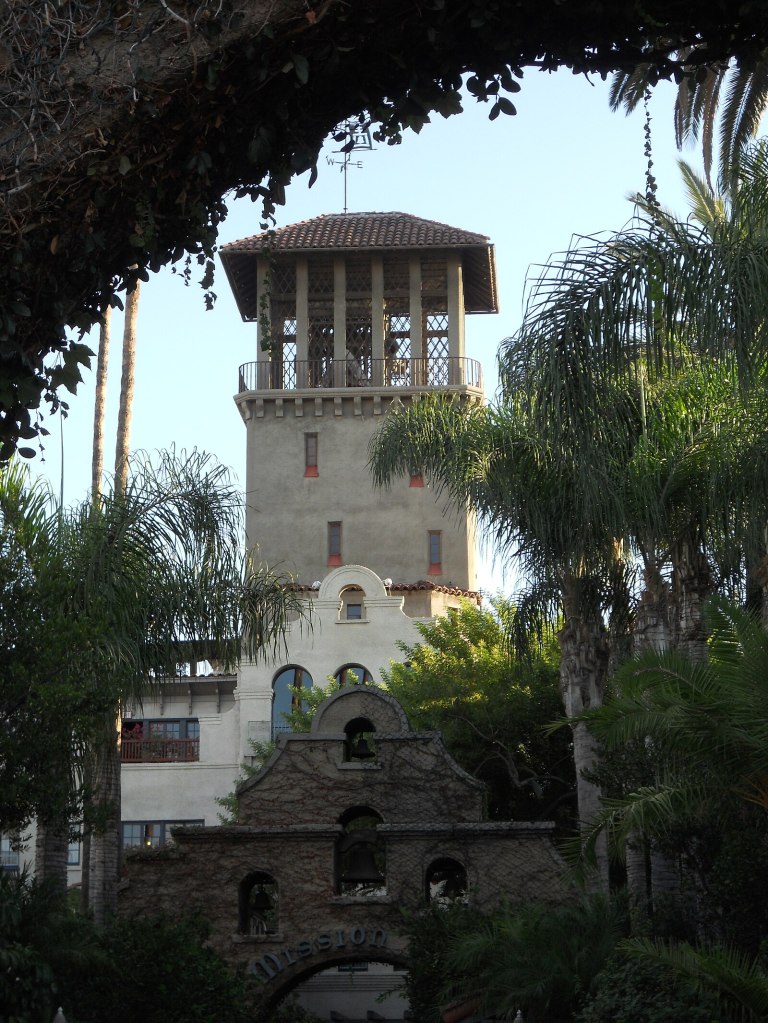
9. The Mission Inn (Riverside)
Photo by 3Kathleen3 from Wikimedia.com
The Mission Inn, located in Riverside, California, is a stunning historic hotel with a dark and mysterious reputation for paranormal activity. Opened in 1903, the sprawling Spanish-style inn has hosted countless celebrities, dignitaries, and even U.S. presidents, but some guests may have never checked out. The hotel is said to be haunted by the spirits of monks, believed to be connected to its catacomb-like underground tunnels and chapel. Visitors have reported seeing shadowy figures in robes, hearing chanting, and experiencing cold spots in the hallways. One of the most famous ghost stories involves the spirit of Frank Miller, the hotel’s eccentric founder, who is said to still roam the property, occasionally appearing to guests. The fourth floor is particularly notorious, with guests experiencing eerie whispers, flickering lights, and even sightings of ghostly apparitions. Some say the antique dolls displayed in the inn move on their own, adding to the unsettling atmosphere. Paranormal investigators have recorded EVPs (electronic voice phenomena) and unexplained anomalies, making the Mission Inn a hotspot for ghost hunters. Whether it’s the lingering spirits of past guests, the restless souls of monks, or the presence of its long-gone owner, the Mission Inn remains one of California’s most haunted hotels, blending historic beauty with an eerie supernatural presence.
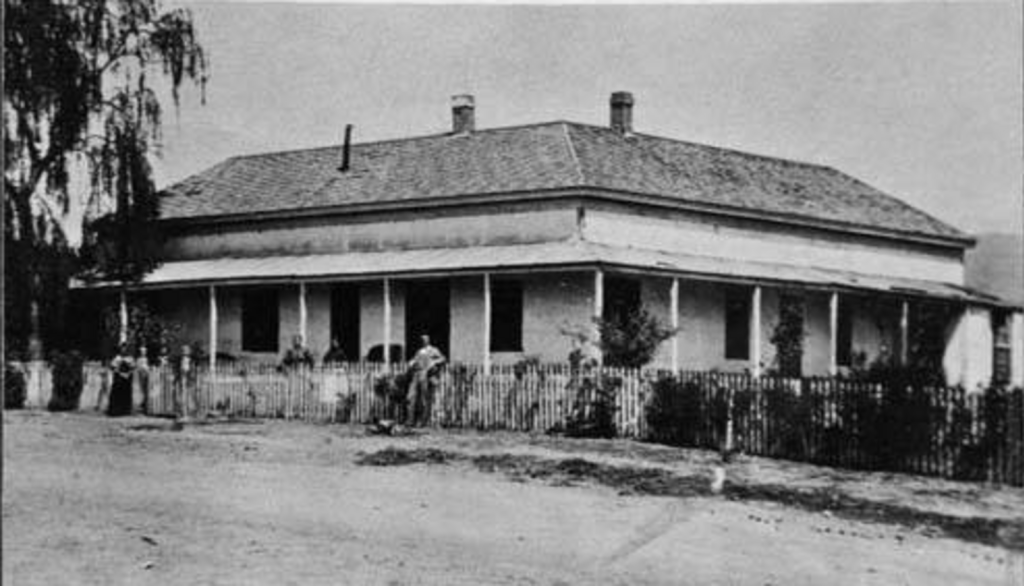
10. Los Coches Adobe (Soledad)
The Los Coches Adobe, located in Soledad, California, is one of the most chilling and lesser-known haunted locations in the state. Originally built in the 1800s, the adobe served as a stagecoach stop, inn, and even a prison, with a history of violence, death, and tragedy. The land itself is believed to be cursed, as it was once the site of murders, suicides, and even a mine collapse that killed numerous workers. Paranormal activity is frequently reported, with visitors and locals describing disembodied whispers, ghostly apparitions, and shadowy figures roaming the abandoned structure. One of the most terrifying legends is the phantom stagecoach, said to appear on foggy nights, its ghostly horses and driver vanishing into thin air. Some claim to hear the cries of former prisoners, their spirits still trapped within the adobe’s crumbling walls. Another eerie presence is that of a mysterious woman in black, often seen wandering the area before disappearing into the night. The site is now mostly abandoned and inaccessible to the public, but thrill-seekers and ghost hunters who have dared to visit report an overwhelming sense of unease, as if unseen eyes are always watching. Whether it’s the tragic history or something truly supernatural, Los Coches Adobe remains one of California’s most unsettling and haunted locations.
Nestled between Whittier and Hacienda Heights, California, Turnbull Canyon is a place steeped in dark legends, paranormal activity, and eerie urban myths. Known for its winding roads, rugged hills, and ominous atmosphere, the canyon has long been rumored to be a hotspot for supernatural occurrences. Stories of satanic rituals, cult activity, Native American curses, and even disappearances have surrounded the area for decades. One of the most persistent legends involves ghostly figures wandering the trails, believed to be the spirits of people who were sacrificed in occult ceremonies. Hikers and late-night visitors have reported hearing disembodied screams, whispers, and footsteps following them, even when no one else is around. Some claim to have seen shadowy apparitions darting through the trees, while others speak of a phantom plane crash—a real event from the 1950s that supposedly left behind restless spirits. Another chilling tale involves the so-called “Gravity Hill,” where parked cars mysteriously roll uphill, defying logic. The canyon is also linked to the infamous “Gates of Hell,” an abandoned asylum or cult compound, depending on the version of the story, where people claim to see ghostly figures and hear unsettling voices. Whether it’s the result of urban legend, historical tragedies, or something truly supernatural, Turnbull Canyon remains one of California’s most notorious and chilling haunted locations, drawing in thrill-seekers, ghost hunters, and skeptics alike.
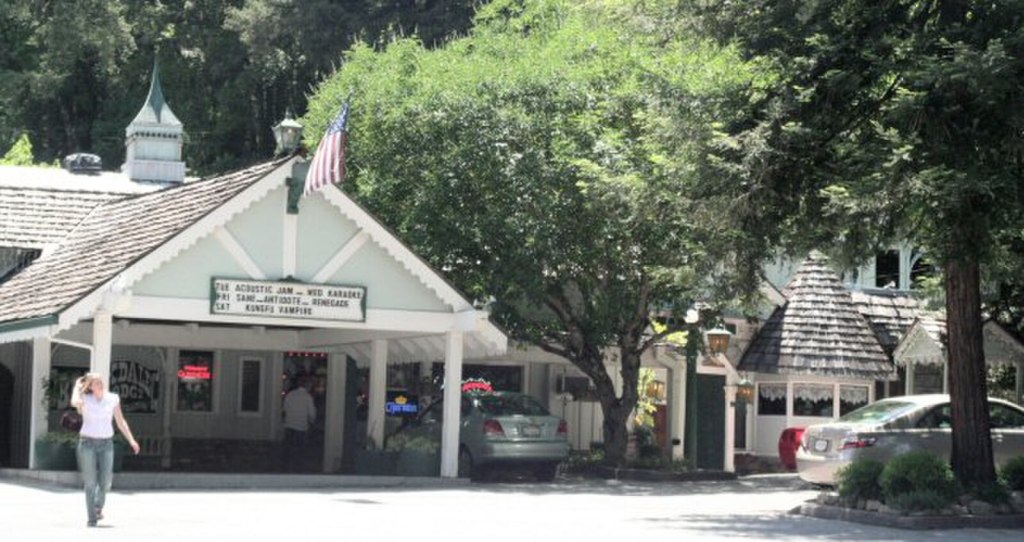
12. The Brookdale Lodge (Brookdale)
Photo by John Pilge from Wikimedia.com
Tucked away in the Santa Cruz Mountains, the Brookdale Lodge is one of California’s most haunted hotels, known for its eerie atmosphere, tragic history, and ghostly encounters. Originally built in 1870, the lodge became a popular retreat for Hollywood celebrities, politicians, and even mobsters during its heyday. However, beneath its charming, rustic exterior lies a dark past filled with mysterious deaths and reported hauntings. The most famous spirit said to linger is that of Sarah Logan, a young girl who is believed to have drowned in the Brook Room’s indoor creek, a unique feature that runs through the lodge’s restaurant. Guests and staff report seeing Sarah’s ghost playing near the water, laughing, or calling out before vanishing into thin air. Other paranormal activity includes disembodied whispers, phantom footsteps, and shadowy figures wandering the halls. Some say they’ve encountered the spirits of former gangsters and prohibition-era bootleggers, whose violent pasts may still linger within the walls. The secret tunnels beneath the lodge, once used for smuggling alcohol during Prohibition, add another layer of mystery, as ghostly voices and cold drafts are often felt in the underground passages. Today, the lodge remains a popular stop for paranormal investigators and those seeking a brush with the supernatural. Whether it’s Sarah’s playful spirit, lingering remnants of the past, or something more sinister, Brookdale Lodge continues to be one of California’s most intriguing haunted locations.
13. The Graffiti House (Mojave Desert)
Deep in the Mojave Desert, hidden among the desolate landscape, lies the eerie and mysterious Graffiti House—an abandoned structure covered in cryptic writings, strange symbols, and unsettling messages left behind by unknown visitors. While little is officially documented about its history, the Graffiti House has become a hotspot for urban legends, paranormal encounters, and unexplained phenomena. Some believe the house was once a meeting place for occult rituals, while others claim it was a hideout for criminals or drifters who left behind more than just their graffiti. Paranormal investigators and thrill-seekers who have dared to explore the site report strange noises, shadowy figures, and an overwhelming sense of dread upon entering. Visitors have described seeing flickering lights, hearing whispers in empty rooms, and even feeling unseen hands touch them. Some believe the Graffiti House is a portal for dark energy, with many experiencing disturbing visions or feeling suddenly ill while inside. Others have captured chilling EVPs (electronic voice phenomena), with voices seeming to warn people to leave. Though its origins remain unclear, the eerie artwork covering its walls only adds to the sense of unease, making it one of the Mojave’s most notorious and haunted locations. Whether it’s the lingering spirits of past inhabitants, the result of dark rituals, or just the power of suggestion, those who visit the Graffiti House often leave with a story they can’t explain—and many refuse to return.
California is home to some of the most chilling and mysterious haunted locations in the country, each with its own dark history and spine-tingling tales. From abandoned ghost towns and infamous hotels to eerie canyons and cursed mansions, these places continue to draw ghost hunters, thrill-seekers, and skeptics alike. Whether you believe in the paranormal or simply enjoy a good ghost story, visiting these haunted spots is sure to leave you with an unforgettable experience. Are you brave enough to explore California’s most haunted places, or will you leave the spirits undisturbed?
Ghost Stories (2017) is a chilling British horror anthology that blends psychological and supernatural terror into a suspenseful, twist-laden film. Directed by Jeremy Dyson and Andy Nyman, the film follows Professor Philip Goodman, a skeptical investigator of paranormal claims, as he examines three disturbing cases that challenge his beliefs. With its eerie atmosphere, unsettling storytelling, and strong performances, Ghost Stories aims to pay homage to classic horror anthologies while offering a fresh take on the genre.
Let me be upfront by saying I am a huge fan of horror movie anthologies—I seem to enjoy them even when they aren’t particularly well-made. There’s something about the structure of interconnected, bite-sized tales of terror that I find irresistible. However, that doesn’t mean I can’t recognize when an anthology falls flat or fails to deliver a satisfying experience. Some rely too heavily on jump scares, while others struggle with pacing or weak wraparound stories. So where does Ghost Stories rank among its peers? Does it deliver a hauntingly memorable experience, or is it just another forgettable entry in the genre? Let’s take a closer look.
Horror Elements
At the beginning of the movie, the true antagonist isn’t immediately clear, as the film presents itself as a straightforward supernatural investigation. Initially, the cases Professor Philip Goodman examines seem to suggest that the ghosts and demons haunting the victims are the primary sources of terror. However, as the film progresses, it becomes evident that the real antagonist is something far more psychological—Goodman himself. His deep-seated guilt and suppressed trauma manifest through the terrifying stories he encounters, leading to a shocking revelation that reframes the entire narrative. The sinister force at play isn’t just the supernatural but the haunting nature of Goodman’s own mind, making Ghost Stories as much a psychological thriller as it is a horror film. Honestly, I went into this movie not knowing this (the trailer doesn’t give too much away), so I initially thought this was just going to be another supernatural-scares sort of film. This made the psychological twist so much more powerful at the end.
Professor Philip Goodman is a highly believable protagonist in Ghost Stories (2017), thanks to both strong writing and Andy Nyman’s nuanced performance. As a skeptic and debunker of the paranormal, Goodman is grounded in logic and reason, making his descent into fear and uncertainty all the more compelling. His reactions to the eerie events he investigates feel natural—initially dismissive, then subtly unnerved, and eventually completely unraveled. Unlike many horror protagonists who make irrational decisions for the sake of scares, Goodman approaches each case methodically, making his transformation into a man questioning his own reality all the more effective. This slow suspenseful build only adds to the horror. His backstory, which is gradually revealed, adds layers to his character, making him not just a vessel for the audience but a deeply flawed and human figure whose fears are far more psychological than supernatural.
In addition to having a believable protagonist, I also felt as though the different characters’ reactions were uniquely portrayed by their character and realistic. With the first case to be examined, that of Tony Matthews, his reaction to the supernatural events reflects what his character would actually do: turn on a happy song up loud, call his co-worker for comfort, pick up a hammer (weapon), and call out a threat to whatever is out in the darkness tormenting him. Simon Rifkind, the second case study, reacts in a similar fashion in that he attempts to grab a weapon (a rolled up map is better than nothing). Instead of going into “fight mode” as Matthews did, he instead chooses to run from the car when the monster enters it. Considering how fragile his character seems, this fits what he’d actually do quite well. Finally, Mike Priddle, the 3rd and final character, reacts differently as well. Being an intelligent business man, he approaches paranormal events with a logical approach. For example, when the baby diapers fly across the floor in the nursery, he checks all the windows for a potential draft. Again, it fits his character and I appreciate these subtle differences immensely.
Movie Elements
While many anthologies rely on disconnected short tales with a simple wraparound narrative, Ghost Stories cleverly weaves its segments into a larger, more cohesive mystery that builds toward an unexpected and deeply unsettling conclusion. Additionally, its willingness to subvert expectations—particularly in how it recontextualizes its supernatural elements—adds a layer of depth rarely seen in traditional anthology horror. Rather than just telling scary stories, the film ultimately explores the nature of fear, guilt, and the fragile state of the human mind, making it a refreshingly original entry in the genre.
The pacing of Ghost Stories is deliberate, gradually building tension rather than relying on constant scares or action. The film takes its time establishing atmosphere and character, particularly through Professor Philip Goodman’s methodical investigations. Each of the three cases unfolds with a slow, creeping dread, allowing the horror to simmer rather than explode all at once. While this approach effectively heightens suspense, some viewers may find the film’s measured pace a bit too restrained, especially in the first half. However, the steady buildup pays off in the final act, where the narrative accelerates into a surreal, mind-bending climax. The film’s pacing ultimately mirrors its psychological themes—drawing the audience deeper into Goodman’s unraveling reality—making for an experience that is unsettling, if at times intentionally slow-burning.
Acting is one of the film’s strongest aspects, with each performance adding depth and authenticity to the film’s eerie atmosphere. Andy Nyman delivers a compelling lead performance as Professor Philip Goodman, perfectly capturing his character’s skepticism, growing unease, and eventual unraveling. Paul Whitehouse, Alex Lawther, and Martin Freeman each bring something unique to their respective segments.
Whitehouse portrays a working-class man haunted by a tragic encounter with raw realism. In fact ,as I was watching his story unfold, I couldn’t help but be reminded of someone I knew exactly like him that I worked with many years back. Specifically, when the spooky stuff starts to happen to him during his night shift, he kind of blows it off at first, something I felt to be very much, Lawther’s performance as a deeply disturbed teenager is intensely unsettling, and Freeman adds a charismatic yet chilling presence that lingers long after his scenes. The cast’s commitment to their roles makes the supernatural elements feel all the more believable, elevating Ghost Stories beyond a typical horror anthology into something far more psychological and immersive.
Cinematography was yet another aspect of the film that was done well. The camera often lingers on empty spaces, creating a sense of unease and suggesting the presence of something unseen. The use of dim lighting and shadowy compositions heightens the feeling of claustrophobia and uncertainty, with scenes that seem to be on the edge of revealing something terrifying, but never fully expose it until the right moment. The framing is precise, often focusing on the protagonist’s reactions or the subtle movement in the background, adding to the unease. Particularly effective are the moments when the camera holds on still shots, allowing the audience to linger in the discomfort of a scene, with every shadow or flicker of light amplifying the growing sense of dread. One specific example of this is during a scene with the character Tony Matthews. After exploring the far end of the basement level of his building and discovering nothing amiss, he tries to calm his nerves by smoking a cigarette. In the background, the audience can see the lights in the hallway behind him turn off one by one; this was incredibly effective.
Conclusion
Overall, Ghost Stories is a meticulously crafted horror anthology that blends supernatural chills with psychological depth, offering a uniquely unsettling experience. With strong performances, a slow-burning but effective pace, and masterful use of cinematography and sound design, the film builds an eerie, immersive atmosphere that almost requires a second viewing. While its deliberate pacing and layered storytelling may not appeal to all horror fans, those who appreciate psychological horror and well-executed suspense will find plenty to admire. As I’ve mentioned in other articles, I have ADHD. With this in mind, when I say that this movie captured my full interest, it means it was extremely interesting. I like to take notes during both my viewings of the movies I review, and with this one I actually had to pause it so I could jot stuff down as I didn’t want to miss a single second. More than just a collection of ghostly encounters, Ghost Stories is a chilling exploration of guilt, fear, and the blurred lines between reality and the mind’s darkest corners.
Final Scare Me Please Score: Coma from hell, out of 100
Have you watched this movie? What did you think of it? Did you guess the ending? Which was the scariest story to you? Anything we missed? Have an idea for what we should watch next? Drop a comment below to let us know!
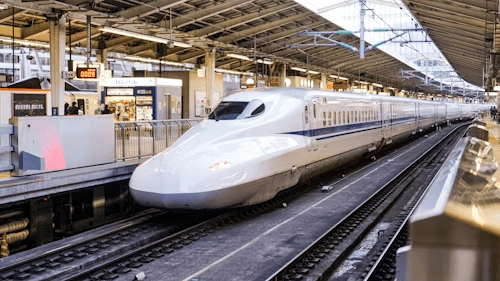
The origin of Teke Teke is a chilling urban legend from Japan that has captivated imaginations for generations. It draws inspiration from various cultural elements, including the country’s modernization and the development of its extensive railway system, including the bullet train.
One interpretation of the legend suggests that the character’s appearance and haunting nature are symbolic of the dangers associated with Japan’s rapidly advancing industrialization and urbanization, particularly during the post-war period when the country experienced significant economic groth and infrastructural development, including the introduction of high-speed bullet trains.
During the early days of the bullet train, officially known as the Shinkansen in Japan, there were several notable accidents that highlighted the risks associated with high-speed rail travel and the challenges of implementing such advanced transportation technology. One of the earliest and most significant accidents occurred on June 15, 1964, just nine days before the opening of the first Shinkansen line between Tokyo and Shin-Osaka. During a test run near Sakurazaka Station in Fukushima Prefecture, the newly built Hikari Express collided with a freight train that had mistakenly entered the same track. The collision resulted in the derailment of the Hikari Express and the death of the train conducter and a technician. This incident underscored the importance of rigorous safety protocols and thorough testing before the Shinkansen’s official launch.
Another notable accident took place on August 20, 1987, when the Akatsuki Shinkansen derailed near Maibara Station in Shiga Prefecture. The derailment was caused by a crack in the train’s wheel axle, resulting in seven fatalities and over 200 injuries. This incident prompted extensive safety inspections and upgrades to the Shinkasen fleet to prevent similar accidents in the future.
These accidents, among others, led to significant improvements in safety measures, infrastructure, and technology within Japan’s high-speed rail network. Today, the Shinkansen is recognized as one of the safest and most efficient railway systems in the world, with a remarkable safety record and millions of passengers traveling on its trains every year. However, the early days of the bullet train serve as a reminder of the challenges and risks involved in pioneering new transportation technologies.
The legend of Teke Teke embodies fears and anxieties related to the rapid pace of modernization and the potential dangers it brings, such as accidents and tragedies involving trains and railway tracks. The image of a young woman tragically severed by a speeding train resonates with the inherent risks associated with Japan’s bustling transportation networks, including the bullet train, which is known for its high speeds and efficiency.
Furthermore, the sound she makes as she drags herself along the ground, often described as “teke teke”, may evoke the sound of a train speeding along the tracks, further linking her to the railway system and the dangers it poses. In this way, the influence of the bullet train on the Teke Teke legend underscores the intersection of folklore, cultural anxieties, and technological progress in Japan’s modern society, creating a haunting narrative that continues to serve as a cautionary tale about the perils of progress.
According to the legend, Teke Teke is the vengeful spirit of a young woman who met a tragic fate on the train tracks. There are variations of the story, but the most common one tells of a girl who was either pushed onto the tracks or accidentally fell while running away from an attacker. In one story, it was during cicada season, and a group of bully classmates put an insenct on a girls shoulder, causing her to jump backwards into an on-coming train. Afterwards, the students all went home and pretended she’d just jumped herself.
A second popular variation involves a sexual assault which leaves her (sometimes referred to as Kashima Reiko) unconcious upon the train tracks. Eventually a bullet train comes along cutting her in half, but it was such a cold evening, she remains alive and is able to crawl quite a ways before finally passing away. In either case, she was severed in half by the speeding train, leaving her with only her upper body remaining.
In some versions of the legend, Teke Teke is said to roam the streets at night, dragging her upper body along with her hands or elbows, making a distinctive “teke teke” sound as she moves. It is said that if she catches you, she will slice you in half with a scythe or other sharp object (sometimes even long claws), mirroring her own gruesome demise. Others claim that she may appear to individuals who have witnessed her tragedy or have been disrespectful to the dead, haunting them until they meet a similar fate. In one version, she will ask the question, “Where is my body?” or “Where are my legs?”. The answer to this is Meishin Expressway and if answered incorrectly, she’ll attack.
Teke Teke has become a popular figure in Japanese horror culture, inspiring numerous urban legends, stories, manga, literature, movies and even a couple video games. Despite it’s relatively recent origins, the legend has undoubtedly influenced Japanese horror cinema and storytelling, contributing to the broader landscape. Her tale serves as a cautionary reminder of the dangers of wandering alone at night and the consequences of violence and cruelty. Whether she is a figment of the imagination or a restless spirit seeking revenge, Teke Teke continues to haunt the dark corners of Japanese folklore, sending shivers down the spines of those who dare to listen to her tale.
Below I’ve included some links if you’re interested in exploring Teke Teke a bit further:









 Scare Me Please