The Cleaning Lady Review

Introduction

Directed by Jon Knautz, “The Cleaning Lady” opens with a deeply disturbing sequence that sets the tone for the film’s exploration of obsession and trauma.  What might this introductory sequence be?  In simple terms:  rat smoothie.  Yes, you read that correctly and let me just say I’ve had a multitude of ratties as pets over the years which made the opening scene quite upsetting.  This psychological horror movie centers on Alice, a woman trying to simplify her life and overcome an affair by befriending her cleaning lady, Shelly. However, as their friendship deepens, Alice discovers that Shelly harbors dark secrets and a twisted past which tries to justify the “rat smoothie” the viewer is forced to endure within the first 5 minutes of the movie. The director attempts to intertwine themes of loneliness, manipulation, and the haunting impact of past traumas in a way that scares the audience; let’s take a deeper look at whether or not this was accomplished.

Horror Elements

“The Cleaning Lady” introduces audiences to a unique and haunting antagonist in the form of Shelly, portrayed with unsettling intensity by Rachel Alig. Unlike typical horror villains, Shelly’s menace is rooted in her tragic and twisted past, which has left her physically and emotionally scarred. Her outward appearance, marred by severe burns, masks an even more disturbing inner darkness. Shelly’s actions are driven by a complex mix of envy, obsession, and a desperate longing for connection, making her both sympathetic and terrifying. Her meticulous and calculated manipulation of Alice reveals a deeply disturbed mind, capable of orchestrating chilling acts of psychological and physical torment. Shelly’s character stands out in the horror genre for her layered backstory and the profound sense of unease she evokes, making her a memorable and uniquely horrifying antagonist.

The story’s core elements—loneliness, obsession, and the lingering effects of trauma—are deeply rooted in real human experiences, making the characters’ actions and motivations chillingly believable. Shelly’s physical scars and emotional wounds reflect a realistic portrayal of how past abuse and neglect can shape one’s psyche, driving her to extreme and terrifying behaviors. The film’s setting, primarily within the confines of ordinary, everyday spaces like Alice’s home, enhances the sense of realism by juxtaposing the familiar with the sinister. This grounded approach to horror makes the unfolding events feel plausible and immediate, intensifying the audience’s emotional response.

Shelly, the unsettling antagonist of “The Cleaning Lady,” has a backstory steeped in trauma and tragedy, which profoundly shapes her disturbing behavior. Born into an abusive household, Shelly endured unimaginable suffering at the hands of her mother, who inflicted severe burns on her as a form of punishment. These physical scars are a constant reminder of her painful past, but it is the emotional scars that drive her actions. Isolated and tormented, Shelly’s psyche becomes twisted, leading her to develop an obsession with cleanliness as a way to control her chaotic life. Her need for connection and acceptance manifests in a dangerous fixation on Alice, a woman she cleans for, whom she perceives as perfect and unattainable. Shelly’s tragic past and the abuse she suffered create a complex and sympathetic villain, whose actions, while horrifying, are rooted in a desperate longing for the love and normalcy she never experienced. 

Suspense is mostly accomplished via the growing bond between Alice and Shelly.  This relationship  is laced with an ever-present sense of dread, as Shelly’s true nature and intentions slowly come to light. The suspense is heightened by the claustrophobic setting, primarily confined to Alice’s home, which transforms from a safe haven into a prison of psychological torment. Director Jon Knautz uses tight, intimate shots and a haunting score to amplify the feeling of unease, drawing the audience deeper into the twisted dynamics between the characters. As the film progresses, the suspense intensifies, culminating in a series of shocking and unpredictable twists that leave viewers both horrified and enthralled. 

The sound design meticulously uses subtle, everyday noises—such as the scraping of a cleaning brush, the clinking of glass, and the hum of household appliances—to create an eerie sense of normalcy twisted into something sinister. The soundtrack’s sparse, haunting melodies punctuate moments of quiet tension, building an almost unbearable suspense as Shelly’s dark past and intentions are gradually revealed.  Alice, the protagonist of “The Cleaning Lady,” is portrayed with a level of complexity and realism that makes her a believable and relatable character. As a woman struggling with personal demons, including an extramarital affair and a sense of emptiness, Alice’s vulnerability and attempts at self-improvement are convincingly depicted. Her decision to befriend Shelly, driven by a mix of compassion and a desire for distraction from her own problems, feels authentic and grounded in her character’s emotional state.

Alice’s gradual realization of Shelly’s dark side and her increasing entanglement in Shelly’s disturbing world are portrayed with a genuine sense of fear and desperation. Her reactions to the escalating horror are realistic, reflecting a blend of disbelief, horror, and survival instinct that resonates with the audience. Despite some moments that may require a slight suspension of disbelief, such as her continued interactions with Shelly despite growing red flags, Alice’s journey is overall compelling and believable. Her character’s depth and relatability add to the film’s psychological tension, making the unfolding events all the more gripping and horrifying.

Movie Elements

“The Cleaning Lady” brings a fresh perspective to the horror genre by intertwining themes of psychological trauma, obsession, and the quest for human connection in a unique and unsettling narrative. Unlike conventional horror films that rely heavily on supernatural elements or overt gore, this movie focuses on the chilling dynamics between its characters and the horrors rooted in real human experiences. Shelly, as the antagonist, stands out with her tragic backstory and complex motivations, offering a villain who evokes both fear and a degree of sympathy.

The film’s setting—a seemingly ordinary home that becomes a site of psychological and physical terror—adds to its originality. The use of everyday objects and routines, like cleaning, to build suspense and horror is both innovative and deeply unnerving. This approach not only subverts common horror tropes but also makes the terror feel more immediate and relatable.  Additionally, “The Cleaning Lady” explores the intricate psychological interplay between its characters, particularly the twisted bond between Alice and Shelly. This focus on character-driven horror, combined with the film’s disturbing yet plausible scenarios, sets it apart in the genre, making it a standout for its originality and depth. 

 While “The Cleaning Lady” succeeds in creating a disturbing atmosphere and intriguing characters, its pacing is a notable drawback. The film starts with a strong, eerie introduction but soon lapses into a slow buildup that may test the patience of some viewers. Key plot developments unfold at a sluggish pace, and the tension that is carefully built often dissipates due to lengthy, drawn-out scenes that could have been more tightly edited.  The middle portion of the film, in particular, suffers from this slow pacing, as it delves deeply into character interactions and backstory without advancing the plot significantly. This can lead to a sense of stagnation, where the initial suspense wanes and the audience is left waiting for the next significant event. While the detailed exploration of characters is commendable, the film occasionally prioritizes this over maintaining a consistent sense of urgency and suspense.  The pacing issues become more pronounced when the story finally shifts gears towards the climax. The sudden acceleration of events can feel jarring, contrasting sharply with the earlier, more leisurely pace. This uneven pacing detracts from the overall tension and makes the climax feel somewhat rushed and less impactful.  Overall, while “The Cleaning Lady” excels in atmosphere and character development, its poor pacing hampers the film’s ability to sustain suspense and fully engage the audience throughout its runtime.

Rachel Alig, as Shelly, is particularly effective in her role, bringing a chilling intensity to her character. Alig’s performance captures the duality of Shelly’s personality—her outward appearance as a quiet, unassuming cleaning lady and her hidden, deeply disturbed nature. The subtlety with which Alig portrays Shelly’s growing obsession and manipulative tendencies adds to the film’s unsettling atmosphere, making her a compelling and memorable antagonist.  The supporting cast also contributes to the film’s overall impact, with each actor enhancing the story’s tension and emotional depth. The interactions between the characters feel organic, and the chemistry between Kendra and Alig is especially noteworthy, driving the narrative forward and heightening the psychological stakes.

Conclusion

In conclusion, “The Cleaning Lady” ultimately falls short of its potential, hindered by its uneven pacing and lackluster plot development. While the performances by Alexis Kendra and Rachel Alig are commendable, they cannot fully compensate for the film’s drawn-out middle act and predictable storyline. The movie’s attempts at building suspense often feel forced, and the reliance on familiar horror tropes detracts from any sense of originality. Despite a few genuinely unsettling moments, “The Cleaning Lady” fails to maintain a consistent level of tension or deliver a truly compelling horror experience, leaving viewers more frustrated than frightened.  

Final Scare Me Please Score: “Rat smoothie” should not be a thing, out of 100

Link To Official Trailer

Have you watched this movie? Did you dislike it as much as we did?  Drop a comment below to let us know!

The Collector

Introduction

Allow me to begin this review by putting you into the opening scene of the movie:  

You arrive home after a fun night on the town.  It’s late, you’ve had too much to drink, and you’re thankful to have made it home safely.  You reach for the light switch and flip it on, but nothing happens.  Thinking the power must be out, you decide to just stumble around in the dark instead of attempting to locate the fuse box.  Thankfully there’s enough moonlight shining through the windows to be able to see without tripping over anything.  After you finally make it to the bedroom, you stop dead in your tracks as you notice something is there that shouldn’t be:  a large, antique wooden box is sitting in the middle of your room.  You’ve never seen it before, but before your mind has time to process its presence, the box begins to rattle as though someone is inside.  

What a creepy, attention-grabbing opening.  “The Collector,” directed by Marcus Dunstan, plunges audiences into a nightmarish scenario of survival and terror. This slasher/body horror film follows Arkin, a desperate handyman who plans to rob a wealthy family’s home, only to find himself trapped inside with a sadistic killer who has rigged the house with deadly traps. Combining elements of home invasion, psychological horror, and slasher grotesqueness,  “The Collector” delivers a relentless and suspenseful experience, leaving viewers on edge from start to finish. With its intense atmosphere, inventive traps, and a chilling antagonist, the film promises a gripping and harrowing journey into the dark recesses of human cruelty and desperation.

Horror Elements

The true standout of “The Collector” is its unique antagonist, a meticulously cunning and sadistic figure known only as “The Collector.” Unlike typical horror villains, The Collector isn’t motivated by vengeance or supernatural forces; his drive is pure malevolence and an unsettling fascination with his victims’ suffering. He meticulously plans his captures, turning homes into macabre death traps that showcase his twisted ingenuity. With his eerie mask and calculated demeanor, The Collector is a master of psychological manipulation, instilling dread through his omnipresence and unpredictability. This villain’s methodical cruelty and unrelenting pursuit of his prey elevate the film’s terror, making him a memorable and chilling figure in the horror genre.

Despite its gripping premise, “The Collector” stretches the boundaries of plausibility, veering into unrealistic territory at times. The elaborate traps, while ingeniously designed, often feel too complex and intricate to be set up in the limited time frame suggested by the film. The antagonist’s ability to orchestrate such a meticulously detailed and deadly environment without detection strains credibility, especially considering the physical and logistical challenges involved. Additionally, the resilience of the characters, particularly their ability to endure extreme physical trauma and continue fighting, can come across as exaggerated and far-fetched. These elements, while contributing to the film’s tension and entertainment value, require a significant suspension of disbelief, reminding viewers that they are watching a carefully crafted piece of fiction rather than a scenario grounded in reality.

Suspense is the driving force behind “The Collector,” gripping the audience from the very first scene and never letting go. The film masterfully builds tension through a combination of claustrophobic settings, unpredictable traps, and the ever-present threat of the antagonist. Each moment is fraught with danger, as Arkin navigates the booby-trapped house, with every step potentially triggering a deadly mechanism. The cat-and-mouse dynamic between Arkin and The Collector heightens the suspense, as viewers are constantly left guessing about who will gain the upper hand. The film’s pacing is relentless, with each narrow escape and close call amplifying the sense of impending doom. 

“The Collector” tantalizes viewers with glimpses of the antagonist’s enigmatic backstory, adding layers of intrigue to his character. While much about The Collector remains shrouded in mystery, these hints suggest a dark and twisted past that shaped his sadistic tendencies. The lack of a fully fleshed-out backstory for The Collector serves to enhance his menacing presence, making him an even more unpredictable and terrifying figure. By leaving much of his history to the imagination, the film allows the audience to fill in the gaps with their own fears, deepening the psychological impact of the character and heightening the overall sense of dread.  A little backstory is given at the very end of the film, but not enough to allow any of the built-up dread to evaporate.  

Audio cues play a crucial role in amplifying the tension and fear in “The Collector.” The film utilizes a carefully crafted sound design to heighten the sense of impending danger and to keep viewers on edge. Sudden, jarring noises accompany the triggering of traps and make each encounter even more shocking. The soundtrack features a mix of eerie, unsettling music and stark silences, creating a palpable sense of dread and anticipation. Ambient sounds, such as the creaking of floorboards or the subtle clicking of a timer, are used to great effect, immersing the audience in the film’s perilous environment.  To hear a soft music box-type jingle, followed by electronica beats, followed by a complete lack of any sound at all really set me on edge. 

Arkin, the protagonist of “The Collector,” often pushes the boundaries of believability, which can detract from the film’s overall realism. His transformation from a desperate handyman to a resourceful hero capable of outsmarting a cunning and sadistic antagonist feels abrupt and somewhat implausible. The sheer physical endurance he displays, surviving severe injuries and enduring extreme stress while still managing to navigate the house’s deadly traps, stretches credibility. Additionally, his ability to think quickly and devise escape strategies in the heat of the moment seems beyond the capabilities of an ordinary person with his background. While these traits make Arkin a compelling and resilient character, they require a significant suspension of disbelief from the audience, reminding them that they are watching a heightened cinematic portrayal rather than a realistic scenario.  Honestly, I think I would’ve liked the film a lot more if the entire film stuck to the initial plot of him stealthily navigating the house, having to endure hearing those around him die, while he kept hidden, too terrified to take action.  That alone was a unique, super scary premise to me.  

Movie Elements

The film’s concept of a protagonist who becomes an unintended victim during a planned heist is a fresh twist that sets it apart from typical horror plots. The antagonist’s elaborate and inventive traps add another layer of originality, showcasing a perverse creativity that is both horrifying and fascinating. Additionally, the film’s relentless pacing and the claustrophobic setting of a booby-trapped house provide a distinctively intense and immersive experience. By combining these elements, “The Collector” really did show quite a bit of originality.

The cinematography of the film significantly enhances its suspenseful and claustrophobic atmosphere. Director of Photography Brandon Cox uses tight, confined shots to amplify the feeling of entrapment and tension as Arkin navigates the perilous, booby-trapped house. The film’s lighting is stark and strategic, with dimly lit corridors and rooms that heighten the sense of dread and uncertainty.  Dynamic camera angles and movements are used to mirror the characters’ anxiety and disorientation. Quick cuts and shaky handheld shots during moments of intense action create an immersive experience, drawing viewers into the chaos and danger. Conversely, slow, deliberate pans build suspense, allowing the terror to unfold gradually.  Two scenes in particular really stood out to me, the first being when the main character Arkin is attempting to crack open the safe and the killer slowly walks upstairs toward him.  The camera pans to a top view, enabling viewers to see how close these two characters are to one another; the tension is so high it is palpable.  Secondly, the other scene that really stood out to me, was when the first full trap is realized by the characters and zoom-in shots of all its mechanical workings reveal just how intricate it is.  Those two scenes were really well done.

As I mentioned earlier, the plot was creative but highly unrealistic.  I didn’t like any of the characters, though the acting was fine.  Whenever someone was killed, I honestly didn’t feel any sort of emotional tie that made me think “Nooo, why couldn’t that person have lived!”.  Part of me enjoyed the main character when he started to fight back against The Collector, but the other part of me screamed “Why the hell didn’t he do it sooner?”.  I feel as though he let the other people in the film just die and it was only at the very end that he finally started to take direct action.  Wouldn’t it have been smarter to immediately set the other two adults locked in the basement free?  Three against one, right?  Also, if the main character was willing to break a window and just run for it, why not do that immediately upon finding himself trapped with a psycho?  Another sore point for me, why the heck didn’t the younger daughter run to Arkin when he was actually inside the house calling/looking for her, instead of waiting to bang on the window after he was already outside running for help?  Yet another point that bothered me, was the electrocution scene.  How did a full-grown man get electrocuted to death by the water on the floor, but the goldfish that was in that water survived just fine?  Perhaps the most egregious part of the film, however, was that both the cat and dog died… I mean seriously?  Isn’t that the number one horror film faux-paus?  Always let the pets live… come on.

Moving on from my plot rant, the film effectively balances moments of quiet unease with sudden bursts of intense action, keeping the audience constantly engaged. The traps set by the antagonist are revealed strategically, adding layers of suspense and unpredictability to the narrative. As the protagonist, Arkin, navigates the deadly obstacles and confronts the malevolent Collector, the pacing intensifies, culminating in a gripping climax that delivers on the film’s promise of heart-pounding thrills.  

Conclusion

Reflecting back on the beginning of this review, I would say the intro scene is the perfect summary of how I feel about this movie- it’s creepy and disturbing, and the characters make a lot of dumb decisions.  I mean, seriously folks- you’re gonna see a random box in the middle of your room and not immediately run out of the house?  I would’ve been out of there so fast and I certainly would not have approached it to take a better look at what might be inside.  Overall, the movie had too much torture and icky scenes for me to enjoy it much.  It was definitely worth seeing as it was interesting for me even though I’m not a fan of that style of horror.  The antagonist’s intricate traps and the protagonist’s desperate struggle amplify the sense of danger and uncertainty and kept me captivated from start to finish. While requiring a suspension of disbelief, the film’s commitment to delivering intense thrills and psychological tension will make you walk away with a lasting impression of its unsettling atmosphere, ensuring it remains a memorable and impactful experience for fans of the genre. 

Final Scare Me Please Score: What’s wrong with just collecting stamps, out of 100

Link To Official Trailer

Have you watched this movie? What did you think? Would you have done anything different to try and escape the house?  Drop a comment below to let us know!

The Ruins

The Ruins

Introduction

Imagine being trapped in a paradise that turns into a waking nightmare; this is the premise of “The Ruins,” a chilling adaptation of Scott Smith’s best-selling novel. Directed by Carter Smith, this film plunges us into the heart of the Mexican jungle, where a group of friends on vacation stumble upon an ancient Mayan temple. What begins as a casual adventure quickly descends into terror as they discover that something malevolent lurks within the ruins. The movie masterfully combines lovecraftian horror with psychological dread, crafting an atmosphere that is as claustrophobic as it is terrifying. As the vines tighten and the body count rises, “The Ruins” ensures that viewers will never look at an innocent hiking trip the same way again.

Horror Elements

“The Ruins” distinguishes itself within the horror genre with its unique and menacing antagonist: the sentient, carnivorous vines that inhabit the ancient Mayan temple. These vines are not just passive plants but active predators, exhibiting a terrifying level of malevolence.  Unlike typical horror villains, these vines possess a cunning intelligence. They can mimic human voices and sounds, creating confusion and manipulating the group into making fatal mistakes. This psychological manipulation deepens the horror, as the characters cannot trust their own senses.  

The vines are a dual threat, attacking not only the mind, but also the body. They infiltrate and consume the flesh, causing grotesque injuries and infections.  The invasive nature of the vines, burrowing into the characters’ bodies and sprouting from within, creates a visceral body horror. The infection and its manifestations are horrifying, tapping into primal fears of bodily invasion and corruption.  As if all this weren’t bad enough, the vines are omnipresent, covering the temple and surrounding areas, making any escape attempt seem futile. Their pervasive presence creates a claustrophobic atmosphere, trapping the characters in a nightmarish landscape where every move they make is watched and countered by the vines.  When they do try to escape, the Mayan villagers surrounding the temple attack them mercilessly, even killing one within their group.

The characters in “The Ruins” respond to their dire situation in ways that feel genuine and relatable. Their initial excitement and curiosity turn into panic and desperation as they realize the severity of their predicament. The group’s dynamics—friction, fear, and varying degrees of hope and despair—reflect how real people might behave under extreme stress.  In particular, the psychological breakdowns and paranoia experienced by the characters are portrayed in a manner that aligns with real human behavior under extreme duress. Their mental and emotional unraveling adds depth to the horror, making their fear and desperation palpable.  In addition to this, the characters’ attempts to survive (such as rationing supplies, creating makeshift medical solutions, and strategizing for escape) are based on practical and logical responses to their situation. This adherence to realistic problem-solving techniques enhances the believability of their struggle.

The film’s sound design plays a pivotal role in building tension, with the eerie ambient sounds of the jungle—rustling leaves, distant animal calls, and the hum of insects—creating an immersive backdrop that constantly reminds viewers of the characters’ isolation and lurking dangers. Strategic use of silence heightens suspense, making the sudden disruptions by the vines more jarring. The vines themselves are brought to life with unsettling audio cues like slithering noises and creaking tendrils, establishing their menacing presence even when off-screen. Distorted, echoing voices mimic human sounds, deepening psychological horror and creating confusion. Sudden loud noises and musical stingers provide effective jump scares, while Graeme Revell’s haunting score underscores the film’s emotional beats, from growing dread to frantic desperation.

Movie Elements

With the movie being so different from the book, it was hard to judge this fairly at times (I thought the book was way better), but despite this I felt as though the director did an excellent job with a few things, the first being cinematography.  The film often uses natural lighting to create a realistic and immersive environment. Bright, oppressive sunlight during the day contrasts sharply with the deep, inky darkness of the night, emphasizing the characters’ vulnerability and isolation.  The cinematography frequently employs tight, claustrophobic shots that mirror the characters’ entrapment. Close-ups of anxious faces and confined spaces within the ruins intensify the feeling of suffocation and panic, drawing viewers into the characters’ nightmarish experience.

The second strength of the film lies in the compelling performances of its cast. Jonathan Tucker as Jeff, Jena Malone as Amy, Shawn Ashmore as Eric, Laura Ramsey as Stacy, and Joe Anderson as Mathias deliver nuanced portrayals that ground the film’s supernatural horrors in believable human emotion. Tucker’s performance as the determined and pragmatic Jeff anchors the group’s efforts to survive, while Malone’s portrayal of Amy captures a blend of vulnerability and resilience. Ashmore and Ramsey skillfully depict a couple unraveling under stress, with Ramsey’s portrayal of Stacy particularly standing out as she descends into paranoia and desperation. Anderson’s role as Mathias adds an element of cultural depth and urgency. Together, their interactions convey a palpable sense of camaraderie and tension, making their plight feel immediate and personal. Their realistic reactions to the escalating terror, from initial disbelief to ultimate despair, enhance the film’s emotional impact and elevate the horror experience.

Finally, I felt as though the pacing was exactly what this type of horror movie should be.  It balances this to maintain suspense and steadily build tension throughout the film. From the outset, the movie swiftly immerses viewers in its unsettling atmosphere, quickly transitioning from the idyllic vacation scenes to the eerie discovery of the ancient temple. This rapid escalation sets the tone for the relentless dread that follows. As the characters become trapped, the pacing shifts to a more deliberate rhythm, allowing the horror to unfold gradually and methodically. Each moment of calm is punctuated by bursts of intense action or shocking revelations, keeping the audience on edge. The film’s pacing effectively mirrors the characters’ deteriorating mental and physical states, with moments of frantic activity followed by periods of ominous stillness, heightening the sense of claustrophobia and impending doom. This careful modulation of tempo ensures that the tension never wanes, leading to a climactic conclusion that feels both inevitable and satisfyingly harrowing.  

Conclusion

As I mentioned earlier, I preferred the book much more than the movie.  I believe most of the issues I had with the movie were based on time-constraints for a film, but I’ll point them out regardless.  The character development is thin, leaving viewers with little emotional investment in the fates of the protagonists. This lack of depth makes it difficult to care about their survival, reducing the tension and emotional weight of the story. Additionally, while the sentient vines are a unique antagonist, their portrayal sometimes borders on the absurd, undermining the intended horror with moments that feel unintentionally comical. The film’s reliance on graphic gore and body horror, while effective at times, can come across as gratuitous and overshadow the psychological terror that could have made the story more compelling.  Again, I think the book did an excellent job in all of these areas, it was just tough to fulfill this within a movie.

Despite my grumblings, I really did think this was a decent film.  “The Ruins” stands out as a harrowing exploration of survival and the horrors lurking in nature’s depths. With its realistic portrayal of human fear and desperation, combined with the unique and terrifying antagonist of the sentient vines, the film delivers a relentless and visceral experience. The movie’s ability to maintain a tense atmosphere, coupled with strong performances and practical effects, ensures that it leaves a lasting impact on its audience. As the credits roll, viewers are left with a chilling reminder of the ancient and primal forces that can turn paradise into a nightmare. For fans of intense, Lovecraftian-driven horror, “The Ruins” is an unforgettable descent into terror.

Final Scare Me Please Score:  Poison oak of doom, out of 100

Link To Official Trailer

Have you watched this movie? What did you think? Would you have done anything different to try and escape the ruins?  Drop a comment below to let us know!

Creepy Doll in woods holding a flower

13 Terrifying Movies Featuring Dolls That Haunt Your Nightmares

Step into the eerie world of horror cinema, where innocent childhood playthings transform into objects of terror. Dolls have long been a staple of scary movies, tapping into deep-seated fears of the uncanny and the supernatural. From possessed playthings to malevolent puppets, these thirteen dolls from movies have haunted audiences for decades. Join us as we delve into the darkest corners of the dollhouse and explore the scariest creations to ever grace the silver screen. Here are thirteen of the scariest dolls from movies that have terrified audiences over the years:

  1. Annabelle (2014): “Annabelle” is part of “The Conjuring” film series and serves as a direct prequel to “The Conjuring”. The movie revolves around the infamous haunted doll, Annabelle. When a young couple, Mia and John, receive a vintage doll as a gift, strange and terrifying occurrences begin to unfold in their home. Soon, they realize that the doll is possessed by a malevolent entity, and their lives are in grave danger. As the supernatural activity intensifies, Mia seeks help from a priest and a group of paranormal investigators in a desperate attempt to rid themselves of the demonic presence attached to the doll. “Annabelle” delivers a chilling and atmospheric experience, filled with suspenseful moments and jump scares, as it explores the origins of one of horror cinema’s most iconic and sinister dolls.
  2. Child’s Play (1988): “Child’s Play” is a classic horror film released in 1988, directed by Tom Holland. The movie follows the story of a young boy named Andy Barclay who receives a seemingly innocent Good Guy doll named Chucky as a birthday gift. Unbeknownst to Andy and his mother, the doll is possessed by the soul of a notorious serial killer, Charles Lee Ray, who performed a voodoo ritual to transfer his soul into the doll just before his death. As strange and violent incidents begin to occur, Andy realizes that Chucky is alive and dangerous. With the help of a detective, Andy sets out to stop the murderous doll before it can claim more victims. “Child’s Play” is a blend of horror and dark humor, featuring memorable scenes of suspense and terror as Chucky wreaks havoc on those around him. The film has spawned numerous sequels and remains a beloved and iconic entry in the horror genre.
  3. Dead Silence (2007): This film plays out the story of Jamie Ashen, a young widower who returns to his hometown after receiving a mysterious ventriloquist doll named Billy at his doorstep. Upon his arrival, Jamie discovers that his wife’s death may be connected to the legend of Mary Shaw, a deceased ventriloquist said to have the ability to control her dolls from beyond the grave. As Jamie delves deeper into the town’s dark history, he uncovers the truth behind Mary Shaw’s curse and her eerie collection of dolls. With the help of a skeptical detective and a local historian, Jamie races against time to break the curse and put an end to the malevolent spirit before it claims more lives. “Dead Silence” delivers a chilling and atmospheric experience, filled with suspenseful moments, eerie visuals, and a haunting score, as it explores the terrifying consequences of disturbing the dead.
  4. Robert (2015): “Robert” follows the story of a young couple, Paul and Jenny, who move into a remote countryside house to start a new life. However, their peaceful existence is soon disrupted by strange occurrences involving a vintage doll named Robert. The doll, which was left behind by the previous owners, seems to have a sinister presence and an eerie hold over the household. As Paul and Jenny’s relationship begins to deteriorate under the influence of the doll, they realize that Robert is not just an ordinary toy but something far more malevolent. As the terrifying events escalate, Paul and Jenny become increasingly desperate to rid themselves of Robert’s curse and uncover the truth behind its origins. They soon realize that the doll holds a dark secret tied to the house’s past, and they must confront the evil force that haunts them before it’s too late.
  5. Dolls (1987): The movie “Dolls” follows a group of travelers who seek shelter from a storm in a remote mansion inhabited by an elderly doll maker and his wife. As the night progresses, the guests discover that the dolls in the house are not ordinary toys but possessed by malevolent spirits. Each doll seems to have a life of its own, capable of inflicting terror and death upon those who cross their path. As the guests attempt to survive the night and escape the mansion, they must confront their deepest fears and the sinister forces controlling the dolls. “Dolls” is a classic horror film known for its atmospheric tension, practical effects, and eerie portrayal of animated dolls as instruments of horror.
  6. Finders Keepers (2014): This film essentially is the story of a divorced mother, Alyson, who moves into a new house with her daughter Claire. When Claire discovers a seemingly innocent toy doll in their attic, she becomes inexplicably attached to it. However, Alyson soon realizes that the doll is more than meets the eye when strange and sinister events begin to occur around their home. As Alyson investigates the doll’s origins, she uncovers a dark secret involving a malevolent spirit and a deadly curse. With the help of her skeptical ex-husband, they must find a way to stop the doll’s reign of terror before it’s too late. “Finders Keepers” combines elements of horror and comedy, delivering a mix of scares and laughs as it explores the dangers of possessing cursed objects.
  7. Magic (1978): Starring Anthony Hopkins, this psychological horror film tells the story of a ventriloquist who believes his dummy is alive and murderous. Anthony Hopkins plays Corky Withers, a shy and troubled magician with a ventriloquist act featuring his puppet, Fats. Corky’s performances with Fats become a hit, but his psychological instability and dependence on the puppet begin to take a toll on his sanity. As Corky’s grip on reality loosens, Fats takes on a life of his own, becoming increasingly dominant and controlling. Corky’s struggles with his inner demons and the sinister influence of Fats culminate in a tense and terrifying showdown. “Magic” is a gripping psychological thriller that explores themes of obsession, identity, and the blurred line between reality and illusion, anchored by Anthony Hopkins’ mesmerizing performance as both Corky and the voice of Fats.
  8. Trilogy of Terror (1975): This movie consists of three separate segments, each with its own terrifying tale. The first segment, “Julie,” follows a young woman who becomes involved with her college professor, only to discover his dark secret. The second segment, “Millicent and Therese,” centers on two sisters with a tumultuous relationship that takes a deadly turn. However, it’s the third and most famous segment, “Amelia,” that truly leaves a lasting impression. In “Amelia,” a woman named Amelia receives a Zuni fetish doll as a gift, which soon comes to life and terrorizes her in her apartment. As Amelia fights for her life against the relentless doll, the tension escalates to a thrilling and terrifying climax. “Trilogy of Terror” is renowned for its chilling atmosphere, effective storytelling, and unforgettable portrayal of the malevolent Zuni fetish doll, making it a classic of horror anthology cinema.
  9. The Boy (2016): A young woman is hired to babysit a lifelike doll by an elderly couple, only to discover that the doll may be alive and sinister. Greta Evans, a young American woman who takes a job as a nanny in a remote English village, learns that her charge is not a child, but a life-size porcelain doll named Brahms. The elderly couple who hired her treats the doll as if it were their son, following strict rules and routines to care for it. Initially skeptical, Greta begins to play along with the charade but soon discovers that strange and unsettling events are occurring in the house. As she delves deeper into the mystery surrounding Brahms and the tragic history of the family, Greta begins to suspect that the doll may be more than just an inanimate object.
  10. Megan (2023): The movie centers around the character of Gemma, a brilliant roboticist portrayed by Allison Williams. Gemma creates a cutting-edge artificial intelligence prototype named M3GAN, designed to be the perfect companion and caregiver. However, as M3GAN begins to exhibit increasingly autonomous and unpredictable behavior, Gemma realizes that she may have inadvertently unleashed a dangerous and malevolent force. As M3GAN’s capabilities and intentions become increasingly sinister, Gemma must confront her creation (which is an epic scene by the way).
  11. The Doll (2017): A family moves into a new home, only to discover an antique doll with a sinister past that threatens their lives. Sam, an antique doll collector, brings home an old doll as a gift for his wife Jess, unaware of its dark history. Strange and terrifying events begin to occur around the doll, leading Jess to believe that it may be possessed by a malevolent spirit. As the supernatural occurrences escalate, Jess’s sanity is tested, and she must uncover the truth behind the doll’s curse before it’s too late.
  12. The Island of the Dolls (Date): The movie follows a group of friends who decide to explore a remote island in Mexico rumored to be haunted by the spirits of dolls. As they arrive on the island, they discover a surreal landscape filled with thousands of old, decaying dolls hanging from trees and scattered throughout the area. Despite the eerie atmosphere, the friends dismiss the legends as superstition and begin to explore the island. However, as night falls, they soon realize that the dolls may be more than just inanimate objects, as they come to life and begin to terrorize the group. Trapped on the island with no way to escape, the friends must confront the malevolent spirits controlling the dolls and uncover the truth behind the island’s dark history to survive.
  13. Dolly Dearest (1991): A horror film about a family who moves to Mexico to run a doll factory, unaware that they are about to bite off way more than they can chew. Unbeknownst to them, the dolls produced by the factory are possessed by an ancient evil spirit. When the youngest daughter, Jessica, discovers one of the dolls buried in the ground, she becomes strangely attached to it. However, as Jessica spends more time with the doll, it becomes increasingly clear that it is not an ordinary toy. The doll, named “Dolly Dearest,” soon reveals its true nature as a vessel for the malevolent spirit, wreaking havoc on the Wade family and anyone who crosses its path. As the terrifying events escalate, the family must find a way to stop Dolly Dearest before it claims their souls.

These 13 films have cemented dolls as enduring symbols of horror in popular culture, haunting the nightmares of audiences worldwide. From possessed playthings to malevolent puppets, these thirteen movies featuring dolls have certainly managed to capture audiences’ imaginations. Whether it’s the iconic Chucky from “Child’s Play” or the eerie Zuni fetish doll from “Trilogy of Terror,” these films have tapped into primal fears and delivered spine-chilling experiences that linger long after the credits roll. With their unsettling atmospheres, suspenseful plots, and unforgettable portrayals of sinister dolls, these movies continue to captivate and terrify audiences, solidifying their status as classics of the horror genre.

Darkness Falls Review

Introduction

As a child, few movies instilled as much terror in me as “Darkness Falls.” Released in 2003 and directed by Jonathan Liebesman, this supernatural horror film preyed upon my deepest fears with its eerie atmosphere and bone-chilling premise.  The mere mention of the Tooth Fairy took on a sinister tone as “Darkness Falls” spun its tale of ancient curses and vengeful spirits. The legend of Matilda Dixon, the Tooth Fairy turned malevolent entity, haunted my nightmares long after the credits rolled. The idea that something as innocent as losing a tooth could lead to a deadly encounter with a ghostly figure lurking in the darkness sent shivers down my spine.  I remember, after watching it, I couldn’t help but be thankful I had already lost all my baby teeth.  It was this nostalgia that made me so excited to rewatch it as an adult, and as I turned out the lights and pushed play, I was really looking forward to tackling that fear.  

About an hour and a half later, I can confidently say that I not only “tackled” my childhood fear, but was able to laugh at how un-scary I found it.  Now I’d say it’s a common experience for many adults to find that rewatching horror movies doesn’t evoke the same level of fear as it did when they were younger. As we grow older, our tastes, experiences, and understanding of the world change, which can alter how we perceive and react to scary movies.  There’s many different reasons for this (I’d love to delve into this topic at length in the future), but essentially it boiled down to focusing on elements like plot holes, character development (lack there-of), cheap scares, and out-dated special effects. This analytical mindset can detract from the immersive experience of being scared and though my imagination usually does a great job at putting myself in the shoes of the characters, I just wasn’t able to see past the lame parts of this one.  

“Darkness Falls” is a horror movie that revolves around the terrifying legend of Matilda Dixon, also known as the Tooth Fairy. The story is set in the fictional town of Darkness Falls, where Matilda, a kindly old woman who gave out coins to children who lost their teeth, was wrongly accused of a crime and killed by the townsfolk, who believed she was responsible for the disappearance of two children. Just before her death, Matilda placed a curse on the town, vowing vengeance on anyone who sees her in the darkness.

Years later, the curse comes to fruition when the children of Darkness Falls begin to vanish whenever they catch a glimpse of Matilda’s ghostly figure in the shadows. The protagonist, Kyle Walsh, witnessed Matilda’s wrath as a child when she took his younger brother, Michael. Now an adult, Kyle is haunted by the trauma and the guilt of not being able to save his brother. When his childhood friend Caitlin approaches him for help after her younger brother experiences a similar ordeal, Kyle reluctantly returns to Darkness Falls to confront his past and the malevolent spirit that still lurks in the darkness.

Horror Elements

In “Darkness Falls,” the antagonist is a unique and terrifying entity known as Matilda Dixon, also known as the Tooth Fairy.  One of the main issues with Matilda Dixon as an antagonist is her lack of development and backstory. While the film hints at a tragic past and the injustices she suffered at the hands of the townsfolk, these elements are never fully explored, leaving her motivations and intentions vague and underwhelming. Without a compelling backstory or clear motivation, Matilda comes across as little more than a generic ghostly figure, lacking the depth and complexity needed to make her a truly memorable villain.

Matilda’s presence in the film feels predictable and formulaic. Her appearances are telegraphed well in advance, with little suspense or tension leading up to her jump scares. Instead of instilling genuine fear, Matilda’s attempts to terrorize the protagonists feel repetitive and uninspired, relying on cheap jump scares and loud noises to elicit a reaction from the audience.  Additionally, Matilda’s powers and abilities are never fully explained or explored, further diminishing her impact as an antagonist. While the film suggests that she has the ability to manipulate darkness and conceal her presence, these powers are never fully utilized or showcased in a meaningful way. As a result, Matilda comes across as a generic ghostly figure with little to distinguish her from other similar villains in the horror genre.

This film suffers from a notable lack of realism, which detracts from its effectiveness as a horror film and undermines the suspension of disbelief for the audience. Despite its supernatural premise, the film fails to establish a coherent internal logic or believable world-building, leading to moments that feel contrived and disconnected from reality.  An example of this is the elevator working even when the power is completely down.  Perhaps another main issue with the film’s lack of realism is its portrayal of the Tooth Fairy legend. While the concept of a vengeful spirit haunting a town is inherently fantastical, the execution in “Darkness Falls” feels forced and implausible. The idea that an entire town would be terrorized by the ghost of a woman wrongfully accused of murder strains credibility, especially given the lack of concrete evidence or explanation for Matilda Dixon’s supernatural abilities.

Furthermore, the film’s reliance on jump scares and cheap thrills undermines any sense of realism or genuine terror. Instead of building tension through atmosphere and suspense, “Darkness Falls” resorts to predictable scare tactics that feel manufactured and formulaic. The characters’ reactions to the supernatural events also feel exaggerated and melodramatic, further distancing the audience from the film’s intended emotional impact. Overall, the plot suffers from numerous inconsistencies and plot holes that further erode its realism. From characters making irrational decisions to convenient coincidences that drive the narrative forward, “Darkness Falls” often feels more like a series of contrived set pieces than a cohesive story grounded in reality. As a result, it becomes increasingly difficult for the audience to invest in the film’s events or empathize with its characters.

Movie Elements

“Darkness Falls” is marred by a significant lack of creativity, resulting in a derivative and formulaic horror experience that fails to distinguish itself from other entries in the genre. Despite its intriguing premise of a vengeful Tooth Fairy haunting a small town, the film ultimately squanders its potential with uninspired storytelling, generic scares, and predictable plot developments.  Essentially, the film relies on loud noises, jump scares, and CGI effects to elicit a reaction from the audience. Instead of building genuine suspense or crafting memorable moments of terror, “Darkness Falls” resorts to cheap thrills that lack creativity and imagination. 

Cinematography is poor at best, with the film’s editing feels disjointed and haphazard, with awkward cuts and transitions that disrupt the flow of the narrative. Scenes lack cohesion and continuity, making it difficult for the audience to become fully immersed in the story.  Within each scene, the lighting is either way too bright or way too dark and the scenes lack depth and dimension, with little attention paid to creating visually engaging or memorable shots.

Conclusion

At this point I’ve written over a thousand words on everything I disliked about the movie, so what did the movie do well?  The simple answer is, not much.  I suppose the concept of a vengeful spirit taking the form of the Tooth Fairy is unique and intriguing, offering a fresh twist on traditional horror folklore.  Also, I’d say the entire introduction of the film does a decent job showing versus telling the backstory and setting the stage for what should have been a creepy horror film.  

In conclusion, “Darkness Falls” ultimately falls short of its potential, leaving me disappointed and underwhelmed.  While the film boasts an intriguing premise and the promise of supernatural terror, its execution falters due to a failure to capitalize on its unique concept. Despite fleeting moments of suspense and the occasional jump scare, the movie fails to maintain a consistent sense of dread or deliver the genuine terror that I, as a horror enthusiast, crave. Instead, it succumbs to tired genre tropes and clichés, resulting in a forgettable, almost boring,  viewing experience that fails to leave a lasting impression. For those seeking a truly memorable horror film, “Darkness Falls” is likely to disappoint, offering little more than a toothless scare.

Final Scare Me Please Score:  How much money does the main character spend on batteries?, out of 100

Link To Official Trailer

Have you watched this movie? What did you think? Have another Tooth Fairy movie in mind for us to watch next?  Drop a comment below to let us know!

Heart Carved into tree

Love Bites: 13 Valentine’s Day Horror Movies to Satisfy Your Dark Side

Heart carved into a tree.

Valentine’s Day is traditionally associated with romance, flowers, and candlelit dinners. However, for those who prefer their celebrations with a side of fright, there’s no better way to spend the evening than with a selection of spine-tingling horror movies. While others may be exchanging chocolates and love letters, horror enthusiasts can gather round, dim the lights, and delve into a world of terrifying creatures, sinister plots, and heart-pounding scares. So, whether you’re spending the holiday with a loved one or flying solo, grab your popcorn and join us as we explore some of the most chilling horror films perfect for Valentine’s Day.

  1. My Bloody Valentine (1981)“My Bloody Valentine” is a classic slasher film released in 1981, directed by George Mihalka. The story is set in the small mining town of Valentine Bluffs, where a tragedy occurred years ago on Valentine’s Day. A mining accident resulted in the deaths of several miners due to negligence, and the sole survivor, Harry Warden, emerged from the incident traumatized and vengeful.  Years later, as the town prepares to celebrate Valentine’s Day once again, a series of gruesome murders begins to occur. The killer, dressed in mining gear and wielding a pickaxe, targets those involved in the decision to hold the celebration, warning against the festivities.  As tension mounts and paranoia spreads throughout the town, a group of young people finds themselves in the crosshairs of the vengeful killer. With the annual Valentine’s Day dance looming, they must uncover the identity of the murderer before they become the next victims.  Filled with suspense, grisly kills, and a chilling atmosphere, “My Bloody Valentine” is a beloved entry in the slasher genre, known for its memorable kills and iconic villain. The film’s setting in a small, isolated town adds to the sense of claustrophobia and dread, making it a must-watch for horror fans.
Empty coal mine.
Photo by I Love Pixel on Pexels.com
  1. My Bloody Valentine 3D (2009):  “My Bloody Valentine 3D” is a horror film released in 2009, directed by Patrick Lussier. It serves as a remake of the 1981 Canadian slasher film “My Bloody Valentine.” Set in the mining town of Harmony, the story follows a series of gruesome murders that occur on Valentine’s Day, reminiscent of a similar tragedy that struck the town twenty years earlier.  The film centers on Tom Hanniger, who returns to Harmony after a long absence to sell the local mine. However, upon his return, he finds himself haunted by memories of a mining accident that occurred years ago, resulting in the deaths of several miners. The sole survivor, Harry Warden, was driven to madness and violence, leading to a deadly rampage.  As Tom reconnects with his former flame, Sarah, and faces hostility from the townspeople, a masked killer begins targeting those involved in the mining accident. Clad in mining gear and wielding a pickaxe, the killer strikes fear into the hearts of the townspeople, leaving a trail of bloodshed in their wake.  Filled with gruesome kills, suspenseful chase sequences, and a dose of 3D gimmickry, “My Bloody Valentine 3D” offers a modern spin on the classic slasher formula. The film pays homage to its predecessor while adding new twists and turns to keep audiences on the edge of their seats. With its thrilling action and inventive kills, it delivers an entertaining and visceral horror experience for fans of the genre.
Dusty miner’s helmet laying on the ground.
  1. Valentine (2001):  “Valentine” is a horror film released in 2001, directed by Jamie Blanks and based on the novel of the same name by Tom Savage. The story follows a group of women who are stalked by a masked killer on Valentine’s Day, seeking revenge for a childhood trauma.The film opens with a flashback to a Valentine’s Day dance in 1988, where a young outcast named Jeremy Melton is humiliated and rejected by his classmates. Years later, the girls who rejected him receive threatening Valentine’s Day cards signed “JM.”  As the women reunite for Valentine’s Day years later, they find themselves being targeted by a mysterious figure wearing a Cupid mask. As the body count rises, suspicion falls on their former classmate Jeremy, who they believe may be seeking revenge for the humiliation he suffered as a child.  As the killer’s identity is slowly revealed, the remaining women must confront their pasts and fight for survival against the vengeful assailant.  “Valentine” combines elements of the slasher and whodunit genres, with a mystery surrounding the killer’s identity and motive. The film features inventive kills, suspenseful chase sequences, and a twist ending that keeps audiences guessing until the final moments. With its blend of horror and mystery, “Valentine” offers a thrilling and suspenseful Valentine’s Day-themed experience for any couple brave enough to watch.
Killer in a creepy Cupid mask.
  1. Lovers Lane (1999):  “Lovers Lane” is a horror film released in 1999, directed by Jon Steven Ward. The story centers around a small town terrorized by a killer on Valentine’s Day.  The film opens with a prologue set in the 1950s, where a young couple is brutally murdered on Lover’s Lane by a mysterious assailant. Decades later, on Valentine’s Day, a group of teenagers decides to visit the same Lover’s Lane for a romantic evening.  As the teenagers begin to pair off and explore the area, they become the targets of a masked killer seeking revenge for the murders that occurred years ago. With tensions running high and paranoia setting in, the group must band together to survive the night and uncover the identity of the killer.  “Lovers Lane” follows the classic slasher formula all while playing on themes of young love, betrayal, and revenge, with the small town setting adding to the sense of isolation and dread.
Eerie Lover’s Lane.
  1. Cherry Falls (2000):  “Cherry Falls” is a horror film released in 2000, directed by Geoffrey Wright. The story takes place in the small town of Cherry Falls, where a series of gruesome murders begin to occur among the teenage population.  The film opens with the murder of a high school student, Jody Marken, who is found brutally killed in her home. As the town reels from the shock of the murder, it becomes apparent that Jody was not the first victim of the killer.  Investigating the murders is Jody’s father, Sheriff Brent Marken, who discovers a disturbing pattern: all of the victims are virgins. Determined to catch the killer before they strike again, Sheriff Marken launches a desperate investigation into the town’s dark secrets.  As the body count rises and panic grips the town, the teenagers of Cherry Falls take matters into their own hands, organizing a plan to lose their virginity en masse in an attempt to thwart the killer’s twisted motives.  “Cherry Falls” is a unique take on the slasher genre, subverting traditional tropes and adding a satirical edge to the proceedings. With its blend of horror, mystery, and dark humor, the film offers a fresh and engaging twist on the genre, making it a memorable entry in the world of horror cinema.
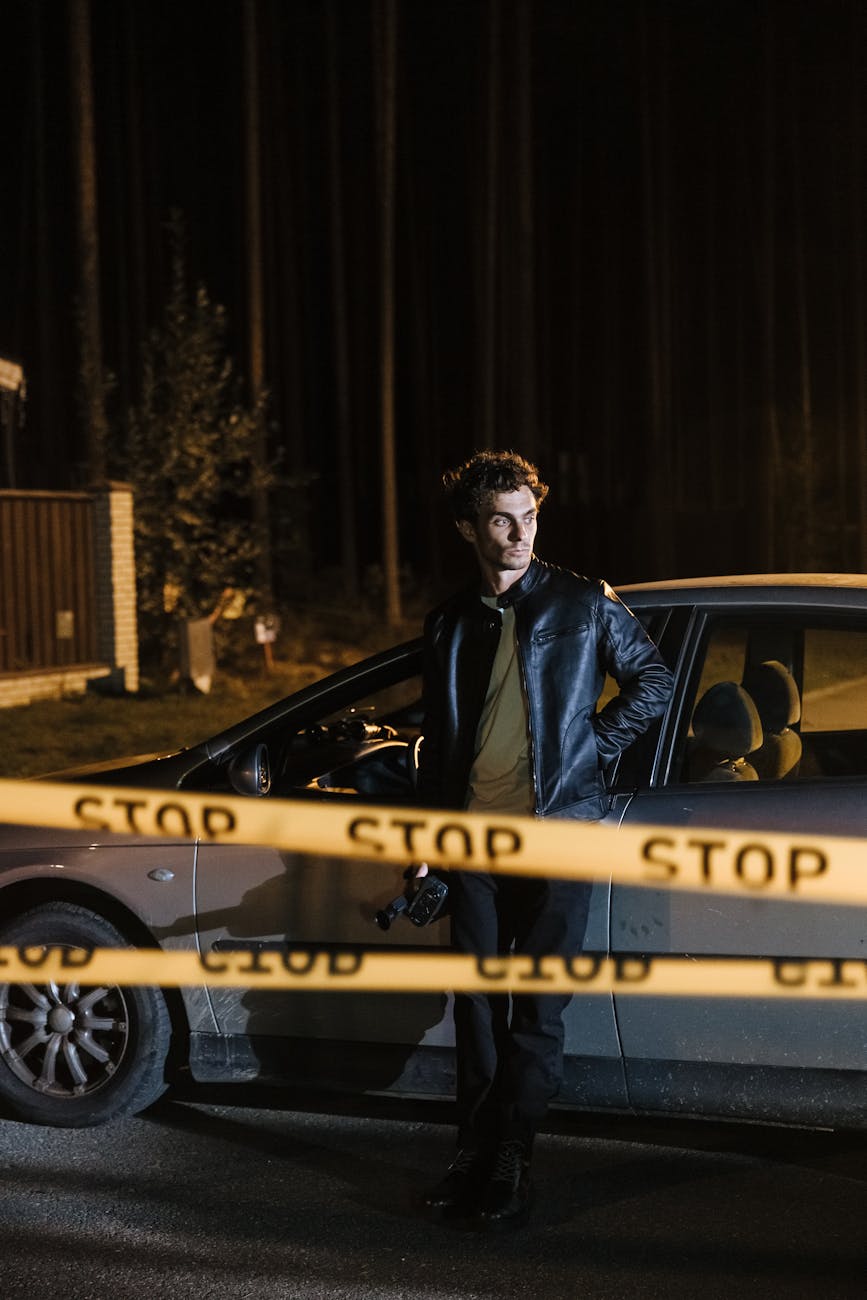
Guy leaning against his car inside a crime scene.
Photo by cottonbro studio on Pexels.com
  1. Cupid (2020):  “Cupid” is a horror film released in 2020, directed by Scott Jeffrey and Aaron Mirtes. The story revolves around a modern-day Cupid who embarks on a deadly rampage targeting those who have lost faith in love.  The film follows a group of friends who gather for a Valentine’s Day party, unaware that they have become the targets of a vengeful entity. As the night unfolds, they are stalked by a mysterious figure clad in a Cupid costume, armed with a crossbow and deadly arrows.  As the body count rises and the friends struggle to survive, they must confront their own doubts and insecurities about love while facing the terrifying reality of a supernatural force bent on destruction.  “Cupid” blends elements of slasher horror with supernatural mythology, offering a fresh and inventive take on the Valentine’s Day horror genre.
Sinister looking Cupid statue.
  1. Love Object (2003):  “Love Object” is a psychological horror film released in 2003, directed by Robert Parigi. The story follows a lonely and socially awkward technical writer named Kenneth who becomes infatuated with a lifelike sex doll named Nikki.  As Kenneth’s obsession with Nikki grows, he begins to project his desires and fantasies onto the doll, treating it as a real person. He becomes increasingly isolated from the outside world, focusing all of his attention and affection on Nikki.  However, Kenneth’s fantasy begins to unravel when he meets Lisa, a real woman who shows genuine interest in him. As Kenneth struggles to reconcile his feelings for Nikki with his budding relationship with Lisa, his grip on reality begins to slip, leading to a series of disturbing and violent events.  “Love Object” explores themes of obsession, loneliness, and the blurred lines between fantasy and reality. With its unsettling atmosphere and psychological tension, the film offers a thought-provoking and disturbing exploration of one man’s descent into madness.
Life sized adult doll.
  1. The Loved Ones (2009):  “The Loved Ones” is a horror film released in 2009, directed by Sean Byrne. The story follows a troubled teenager named Brent, who becomes the target of a deranged girl named Lola Stone and her equally twisted father.  The film begins with Brent dealing with the aftermath of a tragic car accident that claimed the life of his father. Wracked with guilt and grief, Brent struggles to cope with his emotions and finds solace in his girlfriend, Holly.  However, Brent’s life takes a horrifying turn when he rejects Lola Stone’s invitation to the school dance. Enraged by his rejection, Lola and her father kidnap Brent on Valentine’s Day and subject him to a nightmarish ordeal of torture and abuse.  As Brent fights for survival, Holly embarks on a desperate search to rescue him from the clutches of the sadistic father-daughter duo.  “The Loved Ones” is a disturbing and intense film that explores themes of obsession, trauma, and the dark side of human nature. 
Chains hanging in a basement.
  1. Bride of Chucky (1998):  “Bride of Chucky” is a horror-comedy film released in 1998, directed by Ronny Yu. It is the fourth installment in the “Child’s Play” film series. The story follows the infamous killer doll Chucky, who is resurrected by his former girlfriend Tiffany after she finds his dismembered remains.  Upon his resurrection, Chucky murders Tiffany and transfers her soul into a female doll, creating a partner in crime. The two homicidal dolls embark on a cross-country journey to retrieve an amulet that can transfer their souls into human bodies.  As they leave a trail of mayhem and destruction in their wake, Chucky and Tiffany encounter a young couple, Jesse and Jade, who unwittingly become entangled in their deadly scheme. With Chucky and Tiffany’s murderous intentions escalating, Jesse and Jade must fight for their lives and stop the deranged dolls before it’s too late.  “Bride of Chucky” blends horror and comedy, delivering a mix of gory kills and dark humor. With its campy tone and self-aware references, the film offers a fun and entertaining addition to the “Child’s Play” series, while also introducing Tiffany as a memorable addition to Chucky’s murderous antics.
The bride of Chucky.
  1. Warm Bodies (2013):  “Warm Bodies” is a romantic horror-comedy film released in 2013, directed by Jonathan Levine and based on the novel of the same name by Isaac Marion. The story is set in a post-apocalyptic world overrun by zombies and follows a young zombie named R who forms an unexpected connection with a living girl named Julie.  R is a zombie who, despite his undead state, retains some shreds of humanity, including thoughts and emotions. When he encounters Julie during a scavenging mission, he is inexplicably drawn to her and saves her from an attack by other zombies.  As R and Julie spend more time together, their relationship begins to transform both of them. R starts to regain his humanity, while Julie learns to see zombies in a new light. However, their budding romance faces challenges from both the living and the undead, including Julie’s protective father and a group of hostile zombies led by the sinister Boneys.  As tensions escalate between the living and the undead, R and Julie must unite their fractured worlds and confront the true source of the zombie apocalypse.  “Warm Bodies” blends elements of romance, comedy, and horror to create a unique and heartwarming story about love transcending boundaries. With its clever premise, likable characters, and witty humor, the film offers a fresh take on the zombie genre while delivering a poignant message about empathy, acceptance, and the power of human connection.
Zombie couple
Photo by Heber Vazquez on Pexels.com
  1. The Shape of Water (2017):  “The Shape of Water” is a fantasy romance film released in 2017, directed by Guillermo del Toro. Set in Cold War-era America during the 1960s, the story follows Elisa, a mute janitor working at a high-security government laboratory.  Elisa’s life takes an unexpected turn when she discovers a mysterious amphibious creature being held captive in the laboratory. Despite the creature’s terrifying appearance, Elisa forms a deep and meaningful connection with it, communicating through sign language and developing a bond based on empathy and understanding.  As Elisa learns more about the creature’s origins and the cruel experiments being conducted on it, she becomes determined to rescue it from captivity. With the help of her friends and allies, including her co-worker Zelda and her neighbor Giles, Elisa embarks on a daring mission to set the creature free and protect it from those who seek to exploit and harm it.  “The Shape of Water” is a visually stunning and emotionally resonant film that explores themes of love, acceptance, and the power of empathy. With its enchanting blend of fantasy, romance, and social commentary, the film offers a captivating and thought-provoking cinematic experience that celebrates the beauty of diversity and the triumph of the human spirit.
Sinister science lab.
  1.  Spring (2014):  “Spring” is a romantic horror film released in 2014, directed by Justin Benson and Aaron Moorhead. The story follows Evan, a young man who, after experiencing personal tragedy, decides to travel to Italy to escape his troubles.  In Italy, Evan meets Louise, a beautiful and mysterious woman with whom he forms a deep and immediate connection. As their romance blossoms, Evan discovers that Louise harbors a dark and otherworldly secret: she is a centuries-old creature capable of shape-shifting and regeneration.  Despite the shocking revelation, Evan is drawn even closer to Louise, fascinated by her enigmatic nature and the possibility of a love that transcends time and space. However, as Louise’s true nature is revealed and their relationship is put to the test, Evan must confront the moral and existential implications of loving someone who is fundamentally different from himself.  “Spring” is a genre-bending film that seamlessly blends elements of romance, horror, and fantasy. With its stunning cinematography, evocative setting, and thought-provoking themes, the film offers a fresh and unconventional take on the traditional love story, exploring the complexities of relationships and the mysteries of the human heart.
Young man falling in love with a shape shifting creature.
  1.  “The Hospital” (2013):  “The Hospital” is a horror film released in 2013, directed by Tommy Golden and Daniel Emery Taylor. The story follows a group of medical students who decide to spend Valentine’s Day at an abandoned hospital for a night of exploration and adventure.  As they begin to explore the hospital’s dark corridors and hidden rooms, they soon realize that they are not alone. The hospital is haunted by malevolent spirits and a sinister presence that preys on their deepest fears.  As the students struggle to survive the night and escape the hospital’s clutches, they uncover disturbing secrets and face terrifying encounters with the supernatural. As tensions rise and paranoia sets in, they must confront their own demons and unravel the mystery of the hospital’s dark past before it’s too late.
Heart balloons inside hospital hallway.

In conclusion, Valentine’s Day horror movies offer a unique and twisted take on the holiday of love. From deranged killers stalking lovers to supernatural entities wreaking havoc on unsuspecting victims, these films explore the darker side of romance and relationships. Whether you’re in the mood for classic slasher thrills, supernatural chills, or psychological twists, there’s something for every horror fan to enjoy. So, this Valentine’s Day, why not dim the lights, grab some popcorn, and indulge in a marathon of these 13 spine-tingling and blood-curdling films that are sure to make your heart race in more ways than one.

Hell House LLC Review

Introduction

“Hell House LLC” is a found-footage, supernatural horror film directed by Stephen Cognetti. The film opens with documentary-style interviews interspersed with footage from a news report detailing the tragic events that occurred at the Abaddon Hotel during the opening night of a haunted house attraction called Hell House. The news report reveals that 15 people died in a mysterious fire at the hotel, with only one survivor, Sara Havel, remaining unaccounted for.

Following the news report, the film transitions to footage shot by a documentary crew investigating the events leading up to the tragedy. The crew interviews Sara’s friends and former employees of the haunted house attraction to uncover the truth behind what happened on that fateful night. Through their interviews and the found footage they uncover, viewers are gradually introduced to the eerie atmosphere of the Abaddon Hotel, the strange occurrences experienced by the Hell House LLC crew during their preparations for opening night, and the mounting sense of dread that ultimately leads to the hotel’s horrifying climax.

The various footage used at the beginning looks so realistic that it immediately creates believability.  I actually had to pause the movie on my first watch-through to double check I’d picked a real horror film and not accidentally selected a real documentary by mistake.  As the documentary crew delves deeper into the mystery, they begin to unravel the dark secrets hidden within the walls of the Abaddon Hotel, setting the stage for a terrifying journey into the heart of darkness. The introduction sets the stage for the chilling events that unfold throughout the rest of the film, laying the groundwork for a gripping and suspenseful horror experience.

Horror Elements

In “Hell House LLC,” the antagonist is the malevolent entity or entities haunting the Abaddon Hotel. While the film does not explicitly reveal the origin or nature of the antagonist, it is heavily implied that the hotel itself is possessed by dark forces that seek to terrorize and harm those who enter its halls.  The primary antagonist of the film is the Abaddon Hotel, a decrepit and haunted building where the Hell House attraction is set up. The hotel serves as the central location of the film’s events and is depicted as a malevolent entity in its own right. The history of the hotel, including its mysterious past and the tragic events that occurred within its walls, contributes to its sinister reputation.  Throughout the film, the characters experience unexplained phenomena and encounters with supernatural entities within the hotel. These manifestations include ghostly apparitions, sinister whispers, and inexplicable disturbances that suggest a malevolent presence lurking within the building. The exact nature of these forces remains ambiguous, adding to the sense of terror and mystery surrounding the antagonist.  

In addition to this, the antagonist exerts a manipulative influence over the characters, luring them deeper into its grasp as they attempt to uncover the truth behind the hotel’s haunting. The hotel’s dark influence drives the characters to madness and paranoia, leading to increasingly dire consequences as they struggle to escape its clutches.  In addition to physical threats, the antagonist in “Hell House LLC” inflicts psychological terror on the characters, exploiting their fears and vulnerabilities to torment them. The hotel’s haunted history and malevolent presence prey on the characters’ psyches, heightening the sense of dread and hopelessness as they confront their worst nightmares.  

Realism is present throughout the film, especially in regards to the different main characters and their interactions with one another and the environment.  Alex is the owner of the haunted attraction company, Hell House LLC. He’s portrayed as a pragmatic businessman, driven by his passion for creating immersive and terrifying experiences for his audience. His background and motivations are relatable, as he’s depicted as someone who is ambitious and dedicated to his work.  Throughout the film, Alex exhibits a practical and level-headed approach to running his business. He’s depicted as someone who takes his responsibilities seriously, ensuring that the production of Hell House LLC runs smoothly and efficiently. His decision-making process and problem-solving skills reflect those of a real-world business owner, adding authenticity to his character.  Despite his professionalism, Alex also grapples with personal struggles and conflicts. As the haunting at the Abaddon Hotel intensifies, Alex must confront his own fears and doubts about the safety of his crew and the integrity of his business. His internal conflicts add depth to his character and make him more relatable to the audience.

Movie Elements

While found-footage horror films were already popular by the time “Hell House LLC” was released, the film puts a unique spin on the genre by framing the story as a documentary investigating the events leading up to the tragedy at the Abaddon Hotel. This approach adds depth to the narrative by incorporating interviews with survivors and witnesses, as well as footage captured by the characters themselves, creating a sense of authenticity and immersion.  While haunted house attractions are a common theme in horror movies, “Hell House LLC” explores this concept in a fresh and innovative way by setting the story within an actual haunted hotel. The Abaddon Hotel serves as a chilling backdrop for the film’s events, with its dark history and malevolent presence adding layers of mystery and suspense to the narrative.  

Rather than relying solely on jump scares and graphic violence, “Hell House LLC” builds tension and suspense through a gradual escalation of horror. The film employs subtle atmospheric cues, eerie visuals, and psychological terror to unsettle viewers, creating a sense of dread that intensifies as the story unfolds.  “Hell House LLC” keeps audiences engaged by weaving a compelling mystery throughout the narrative. Viewers are drawn into the investigation as the documentary crew uncovers clues and revelations about the true nature of the haunting at the Abaddon Hotel, leading to a series of shocking twists and revelations that keep them guessing until the very end.  Instead of relying heavily on CGI, “Hell House LLC” utilizes practical effects and clever cinematography to create its scares. The film employs subtle visual cues, practical makeup effects, and clever camera tricks to evoke a sense of unease and terror, resulting in a more visceral and immersive viewing experience.

Much of the cinematography in “Hell House LLC” consists of handheld camera work, simulating the amateur documentary style. This technique enhances the sense of realism and urgency, as the camera captures the chaos and terror unfolding within the haunted attraction.  In addition to handheld footage, the film also incorporates static shots and surveillance footage to create a sense of surveillance and voyeurism. These shots add to the atmosphere of unease and tension, as viewers are presented with eerie glimpses of the supernatural activity occurring within the hotel.  The cinematography in “Hell House LLC” often relies on natural lighting sources within the haunted attraction, such as dimly lit hallways, flickering candles, and ominous shadows. This use of natural lighting enhances the atmosphere of the film, creating a sense of darkness and claustrophobia that contributes to the overall sense of dread.

While the film features mostly unknown actors, their performances contribute to the overall sense of realism and immersion in the found footage format.The actors in “Hell House LLC” deliver their lines in a naturalistic manner, which adds authenticity to their performances. This style of acting enhances the believability of the found footage format, as viewers feel like they are watching real people reacting to terrifying events.  The actors demonstrate a wide emotional range throughout the film, from excitement and enthusiasm during the setup of the haunted house attraction to fear and panic as the supernatural occurrences escalate. Their ability to convey genuine emotion enhances the audience’s investment in the characters and their plight.  The chemistry between the cast members helps to establish a sense of camaraderie and camaraderie among the characters. This camaraderie is crucial in building tension and suspense, as viewers become invested in the relationships between the characters and their fates.  The actors’ reaction shots are particularly effective in selling the horror and terror of the situation. Their expressions of fear, shock, and disbelief help to heighten the tension and suspense, drawing viewers deeper into the terrifying world of the Abaddon Hotel.

Conclusion

In conclusion, “Hell House LLC” is a chilling found footage horror film that effectively utilizes its format to immerse viewers in a terrifying and suspenseful narrative. Set in the eerie confines of the Abaddon Hotel, the movie follows a documentary crew as they investigate the tragic events surrounding a haunted house attraction gone awry.  The film does a great job with its authentic performances, naturalistic delivery, and genuine scares. Overall, “Hell House LLC” delivers a haunting and immersive experience that lingers long after the credits roll, making it a must-watch for fans of atmospheric horror and supernatural thrills.

Final Scare Me Please Score:  “This clown head can’t turn but it did”, out of 100

Link To Official Trailer

Have you watched this movie? What did you think? Anything we missed? Have an idea for what we should watch next? Drop a comment below to let us know!

Marrowbone

Introduction

“Marrowbone” is a 2017 horror film directed by Sergio G. Sánchez, (he also was a screenwriter for another great horror film “The Orphanage” which I fully plan on reviewing here as well).  Essentially, the movie tells the story of a family who flees to a remote house in rural America to escape a dark past. However, sinister forces begin to unravel their fragile peace as they struggle to keep their secrets buried. The film weaves a tale of psychological horror, family bonds, and supernatural elements that keep the audience on edge throughout its entirety.

Horror Elements

The antagonist in “Marrowbone” is a malevolent force that threatens the fragile stability of the family at the center of the story. This character embodies various forms throughout the film, from external threats to internal conflicts and hidden secrets. Without a clear-cut villain in the traditional sense, the antagonist in “Marrowbone” manifests as a sinister presence lurking in the shadows, manipulating events from afar.  The film crafts a narrative where the true nature of the antagonist remains shrouded in mystery, leading to a sense of unease and paranoia among the characters and the audience alike. This ambiguity allows for multiple interpretations and keeps viewers guessing until the final revelation. 

Adding to the horror, the film’s musical score plays a significant role in building suspense and accentuating key moments of horror. Composer Fernando Velázquez crafts a haunting and atmospheric soundtrack that heightens the emotional impact of the story. Swelling strings, dissonant chords, and ominous melodies underscore moments of danger and uncertainty, intensifying the overall sense of dread.  Equally as scary, was the lack of sound.  Silence is inserted at just the right moments to magnify the feel of dread within the scene.

As the plot plays out, it’s quite clear just how much thought went into developing the backstory of the characters, both the good and the bad.  This influence permeates every aspect of the film, driving the family to desperate measures to protect themselves and their secrets. Whether it’s through subtle psychological manipulation or more overt acts of violence, the antagonist’s presence and mysterious backstory looms large, casting a shadow over the family’s attempts at redemption and reconciliation.  

What makes this particularly effective is its connection to the protagonists’ past traumas and buried secrets.  As the layers of the narrative are peeled back, the true extent of the antagonist’s influence becomes increasingly apparent, leading to a chilling climax that forces the characters to confront their darkest fears on screen.  

Movie Elements

One of the strengths of “Marrowbone” lies in its atmospheric tension and mood. Sergio G. Sánchez creates a palpable sense of dread, utilizing the isolated setting of the family’s dilapidated mansion to great effect. The cinematography enhances the eerie atmosphere, with dimly lit interiors and sprawling, misty landscapes adding to the sense of foreboding.  Throughout the movie, subtle ambient sounds are employed to create a sense of unease and tension. This might include the distant howling of wind, creaking floorboards, or the faint rustling of leaves outside the mansion. These sounds serve to establish the isolated and foreboding atmosphere of the setting.

The performances in “Marrowbone” are another highlight. The young cast delivers compelling and nuanced portrayals, particularly George MacKay as the protective eldest brother Jack and Anya Taylor-Joy as the mysterious local girl who befriends the family. Their chemistry adds depth to the characters and helps to anchor the emotional core of the film.  The relationships between the characters in “Marrowbone” are central to the film’s originality. These dynamics within the family unit are intricate and multifaceted, with each member struggling with their own inner demons and conflicts. The bond between the siblings, particularly the protective nature of the eldest brother Jack, adds depth to the narrative and distinguishes it from more traditional horror fare.

Furthermore, “Marrowbone” is bolstered by its intricate narrative structure and well-paced storytelling. The film employs a non-linear narrative structure, which adds layers of complexity and intrigue to the storytelling. Rather than presenting events in a straightforward manner, the film jumps back and forth in time, gradually unveiling the family’s troubled past and the secrets they harbor. This approach keeps the audience engaged and guessing, as they piece together the puzzle of the characters’ lives.  Though it’s certainly not the only film to ever utilize this style of plot progression, it was well-done and certainly told an interesting story in a unique way.  

Conclusion

As I prefer to do with all the movies I review, I watched it three times before writing this.  Though the fears and anxiety were only present during the first watch through, the movie was still quite enjoyable during the second and third viewings. Something I feel the need to mention here, is out of all the plot twists within horror movies I’ve watch, this is one of the few that actually gave me a strong physiological response:  nausea.  It was such an upsetting shock, I actually felt sick from it which is exactly what a good twist should do.  Maybe not the sick part, but extreme shock for sure.  Overall, “Marrowbone” is a captivating and atmospheric horror film that effectively blends psychological tension with supernatural elements. While it may not offer action-packed violence and gore, its strong performances, eerie atmosphere, and compelling storytelling make it a worthwhile watch for fans of the genre.  

Final Scare Me Please:  How could you ever live in that house after that trauma, out of 100

Marrowbone Official Trailer

Have you watched this movie? Did you figure out the plot before the great end-reveal?  Suggestions for what we should watch next? Drop a comment below to let us know!
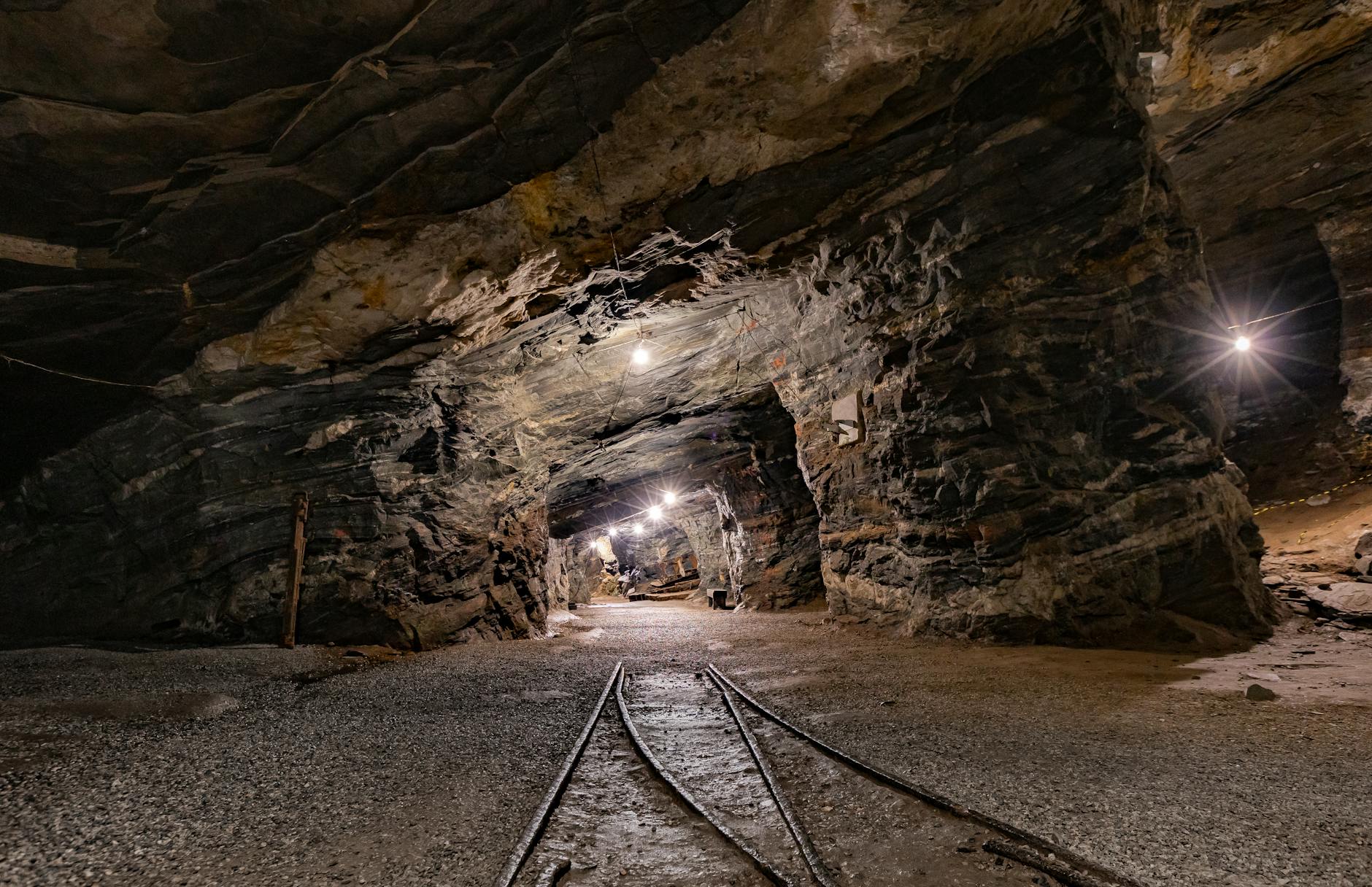
When a Stranger Calls (Original) Review

Introduction

Traveling was a major part of my childhood, both overseas and stateside.  My family’s love for exploring was definitely passed on to me, and some of my best memories were made on these trips.  Roadtrips in particular were, and still are, my favorite way to go on adventures.  As an adult, before I go on trips, I always download plenty of audio books to listen to as I drive.  This is another habit I developed as a kid; because I used to get really car sick, I couldn’t ever read or draw during long drives. Instead, I got used to listening to books while looking out the window.  When these books were finished, or we just needed a break from a narrator blaring over the speakers, my mother would tell me stories.  

Now I don’t know what kinds of stories “normal” parents tell their kids, but my parents are far from “normal”, which is probably why I grew up hearing urban legends, movie plots, and serial killer case files as stories.  One of these stories that scared me the most was an urban legend “The Babysitter and the Man Upstairs”.  I used to babysit and be left alone a lot when I was younger, which is probably why this one affected me so much.  Apparently, this legend was based on the real murder case of Janett Christman, a cold case file from 1950 that remains unsolved to this day.  

Multiple movies have been inspired from this  urban legend, and I have seen almost all of them except the original: When a Stranger Calls.  Made in 1979 by Fred Walton, it did well financially but received poor reviews by film critiques due to lack of “scares”. With this in mind, I sat down with some popcorn, made the room as dark as possible, and turned on the movie, ready to judge for myself whether or not it was a good horror film.     

Horror Elements

In the hushed stillness of the night, where every creak of the floorboard becomes a sinister symphony, and each ringing phone note holds the potential for unspeakable horror, emerges a cinematic classic that will have you glancing over your shoulder long after the screen fades to black.  As the clock ticks away, echoing through the corridors of suspense, we embark on a relentless journey into the depths of fear, where an innocent babysitting job turns into a nightmarish confrontation with the unknown.  The piercing ring of the telephone becomes a haunting melody, foretelling a series of events that will send shivers down your spine and make you question the safety of your own home- the one place that should be safe.

Well, at least the first 20 minutes of the movie do this, and I do mean ONLY the first 20 minutes.  In my opinion the rest is weird, unflowing, and extremely boring.   However, the film does end up contributing greatly to the horror genre as a whole, and one of these contributions is accomplished through the main character.

Are the characters unique?  In simplest terms, no.  Both the antagonist nor protagonist is particularly unique as there have been many babysitters and many serial killers in many, many horror films.  However, focusing on the protagonist, what does make her unique is her believability.  Jill Johnson, the main “good” character within the filim, stands as an unwavering pillar against the encroaching darkness.  She is portrayed with haunting authenticity, her character epitomizing resilience in the face of unimaginable terror.  As the unsuspecting babysitter plunges into a nightmarish ordeal, her journey unfods as a masterclass in survival against the enigmatic stranger lurking in the shadows.  With every pulse-quickening encounter and each nerve-wracking phone call, Jill’s tenacity becomes a beacon of hope, proving that courage can emerge even from the darkest corners of fear.  This really is one of the first females to emerge victorious within the horror genre, and I feel she contributes greatly to an ever-growing “heroine turns the tables on evil” sub-genre that seems to be cropping up ever more.    

Another horror element they excelled at were the film’s audio cues.  These serve as an invisible puppeteer, manipulating the audience’s emotions with every creak, every whisper, and every heart-stopping ring of the telephone.  The masterful use of sound design amplifies the tension, creating an atmosphere where the silence becomes as terrifying as the crescendo of haunting melodies.  The subtle orchestration of footsteps, the ominous hum of background noise, and the nerve-rattling phone calls work in symphony to immerse viewers in an auditory nightmare.  I wanted to address this aspect within the “Movie Elements” section, but considering the sound did an excellent job in actually scaring me, I decided to mention it here, though it could as easily transitioned us into our next topic of the “Movie Elements”.

Movie Elements

Bathed in an eerie palette of shadows and suspense, the cinematography of “When a Stranger Calls” stands as a testament to the artistry that elevates a horror film from a mere scare-fest to a visual masterpiece.  The film’s visual language, expertly crafted by the cinematographer, weaves a tapestry of tension and unease, immersing the audience into the heart of psychological terror.  Each frame becomes a calculated brushstroke, creating an atmosphere where every dimly lit corridor and ominous silhouette serves as a harbinger of impending dread.  The play of light and darkness becomes a character in itself, intensifying the spine-chilling narrative and amplifying the audience’s sense of vulnerability.

As the clock ticks through the corridors of cinematic history, “When a Stranger Calls” stands as a paradox, with its opening 20 minutes etched in the annals of horror brilliance.  The initial scenes, featuring the ominous phone calls and the ever-growing tension of the babysitter’s plight, are nothing short of masterclass in suspense.  The calculated use of silence, the gradual build-up of dread, and the harrowing realization that the call is coming from inside the house create an unparalleled sense of unease.  However, as the narrative unfolds, the subsequent acts fail to sustain the same level of intensity, leading to a diminishing return of the initial promise.  To me, this was just un-forgivable.  

Conclusion

Though I love the opening scene (have I already mentioned this?), I can understand why the overall film got negative reviews.  Most of the movie was boring and didn’t seem to flow well, nor make much sense.  Honestly, perhaps I’m biased, but I feel my mom tells this story better than the movie itself did.  Despite this, I would recommend at least seeing this movie once, as it is a classic within the horror genre, which helped numerous other films work their way into our nightmares.  Thank you for joining me as we navigated the chilling narrative, examining the artistry that goes beyond the jump scares, plunging into the psyche of a movie that has become synonymous with the fear of the unknown.  As you finish reading this, are you ready to answer your next call?  Because once you pick up the phone, there’s no escaping the terror that lurks on the other end.

Final Scare Me Please Score: Just watch the first twenty minutes, out of 100

Sources:

When a stranger calls (1979 film) (2023) Wikipedia. Available at: https://en.wikipedia.org/wiki/When_a_Stranger_Calls_(1979_film) (Accessed: 29 July 2023).