

Summarized in One Sentence: A group of friends go to a cabin to help someone get clean, but instead of kicking addiction, they end up kicking the bucket—thanks to a book that literally warned them not to read it.
Few horror remakes manage to capture the raw intensity of their predecessors while carving out their own identity, but Evil Dead (2013) accomplishes this with blood-soaked brilliance. Fede Álvarez’s reimagining of Sam Raimi’s classic is a relentless, gore-drenched nightmare that pays homage to the original while delivering a fresh, unflinching vision of terror. With stunning practical effects, a chilling atmosphere, and a surprising emotional core, Evil Dead isn’t just a worthy successor—it’s one of the best modern horror films, proving that some nightmares are worth revisiting.
The acting in Evil Dead (2013) is a standout element, with Jane Levy delivering an unforgettable performance as Mia. Her transformation from a vulnerable recovering addict to a nightmarish Deadite and ultimately a fierce final girl is both emotionally compelling and terrifying. The supporting cast, including Shiloh Fernandez, Lou Taylor Pucci, Jessica Lucas, and Elizabeth Blackmore, all bring solid performances that elevate the film beyond standard horror fare. While the dialogue leans into the genre’s typical simplicity, it avoids excessive camp, maintaining a serious and ominous tone. The script smartly uses its characters’ strained relationships—especially the tension between Mia and her brother, David—to add weight to their interactions, making their struggles feel personal even amid the carnage.
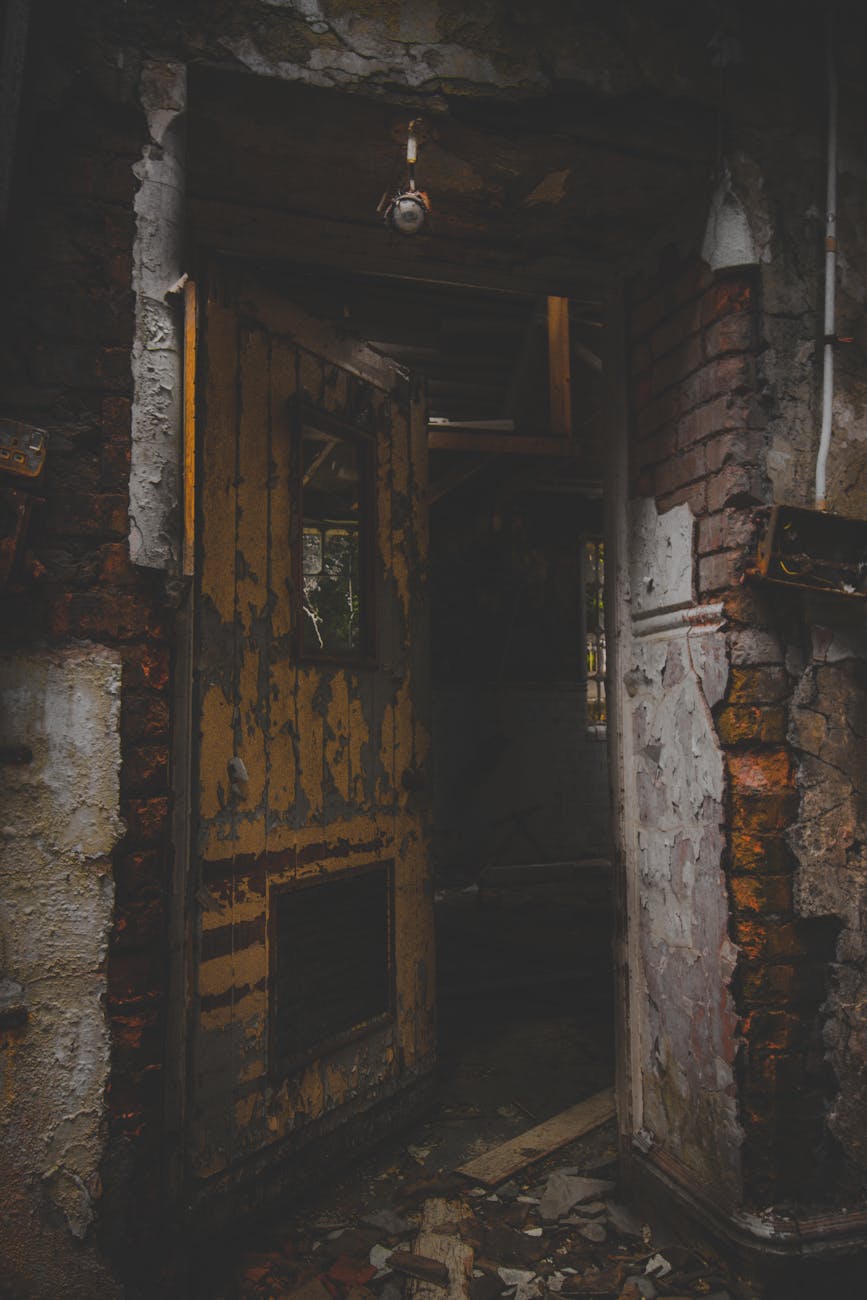
While Evil Dead (2013) doesn’t break much new ground in terms of originality, it still manages to feel fresh and engaging. The film follows the familiar setup of young adults trapped in a remote cabin with supernatural forces, closely mirroring the structure of the 1981 classic. However, it sets itself apart with a darker, more serious tone, a focus on addiction as a thematic undercurrent, and some of the most brutal practical effects in modern horror. While it doesn’t reinvent the genre or stray too far from its source material, it embraces its role as a no-holds-barred gorefest, delivering exactly what fans expect with just enough twists to keep it from feeling like a hollow rehash.
One of Evil Dead (2013)’s greatest strengths is its commitment to realism, especially in its use of practical effects and the raw, visceral nature of its horror. The injuries, gore, and character reactions feel disturbingly real, adding to the film’s relentless intensity. However, there is one noticeable inconsistency that stands out—the necklace that Mia destroys early in the film is mysteriously intact by the end. Given the movie’s otherwise grounded approach, this detail feels like a rare oversight, though it doesn’t significantly detract from the overall experience. It’s a small flaw in an otherwise immersive and brutal horror film that prioritizes tension, atmosphere, and sheer carnage over nitpicky continuity.
Evil Dead (2013) masterfully builds a suffocating horror atmosphere that lingers from start to finish. The film’s isolated cabin setting, drenched in shadows and decay, immediately sets an eerie tone, while the relentless downpour and muted color palette heighten the feeling of dread. The cinematography captures every grotesque detail with precision, making the violence feel disturbingly real, and the sound design—filled with guttural Deadite growls, bone-chilling whispers, and unsettling silence—keeps the tension razor-sharp. Unlike many modern horror films that rely on cheap jump scares, Evil Dead thrives on an unrelenting sense of terror, making viewers feel trapped alongside the characters as the horror escalates to its brutal climax. The film’s suspense is expertly crafted, with scenes that stretch the audience’s nerves to their breaking point before unleashing a horrifying payoff. Moments like Natalie cautiously approaching the plastic-wrapped Deadite in the cellar or Eric flipping through the accursed book, oblivious to the horror he’s unleashing, are masterfully paced, creating a nerve-wracking build-up before the inevitable bloodshed. Evil Dead doesn’t just shock—it keeps viewers in a state of constant, unbearable tension, proving that true horror lies in the anticipation of what’s to come.

One of Evil Dead (2013)’s most effective horror elements is its masterful use of sound, which amplifies the film’s overwhelming sense of dread. Roque Baños’ chilling score blends seamlessly with the film’s terrifying sound design, creating an auditory experience that grips the viewer from start to finish. The standout element is the incorporation of an air raid siren into the soundtrack—a haunting, war-like wail that builds tension and signals impending doom. Rather than feeling forced, the siren melds naturally with the film’s relentless chaos, mirroring the terror unfolding on screen. Equally impressive is the film’s strategic use of silence, particularly in the climactic moment right before Mia accidentally runs over a Deadite. The near-total absence of sound creates an agonizing pause, forcing the audience to hold their breath before the sudden, explosive impact shatters the quiet with brutal force. This contrast between eerie silence and overwhelming noise is executed flawlessly, making the moment hit even harder and solidifying Evil Dead as a masterclass in horror sound design.
The special effects in Evil Dead (2013) are nothing short of spectacular, delivering some of the most gruesome and realistic horror visuals in modern cinema. What sets the film apart is its dedication to practical effects, with director Fede Álvarez famously avoiding CGI whenever possible. From gushing wounds to skin being peeled away, every injury and act of self-mutilation feels disturbingly tangible, adding to the film’s brutal intensity. The possessed Deadites are brought to life with horrifying makeup and prosthetics, making their grotesque transformations feel all the more visceral. Standout moments, like the nail gun attack, the brutal arm amputation, and the blood-drenched chainsaw finale, showcase just how far the film pushes its gore without feeling excessive or cartoonish. The sheer attention to detail in every blood-splattered frame makes Evil Dead a nightmarish experience that horror fans won’t soon forget.

Another great aspect, I particularly appreciated, is that it doesn’t rely on cheap jump scares to be scary. Instead of quick, predictable frights, the movie builds up pure terror through disturbing visuals, nonstop tension, and brutal, in-your-face gore. The practical effects make every injury feel painfully real—like Mia slicing her own tongue in half or Natalie slowly sawing off her arm. On top of that, the movie plays with psychological horror, using Mia’s addiction to mess with reality and make her possession even creepier. The Deadites are genuinely terrifying, with their eerie voices, unsettling movements, and relentless cruelty. Instead of quick shocks that you forget in seconds, Evil Dead sticks with you, crawling under your skin and making sure you’ll be thinking about it long after it’s over.
One of the coolest things about Evil Dead (2013) is how it sneaks in tons of Easter eggs for fans of the original films. From the classic Delta 88 car abandoned outside the cabin—a signature vehicle in Sam Raimi’s movies—to the infamous chainsaw sitting ominously in the tool shed, the movie is packed with nods to its predecessors. Even the way the camera rushes through the woods in that frantic, demonic POV style is a direct homage to Raimi’s signature shot. There’s also the moment when Mia’s demonic voice eerily whispers, “We’re gonna get you,” echoing the creepy lullaby from The Evil Dead (1981). And while Bruce Campbell’s Ash isn’t part of the main story, his iconic presence is felt throughout, especially in the post-credits scene where he briefly appears, giving fans a simple yet satisfying “Groovy.” These little touches make Evil Dead (2013) more than just a remake—they show a deep love for the franchise while still carving out a fresh, terrifying identity of its own.

While Evil Dead (2013) is an incredibly well-crafted horror film, there are a few things that knock it down a notch. One of the biggest eye-rolling moments is when a character says, “You don’t have to do this,”—a painfully cliché line that feels out of place in a movie that otherwise takes itself seriously. The film also leans into some unnecessarily grim choices, like the discovery of a bunch of dead cats hanging in the cellar, which feels more gross than effective. On top of that, the dog’s death adds to the shock factor but feels like an overused trope in horror. The decision to read from the Book of the Dead is another frustrating moment—Eric literally has to work to translate the warnings telling him not to continue, making his actions feel even more forced and stupid. And while the film does a great job of wrapping up its main story, the last-second tease of a potential sequel feels tacked on rather than meaningful. None of these things ruin the movie, but they do hold it back from being completely flawless.
Overall, Evil Dead (2013) is a brutally intense and expertly crafted horror film that stands as one of the best remakes in the genre. With its stunning practical effects, relentless atmosphere, and nerve-shredding suspense, it delivers an unflinching experience that sticks with you long after the credits roll. While it has a few minor missteps—some unnecessary tropes, a questionable character decision or two, and a sequel-bait ending—these don’t take away from the sheer terror and craftsmanship on display. It doesn’t rely on cheap jump scares, instead using disturbing imagery, masterful sound design, and overwhelming dread to keep audiences on edge. Whether you’re a longtime Evil Dead fan or just looking for a genuinely terrifying horror movie, this one absolutely delivers.
Final Scare Me Please Score: 93 out of 100
What did you think of the movie? Anything we missed? Did you like it more than the original? Was the post-credits scene worth it? Let us know in the comments below!





 Scare Me Please