
Introduction
“Marrowbone” is a 2017 horror film directed by Sergio G. Sánchez, (he also was a screenwriter for another great horror film “The Orphanage” which I fully plan on reviewing here as well). Essentially, the movie tells the story of a family who flees to a remote house in rural America to escape a dark past. However, sinister forces begin to unravel their fragile peace as they struggle to keep their secrets buried. The film weaves a tale of psychological horror, family bonds, and supernatural elements that keep the audience on edge throughout its entirety.
Horror Elements
The antagonist in “Marrowbone” is a malevolent force that threatens the fragile stability of the family at the center of the story. This character embodies various forms throughout the film, from external threats to internal conflicts and hidden secrets. Without a clear-cut villain in the traditional sense, the antagonist in “Marrowbone” manifests as a sinister presence lurking in the shadows, manipulating events from afar. The film crafts a narrative where the true nature of the antagonist remains shrouded in mystery, leading to a sense of unease and paranoia among the characters and the audience alike. This ambiguity allows for multiple interpretations and keeps viewers guessing until the final revelation.
Adding to the horror, the film’s musical score plays a significant role in building suspense and accentuating key moments of horror. Composer Fernando Velázquez crafts a haunting and atmospheric soundtrack that heightens the emotional impact of the story. Swelling strings, dissonant chords, and ominous melodies underscore moments of danger and uncertainty, intensifying the overall sense of dread. Equally as scary, was the lack of sound. Silence is inserted at just the right moments to magnify the feel of dread within the scene.
As the plot plays out, it’s quite clear just how much thought went into developing the backstory of the characters, both the good and the bad. This influence permeates every aspect of the film, driving the family to desperate measures to protect themselves and their secrets. Whether it’s through subtle psychological manipulation or more overt acts of violence, the antagonist’s presence and mysterious backstory looms large, casting a shadow over the family’s attempts at redemption and reconciliation.
What makes this particularly effective is its connection to the protagonists’ past traumas and buried secrets. As the layers of the narrative are peeled back, the true extent of the antagonist’s influence becomes increasingly apparent, leading to a chilling climax that forces the characters to confront their darkest fears on screen.
Movie Elements
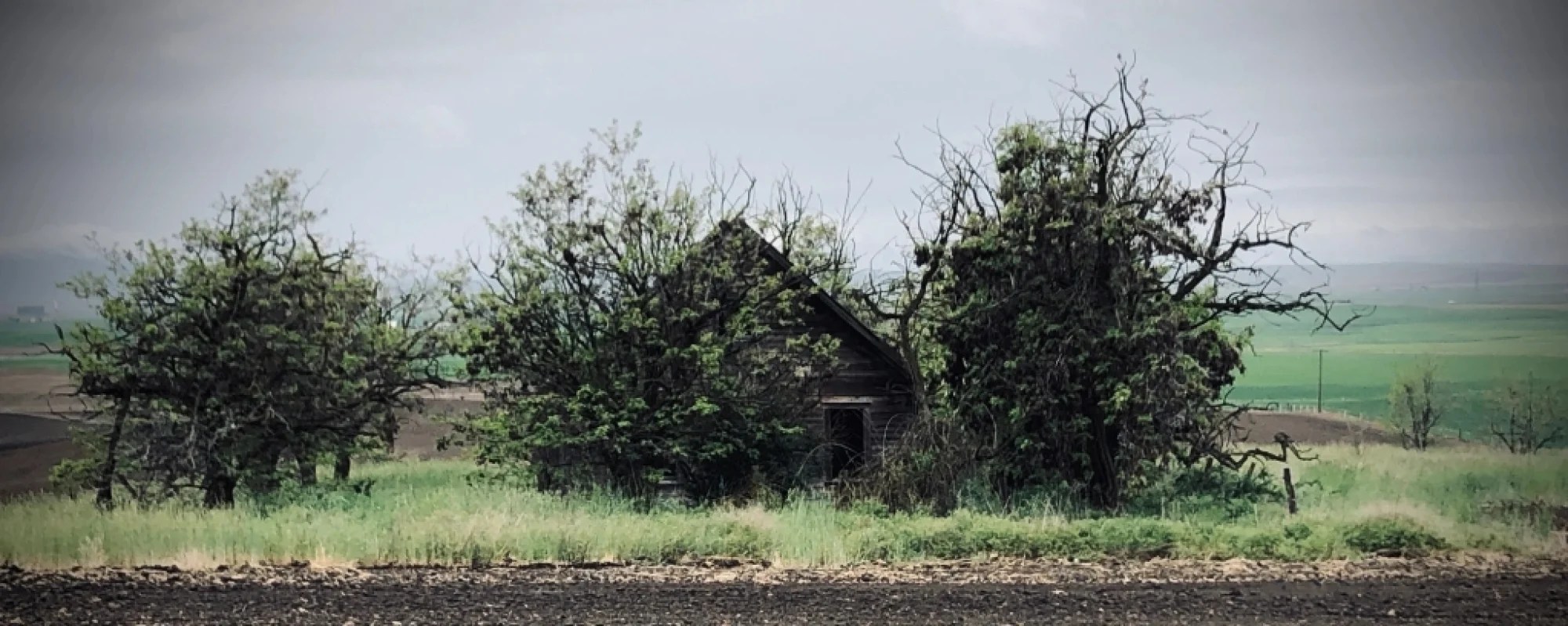
One of the strengths of “Marrowbone” lies in its atmospheric tension and mood. Sergio G. Sánchez creates a palpable sense of dread, utilizing the isolated setting of the family’s dilapidated mansion to great effect. The cinematography enhances the eerie atmosphere, with dimly lit interiors and sprawling, misty landscapes adding to the sense of foreboding. Throughout the movie, subtle ambient sounds are employed to create a sense of unease and tension. This might include the distant howling of wind, creaking floorboards, or the faint rustling of leaves outside the mansion. These sounds serve to establish the isolated and foreboding atmosphere of the setting.
The performances in “Marrowbone” are another highlight. The young cast delivers compelling and nuanced portrayals, particularly George MacKay as the protective eldest brother Jack and Anya Taylor-Joy as the mysterious local girl who befriends the family. Their chemistry adds depth to the characters and helps to anchor the emotional core of the film. The relationships between the characters in “Marrowbone” are central to the film’s originality. These dynamics within the family unit are intricate and multifaceted, with each member struggling with their own inner demons and conflicts. The bond between the siblings, particularly the protective nature of the eldest brother Jack, adds depth to the narrative and distinguishes it from more traditional horror fare.
Furthermore, “Marrowbone” is bolstered by its intricate narrative structure and well-paced storytelling. The film employs a non-linear narrative structure, which adds layers of complexity and intrigue to the storytelling. Rather than presenting events in a straightforward manner, the film jumps back and forth in time, gradually unveiling the family’s troubled past and the secrets they harbor. This approach keeps the audience engaged and guessing, as they piece together the puzzle of the characters’ lives. Though it’s certainly not the only film to ever utilize this style of plot progression, it was well-done and certainly told an interesting story in a unique way.
Conclusion
As I prefer to do with all the movies I review, I watched it three times before writing this. Though the fears and anxiety were only present during the first watch through, the movie was still quite enjoyable during the second and third viewings. Something I feel the need to mention here, is out of all the plot twists within horror movies I’ve watch, this is one of the few that actually gave me a strong physiological response: nausea. It was such an upsetting shock, I actually felt sick from it which is exactly what a good twist should do. Maybe not the sick part, but extreme shock for sure. Overall, “Marrowbone” is a captivating and atmospheric horror film that effectively blends psychological tension with supernatural elements. While it may not offer action-packed violence and gore, its strong performances, eerie atmosphere, and compelling storytelling make it a worthwhile watch for fans of the genre.
Final Scare Me Please: How could you ever live in that house after that trauma, out of 100
Have you watched this movie? Did you figure out the plot before the great end-reveal? Suggestions for what we should watch next? Drop a comment below to let us know!

 Scare Me Please