Madison Review

MADiSON: A Brilliantly Terrifying Descent into Photographic Madness

If there’s one indie horror title that left an imprint on my brain—like a photo developing in darkroom dread—it’s MADiSON. Developed by Bloodious Games, this first-person psychological horror game delivers a unique blend of slow-burning atmosphere and vicious jump scares. It’s a game that takes its time creeping under your skin before shocking you into a cold sweat. I’ve played it multiple times now, and even on the third playthrough, it still managed to unsettle me. That kind of lasting fear is rare—and worth talking about.

In this review, I’ll break down what makes MADiSON such a standout in the horror genre, from its chilling narrative to its unforgettable camera mechanic. Whether you’re a seasoned horror fan or someone who enjoys games that toy with your sanity, MADiSON deserves a place on your radar—and maybe even in your nightmares.


A Haunting Premise with Depth

The story opens in chaos. You wake up in a dark, blood-splattered room with your hands covered in something that definitely isn’t paint. You play as Luca, a teenage boy whose 16th birthday party takes a hellish turn after receiving an old instant camera as a gift. That camera has a history—one soaked in blood, occult rituals, and a cursed photographer named Madison Hale who used it to commit gruesome murders. It doesn’t take long to realize that her malevolent spirit may have latched onto you.

At its core, MADiSON is a psychological horror story about generational trauma, possession, and guilt. The game gradually reveals the dark history of your family—your grandfather’s ties to the occult, your father’s madness, and Madison Hale’s own satanic legacy. These elements unfold slowly, giving you time to absorb the tension and making every room you enter feel like a page in a grim history book.

What makes the story so effective is its subtlety. MADiSON never rushes to explain everything. You piece together the lore through audio tapes, photographs, newspaper clippings, and your increasingly unreliable memories. The backstory is as much about Luca’s psychological unraveling as it is about ghosts and demons. That ambiguity—what’s real and what’s not—is where MADiSON really excels.


Atmosphere Meets Adrenaline: A Perfect Horror Blend

What kept me coming back to MADiSON wasn’t just the scares, but the way it balances different types of horror. There’s a slow, creeping dread that builds with every flickering light, every photograph that develops into something horrifying, and every whisper that dances through the corridors. Then, just when you start to get comfortable, it throws a jump scare so violent and well-timed that you’re knocked out of your seat.

Too often, games lean too far in one direction—either relying solely on atmosphere or abusing jump scares until they become predictable. MADiSON walks the tightrope perfectly. It knows how to toy with your expectations. Sometimes you expect a jump scare and nothing happens. Other times, it hits you when you’re doing something mundane, like developing film or examining a seemingly innocuous object. This unpredictability keeps you on edge the entire time.

The audio design plays a massive role here. Every creak of the floorboards, every whisper behind your back, every distorted tape recording makes the house feel alive—and not in a good way. The tension is sustained so well that even quiet moments feel dangerous.


The Camera: More Than a Gimmick

Let’s talk about that camera, because it’s the heart of MADiSON—both narratively and mechanically. In a lesser game, the instant camera could have been a simple flashlight replacement or a tool for cheap jump scares. But here, it’s so much more. You use the camera to solve puzzles, unveil hidden passageways, trigger hauntings, and uncover the supernatural. Each photo develops in real time, which adds to the anticipation. You never quite know what you’re going to see once the image finishes processing.

Sometimes, a photo reveals a clue you need to solve a puzzle. Other times, it reveals a figure standing behind you that wasn’t there before. One of the most brilliant mechanics involves using the flash to expose elements hidden in darkness or alternate realities—essentially peeling back the layers of the house’s twisted reality. It’s a simple but deeply effective mechanic, and it makes every use of the camera an anxiety-riddled experience.

It’s also worth noting that the camera ties into the lore in a meaningful way. Madison Hale used it in her own dark rituals, and as you retrace her steps, you begin to understand that you’re continuing her work—willingly or not. It blurs the line between protagonist and pawn, creating a uniquely chilling sense of complicit horror.


Replayability: Still Terrifying the Third Time Around

One of the biggest surprises for me was how well MADiSON held up on repeat playthroughs. By the third time through, I thought I’d be desensitized. I knew where the scares were. I knew which corridors were death traps and which closets were safe havens. But none of that mattered.

Why? Because MADiSON plays with your memory. The environment shifts just enough between playthroughs that you never feel fully in control. The house rearranges itself. Events trigger differently. Sometimes you’ll hear sounds that weren’t there before. And sometimes, even though you think you know what’s coming… something else happens.

Plus, the dread doesn’t come just from the unknown. It also comes from anticipation. Knowing that something terrifying is going to happen can sometimes be worse than not knowing—and MADiSON leans into that psychological angle hard.

I also found myself noticing new details with each playthrough. More layers to the story, hidden symbols in the photos, and subtleties in the voice acting that deepened the emotional weight of Luca’s descent into madness. That kind of depth is rare in horror games and gives MADiSON an edge when it comes to replay value.


Flaws? Few and Forgivable

As much as I love MADiSON, it’s not without its quirks. Some of the puzzles can be a little too obtuse, especially if you miss a small clue or don’t backtrack at the right time. There were moments where I had to resort to trial and error or even check a walkthrough just to move forward.

And while the story is rich and dark, it occasionally gets a bit lost in its own complexity. The game seems to assume you’re always paying close attention—which, to be fair, you probably are because you’re terrified—but even then, some narrative threads can feel disconnected or underdeveloped by the end.

Still, these flaws are minor compared to what the game does right. They never broke immersion. If anything, the occasional confusion added to the dreamlike, nightmarish quality of the experience.


Final Thoughts: A Modern Horror Classic

MADiSON is one of the best indie horror games I’ve ever played. It’s not just a collection of scares—it’s a cohesive, emotionally disturbing, mechanically inventive experience. The mix of atmospheric horror and shocking jump scares is expertly handled, and the game respects your intelligence while also doing everything it can to destroy your nerves.

I wish there were a sequel. The story, while concluded in one sense, feels ripe for expansion. I’d love to see more of Madison Hale’s origins or explore a different cursed artifact in the same universe. The mechanics, the lore, and the tone all have room to grow—and I’d gladly step back into that haunted house if Bloodious Games gives us the chance.

Is it the scariest game I’ve ever played? Maybe not the scariest, but it’s in my top ten for sure—and that’s not a list I update lightly. The fact that I still felt unsettled on a third playthrough says everything you need to know.

So if you’re a horror fan who enjoys psychological torment, immersive storytelling, and game mechanics that feel like an extension of the terror itself, MADiSON is a must-play.

Just… maybe don’t play it alone in the dark.
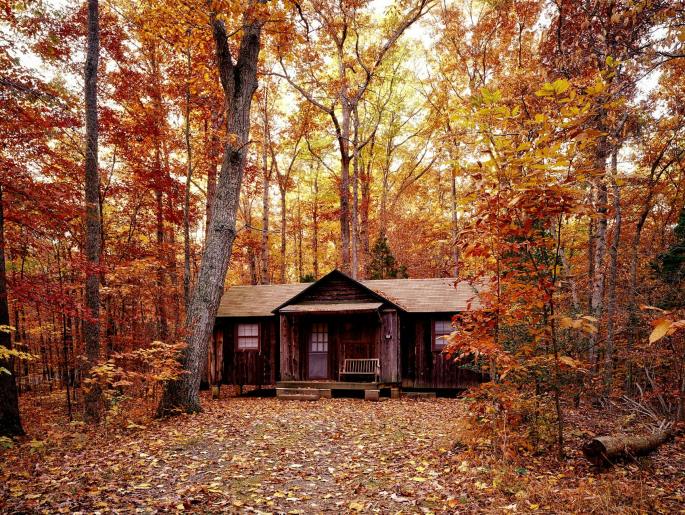
Evil Dead (2013): When Reading a Book Becomes a Death Sentence

Summarized in One Sentence: A group of friends go to a cabin to help someone get clean, but instead of kicking addiction, they end up kicking the bucket—thanks to a book that literally warned them not to read it.


Few horror remakes manage to capture the raw intensity of their predecessors while carving out their own identity, but Evil Dead (2013) accomplishes this with blood-soaked brilliance. Fede Álvarez’s reimagining of Sam Raimi’s classic is a relentless, gore-drenched nightmare that pays homage to the original while delivering a fresh, unflinching vision of terror. With stunning practical effects, a chilling atmosphere, and a surprising emotional core, Evil Dead isn’t just a worthy successor—it’s one of the best modern horror films, proving that some nightmares are worth revisiting.

The acting in Evil Dead (2013) is a standout element, with Jane Levy delivering an unforgettable performance as Mia. Her transformation from a vulnerable recovering addict to a nightmarish Deadite and ultimately a fierce final girl is both emotionally compelling and terrifying. The supporting cast, including Shiloh Fernandez, Lou Taylor Pucci, Jessica Lucas, and Elizabeth Blackmore, all bring solid performances that elevate the film beyond standard horror fare. While the dialogue leans into the genre’s typical simplicity, it avoids excessive camp, maintaining a serious and ominous tone. The script smartly uses its characters’ strained relationships—especially the tension between Mia and her brother, David—to add weight to their interactions, making their struggles feel personal even amid the carnage.

Photo by Jack Gittoes on Pexels.com

While Evil Dead (2013) doesn’t break much new ground in terms of originality, it still manages to feel fresh and engaging. The film follows the familiar setup of young adults trapped in a remote cabin with supernatural forces, closely mirroring the structure of the 1981 classic. However, it sets itself apart with a darker, more serious tone, a focus on addiction as a thematic undercurrent, and some of the most brutal practical effects in modern horror. While it doesn’t reinvent the genre or stray too far from its source material, it embraces its role as a no-holds-barred gorefest, delivering exactly what fans expect with just enough twists to keep it from feeling like a hollow rehash.

One of Evil Dead (2013)’s greatest strengths is its commitment to realism, especially in its use of practical effects and the raw, visceral nature of its horror. The injuries, gore, and character reactions feel disturbingly real, adding to the film’s relentless intensity. However, there is one noticeable inconsistency that stands out—the necklace that Mia destroys early in the film is mysteriously intact by the end. Given the movie’s otherwise grounded approach, this detail feels like a rare oversight, though it doesn’t significantly detract from the overall experience. It’s a small flaw in an otherwise immersive and brutal horror film that prioritizes tension, atmosphere, and sheer carnage over nitpicky continuity.

Evil Dead (2013) masterfully builds a suffocating horror atmosphere that lingers from start to finish. The film’s isolated cabin setting, drenched in shadows and decay, immediately sets an eerie tone, while the relentless downpour and muted color palette heighten the feeling of dread. The cinematography captures every grotesque detail with precision, making the violence feel disturbingly real, and the sound design—filled with guttural Deadite growls, bone-chilling whispers, and unsettling silence—keeps the tension razor-sharp. Unlike many modern horror films that rely on cheap jump scares, Evil Dead thrives on an unrelenting sense of terror, making viewers feel trapped alongside the characters as the horror escalates to its brutal climax. The film’s suspense is expertly crafted, with scenes that stretch the audience’s nerves to their breaking point before unleashing a horrifying payoff. Moments like Natalie cautiously approaching the plastic-wrapped Deadite in the cellar or Eric flipping through the accursed book, oblivious to the horror he’s unleashing, are masterfully paced, creating a nerve-wracking build-up before the inevitable bloodshed. Evil Dead doesn’t just shock—it keeps viewers in a state of constant, unbearable tension, proving that true horror lies in the anticipation of what’s to come.

Photo by Pixabay on Pexels.com

One of Evil Dead (2013)’s most effective horror elements is its masterful use of sound, which amplifies the film’s overwhelming sense of dread. Roque Baños’ chilling score blends seamlessly with the film’s terrifying sound design, creating an auditory experience that grips the viewer from start to finish. The standout element is the incorporation of an air raid siren into the soundtrack—a haunting, war-like wail that builds tension and signals impending doom. Rather than feeling forced, the siren melds naturally with the film’s relentless chaos, mirroring the terror unfolding on screen. Equally impressive is the film’s strategic use of silence, particularly in the climactic moment right before Mia accidentally runs over a Deadite. The near-total absence of sound creates an agonizing pause, forcing the audience to hold their breath before the sudden, explosive impact shatters the quiet with brutal force. This contrast between eerie silence and overwhelming noise is executed flawlessly, making the moment hit even harder and solidifying Evil Dead as a masterclass in horror sound design.

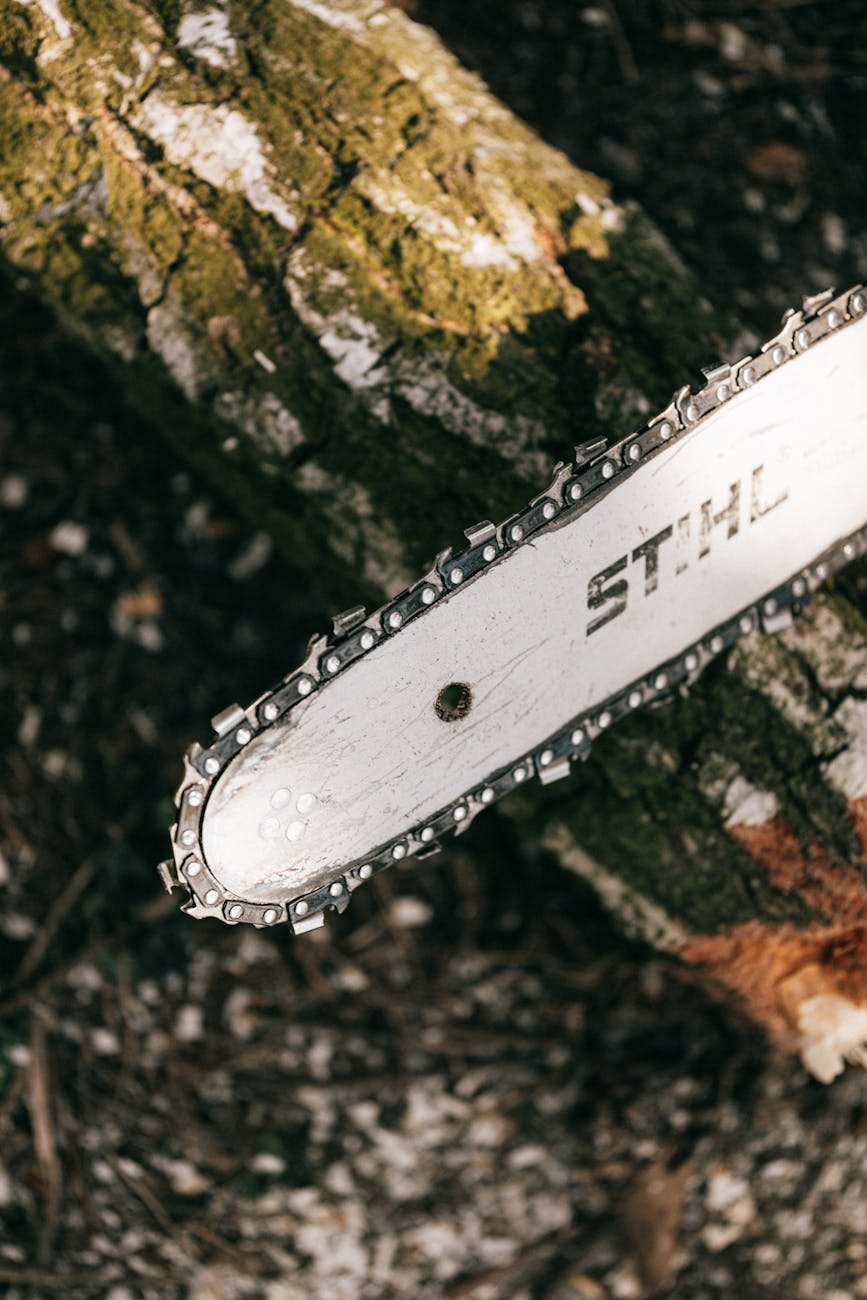
The special effects in Evil Dead (2013) are nothing short of spectacular, delivering some of the most gruesome and realistic horror visuals in modern cinema. What sets the film apart is its dedication to practical effects, with director Fede Álvarez famously avoiding CGI whenever possible. From gushing wounds to skin being peeled away, every injury and act of self-mutilation feels disturbingly tangible, adding to the film’s brutal intensity. The possessed Deadites are brought to life with horrifying makeup and prosthetics, making their grotesque transformations feel all the more visceral. Standout moments, like the nail gun attack, the brutal arm amputation, and the blood-drenched chainsaw finale, showcase just how far the film pushes its gore without feeling excessive or cartoonish. The sheer attention to detail in every blood-splattered frame makes Evil Dead a nightmarish experience that horror fans won’t soon forget.

Photo by Photo By: Kaboompics.com on Pexels.com

Another great aspect, I particularly appreciated, is that it doesn’t rely on cheap jump scares to be scary. Instead of quick, predictable frights, the movie builds up pure terror through disturbing visuals, nonstop tension, and brutal, in-your-face gore. The practical effects make every injury feel painfully real—like Mia slicing her own tongue in half or Natalie slowly sawing off her arm. On top of that, the movie plays with psychological horror, using Mia’s addiction to mess with reality and make her possession even creepier. The Deadites are genuinely terrifying, with their eerie voices, unsettling movements, and relentless cruelty. Instead of quick shocks that you forget in seconds, Evil Dead sticks with you, crawling under your skin and making sure you’ll be thinking about it long after it’s over.

One of the coolest things about Evil Dead (2013) is how it sneaks in tons of Easter eggs for fans of the original films. From the classic Delta 88 car abandoned outside the cabin—a signature vehicle in Sam Raimi’s movies—to the infamous chainsaw sitting ominously in the tool shed, the movie is packed with nods to its predecessors. Even the way the camera rushes through the woods in that frantic, demonic POV style is a direct homage to Raimi’s signature shot. There’s also the moment when Mia’s demonic voice eerily whispers, “We’re gonna get you,” echoing the creepy lullaby from The Evil Dead (1981). And while Bruce Campbell’s Ash isn’t part of the main story, his iconic presence is felt throughout, especially in the post-credits scene where he briefly appears, giving fans a simple yet satisfying “Groovy.” These little touches make Evil Dead (2013) more than just a remake—they show a deep love for the franchise while still carving out a fresh, terrifying identity of its own.

While Evil Dead (2013) is an incredibly well-crafted horror film, there are a few things that knock it down a notch. One of the biggest eye-rolling moments is when a character says, “You don’t have to do this,”—a painfully cliché line that feels out of place in a movie that otherwise takes itself seriously. The film also leans into some unnecessarily grim choices, like the discovery of a bunch of dead cats hanging in the cellar, which feels more gross than effective. On top of that, the dog’s death adds to the shock factor but feels like an overused trope in horror. The decision to read from the Book of the Dead is another frustrating moment—Eric literally has to work to translate the warnings telling him not to continue, making his actions feel even more forced and stupid. And while the film does a great job of wrapping up its main story, the last-second tease of a potential sequel feels tacked on rather than meaningful. None of these things ruin the movie, but they do hold it back from being completely flawless.

Overall, Evil Dead (2013) is a brutally intense and expertly crafted horror film that stands as one of the best remakes in the genre. With its stunning practical effects, relentless atmosphere, and nerve-shredding suspense, it delivers an unflinching experience that sticks with you long after the credits roll. While it has a few minor missteps—some unnecessary tropes, a questionable character decision or two, and a sequel-bait ending—these don’t take away from the sheer terror and craftsmanship on display. It doesn’t rely on cheap jump scares, instead using disturbing imagery, masterful sound design, and overwhelming dread to keep audiences on edge. Whether you’re a longtime Evil Dead fan or just looking for a genuinely terrifying horror movie, this one absolutely delivers.


Final Scare Me Please Score:  93 out of 100

What did you think of the movie? Anything we missed? Did you like it more than the original? Was the post-credits scene worth it? Let us know in the comments below!

Link to official trailer.

13 Irish Horror Movies to Spook Up Your St. Patrick’s Day

St. Patrick’s Day is usually all about green beer, parades, and festive celebrations—but if you’re looking to add a little terror to your holiday, why not dive into some Irish horror? From eerie folklore to modern nightmares, Ireland has produced some truly chilling films that deserve a spot on your watchlist. Whether you’re in the mood for supernatural scares, folk horror, or spine-tingling thrillers, these 13 Irish horror movies will bring the perfect dose of fear to your St. Patty’s Day festivities.

1. Caveat

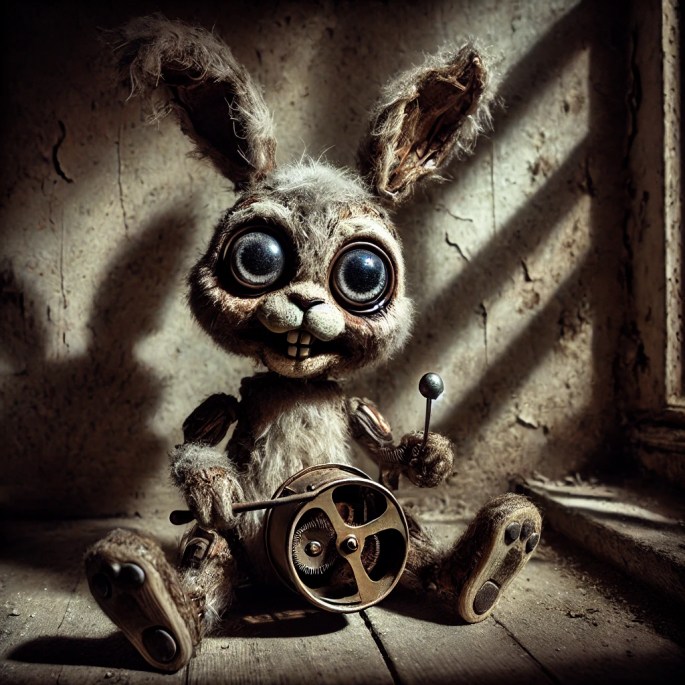
Caveat (2020) is a slow-burn psychological horror that knows how to get under your skin. The story follows Isaac, a drifter dealing with memory loss, who accepts a strange but seemingly easy job—looking after his landlord’s troubled niece, Olga, in an old, isolated house. The catch? He has to wear a leather harness that keeps him confined to certain areas, supposedly for Olga’s safety. But as Isaac settles in, eerie things start happening. Olga acts bizarrely, a creepy toy drum bunny seems to have a mind of its own, and the house itself feels like it’s hiding something sinister. As the mystery unravels, Isaac realizes he’s been lured into something far more terrifying than he ever imagined. With its unsettling atmosphere, minimal dialogue, and a sense of dread that builds with every scene, Caveat is an unique choice to watch this holiday.

2. Oddity

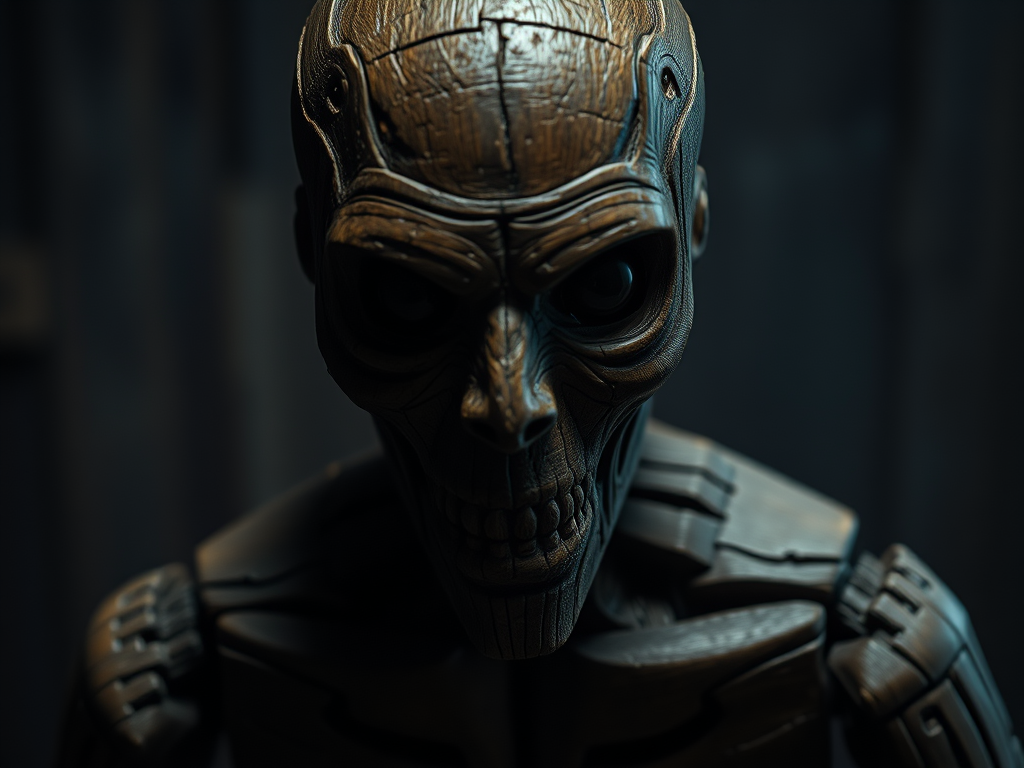
Directed by the same person as Caveat, Oddity (2024) is a psychological horror film that creeps under your skin. The story follows a woman struggling with grief after her twin sister is brutally murdered. But her mourning quickly turns into something far more disturbing as she digs deeper into the mystery surrounding her sister’s death.  She begins to sense a sinister presence lurking just beneath the surface—something that feels ancient, supernatural, and terrifyingly close.  If you’re a fan of psychological horror with a folk-horror twist, Oddity is definitely worth a watch.  Plus, the wooden doll is one of the creepiest I’ve ever seen before.

3. Nails

Photo by Feyza Yu0131ldu0131ru0131m on Pexels.com

Nails (2017) is a tense and claustrophobic horror film that turns the fear of helplessness into a living nightmare. The story follows Dana, a woman left paralyzed and unable to speak after a horrific car accident. Confined to a hospital bed with only a speech-generating device to communicate, she soon becomes convinced that a dark presence is stalking her in the room. As she desperately tries to prove that something sinister is lurking in the hospital, those around her dismiss her fears as hallucinations caused by trauma. But as the malevolent force—known as Nails—grows more aggressive, Dana realizes she’s running out of time. With eerie hospital corridors, a terrifyingly inescapable setting, and a relentless antagonist, Nails delivers a chilling blend of horror that keeps you on edge until the very end.

4. The Canal

Photo by Pixabay on Pexels.com

The Canal (2014) is a haunting supernatural thriller that combines psychological tension with chilling horror. The story centers on David, a film archivist who begins to unravel a terrifying mystery after discovering that his new home, situated next to a canal, has a dark and violent past. When his wife is murdered, David starts to believe that her death is connected to the eerie events surrounding the house. As he digs deeper into the building’s history, he becomes increasingly convinced that a malevolent force is haunting him, manifesting through disturbing visions and inexplicable occurrences. 

5. The Cellar

Photo by Jorge Teves Valdez on Pexels.com

The Cellar (2022) is a creepy supernatural horror film that knows how to build tension and keep you on edge. The story follows Keira, a mother who moves her family into an old, isolated house, only to realize something is seriously wrong with the place. When her daughter mysteriously vanishes after going down into the cellar, Keira becomes obsessed with uncovering the truth. The more she digs into the house’s dark history, the more she starts experiencing terrifying visions and encounters with an eerie, unseen force. If you’re into slow-burning supernatural horror with a creepy, haunted-house vibe, The Cellar is definitely worth a watch.

6. Boys From County Hell

Photo by Ronald Slaton on Pexels.com

Boys from County Hell (2020) is a fun and bloody horror-comedy that puts an Irish twist on the vampire genre. Set in a small, quiet town known for its local legend of Abhartach—a vampire said to have inspired Dracula—the film follows a group of road workers who accidentally disturb an ancient burial site. What starts as just another day on the job quickly turns into a fight for survival when they unknowingly awaken a terrifying and bloodthirsty creature. As the body count rises, the group must band together to stop the unstoppable before the entire town is wiped out. Blending gory thrills with dark humor and Irish folklore, Boys from County Hell is a fresh, action-packed take on vampire horror that doesn’t hold back on scares or laughs.

7. From the Dark

Photo by Francesco Ungaro on Pexels.com

From the Dark (2014) is an intense, stripped-down survival horror film that thrives on atmosphere and suspense. The story follows a young couple, Sarah and Mark, who get stranded in the Irish countryside after their car breaks down. As night falls, they stumble upon a remote farmhouse—only to realize they’re being hunted by a terrifying creature that lurks in the darkness. With no way to escape and only a dim light to keep the monster at bay, Sarah must fight to survive the night. What makes From the Dark so effective is its simplicity—it relies on tension, eerie shadows, and a relentless sense of dread rather than over-the-top effects. If you love creature features, this one is definitely worth a watch.

8. The Hole in the Ground

Photo by Nothing Ahead on Pexels.com

The Hole in the Ground (2019) is a creepy, slow-burn horror film that taps into every parent’s worst fear. The story follows Sarah, a single mother who moves to a remote house in the Irish countryside with her young son, Chris. One night, Chris disappears into the woods near a massive sinkhole, only to return acting… different. He looks the same, but something about him feels off—his behavior is unsettling, and Sarah starts to suspect that whatever came back might not be her son at all. As her paranoia grows, so does the eerie atmosphere, building up to a terrifying realization. The Hole in the Ground is a must-watch for fans of folk horror and another great choice for a St. Patty’s day movie night.

9. Grabbers

Photo by Mario Gu00f3mez on Pexels.com

Grabbers (2012) is a hilarious horror-comedy that mixes alien monsters with classic Irish pub culture. The story takes place on a small Irish island where a group of locals, including a no-nonsense police officer and her charmingly lazy partner, discover that bloodsucking sea creatures have invaded their town. The catch? The monsters can’t handle alcohol—so the only way to survive is to get absolutely hammered. What follows is a wild, booze-fueled battle for survival, packed with witty humor, fun creature effects, and plenty of Irish charm. If you love horror movies that don’t take themselves too seriously, Grabbers is the perfect mix of comedy, action, and monster mayhem.

10. Sea Fever

Photo by cottonbro studio on Pexels.com

Sea Fever (2019) is a slow-burning, horror film that blends sci-fi with deep-sea terror. The story follows Siobhán, a marine biology student who joins a small fishing crew for a research trip in the Atlantic. What starts as a routine expedition quickly turns into a nightmare when the boat gets stranded, and the crew discovers a mysterious, glowing organism lurking beneath them. As an unknown parasite begins infecting the ship, paranoia and desperation set in, forcing everyone to fight for survival. Sea Fever delivers a decent mix of isolation horror and Lovecraftian dread, making it a must-watch for fans of slow-burn thrillers like The Thing or The Abyss.

11. Unwelcome

Photo by Lord Ander Fotografia on Pexels.com

Unwelcome (2022) is a creepy, folklore-driven horror film that mixes home invasion thrills with Irish mythology. The story follows a couple, Jamie and Maya, who escape city life for a quiet house in rural Ireland, hoping for a fresh start. But their new home comes with an unsettling warning—they must leave a daily offering for the mysterious creatures that live in the woods behind their house. When they fail to follow the tradition, things take a terrifying turn as the ancient, bloodthirsty goblins known as the Redcaps make their presence known. With a mix of creature horror, suspense, and a dark fairy tale vibe, Unwelcome delivers a unique ride that keeps your attention until the end.

12. You Are Not My Mother

Photo by Steven Hylands on Pexels.com

You Are Not My Mother (2021) is a slow-burning psychological horror that taps into eerie Irish folklore and deep family trauma. The story follows Char, a quiet teenager living in a rough neighborhood in Dublin, whose mother suddenly disappears—only to return acting very… off. At first, Char tries to believe things will go back to normal, but her mother’s strange behavior grows more disturbing by the day. As Char digs into her family’s past, she starts to suspect that the person in her home might not be her mother at all. With its eerie atmosphere, unsettling performances, and a creepy folklore twist, You Are Not My Mother is a chilling, emotional horror film that sticks with you long after it’s over.

13. Leprechaun

Photo by RDNE Stock project on Pexels.com

Leprechaun (1993) is a ridiculous, campy horror-comedy that turns Irish folklore into pure ’90s B-movie fun. The story follows a greedy, mischievous leprechaun (played by Warwick Davis) who will stop at nothing to get his stolen gold back—even if it means going on a murderous rampage. When a group of unsuspecting people, including a young Jennifer Aniston in her film debut, accidentally release him from captivity, they quickly realize that this pint-sized terror isn’t just looking for his gold—he’s out for blood. With cheesy one-liners, over-the-top kills, and a bizarre mix of horror and humor, Leprechaun is the kind of so-bad-it’s-good movie that’s perfect for a St. Patrick’s Day horror binge.

Whether you’re in the mood for eerie folk horror, claustrophobic thrillers, or campy creature features, these 13 Irish horror movies offer a perfect mix of scares for your St. Patrick’s Day watchlist. From ancient curses to bloodthirsty monsters, these films tap into Ireland’s rich mythology and eerie landscapes to deliver unforgettable chills. So grab some popcorn (and maybe a pint), turn off the lights, and let these Irish horror gems bring a little terror to your holiday celebrations. Just be sure to keep an eye on the shadows—you never know what might be lurking.

Creepy wind up rabbit with drum

Caveat (2020): A Slow-Burn Nightmare of Isolation, Paranoia, and One Very Creepy Rabbit

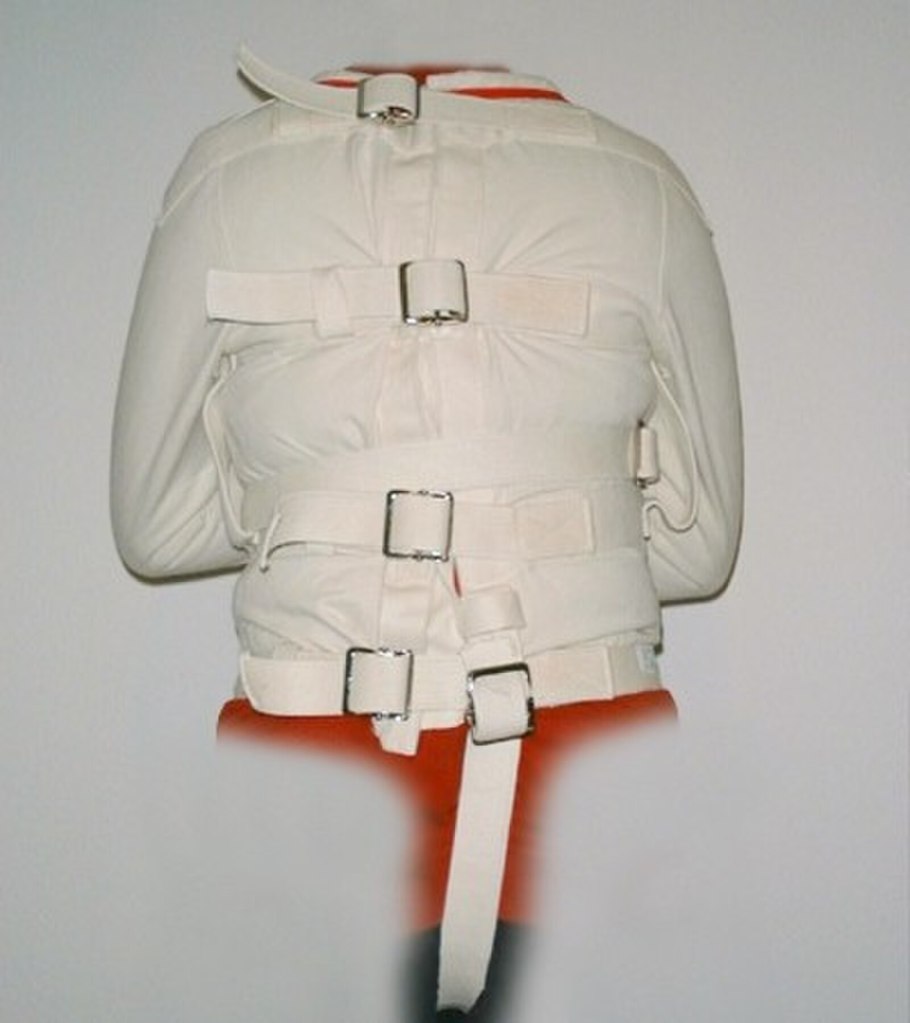
Caveat (2020), directed by Damian McCarthy, is a slow-burning psychological horror film that thrives on atmosphere and eerie ambiguity. Instead of relying on traditional horror tropes like excessive gore or relentless jump scares, it builds tension through a claustrophobic setting, eerie sound design, and an ever-present sense of dread. The story follows Isaac (Jonathan French), a drifter suffering from memory loss, who is offered a seemingly simple job: to watch over Olga (Leila Sykes), a psychologically unstable young woman, in a decaying and isolated house. However, the job comes with a disturbing condition—Isaac must wear a locked leather harness that restricts his movement within the house, a rule imposed under the guise of ensuring Olga’s safety. This restriction immediately introduces a sense of helplessness, making him feel like a prisoner rather than a caretaker, and setting the stage for a nightmarish ordeal.

Now let me just pause this review a moment to say that would be a huge “HELL NO” moment for me.  Are you kidding me?  A week locked in a jacket???  My mind would have immediately gone to every worst case scenario:  What if this guy was a psycho (which he was)?  What if there’s a fire?  What happens if I have an itch or need to shower?  Okay, back to the plot…

Photo by Klaus with K from Wikimedia.com

As Isaac begins to explore the house, he quickly realizes that something is deeply wrong. The environment itself exudes an almost tangible unease—its narrow hallways, peeling walls, and dim lighting make every shadow seem alive with sinister intent. Olga’s erratic behavior only amplifies the tension; she seems to drift between lucidity and paranoia, clutching an eerie, animated rabbit toy that appears to have a life of its own. As the film progresses, the lines between reality and delusion blur, with Isaac struggling to piece together not just his own past but also the dark secrets hidden within the house. The deeper he digs, the more he begins to suspect that his employment was never meant to be temporary—and that he may not be alone in the house.

What makes Caveat particularly unsettling is its refusal to offer clear explanations. The film doesn’t rely on excessive exposition, instead allowing the dread to build organically as Isaac’s circumstances grow more dire. The slow pacing forces the audience to sit with the discomfort, making each eerie moment stretch unbearably long, heightening the psychological horror. Every sound—a distant creak, the soft tap of the rabbit drum, the whisper of movement just out of sight—adds to the overwhelming sense of paranoia. Isaac’s own unreliable memory makes him an uncertain narrator of his own experience, making the audience question what is real and what might be a product of his fractured mind.

As the film unravels, it becomes clear that Caveat is not just about supernatural horror but also about psychological entrapment, trauma, and the consequences of the past. The harness serves as more than just a physical restraint—it symbolizes Isaac’s vulnerability and lack of control, a nightmarish metaphor for being trapped in a situation beyond his comprehension. This blend of psychological and supernatural horror makes the film feel both intimate and deeply unsettling, ensuring that its eerie imagery lingers long after the credits roll.

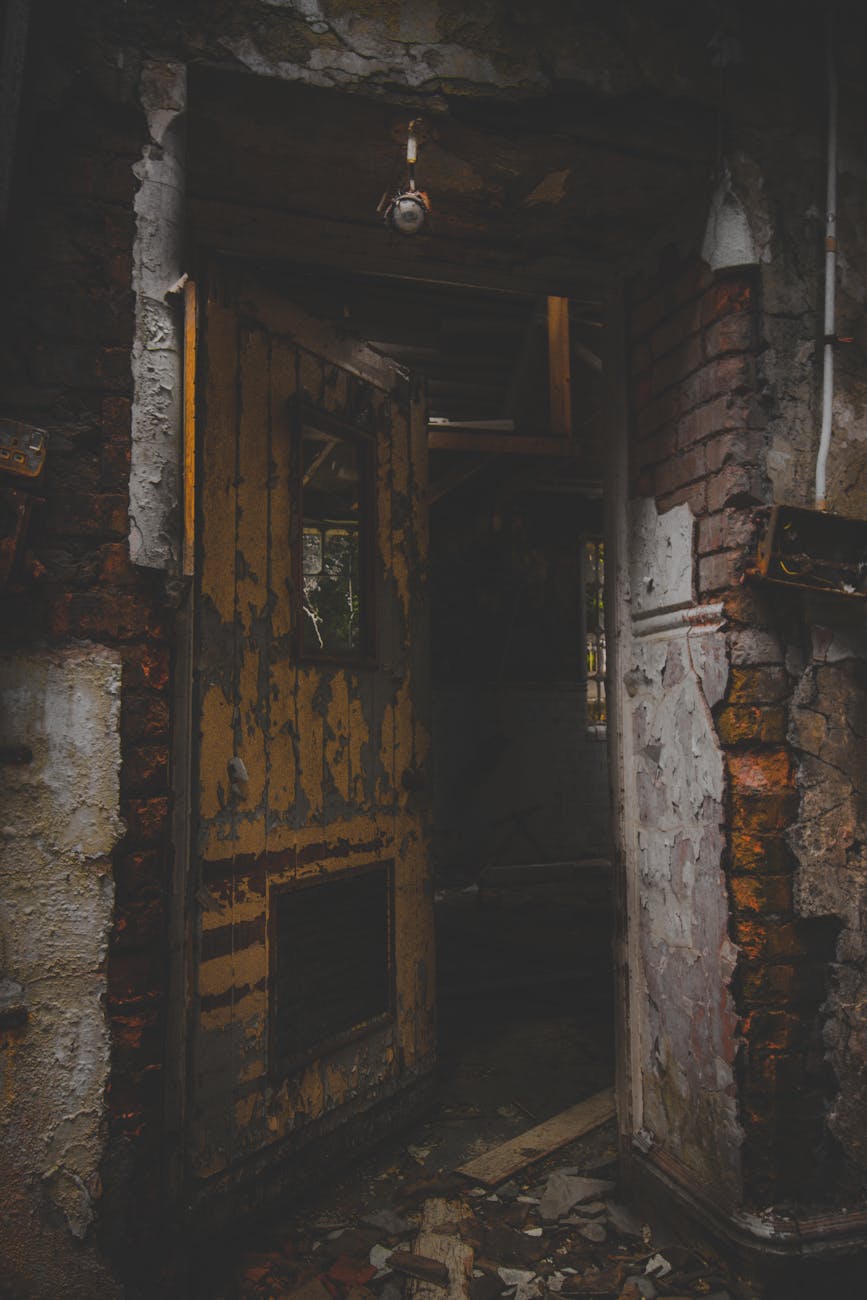
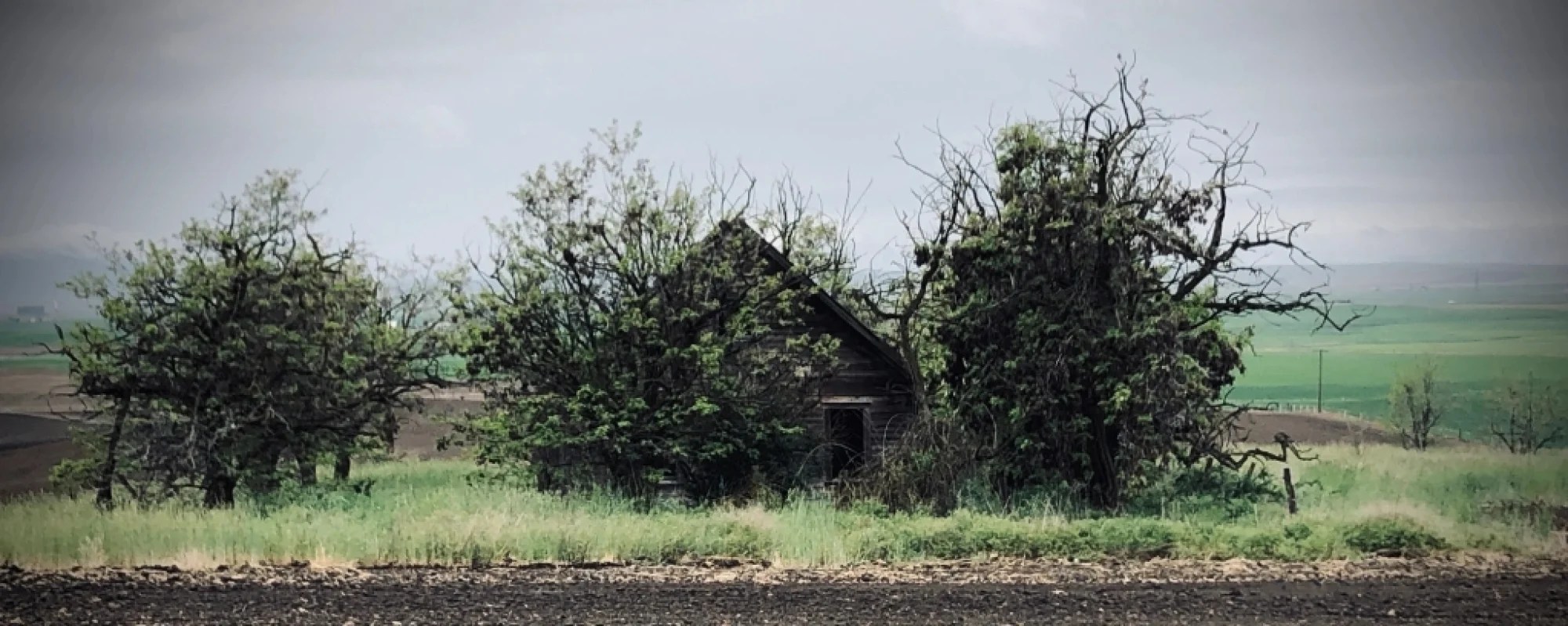
Run down, isolated house
Photo by B.S. Gu00dcLEu015eAN on Pexels.com

What makes Caveat particularly effective is its masterful use of atmosphere, which plays a more significant role in generating fear than any overt horror elements. The film’s cinematography leans heavily into dim, natural lighting that casts long shadows across the crumbling walls of the isolated house, creating an almost dreamlike sense of entrapment. Every room, corridor, and object seems to carry a heavy, unsettling presence, as if the house itself is watching. The confined spaces, peeling wallpaper, and water-stained ceilings make it feel like time has stopped inside this decaying home, trapping both Isaac and the audience in its oppressive stillness. McCarthy utilizes the setting as a character in itself, one that suffocates and disorients, making even the most mundane details—an empty chair, an open doorway, a flickering light—drip with sinister intent.

The film’s sound design is equally instrumental in building its sense of dread. Rather than an intrusive score guiding the audience’s emotions, Caveat employs an unsettlingly quiet soundscape, where every minor sound—a soft rustling, a distant creak, a faint breath—feels deafening in the stillness. Silence is used as a weapon, forcing the audience to focus on the subtlest shifts in the environment, heightening the tension to near-unbearable levels. The moments of noise, when they do arrive, are all the more effective because of this contrast. Whether it’s the clinking of Isaac’s restrictive harness or the eerie, rhythmic drumming of a wind-up rabbit toy, each sound feels meticulously placed to burrow under the skin and evoke an instinctual fear.

One of the film’s most terrifying and memorable elements is that very rabbit toy, which plays a crucial role in heightening the unease. With its wide, lifeless eyes and stiff, mechanical movements, the toy feels like something out of a nightmare—an object that should be harmless but instead feels deeply wrong. The way it moves, seemingly of its own accord, suggests an intelligence beyond simple mechanics, making it impossible to ignore its presence. McCarthy smartly uses it as both a visual and auditory cue for danger, creating moments where the simple sight or sound of the rabbit immediately instills dread. Unlike traditional horror films that rely on sudden jump scares, Caveat cultivates fear through sustained discomfort. It doesn’t bombard the audience with cheap thrills but instead relies on haunting imagery, an eerie stillness, and an overwhelming sense of helplessness that lingers long after the credits roll.

Photo by Dima Savin on Pexels.com

While the film’s slow pacing and ambiguous narrative may not appeal to everyone, its commitment to mood over conventional horror tropes makes it stand out as a unique and unsettling experience. Many horror films rely on a clear sequence of events, providing explanations for their supernatural elements or offering a linear path toward resolution. Caveat, however, deliberately withholds easy answers, opting instead for an atmosphere of unease that keeps the audience questioning what is real. This approach makes the film more challenging to engage with for viewers who prefer tightly structured narratives with well-defined arcs, but for those who enjoy horror that lingers in the mind, the ambiguity becomes one of its greatest strengths.

The characters, though intriguing, remain somewhat distant due to their psychological states, making deep emotional investment difficult at times. Isaac’s amnesia leaves him—and by extension, the audience—adrift, unable to fully grasp the reality of his situation. His limited backstory, while essential to the film’s mystery, also means that viewers may struggle to connect with him on a personal level. Similarly, Olga’s fractured psyche makes her an unpredictable presence, and while she is deeply unsettling, she is also elusive in terms of character depth. This sense of emotional detachment adds to the film’s eerie atmosphere, reinforcing the feeling that both characters are trapped in an almost purgatorial state, unable to fully process their own experiences.

Some viewers may find the lack of concrete explanations frustrating, particularly as the film raises more questions than it answers. Key plot elements are left deliberately vague, leaving room for interpretation but also potentially alienating those who prefer narrative closure. Rather than delivering a traditional climax with clear resolutions, Caveat leans into its psychological horror elements, embracing uncertainty as a means of sustaining tension. The film demands patience, rewarding those willing to immerse themselves in its strange, surreal world, but possibly leaving others feeling lost or unsatisfied.

Photo by Lord Welhim Esaga on Pexels.com

Caveat is a film that doesn’t hold the viewer’s hand, instead letting its eerie visuals, oppressive silence, and disorienting atmosphere do the storytelling. It asks its audience to sit with discomfort, to embrace the unknown, and to piece together fragments of its unsettling puzzle on their own. While it may not cater to those seeking a fast-paced or traditionally structured horror film, its commitment to psychological unease makes it a standout entry in the genre. For those who appreciate slow-burn horror that prioritizes mood over exposition, Caveat is a deeply unnerving and unforgettable experience.

Overall, Caveat is an unsettling and surreal horror film that leans heavily into psychological unease rather than relying on conventional scares. It is a film that thrives on ambiguity, creating a disorienting experience where the lines between reality, memory, and the supernatural are constantly blurred. Rather than shocking the audience with sudden jump scares or graphic horror, it builds an overwhelming sense of dread through its eerie silence, claustrophobic setting, and cryptic storytelling. For viewers who enjoy slow-burn psychological horror that prioritizes mood and suspense over action, Caveat is a must-watch. It belongs in the same category as films like The Lodge or The Others, where dread creeps in gradually, leaving audiences unsettled rather than outright terrified. Its sense of isolation and paranoia, combined with its unreliable protagonist and disjointed narrative, make it particularly appealing to those who appreciate horror that challenges perception and plays with reality. Fans of minimalist horror that thrives on silence and suggestion rather than exposition will find Caveat to be an effectively eerie and thought-provoking experience.

Photo by Efrem Efre on Pexels.com

That said, the film’s slow pacing and refusal to provide easy answers may not sit well with everyone. Those looking for a more traditional horror experience, with clear supernatural rules, a structured plot, and a satisfying resolution, may find Caveat frustrating. Its cryptic storytelling requires patience and a willingness to engage with uncertainty, which may leave some viewers feeling detached or unsatisfied. However, for those who appreciate psychological horror that lingers in the subconscious, growing more disturbing the more it is pondered, Caveat stands out as a uniquely unsettling and deeply atmospheric film that is well worth the watch.

Scare Me Please Rating:

One extremely unsettling rabbit toy winding itself up while sitting helpless in a harness, out of 100.

Have you seen this movie?  What did you think?  Anything we missed or you disagree with?  Have a suggestion for what we should watch next?  Let us know!

Link to Official Trailer

The Conference (2023) Review: A Bloody Slasher That Skewers Workplace Culture

Photo by Kindel Media on Pexels.com

The Conference (original title: Konferensen) is a Swedish horror-comedy that blends workplace satire with classic slasher thrills. Directed by Patrik Eklund and based on the novel by Mats Strandberg, the film follows a dysfunctional group of municipal employees who embark on a team-building retreat at a secluded resort. What starts as an uncomfortable corporate getaway filled with forced bonding exercises and underlying tensions quickly takes a dark turn when a masked killer begins picking them off one by one. As hidden corruption, personal grudges, and office politics bubble to the surface, the so-called retreat spirals into a gruesome fight for survival. Mixing sharp humor with brutal horror, The Conference offers a blood-soaked critique of corporate culture while delivering all the slasher thrills fans crave.

The Conference sets itself apart by seamlessly blending slasher horror with workplace satire, creating a film that is both darkly comedic and brutally intense. Rather than merely relying on traditional slasher tropes, the film takes a sharp, observational approach to corporate culture, using its horror elements to amplify the inherent absurdities of office life. From forced bonding exercises to empty motivational speeches, The Conference exposes the insincerity, power struggles, and underlying tensions that often fester in professional environments. By weaving these workplace dynamics into a slasher framework, the film turns mundane office frustrations into genuine sources of terror, making it all the more engaging for anyone who has ever felt trapped in a toxic work environment.

Photo by Mike Gonzu00e1lez on Pexels.com

The humor is both biting and painfully relatable, painting a satirical yet all-too-real picture of the social hierarchies and dysfunction that exist in many workplaces. The film doesn’t just poke fun at these dynamics—it weaponizes them, using office politics as a driving force behind the escalating horror. As the retreat unfolds, the characters’ hidden resentments and professional betrayals bubble to the surface, creating a natural tension that builds long before the first kill. This slow-burn approach makes the transition from comedy to horror feel organic rather than forced, and when the violence does erupt, it feels like a natural extension of the festering conflicts that have been simmering beneath the surface.

What makes this blend so effective is that the satire doesn’t undercut the horror—it enhances it. The film’s humor draws the audience in, making them laugh at the ridiculousness of corporate culture, only to pull the rug out from under them when the real danger arrives. By the time the killings begin, the comedic setup makes the violence feel even more shocking and unpredictable. This balance between humor and horror gives The Conference a unique tone that sets it apart from standard slasher fare, making it a standout in both the horror-comedy genre and workplace horror subgenre.

The characters, though exaggerated for comedic effect, remain surprisingly relatable, capturing the different archetypes found in any workplace— from the overly ambitious leader trying too hard to the disgruntled employee who refuses to play along. Their personal conflicts, fueled by hidden corruption and unresolved grudges, add depth to the story, making their eventual fates all the more impactful. The film uses these workplace dynamics to build suspense, turning mundane office frustrations into genuine sources of horror. The result is a slasher that not only delivers gruesome kills but also satirizes the corporate world with a razor-sharp edge.

Photo by X Y on Pexels.com

The film starts off more as a dark comedy, skillfully leaning into the inherent awkwardness of workplace retreats. It takes its time setting up the dynamics between the employees, highlighting the forced camaraderie, passive-aggressive exchanges, and mounting frustrations that make these kinds of corporate getaways so unbearable. The humor is dry and biting, with moments that feel almost too real for anyone who has ever endured an office retreat filled with trust falls, icebreakers, and empty motivational speeches. This slow-burn introduction allows the audience to get to know the characters, making the inevitable bloodshed more impactful when it finally arrives.

However, once the killing begins, The Conference wastes no time ramping up the tension and delivering relentless slasher thrills. The shift from comedy to horror is sudden but effective, catching both the characters and the audience off guard. The slasher elements are executed with precision, featuring intense chase sequences, gruesome kills, and a rising sense of dread that keeps the suspense high. The film embraces the best aspects of classic ‘80s slashers, from the unpredictability of who will survive to the sheer brutality of the deaths.

What makes these moments even more striking is the film’s use of practical effects and strong cinematography. The gore is visceral, with each kill designed to feel as brutal as possible—whether it’s a sudden, shocking attack or a drawn-out, tension-filled sequence that leaves the audience squirming. The cinematography enhances the horror, using shadows, wide shots, and claustrophobic angles to maximize the impact of each gruesome moment. Rather than relying on cheap jump scares, The Conference builds a sense of dread through its atmosphere and carefully choreographed violence, making it a standout entry in the modern slasher genre.

Photo by Marina Leonova on Pexels.com

One of the film’s greatest strengths is its ability to strike a delicate balance between humor and horror, making it an engaging and unpredictable ride from start to finish. The comedic moments are smartly woven into the script, serving as more than just throwaway gags—they provide insight into the characters, highlight the absurdity of corporate culture, and add a layer of satire that enhances the overall experience. Rather than diminishing the film’s horror elements, these well-placed moments of levity actually heighten the tension, making the brutal kills that follow feel even more shocking. The humor is dark, sometimes biting, and often uncomfortably relatable, especially for anyone familiar with office politics and the artificial camaraderie of workplace retreats.

At the center of the horror is the film’s masked killer, who, while not revolutionary in design, proves to be a menacing and highly effective presence. The character’s simplicity works in the film’s favor, keeping the focus on the suspense rather than over-explaining their origins or motives. The killer operates with a relentless brutality that keeps both the characters and the audience on edge, delivering moments of sheer chaos that feel unpredictable and intense. Their attacks are swift and unflinching, often catching victims off guard in ways that leave little time for escape. The film’s ability to blend moments of laugh-out-loud humor with pulse-pounding horror creates an experience that is both entertaining and nerve-wracking, proving that a well-executed horror-comedy can be just as thrilling as a traditional slasher.

On the downside, The Conference largely adheres to a familiar slasher formula, which may leave seasoned horror fans feeling like they’ve seen this story play out before. While the film cleverly integrates workplace satire, the overarching structure of the plot—isolated location, a group of unsuspecting victims, and a masked killer picking them off one by one—follows a well-worn path. This predictability means that while the film is undeniably entertaining, it doesn’t break new ground in terms of storytelling. Viewers who are looking for a slasher that reinvents the genre or subverts expectations may find themselves longing for more surprises.

Photo by MART PRODUCTION on Pexels.com

Another issue is the lack of depth in some of the supporting characters. While the film does a great job establishing workplace tensions and personality clashes, not all of the characters are given enough development to make their fates feel truly impactful. Some exist primarily to serve as fodder for the killer, and while this is common in slasher films, it does limit the emotional stakes. A few characters feel like they had the potential for more interesting arcs but are instead reduced to basic archetypes—the overbearing boss, the disgruntled employee, the comic relief. As a result, some deaths feel more like standard slasher set pieces rather than moments that carry weight.

Additionally, the pacing in the first act might test the patience of viewers expecting immediate horror. The film spends a considerable amount of time setting up the workplace dynamics and tensions between the employees before the bloodshed begins. While this character-driven approach allows for some strong comedic moments and makes the eventual horror more effective, those eager for non-stop thrills may find the early portion of the movie a bit slow. However, once the action starts, The Conference finds its rhythm, delivering a steady stream of suspense, gore, and chaos that keeps the energy high until the very end.

The Conference may not reinvent the slasher genre, but it delivers a highly entertaining blend of horror and comedy that stands out thanks to its sharp workplace satire and brutal kills. The film’s ability to balance dark humor with intense horror makes it a unique and engaging watch, even if its overall structure feels familiar. While some characters lack depth and the first act takes its time building momentum, the payoff is worth the wait, with thrilling chase sequences, gruesome deaths, and an atmosphere of escalating chaos. Fans of slasher films and horror comedies will find plenty to enjoy, especially those who appreciate a bit of corporate satire with their bloodshed. Whether you’re in it for the humor, the horror, or both, The Conference delivers a wild and bloody ride that’s well worth the watch.

Link to Original Trailer

The House Next Door by Darcy Coates: A Haunting Tale of Obsession and Terror

Darcy Coates has built a reputation for crafting atmospheric, spine-chilling horror novels that blend eerie settings with compelling storytelling, and The House Next Door is no exception. With its unsettling ambiance and relentless suspense, the novel immerses readers in a classic haunted house tale that delivers both thrills and mystery in equal measure. The story moves at a brisk pace, ensuring that tension remains high while never sacrificing the eerie, slow-burning dread that makes ghost stories so captivating. Packed with spine-tingling moments, shadowy figures, and an ever-present sense of unease, The House Next Door keeps readers on edge, unraveling its secrets in a way that feels both tantalizing and unsettling. Balancing supernatural horror with a gripping mystery, Coates masterfully weaves an engrossing narrative that is sure to keep fans of the genre hooked from beginning to end.

The story centers around Jo, a woman living in a peaceful suburban neighborhood—at least, it seems peaceful on the surface. However, the house next door has always unsettled her. Abandoned and shrouded in mystery, it carries a sinister reputation, with rumors of strange happenings and the eerie fact that no one who has lived there stays for long. Each former occupant has met with tragedy, reinforcing the belief that something is deeply wrong with the house.

Photo by Dominuz from wikimedia.com

Jo has always been curious about its secrets, but when a new family moves in, her fascination turns into an obsession. She feels an urgent need to warn them, especially as unsettling events begin to unfold around the property once again. What starts as a well-meaning concern soon pulls her deeper into the house’s dark history, leading her to uncover chilling truths that go beyond mere ghostly whispers. The more she investigates, the more she realizes the haunting isn’t just real—it’s far more dangerous than she ever imagined, and getting too close might come at a terrifying cost.

One of the novel’s strongest points is its pacing, which keeps the story engaging and tense without unnecessary filler. Coates doesn’t waste time with long-winded exposition or drawn-out backstories; instead, she throws the reader straight into the unsettling atmosphere of the haunted house, letting the mystery and suspense unfold naturally. From the very beginning, there’s a sense of unease that steadily builds, with eerie encounters, strange noises, and ghostly apparitions growing more intense as the story progresses.

Every chilling moment feels carefully placed to maintain a constant sense of dread without overwhelming the reader with nonstop horror. The haunting starts subtly—flickers of movement in the corner of the eye, an unnatural stillness in certain rooms—before escalating into something much more terrifying. This gradual build-up keeps the reader invested, making it impossible to put the book down.

Photo by Ekaterina Astakhova on Pexels.com

At the heart of the story is Jo, a protagonist who feels refreshingly real. She’s not the fearless, reckless type who runs headfirst into danger without thinking, but she’s also not a passive observer. Her curiosity, bravery, and determination drive the plot forward, yet she remains flawed in a way that makes her easy to relate to. She struggles with doubt, fear, and obsession, making her a well-rounded character whose actions feel believable. Watching her navigate the mystery of the haunted house while grappling with her own internal struggles adds depth to the story, making it more than just a series of scary moments—it’s also a compelling character-driven narrative.

The book leans more into suspense and atmosphere rather than outright horror, making it an excellent choice for readers who love a good ghost story without the need for excessive gore or shock value. Instead of relying on graphic scares, Coates builds tension through eerie descriptions, unsettling encounters, and the ever-present feeling that something sinister is lurking just out of sight. The novel keeps readers engaged with its creeping dread and gradual revelations rather than overwhelming them with nonstop frights, making it an ideal pick for those who prefer psychological chills over outright terror.

That said, while the book delivers plenty of spine-tingling moments, it doesn’t necessarily break new ground in the genre. Readers who seek deeply complex characters or entirely original ghost lore might find some elements of the story a bit familiar. The haunted house setup follows many of the classic tropes—strange noises, ominous history, and a protagonist drawn too deeply into the mystery for their own good. While these elements are well-executed, seasoned horror fans may find the twists and turns enjoyable but not entirely surprising.

Photo by Maria Argiroudaki on Pexels.com

Coates’ writing style is engaging and easy to read, which makes the book highly accessible to both casual readers and dedicated horror fans alike. The prose is straightforward, avoiding overly elaborate descriptions or complicated narrative structures, which helps maintain the book’s fast pacing. However, those looking for a more literary or deeply nuanced exploration of supernatural horror may find it somewhat predictable. Still, for those who appreciate a well-told ghost story that prioritizes suspense and readability, The House Next Door delivers exactly what it promises—a thrilling, spooky ride with just the right amount of mystery and tension.

Overall, The House Next Door is a solid and engaging haunted house novel that successfully delivers a gripping plot filled with eerie moments and an ever-present sense of dread. Coates crafts a story that feels both familiar and fresh, using classic ghost story elements while maintaining a level of suspense that keeps readers hooked from start to finish. The novel balances supernatural horror with psychological tension, creating an atmosphere that lingers long after the final page.

While it doesn’t necessarily reinvent the haunted house genre, it doesn’t need to—what it does, it does well. The book embraces the eerie, slow-burning tension that makes ghost stories so compelling, offering a satisfying blend of mystery, suspense, and chilling encounters. Fans of haunted house tales will appreciate the novel’s ability to maintain a sense of foreboding without relying on excessive gore or shock value. Instead, it focuses on atmosphere, unsettling imagery, and a steadily unraveling mystery that keeps the pages turning.

Photo by Suzy Hazelwood on Pexels.com

Coates’ straightforward and accessible writing style ensures that the story remains fast-paced and easy to digest, making it a great choice for both seasoned horror fans and those looking for an introduction to the genre. The narrative is engaging, the pacing is tight, and the supernatural elements are handled in a way that enhances the overall suspense.

If you enjoy atmospheric thrillers with a supernatural edge, The House Next Door is definitely worth picking up. It’s an entertaining, chilling read that provides just the right amount of spookiness, making it perfect for a late-night reading session. Whether you’re a longtime fan of haunted house stories or just looking for a fun, eerie read, this book delivers exactly what you’d expect—a satisfying and unsettling ghostly mystery.

Queen of Spades (2021) Review: A Supernatural Thriller That Deals a Familiar Hand

Photo by jalil shams on Pexels.com

Introduction

Urban legends have long been a fertile ground for horror films, turning whispered myths into cinematic nightmares. From Candyman to Bloody Mary, these tales often hinge on the idea that saying the wrong name, at the wrong time, in the wrong place can invite something malevolent into our world. Queen of Spades (2021), directed by Patrick White, attempts to tap into that same vein of supernatural horror, drawing from a well-known Russian urban legend. The Queen of Spades is said to be a vengeful spirit who can be summoned through a ritual involving a mirror, much like Bloody Mary, but with far deadlier consequences. The film takes this chilling folklore and brings it to life, placing a group of unsuspecting teenagers in the path of the relentless entity.

The story follows a group of friends who, in typical horror fashion, stumble upon the ritual to summon the Queen of Spades and decide to test the legend for themselves. What starts as a seemingly harmless game quickly spirals into terror as the entity begins to hunt them down, picking them off one by one. Drawing clear inspiration from The Ring, Ouija, and other supernatural horror films centered around cursed rituals, Queen of Spades strives to deliver an eerie atmosphere, supernatural tension, and a vengeful ghost story. But does it succeed in adapting the chilling Russian legend into a gripping modern horror film, or is it simply a forgettable rehash of familiar tropes?

Horror Elements

One of Queen of Spades’ strongest elements is its foundation in folklore-based horror, drawing from the eerie Russian legend to create a sense of ritualistic dread. The film effectively sets up the summoning process, making the supernatural threat feel tangible and inevitable, much like the urban legends surrounding Bloody Mary or The Ring. By grounding the horror in a well-established myth, the story gains an extra layer of authenticity, as if the events could unfold in real life under the right (or wrong) circumstances.

Despite its limited budget, the film successfully cultivates a creepy atmosphere through dim lighting, eerie shadows, and unsettling reflections, using visual tricks to heighten the sense of paranoia and dread. The cinematography leans heavily on darkness, flickering lights, and confined spaces to create an oppressive mood, making every hallway, mirror, or shadowed corner feel like a potential gateway for the supernatural. The abandoned or dimly lit locations serve as perfect backdrops for supernatural encounters, reinforcing the feeling that the characters are never truly safe. The use of reflections is particularly effective, playing into the film’s theme of the Queen of Spades as a lurking, omnipresent force that can manifest at any time.

The film also employs sound design to enhance its eerie tone, with whispering voices, distant echoes, and sudden distortions that make the environment feel alive with unseen horrors. Subtle background noises add to the tension, creating the unsettling impression that something is always watching, even when nothing appears on screen. Moments of silence are used strategically, building anticipation before a scare, rather than relying solely on loud, jarring jump scares.

Additionally, the use of practical effects and minimal CGI helps maintain a sense of realism, ensuring that the horror feels tangible rather than overly stylized. The Queen of Spades herself is often hidden in the periphery, appearing in quick glimpses rather than being overexposed, which adds to the film’s psychological horror elements. By keeping the entity’s presence unpredictable, the film sustains a lingering sense of fear, making even mundane objects—like a mirror or a shadowed doorway—feel threatening. These atmospheric choices elevate the tension and contribute to the film’s most effective horror moments, demonstrating that even with a smaller budget, a well-crafted atmosphere can go a long way in creating genuine unease.

 While the film doesn’t break new ground in terms of scares, it does manage to deliver a few effective moments, particularly those involving mirrors and the entity’s sudden, unpredictable appearances. The use of reflections as a medium for horror adds to the film’s unsettling nature, creating a sense of disorientation and fear that lingers even in quieter scenes. Though the film may not be packed with relentless jump scares, its eerie visuals and suspenseful moments contribute to an atmosphere that fans of supernatural horror will likely appreciate.

Movie Elements

While Queen of Spades has a solid foundation in Russian folklore, its execution suffers from a lack of originality, making it feel like a retread of other, more effective supernatural horror films. The plot follows a familiar and predictable structure—reckless teenagers perform a ritual, unleash a vengeful entity, and desperately try to reverse their mistake as the body count rises. This well-worn formula, reminiscent of The Ring and Ouija, lacks fresh twists or unique storytelling elements to set it apart. The film leans heavily on genre conventions without subverting or expanding them in any meaningful way, making the story feel more like an imitation than a new take on the legend.

Compounding this issue is weak character development, as the protagonists feel like generic horror archetypes rather than fully realized individuals. The film doesn’t invest much time in making the audience care about the characters beyond their roles as inevitable victims. Their relationships and personalities remain shallow, offering little in the way of emotional stakes or personal struggles that might make their impending doom more impactful. Because of this, when the horror elements kick in, there’s a noticeable lack of tension—without compelling characters to root for, the scares become just a series of expected beats rather than moments of genuine suspense.

The acting in Queen of Spades (2021) is serviceable but ultimately unremarkable, with performances that fail to elevate the film beyond its predictable horror framework. The young cast, while competent, struggles to bring depth to their characters due to the script’s lack of development. Many of the protagonists fall into generic horror archetypes—the rebellious teen, the skeptic, the frightened believer—without much nuance or individuality. Because of this, their performances often feel flat, making it difficult for the audience to emotionally invest in their fates.

Lead performances do offer moments of genuine fear, particularly in the film’s more intense sequences, but these moments are inconsistent. Some scenes feature convincing expressions of terror, while others feel more forced or exaggerated, diminishing the overall impact. The lack of chemistry between the main characters also weakens the film’s emotional core, as their relationships feel underdeveloped and rushed. Without strong interpersonal dynamics, the stakes never feel as high as they should, making their inevitable confrontations with the supernatural entity less compelling.

The supporting cast fares slightly better, particularly in roles that lean into the film’s eerie atmosphere. Any adult characters, especially those tied to the legend or exposition-heavy moments, bring a sense of mystery and intrigue, though they often feel underutilized. The Queen of Spades herself, though mostly relying on physical presence and eerie movements rather than traditional acting, is effectively unsettling, adding to the film’s best horror moments. However, without standout performances or emotionally resonant characters, the acting in Queen of Spades does little to distinguish it from other mid-tier supernatural horror films.

Even the film’s execution of horror elements, which should have been its strongest asset, feels uninspired. Many of the scares are heavily telegraphed, following a predictable rhythm that makes them easy to see coming. The film also struggles with pacing, failing to build and sustain an atmosphere of dread. Instead, it rushes through character moments while dragging out less effective suspense sequences, leading to a disjointed feel. Without a strong hook, a well-developed antagonist, or a fresh take on its folklore-based premise, Queen of Spades ultimately becomes another forgettable entry in the supernatural horror genre. Despite the rich mythology behind its legend, the film fails to capitalize on its potential, offering little more than a formulaic and uninspired experience.

Conclusion

Queen of Spades (2021) is a passable supernatural horror film that delivers a handful of eerie moments but ultimately fails to stand out in an oversaturated genre. While it benefits from an unsettling atmosphere and a premise rooted in a chilling Russian urban legend, it struggles to bring anything new to the table. The film leans heavily on familiar horror tropes—an ancient ritual gone wrong, a vengeful spirit hunting down those who invoked it, and a desperate attempt to break the curse—all of which have been explored more effectively in other films. Rather than building on its folklore-inspired concept to create a unique and memorable horror experience, it plays things too safe, sticking to predictable plot beats that seasoned horror fans will see coming from a mile away. Although the film has moments of tension, particularly in its use of mirrors and reflections to heighten the supernatural element, these scares feel formulaic rather than genuinely terrifying. The pacing is uneven, with stretches of slow build-up that fail to create meaningful suspense, followed by rushed sequences of horror that lack impact. The characters, while serviceable, lack depth, making it difficult to connect with their struggles or fear for their survival. Without strong emotional stakes or a truly innovative take on its central legend, Queen of Spades ends up feeling like just another supernatural horror film rather than a standout entry in the genre. It’s watchable for those who enjoy ghostly folklore and classic urban legend horror, but it doesn’t do enough to leave a lasting impression.

Ultimate Verdict:

I’d rate Queen of Spades: Ominous mirror reflections that definitely weren’t there a second ago, out of 100.

Have you watched this movie?  What did you think of it?  Anything we missed? Have an idea for what we should watch next? Drop a comment below to let us know!

Link to Official Trailer

Ghost Camera by Darcy Coates: A Gripping Collection of Supernatural Horror Stories

Haunted camera

Some photographs reveal more than they should, and in Ghost Camera by Darcy Coates, that discovery turns deadly. This eerie collection of short horror stories centers around supernatural encounters, with the title story following Jenine, who finds an old camera that captures ghostly figures invisible to the naked eye. What starts as a curiosity soon becomes a terrifying ordeal as the spirits grow more hostile, and she realizes she’s entangled in something far beyond her control. Each story in the collection delivers its own dose of suspense and creeping dread, making Ghost Camera a thrilling read for fans of atmospheric and unsettling horror.

The very first story, Ghost Camera, is a fast-paced and eerie read that pulls you in from the start. The story follows Jenine, who finds an old camera and quickly realizes it has a terrifying ability—it captures images of ghosts that aren’t visible to the naked eye. At first, she’s just curious, snapping photos to see what appears, but things take a dark turn when the ghosts start getting closer in each picture. Soon, they’re not just standing in the background—they’re watching her, reaching for her, and making it clear they want something. As Jenine scrambles to figure out where the camera came from and how to escape its curse, she uncovers a disturbing pattern: every previous owner met a horrible fate. With time running out, she’s forced into a dangerous fight to break free before she becomes the next victim. Ghost Camera is a suspenseful, quick read packed with creepy imagery, mounting dread, and a plot that keeps you hooked until the final, chilling moment.

Creepy lighthouse on deserted stretch of beach.

While Ghost Camera is the standout story in the anthology, most of the other entries, while entertaining, don’t leave much of a lasting impression. The Run to Broken Ridge Lighthouse sets up an eerie atmosphere with its solitary stretch of beach and grisly backstory, but it never quite delivers on its suspense, leaving the resolution feeling somewhat underwhelming. Similarly, Death Birds provided an interesting sci-fi premise with some tense moments, but the predictable twists make it less impactful compared to the stronger stories in the collection.  The rest of the stories included:  Payment for the Dead, Untamed Things, The House on Boxwood Lane, Remains, and Cathedral.  They weren’t terrible stories by any means, but just didn’t stick with me (I actually had to go back to the book while writing this so I could remember what these stories were). All were enjoyable in the moment, but just lacked the supreme creepiness I was longing for.  

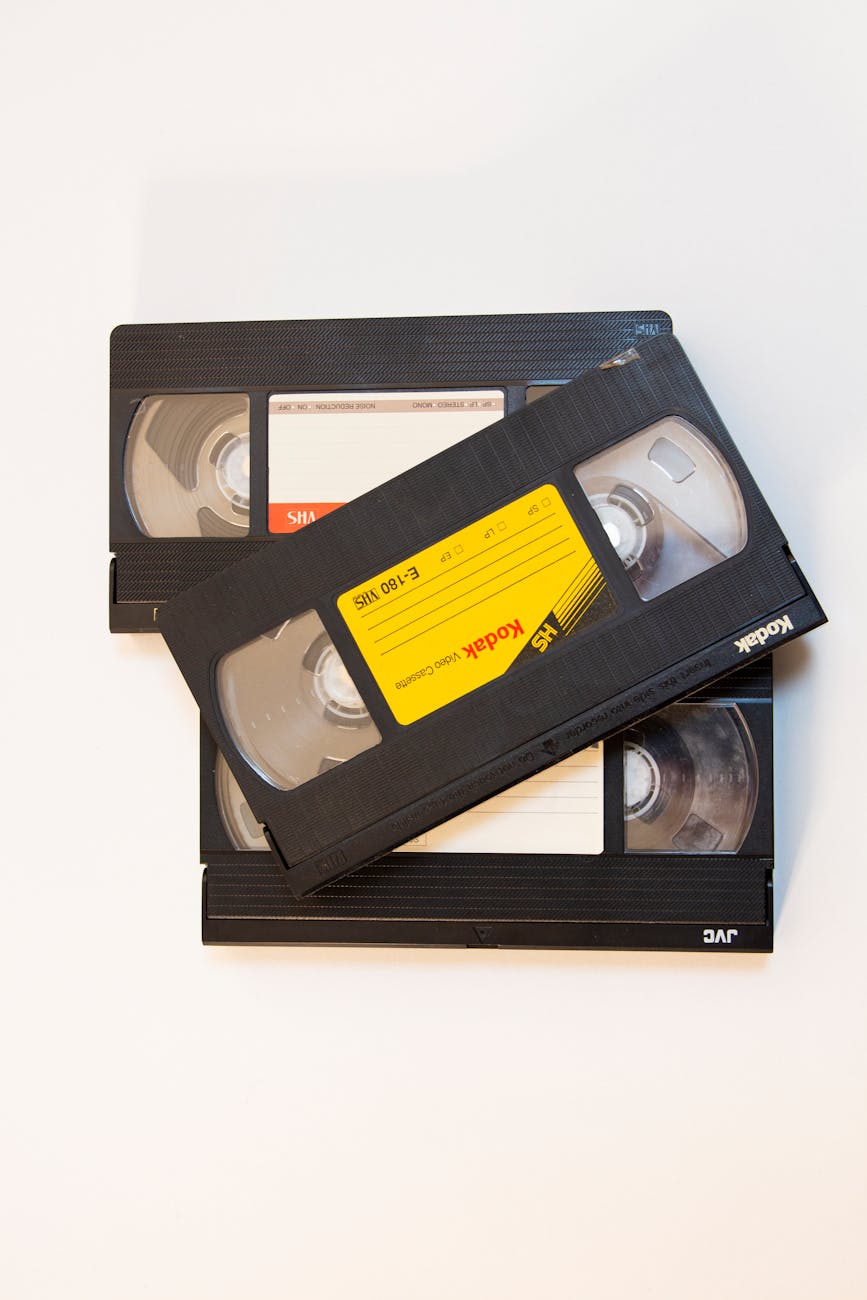
That all changed when I listened to the final story, A Box of Tapes.  This short horror story is a gripping, edge-of-your-seat thriller that masterfully builds tension from the moment the mother discovers the mysterious box of VHS tapes in her daughter’s closet. The ominous note—“Do not watch, you’ll regret it”—immediately sets the tone for the dread that follows. As she gives in to curiosity and plays the tapes, the gruesome murders they reveal are disturbing enough, but the real terror begins when her daughter starts seeing the eerie woman from the recordings in real life. The story expertly escalates the suspense, making every shadow and every flickering screen feel like a threat. Just when you think you have it figured out, the twist ending pulls the rug out from under you, leaving a lingering sense of unease. With its tight pacing, unsettling imagery, and relentless sense of dread, this is a short horror story that sticks with you long after the final page.

Blank VHS tapes.
Photo by Paul Seling on Pexels.com

I read this story on a work night (I have to wake up at 4:30 AM), and it was so enthralling that I couldn’t bring myself to stop, even when I knew I’d regret it in the morning. I stayed up until after 11, completely absorbed, listening to every eerie detail unfold. The tension kept building, and just when I thought I had a moment to breathe, something even creepier would happen, making it impossible to turn it off. Even after I finally forced myself to stop, the story lingered in my mind, making it nearly impossible to fall asleep. Every shadow in my room felt darker, every little creak in the house sent a shiver down my spine, and I kept replaying the most unsettling moments in my head. It took over an hour before I could finally drift off, and even then, I half-expected to wake up in the middle of the night and see the lady from the tapes in my bedroom.

The characters in this short horror story are incredibly well-developed, making the terror feel all the more real. The mother is a compelling protagonist—her love for her daughter is evident in every decision she makes, and her growing fear and desperation are palpable as she tries to protect her child from the horrors unfolding around them. Her reactions feel authentic, balancing skepticism, dread, and an increasing sense of helplessness as the tapes’ dark secrets unravel. The daughter is equally engaging, with her innocent confusion turning into sheer terror as she begins to see the eerie woman from the recordings in real life. The mother-daughter bond adds an emotional depth that makes the horror even more intense, as their struggle feels deeply personal rather than just a supernatural mystery. And, of course, the mysterious woman committing the murders is a chilling presence—her eerie, otherworldly nature lingers throughout the story, making her feel like a true nightmare come to life. Each character plays a crucial role in the suspense, making the twists and final revelation all the more haunting.

Crow in a tree
Photo by Stephen Noulton on Pexels.com

As I mentioned earlier, none of the other characters in any of the stories really stood out to me in a memorable way. While some had interesting backstories or were placed in intriguing situations, their personalities and development felt somewhat generic, making it hard to connect with them on a deeper level. Even the characters in the main story, Ghost Camera, didn’t leave a strong impression on me. While the plot itself was gripping and the suspense kept me engaged, the characters felt more like vehicles for the story rather than fully fleshed-out individuals. I still thoroughly enjoyed the eerie atmosphere and the way the tension built throughout, but I found myself more invested in the mystery of the camera than in the people caught up in it.

Writing an in-depth review for an anthology of short horror stories can be challenging because each story is so different in terms of plot, pacing, and scares. Some stories rely on slow-building psychological horror, while others dive straight into fast-paced, supernatural terror, making it difficult to analyze them as a cohesive whole. However, one thing that remains consistent throughout is the writer’s ability to craft an eerie and immersive mood in every story. No matter the premise, the tension is always palpable, and the unsettling tone lingers long after each tale ends. I also appreciated how varied the settings were—each story took place in a unique and well-described environment, from isolated lighthouses to haunted houses and cursed objects, keeping the anthology fresh and engaging. While some stories stood out more than others, the author’s skill in creating chilling atmospheres and vivid locations made the entire collection an enjoyable and unsettling read.

Overall, Ghost Camera is a chilling and suspenseful collection that showcases Darcy Coates’ talent for crafting eerie, immersive horror. While some stories are more memorable than others, the anthology as a whole delivers a consistently haunting atmosphere with a strong sense of tension and dread. The title story, Ghost Camera, and ending story, A Box of Tapes, stand out as the most gripping, blending supernatural terror with an engaging mystery that keeps readers hooked until the very end. Though the characters may not be the most distinctive, the unsettling settings and expertly built suspense make up for it, ensuring that each story leaves a lasting impression. Whether you’re a longtime fan of Coates or just looking for a quick, creepy read, Ghost Camera is a solid choice that delivers plenty of eerie moments and spine-chilling surprises.

What did you think? Have you read this book? If so, what was your favorite story in it? Have a book recommendation? Let us know in the comments below!

Leprechaun: Origins Review

Photo by Elias Tigiser on Pexels.com

Introduction

Leprechaun: Origins (2014) tries to take the franchise in a darker, more serious direction, but ends up stripping away everything that made the original Leprechaun movies fun. Instead of Warwick Davis’ mischievous, wisecracking killer, we get a generic, snarling creature that barely resembles a leprechaun at all. The story follows a group of American tourists in Ireland who stumble upon a cursed village and quickly become prey for the monstrous leprechaun.  As always, I watched this one twice, so let’s dive right in.

Horror Elements

The horror in this film leans heavily on dark, claustrophobic settings, as the characters find themselves trapped in a remote village where the locals have been offering sacrifices to keep the creature at bay. The filmmakers rely on a mix of creature horror and survival horror, creating a tense atmosphere as the protagonists try to escape an enemy they barely understand. Unfortunately, while the setting and setup have potential, the execution falls short, making the film feel more like a generic monster movie than a true Leprechaun reboot.

One of the film’s main horror elements is its creature design, which trades the recognizable, mischievous leprechaun for something more animalistic. The new leprechaun is barely seen for much of the movie, with quick cuts and shadowy glimpses used to build suspense before its full reveal. When we finally do see it, the design is underwhelming—it looks more like a hairless goblin or some kind of subterranean monster rather than a mythical Irish creature.  Honestly it reminded me of the cave-dwelling creatures in the movie “The Descent”, just not as scary. 

The film tries to use this more monstrous approach to create fear, but it lacks personality and memorable traits, making it hard for audiences to feel any real attachment or terror. The kills, while brutal, are mostly standard fare for creature features, with slashing, mauling, and the occasional gore shot, but none stand out as particularly inventive or shocking. Without a compelling villain at its core, the film struggles to maintain real tension or excitement.  

In case my previous two paragraphs weren’t clear enough, let me just emphasize: the monster in this movie does NOT resemble a Leprechaun in any way, shape, or form whatsoever. Honestly, it’s baffling. Not only does it completely abandon the leprechaun’s traditional look—the little green suit, the mischievous grin, the obsession with gold—but it also ditches all the playful, trickster qualities that made the original films so fun. Did I mention they gave this creature thermal vision? Yes, you heard that right. A leprechaun with thermal vision. In what corner of Irish folklore does it ever mention leprechauns being able to see heat signatures like a predator? I’m still scratching my head over that one. It feels like the filmmakers just slapped the Leprechaun name on this generic creature-feature without any understanding of the source material. 

I’m genuinely at a loss for how a movie with the Leprechaun name could get the entire concept of the monster so completely and utterly wrong. It’s not just a misstep; it’s a fundamental misunderstanding of what makes the franchise, and leprechauns themselves, memorable. The whole thing feels disconnected, like they tried to create something terrifying without any regard for the iconic myth they were supposedly working with. Did the film makers even watch any of the original movies?  Experience a St. Patty’s day celebration??  Eat a bowl of Lucky Charms???

Okay, done venting, back to my review…

The final major horror element is the sense of isolation and helplessness, as the characters find themselves hunted in unfamiliar territory. The Irish countryside, with its dense forests and eerie ruins, could have been used to great effect, but the film doesn’t fully take advantage of its setting. Instead, much of the action takes place in dimly lit barns and underground tunnels, which, while claustrophobic, don’t add much to the atmosphere. The villagers, who know more than they let on, provide a brief folk horror element, but their role is minimal and lacks depth. Without strong world-building or an engaging antagonist, Leprechaun: Origins fails to deliver the chilling, folklore-infused horror it aims for. Instead, it feels like a generic creature feature that just happens to use the Leprechaun name, making it a disappointment for both fans of the franchise and horror lovers looking for something fresh.

Movie Elements

Leprechaun: Origins seriously lacks creativity, which is a huge letdown for a franchise known for its weird, over-the-top fun. Instead of putting a fresh spin on the classic leprechaun myth, the movie strips away everything unique and replaces it with a generic monster flick that could’ve been about any random creature. The leprechaun itself doesn’t even look or act like one—it’s just a mindless, growling beast that spends most of the movie lurking in the shadows. There’s no personality, no clever kills, and no fun mythology to make it stand out. Even the setting, rural Ireland, could have been used to add some eerie folklore vibes, but the film barely takes advantage of it. Instead, we get a by-the-numbers survival horror movie that could’ve been called anything else and no one would have noticed. For a reboot, it plays things way too safe, making Leprechaun: Origins feel more like a forgettable SyFy Channel creature feature than a fresh take on a cult classic.

The acting in Leprechaun: Origins is as forgettable as the rest of the movie. The cast, made up mostly of unknowns, delivers bland and uninspired performances, with characters that feel more like horror movie stereotypes than real people. You’ve got the standard group of clueless American tourists who make dumb decisions and spend most of the movie either screaming or arguing. There’s no real chemistry between them, and since the script doesn’t give them much to work with, it’s hard to care about anyone’s survival. Even WWE’s Dylan “Hornswoggle” Postl, who plays the leprechaun, is completely wasted since the creature is barely seen and has no personality. Without a strong villain or interesting protagonists, the performances fall flat, making the movie feel even more lifeless than it already is.

The cinematography is just as disappointing as the rest of the film. Instead of using the Irish countryside (it doesn’t look like Ireland) to create an eerie, atmospheric horror vibe, most of the movie is shot in dark, cramped locations that make it hard to see what’s going on. The filmmakers rely way too much on shaky cam and quick cuts, especially during action scenes, which makes the few monster attacks more frustrating than scary. Even when the leprechaun is on screen, the camera work and lighting hide it so much that you never get a good look at the creature.  There was a real opportunity to use moody lighting, creative angles, or even some cool folklore-inspired visuals, but instead, we get a generic, poorly lit horror movie.  Side note- why are all the villagers dressed as though they’re from the mid 1900s?  What was the point of that?

Let me just say, it was seriously tough for me to sit through this one twice because it was just so bland and boring. The pacing dragged, the dialogue was lifeless, and there was absolutely nothing that kept me invested in what was happening on screen. Not only was I able to guess the entire plot within the first 15 minutes, but I even predicted the exact order in which the main characters would die—down to the last survivor. There were no surprises, no twists, and definitely no moments that made me feel even the slightest bit of suspense. I kept hoping for something—anything—to shake things up, but it just stuck to the most generic horror formula possible. I mean, come on… if your movie is this predictable, at least make it fun or give us a villain worth watching. Instead, I was left counting the minutes until it was finally over.

Conclusion

While the film attempts to go for a gritty, creature-feature vibe, it falls flat with forgettable characters, dull kills, and a lack of the franchise’s signature campy charm. Honestly, if the movie had been named anything-and I mean ANYthing else, I would have said it wasn’t half bad.  I probably could have enjoyed it a bit.  But they didn’t- they called this movie Leprechaun Origins because this was supposed to be a reboot for the beloved cult classic.  If you’re looking for the goofy, over-the-top fun of the original Leprechaun films, you won’t find it here—just a bland, uninspired horror flick that doesn’t do the series any favors.  

Final Scare Me Please Score:  That is not a leprechaun, out of 100

Link to Official Trailer

Have you watched this movie?  What did you think of it?   Was it just as disappointing to you as it was to us?  Anything we missed? Have an idea for what we should watch next? Drop a comment below to let us know!

Ghost Stories Review

Introduction

Ghost Stories (2017) is a chilling British horror anthology that blends psychological and supernatural terror into a suspenseful, twist-laden film. Directed by Jeremy Dyson and Andy Nyman, the film follows Professor Philip Goodman, a skeptical investigator of paranormal claims, as he examines three disturbing cases that challenge his beliefs. With its eerie atmosphere, unsettling storytelling, and strong performances, Ghost Stories aims to pay homage to classic horror anthologies while offering a fresh take on the genre.

Let me be upfront by saying I am a huge fan of horror movie anthologies—I seem to enjoy them even when they aren’t particularly well-made. There’s something about the structure of interconnected, bite-sized tales of terror that I find irresistible. However, that doesn’t mean I can’t recognize when an anthology falls flat or fails to deliver a satisfying experience. Some rely too heavily on jump scares, while others struggle with pacing or weak wraparound stories. So where does Ghost Stories rank among its peers? Does it deliver a hauntingly memorable experience, or is it just another forgettable entry in the genre? Let’s take a closer look.
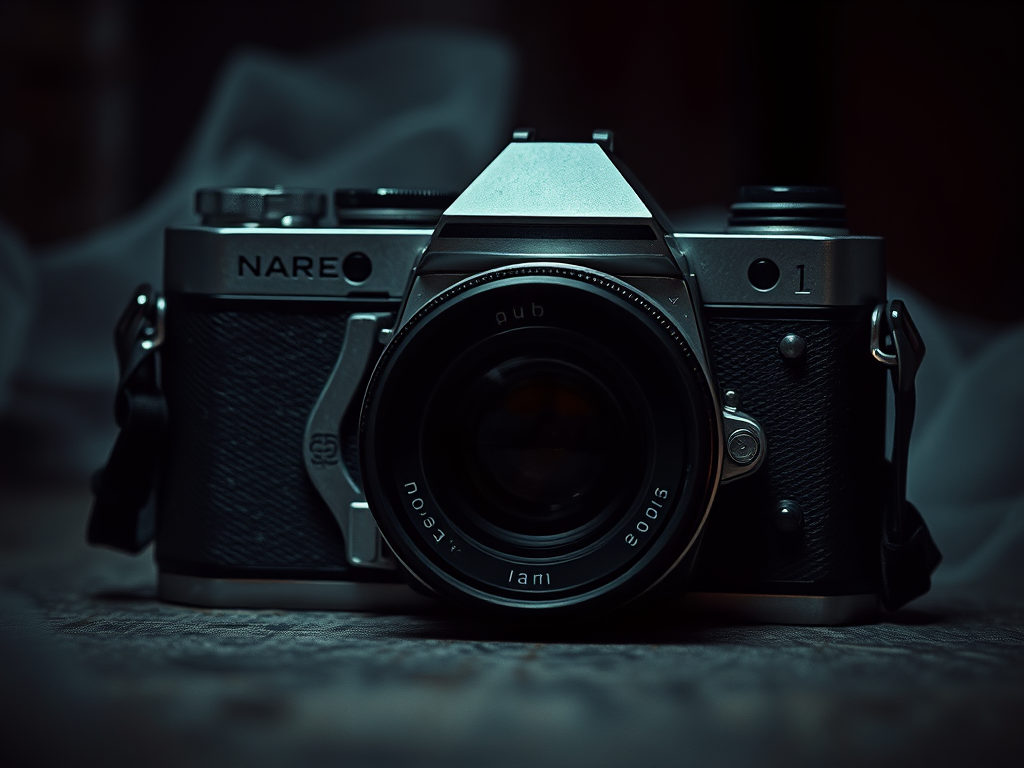
Horror Elements

At the beginning of the movie, the true antagonist isn’t immediately clear, as the film presents itself as a straightforward supernatural investigation. Initially, the cases Professor Philip Goodman examines seem to suggest that the ghosts and demons haunting the victims are the primary sources of terror. However, as the film progresses, it becomes evident that the real antagonist is something far more psychological—Goodman himself. His deep-seated guilt and suppressed trauma manifest through the terrifying stories he encounters, leading to a shocking revelation that reframes the entire narrative. The sinister force at play isn’t just the supernatural but the haunting nature of Goodman’s own mind, making Ghost Stories as much a psychological thriller as it is a horror film.  Honestly, I went into this movie not knowing this (the trailer doesn’t give too much away), so I initially thought this was just going to be another supernatural-scares sort of film.  This made the psychological twist so much more powerful at the end.  
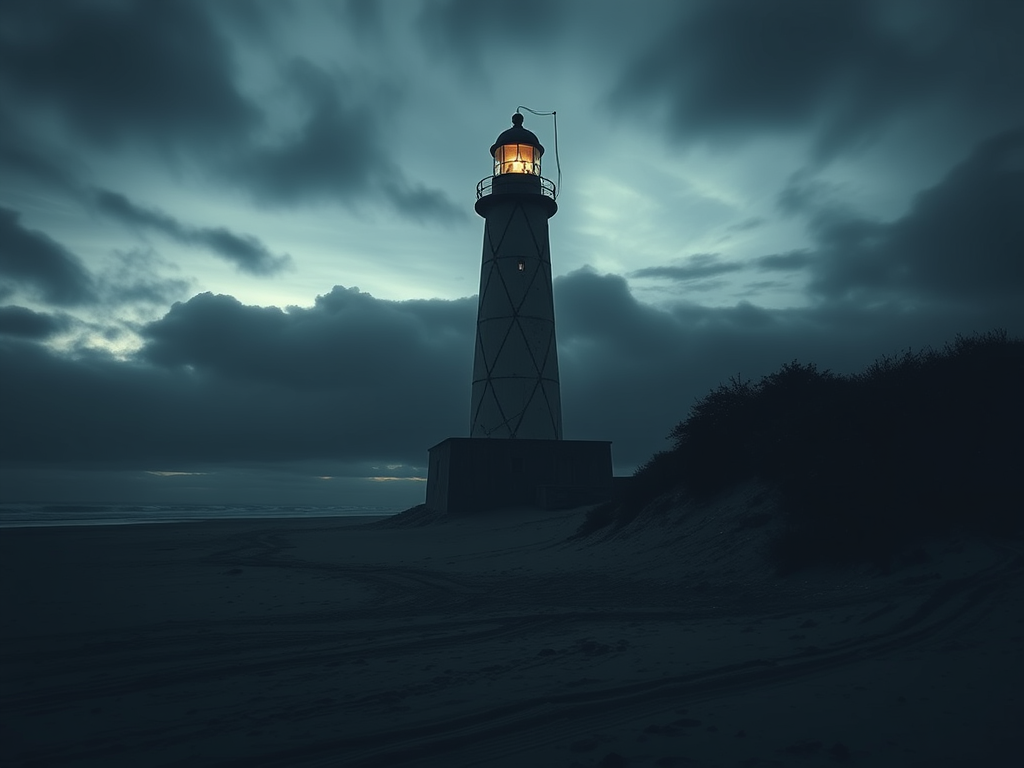
Professor Philip Goodman is a highly believable protagonist in Ghost Stories (2017), thanks to both strong writing and Andy Nyman’s nuanced performance. As a skeptic and debunker of the paranormal, Goodman is grounded in logic and reason, making his descent into fear and uncertainty all the more compelling. His reactions to the eerie events he investigates feel natural—initially dismissive, then subtly unnerved, and eventually completely unraveled. Unlike many horror protagonists who make irrational decisions for the sake of scares, Goodman approaches each case methodically, making his transformation into a man questioning his own reality all the more effective.  This slow suspenseful build only adds to the horror. His backstory, which is gradually revealed, adds layers to his character, making him not just a vessel for the audience but a deeply flawed and human figure whose fears are far more psychological than supernatural.

In addition to having a believable protagonist, I also felt as though the different characters’ reactions were uniquely portrayed by their character and realistic.  With the first case to be examined, that of Tony Matthews, his reaction to the supernatural events reflects what his character would actually do:  turn on a happy song up loud, call his co-worker for comfort, pick up a hammer (weapon), and call out a threat to whatever is out in the darkness tormenting him.  Simon Rifkind, the second case study, reacts in a similar fashion in that he attempts to grab a weapon (a rolled up map is better than nothing).  Instead of going into “fight mode” as Matthews did, he instead chooses to run from the car when the monster enters it.  Considering how fragile his character seems, this fits what he’d actually do quite well.  Finally, Mike Priddle, the 3rd and final character, reacts differently as well.  Being an intelligent business man, he approaches paranormal events with a logical approach.  For example, when the baby diapers fly across the floor in the nursery, he checks all the windows for a potential draft.  Again, it fits his character and I appreciate these subtle differences immensely.  

Movie Elements

While many anthologies rely on disconnected short tales with a simple wraparound narrative, Ghost Stories cleverly weaves its segments into a larger, more cohesive mystery that builds toward an unexpected and deeply unsettling conclusion.  Additionally, its willingness to subvert expectations—particularly in how it recontextualizes its supernatural elements—adds a layer of depth rarely seen in traditional anthology horror. Rather than just telling scary stories, the film ultimately explores the nature of fear, guilt, and the fragile state of the human mind, making it a refreshingly original entry in the genre.  

The pacing of Ghost Stories is deliberate, gradually building tension rather than relying on constant scares or action. The film takes its time establishing atmosphere and character, particularly through Professor Philip Goodman’s methodical investigations. Each of the three cases unfolds with a slow, creeping dread, allowing the horror to simmer rather than explode all at once. While this approach effectively heightens suspense, some viewers may find the film’s measured pace a bit too restrained, especially in the first half. However, the steady buildup pays off in the final act, where the narrative accelerates into a surreal, mind-bending climax. The film’s pacing ultimately mirrors its psychological themes—drawing the audience deeper into Goodman’s unraveling reality—making for an experience that is unsettling, if at times intentionally slow-burning.

Acting is one of the film’s strongest aspects, with each performance adding depth and authenticity to the film’s eerie atmosphere. Andy Nyman delivers a compelling lead performance as Professor Philip Goodman, perfectly capturing his character’s skepticism, growing unease, and eventual unraveling. Paul Whitehouse, Alex Lawther, and Martin Freeman each bring something unique to their respective segments.  

Whitehouse portrays a working-class man haunted by a tragic encounter with raw realism.  In fact ,as I was watching his story unfold, I couldn’t help but be reminded of someone I knew exactly like him that I worked with many years back.  Specifically, when the spooky stuff starts to happen to him during his night shift, he kind of blows it off at first, something I felt to be very much, Lawther’s performance as a deeply disturbed teenager is intensely unsettling, and Freeman adds a charismatic yet chilling presence that lingers long after his scenes. The cast’s commitment to their roles makes the supernatural elements feel all the more believable, elevating Ghost Stories beyond a typical horror anthology into something far more psychological and immersive.

Cinematography was yet another aspect of the film that was done well. The camera often lingers on empty spaces, creating a sense of unease and suggesting the presence of something unseen. The use of dim lighting and shadowy compositions heightens the feeling of claustrophobia and uncertainty, with scenes that seem to be on the edge of revealing something terrifying, but never fully expose it until the right moment. The framing is precise, often focusing on the protagonist’s reactions or the subtle movement in the background, adding to the unease. Particularly effective are the moments when the camera holds on still shots, allowing the audience to linger in the discomfort of a scene, with every shadow or flicker of light amplifying the growing sense of dread. One specific example of this is during a scene with the character Tony Matthews.  After exploring the far end of the basement level of his building and discovering nothing amiss, he tries to calm his nerves by smoking a cigarette.  In the background, the audience can see the lights in the hallway behind him turn off one by one; this was incredibly effective.  

Conclusion

Overall, Ghost Stories is a meticulously crafted horror anthology that blends supernatural chills with psychological depth, offering a uniquely unsettling experience. With strong performances, a slow-burning but effective pace, and masterful use of cinematography and sound design, the film builds an eerie, immersive atmosphere that almost requires a second viewing. While its deliberate pacing and layered storytelling may not appeal to all horror fans, those who appreciate psychological horror and well-executed suspense will find plenty to admire.  As I’ve mentioned in other articles, I have ADHD.  With this in mind, when I say that this movie captured my full interest, it means it was extremely interesting.  I like to take notes during both my viewings of the movies I review, and with this one I actually had to pause it so I could jot stuff down as I didn’t want to miss a single second.  More than just a collection of ghostly encounters, Ghost Stories is a chilling exploration of guilt, fear, and the blurred lines between reality and the mind’s darkest corners.

Final Scare Me Please Score:  Coma from hell, out of 100

Link To Official Trailer

Have you watched this movie?  What did you think of it?   Did you guess the ending? Which was the scariest story to you?  Anything we missed? Have an idea for what we should watch next? Drop a comment below to let us know!