MADiSON: A Brilliantly Terrifying Descent into Photographic Madness
If there’s one indie horror title that left an imprint on my brain—like a photo developing in darkroom dread—it’s MADiSON. Developed by Bloodious Games, this first-person psychological horror game delivers a unique blend of slow-burning atmosphere and vicious jump scares. It’s a game that takes its time creeping under your skin before shocking you into a cold sweat. I’ve played it multiple times now, and even on the third playthrough, it still managed to unsettle me. That kind of lasting fear is rare—and worth talking about.
In this review, I’ll break down what makes MADiSON such a standout in the horror genre, from its chilling narrative to its unforgettable camera mechanic. Whether you’re a seasoned horror fan or someone who enjoys games that toy with your sanity, MADiSON deserves a place on your radar—and maybe even in your nightmares.
A Haunting Premise with Depth
The story opens in chaos. You wake up in a dark, blood-splattered room with your hands covered in something that definitely isn’t paint. You play as Luca, a teenage boy whose 16th birthday party takes a hellish turn after receiving an old instant camera as a gift. That camera has a history—one soaked in blood, occult rituals, and a cursed photographer named Madison Hale who used it to commit gruesome murders. It doesn’t take long to realize that her malevolent spirit may have latched onto you.
At its core, MADiSON is a psychological horror story about generational trauma, possession, and guilt. The game gradually reveals the dark history of your family—your grandfather’s ties to the occult, your father’s madness, and Madison Hale’s own satanic legacy. These elements unfold slowly, giving you time to absorb the tension and making every room you enter feel like a page in a grim history book.
What makes the story so effective is its subtlety. MADiSON never rushes to explain everything. You piece together the lore through audio tapes, photographs, newspaper clippings, and your increasingly unreliable memories. The backstory is as much about Luca’s psychological unraveling as it is about ghosts and demons. That ambiguity—what’s real and what’s not—is where MADiSON really excels.
Atmosphere Meets Adrenaline: A Perfect Horror Blend
What kept me coming back to MADiSON wasn’t just the scares, but the way it balances different types of horror. There’s a slow, creeping dread that builds with every flickering light, every photograph that develops into something horrifying, and every whisper that dances through the corridors. Then, just when you start to get comfortable, it throws a jump scare so violent and well-timed that you’re knocked out of your seat.
Too often, games lean too far in one direction—either relying solely on atmosphere or abusing jump scares until they become predictable. MADiSON walks the tightrope perfectly. It knows how to toy with your expectations. Sometimes you expect a jump scare and nothing happens. Other times, it hits you when you’re doing something mundane, like developing film or examining a seemingly innocuous object. This unpredictability keeps you on edge the entire time.
The audio design plays a massive role here. Every creak of the floorboards, every whisper behind your back, every distorted tape recording makes the house feel alive—and not in a good way. The tension is sustained so well that even quiet moments feel dangerous.
The Camera: More Than a Gimmick
Let’s talk about that camera, because it’s the heart of MADiSON—both narratively and mechanically. In a lesser game, the instant camera could have been a simple flashlight replacement or a tool for cheap jump scares. But here, it’s so much more. You use the camera to solve puzzles, unveil hidden passageways, trigger hauntings, and uncover the supernatural. Each photo develops in real time, which adds to the anticipation. You never quite know what you’re going to see once the image finishes processing.
Sometimes, a photo reveals a clue you need to solve a puzzle. Other times, it reveals a figure standing behind you that wasn’t there before. One of the most brilliant mechanics involves using the flash to expose elements hidden in darkness or alternate realities—essentially peeling back the layers of the house’s twisted reality. It’s a simple but deeply effective mechanic, and it makes every use of the camera an anxiety-riddled experience.
It’s also worth noting that the camera ties into the lore in a meaningful way. Madison Hale used it in her own dark rituals, and as you retrace her steps, you begin to understand that you’re continuing her work—willingly or not. It blurs the line between protagonist and pawn, creating a uniquely chilling sense of complicit horror.
Replayability: Still Terrifying the Third Time Around
One of the biggest surprises for me was how well MADiSON held up on repeat playthroughs. By the third time through, I thought I’d be desensitized. I knew where the scares were. I knew which corridors were death traps and which closets were safe havens. But none of that mattered.
Why? Because MADiSON plays with your memory. The environment shifts just enough between playthroughs that you never feel fully in control. The house rearranges itself. Events trigger differently. Sometimes you’ll hear sounds that weren’t there before. And sometimes, even though you think you know what’s coming… something else happens.
Plus, the dread doesn’t come just from the unknown. It also comes from anticipation. Knowing that something terrifying is going to happen can sometimes be worse than not knowing—and MADiSON leans into that psychological angle hard.
I also found myself noticing new details with each playthrough. More layers to the story, hidden symbols in the photos, and subtleties in the voice acting that deepened the emotional weight of Luca’s descent into madness. That kind of depth is rare in horror games and gives MADiSON an edge when it comes to replay value.
Flaws? Few and Forgivable
As much as I love MADiSON, it’s not without its quirks. Some of the puzzles can be a little too obtuse, especially if you miss a small clue or don’t backtrack at the right time. There were moments where I had to resort to trial and error or even check a walkthrough just to move forward.
And while the story is rich and dark, it occasionally gets a bit lost in its own complexity. The game seems to assume you’re always paying close attention—which, to be fair, you probably are because you’re terrified—but even then, some narrative threads can feel disconnected or underdeveloped by the end.
Still, these flaws are minor compared to what the game does right. They never broke immersion. If anything, the occasional confusion added to the dreamlike, nightmarish quality of the experience.
Final Thoughts: A Modern Horror Classic
MADiSON is one of the best indie horror games I’ve ever played. It’s not just a collection of scares—it’s a cohesive, emotionally disturbing, mechanically inventive experience. The mix of atmospheric horror and shocking jump scares is expertly handled, and the game respects your intelligence while also doing everything it can to destroy your nerves.
I wish there were a sequel. The story, while concluded in one sense, feels ripe for expansion. I’d love to see more of Madison Hale’s origins or explore a different cursed artifact in the same universe. The mechanics, the lore, and the tone all have room to grow—and I’d gladly step back into that haunted house if Bloodious Games gives us the chance.
Is it the scariest game I’ve ever played? Maybe not the scariest, but it’s in my top ten for sure—and that’s not a list I update lightly. The fact that I still felt unsettled on a third playthrough says everything you need to know.
So if you’re a horror fan who enjoys psychological torment, immersive storytelling, and game mechanics that feel like an extension of the terror itself, MADiSON is a must-play.
Clap Clap Review – The Indie Horror Game That Slapped Harder Than Expected
If you’re looking for a short horror game that delivers genuine scares, unsettling atmosphere, and a surprisingly fresh concept, Clap Clap might just be your next creepy obsession. This indie horror game doesn’t rely on over-the-top gore or jump scare spam—it slowly creeps into your brain with suspense, sound design, and one incredibly cursed watering can.
In a crowded field of scary indie games, Clap Clap stands out—not just because of its haunting premise, but because it feels like a teaser for something bigger. It’s compact, smart, and well-executed, even if it did drive me mildly insane during the gardening portion (we’ll get there).
Let’s break down why Clap Clap is absolutely worth your time—and why I never want to water a digital plant again.
What Is Clap Clap?
Clap Clap is a first-person indie horror game where you take on a mysterious job in a quiet, isolated location. From the beginning, the atmosphere is oppressive. You don’t know who hired you or what’s really going on—and the only thing louder than your growing paranoia is the strange, echoing clap that follows you through the darkness.
Sound design is at the heart of the experience. The titular clap serves as an auditory cue that something is not right, and it builds suspense in the same way Phasmophobia or The Mortuary Assistant use ambient tension to keep you constantly on edge.
Despite its low-poly indie graphics, the game manages to be deeply immersive. You’ll find yourself hesitating before opening doors or completing simple tasks, just in case you hear that clap again.
Short But Effective Horror Experience
One of the biggest things to note about Clap Clap is its short gameplay length. Most players will finish it in under an hour, making it an ideal game for streamers, YouTubers, or horror fans looking for a solid scare without a big time commitment.
But make no mistake—this game may be short, but it’s scary. On my first playthrough, I had at least three genuine jump scares, all triggered by clever pacing and that nerve-wracking sound design. Even more impressive? It still got me on the second playthrough. That’s rare in a horror game, especially one this short.
If you’re searching for quick horror games that still hit hard, Clap Clap should be at the top of your list.
The Lore Has Legs (and Probably Claps)
Here’s what surprised me: there’s a real sense of lore beneath the surface of this game. Without info dumps or heavy exposition, Clap Clap hints at a larger story about the entity stalking you. Who—or what—is clapping? Is it an old spirit? An ancient curse? Some kind of interdimensional being that only communicates via ominous applause?
The game doesn’t give you all the answers, which is part of its charm. It teases just enough that horror lore lovers will find themselves theorizing long after the credits roll.
There’s something very SCP Foundation about it—the sense that you’re just seeing one incident in a much larger, unseen world. If this game ever gets a sequel or expansion, I’d play it in a heartbeat. The foundation is already there for a larger narrative, and it has serious potential.
The Watering Can from Hell
Now let’s talk about the one thing that nearly made me rage-quit this otherwise fantastic game: the garden.
At one point, you’re asked to water a small garden. Easy, right? That’s what I thought. But the watering can physics in Clap Clap are some of the most cursed I’ve ever experienced in a game. It handles like it was coded by an eldritch being who had never seen water or cans before.
Trying to angle the can correctly, get the water to pour, and actually land it on the plants feels like doing surgery with oven mitts on. I spent more time wrestling with the watering can than I did hiding from the monster. And that’s saying something, because the monster is very much out to get you.
Is it game-breaking? No. But it’s definitely a speed bump in an otherwise smooth horror experience. If you’re into horror puzzle games, this one might leave you shaking your head (and your can).
Replayability and Scare Factor
Let’s be honest—replayability isn’t where Clap Clap shines. Once you’ve experienced the scares and revealed the core mystery, there’s not a ton of reason to revisit it. That said, I did go through it again, and it still got me. A second playthrough can help uncover subtle environmental clues and details that you missed the first time, especially if you’re into uncovering lore and analyzing monster behavior.
If you’re creating content—whether that’s a horror gaming channel, Twitch stream, or TikTok scream compilation—Clap Clap is still a great choice. Its tight structure makes it perfect for a one-sitting upload, and you’ll definitely have a few memorable reactions to share.
Visuals and Sound – Simple, Yet Spooky
Graphically, Clap Clap doesn’t try to impress you with hyperrealism or next-gen lighting. But what it does do is use shadows, space, and silence incredibly well. The environments are minimal but atmospheric. There’s a creeping tension baked into every hallway and task.
The real MVP, though, is the sound design. From the direction of the clapping to subtle ambient noise, the game creates a true sense of dread. Even without any visual jump scares, it still manages to make you flinch just by making you listen.
For fans of psychological horror games, that’s a big win. The game knows that sometimes, what you don’t see is scarier than what you do.
Should You Play Clap Clap?
If you’re someone who:
Loves indie horror games with unique concepts
Wants a scary game you can finish in one night
Appreciates clever sound design and subtle lore
Doesn’t mind a small dose of gardening-induced rage
…then yes. You absolutely should play Clap Clap.
It’s the kind of game that sneaks up on you—both literally and figuratively. One minute, you’re doing basic chores; the next, you’re hiding in a corner wondering if you’re about to get clapped to death by some unknowable entity.
It’s funny, it’s freaky, and it’s strangely memorable. If it ever gets expanded into a longer game, I’ll be first in line.
Final Verdict
Clap Clap proves that a horror game doesn’t need to be long to be effective. With its creepy core idea, effective soundscape, and potential-rich monster lore, it earns a solid spot on the list of top indie horror games of the year—even if the watering can should come with a rage warning.
🧼 Final Score: 4 out of 5 Claps (-1 clap for the garden incident. I will never forget.)
Looking for More?
If you enjoyed this Clap Clap review and want more indie horror game recommendations, short horror game reviews, and underrated scary games to try next, make sure to:
✅ Bookmark this blog ✅ Subscribe for weekly horror content ✅ Drop a comment: Did the clapping get you too? Or was it the watering can that broke your soul?
Stay spooky—and maybe keep your hands out of strange gardens.
St. Patrick’s Day is usually all about green beer, parades, and festive celebrations—but if you’re looking to add a little terror to your holiday, why not dive into some Irish horror? From eerie folklore to modern nightmares, Ireland has produced some truly chilling films that deserve a spot on your watchlist. Whether you’re in the mood for supernatural scares, folk horror, or spine-tingling thrillers, these 13 Irish horror movies will bring the perfect dose of fear to your St. Patty’s Day festivities.
1. Caveat
Caveat (2020) is a slow-burn psychological horror that knows how to get under your skin. The story follows Isaac, a drifter dealing with memory loss, who accepts a strange but seemingly easy job—looking after his landlord’s troubled niece, Olga, in an old, isolated house. The catch? He has to wear a leather harness that keeps him confined to certain areas, supposedly for Olga’s safety. But as Isaac settles in, eerie things start happening. Olga acts bizarrely, a creepy toy drum bunny seems to have a mind of its own, and the house itself feels like it’s hiding something sinister. As the mystery unravels, Isaac realizes he’s been lured into something far more terrifying than he ever imagined. With its unsettling atmosphere, minimal dialogue, and a sense of dread that builds with every scene, Caveat is an unique choice to watch this holiday.
2. Oddity
Directed by the same person as Caveat, Oddity (2024) is a psychological horror film that creeps under your skin. The story follows a woman struggling with grief after her twin sister is brutally murdered. But her mourning quickly turns into something far more disturbing as she digs deeper into the mystery surrounding her sister’s death. She begins to sense a sinister presence lurking just beneath the surface—something that feels ancient, supernatural, and terrifyingly close. If you’re a fan of psychological horror with a folk-horror twist, Oddity is definitely worth a watch. Plus, the wooden doll is one of the creepiest I’ve ever seen before.
Nails (2017) is a tense and claustrophobic horror film that turns the fear of helplessness into a living nightmare. The story follows Dana, a woman left paralyzed and unable to speak after a horrific car accident. Confined to a hospital bed with only a speech-generating device to communicate, she soon becomes convinced that a dark presence is stalking her in the room. As she desperately tries to prove that something sinister is lurking in the hospital, those around her dismiss her fears as hallucinations caused by trauma. But as the malevolent force—known as Nails—grows more aggressive, Dana realizes she’s running out of time. With eerie hospital corridors, a terrifyingly inescapable setting, and a relentless antagonist, Nails delivers a chilling blend of horror that keeps you on edge until the very end.
The Canal (2014) is a haunting supernatural thriller that combines psychological tension with chilling horror. The story centers on David, a film archivist who begins to unravel a terrifying mystery after discovering that his new home, situated next to a canal, has a dark and violent past. When his wife is murdered, David starts to believe that her death is connected to the eerie events surrounding the house. As he digs deeper into the building’s history, he becomes increasingly convinced that a malevolent force is haunting him, manifesting through disturbing visions and inexplicable occurrences.
The Cellar (2022) is a creepy supernatural horror film that knows how to build tension and keep you on edge. The story follows Keira, a mother who moves her family into an old, isolated house, only to realize something is seriously wrong with the place. When her daughter mysteriously vanishes after going down into the cellar, Keira becomes obsessed with uncovering the truth. The more she digs into the house’s dark history, the more she starts experiencing terrifying visions and encounters with an eerie, unseen force. If you’re into slow-burning supernatural horror with a creepy, haunted-house vibe, The Cellar is definitely worth a watch.
Boys from County Hell (2020) is a fun and bloody horror-comedy that puts an Irish twist on the vampire genre. Set in a small, quiet town known for its local legend of Abhartach—a vampire said to have inspired Dracula—the film follows a group of road workers who accidentally disturb an ancient burial site. What starts as just another day on the job quickly turns into a fight for survival when they unknowingly awaken a terrifying and bloodthirsty creature. As the body count rises, the group must band together to stop the unstoppable before the entire town is wiped out. Blending gory thrills with dark humor and Irish folklore, Boys from County Hell is a fresh, action-packed take on vampire horror that doesn’t hold back on scares or laughs.
From the Dark (2014) is an intense, stripped-down survival horror film that thrives on atmosphere and suspense. The story follows a young couple, Sarah and Mark, who get stranded in the Irish countryside after their car breaks down. As night falls, they stumble upon a remote farmhouse—only to realize they’re being hunted by a terrifying creature that lurks in the darkness. With no way to escape and only a dim light to keep the monster at bay, Sarah must fight to survive the night. What makes From the Dark so effective is its simplicity—it relies on tension, eerie shadows, and a relentless sense of dread rather than over-the-top effects. If you love creature features, this one is definitely worth a watch.
The Hole in the Ground (2019) is a creepy, slow-burn horror film that taps into every parent’s worst fear. The story follows Sarah, a single mother who moves to a remote house in the Irish countryside with her young son, Chris. One night, Chris disappears into the woods near a massive sinkhole, only to return acting… different. He looks the same, but something about him feels off—his behavior is unsettling, and Sarah starts to suspect that whatever came back might not be her son at all. As her paranoia grows, so does the eerie atmosphere, building up to a terrifying realization. The Hole in the Ground is a must-watch for fans of folk horror and another great choice for a St. Patty’s day movie night.
Grabbers (2012) is a hilarious horror-comedy that mixes alien monsters with classic Irish pub culture. The story takes place on a small Irish island where a group of locals, including a no-nonsense police officer and her charmingly lazy partner, discover that bloodsucking sea creatures have invaded their town. The catch? The monsters can’t handle alcohol—so the only way to survive is to get absolutely hammered. What follows is a wild, booze-fueled battle for survival, packed with witty humor, fun creature effects, and plenty of Irish charm. If you love horror movies that don’t take themselves too seriously, Grabbers is the perfect mix of comedy, action, and monster mayhem.
Sea Fever (2019) is a slow-burning, horror film that blends sci-fi with deep-sea terror. The story follows Siobhán, a marine biology student who joins a small fishing crew for a research trip in the Atlantic. What starts as a routine expedition quickly turns into a nightmare when the boat gets stranded, and the crew discovers a mysterious, glowing organism lurking beneath them. As an unknown parasite begins infecting the ship, paranoia and desperation set in, forcing everyone to fight for survival. Sea Fever delivers a decent mix of isolation horror and Lovecraftian dread, making it a must-watch for fans of slow-burn thrillers like The Thing or The Abyss.
Unwelcome (2022) is a creepy, folklore-driven horror film that mixes home invasion thrills with Irish mythology. The story follows a couple, Jamie and Maya, who escape city life for a quiet house in rural Ireland, hoping for a fresh start. But their new home comes with an unsettling warning—they must leave a daily offering for the mysterious creatures that live in the woods behind their house. When they fail to follow the tradition, things take a terrifying turn as the ancient, bloodthirsty goblins known as the Redcaps make their presence known. With a mix of creature horror, suspense, and a dark fairy tale vibe, Unwelcome delivers a unique ride that keeps your attention until the end.
You Are Not My Mother (2021) is a slow-burning psychological horror that taps into eerie Irish folklore and deep family trauma. The story follows Char, a quiet teenager living in a rough neighborhood in Dublin, whose mother suddenly disappears—only to return acting very… off. At first, Char tries to believe things will go back to normal, but her mother’s strange behavior grows more disturbing by the day. As Char digs into her family’s past, she starts to suspect that the person in her home might not be her mother at all. With its eerie atmosphere, unsettling performances, and a creepy folklore twist, You Are Not My Mother is a chilling, emotional horror film that sticks with you long after it’s over.
Leprechaun (1993) is a ridiculous, campy horror-comedy that turns Irish folklore into pure ’90s B-movie fun. The story follows a greedy, mischievous leprechaun (played by Warwick Davis) who will stop at nothing to get his stolen gold back—even if it means going on a murderous rampage. When a group of unsuspecting people, including a young Jennifer Aniston in her film debut, accidentally release him from captivity, they quickly realize that this pint-sized terror isn’t just looking for his gold—he’s out for blood. With cheesy one-liners, over-the-top kills, and a bizarre mix of horror and humor, Leprechaun is the kind of so-bad-it’s-good movie that’s perfect for a St. Patrick’s Day horror binge.
Whether you’re in the mood for eerie folk horror, claustrophobic thrillers, or campy creature features, these 13 Irish horror movies offer a perfect mix of scares for your St. Patrick’s Day watchlist. From ancient curses to bloodthirsty monsters, these films tap into Ireland’s rich mythology and eerie landscapes to deliver unforgettable chills. So grab some popcorn (and maybe a pint), turn off the lights, and let these Irish horror gems bring a little terror to your holiday celebrations. Just be sure to keep an eye on the shadows—you never know what might be lurking.
Caveat (2020), directed by Damian McCarthy, is a slow-burning psychological horror film that thrives on atmosphere and eerie ambiguity. Instead of relying on traditional horror tropes like excessive gore or relentless jump scares, it builds tension through a claustrophobic setting, eerie sound design, and an ever-present sense of dread. The story follows Isaac (Jonathan French), a drifter suffering from memory loss, who is offered a seemingly simple job: to watch over Olga (Leila Sykes), a psychologically unstable young woman, in a decaying and isolated house. However, the job comes with a disturbing condition—Isaac must wear a locked leather harness that restricts his movement within the house, a rule imposed under the guise of ensuring Olga’s safety. This restriction immediately introduces a sense of helplessness, making him feel like a prisoner rather than a caretaker, and setting the stage for a nightmarish ordeal.
Now let me just pause this review a moment to say that would be a huge “HELL NO” moment for me. Are you kidding me? A week locked in a jacket??? My mind would have immediately gone to every worst case scenario: What if this guy was a psycho (which he was)? What if there’s a fire? What happens if I have an itch or need to shower? Okay, back to the plot…
Photo by Klaus with K from Wikimedia.com
As Isaac begins to explore the house, he quickly realizes that something is deeply wrong. The environment itself exudes an almost tangible unease—its narrow hallways, peeling walls, and dim lighting make every shadow seem alive with sinister intent. Olga’s erratic behavior only amplifies the tension; she seems to drift between lucidity and paranoia, clutching an eerie, animated rabbit toy that appears to have a life of its own. As the film progresses, the lines between reality and delusion blur, with Isaac struggling to piece together not just his own past but also the dark secrets hidden within the house. The deeper he digs, the more he begins to suspect that his employment was never meant to be temporary—and that he may not be alone in the house.
What makes Caveat particularly unsettling is its refusal to offer clear explanations. The film doesn’t rely on excessive exposition, instead allowing the dread to build organically as Isaac’s circumstances grow more dire. The slow pacing forces the audience to sit with the discomfort, making each eerie moment stretch unbearably long, heightening the psychological horror. Every sound—a distant creak, the soft tap of the rabbit drum, the whisper of movement just out of sight—adds to the overwhelming sense of paranoia. Isaac’s own unreliable memory makes him an uncertain narrator of his own experience, making the audience question what is real and what might be a product of his fractured mind.
As the film unravels, it becomes clear that Caveat is not just about supernatural horror but also about psychological entrapment, trauma, and the consequences of the past. The harness serves as more than just a physical restraint—it symbolizes Isaac’s vulnerability and lack of control, a nightmarish metaphor for being trapped in a situation beyond his comprehension. This blend of psychological and supernatural horror makes the film feel both intimate and deeply unsettling, ensuring that its eerie imagery lingers long after the credits roll.
What makes Caveat particularly effective is its masterful use of atmosphere, which plays a more significant role in generating fear than any overt horror elements. The film’s cinematography leans heavily into dim, natural lighting that casts long shadows across the crumbling walls of the isolated house, creating an almost dreamlike sense of entrapment. Every room, corridor, and object seems to carry a heavy, unsettling presence, as if the house itself is watching. The confined spaces, peeling wallpaper, and water-stained ceilings make it feel like time has stopped inside this decaying home, trapping both Isaac and the audience in its oppressive stillness. McCarthy utilizes the setting as a character in itself, one that suffocates and disorients, making even the most mundane details—an empty chair, an open doorway, a flickering light—drip with sinister intent.
The film’s sound design is equally instrumental in building its sense of dread. Rather than an intrusive score guiding the audience’s emotions, Caveat employs an unsettlingly quiet soundscape, where every minor sound—a soft rustling, a distant creak, a faint breath—feels deafening in the stillness. Silence is used as a weapon, forcing the audience to focus on the subtlest shifts in the environment, heightening the tension to near-unbearable levels. The moments of noise, when they do arrive, are all the more effective because of this contrast. Whether it’s the clinking of Isaac’s restrictive harness or the eerie, rhythmic drumming of a wind-up rabbit toy, each sound feels meticulously placed to burrow under the skin and evoke an instinctual fear.
One of the film’s most terrifying and memorable elements is that very rabbit toy, which plays a crucial role in heightening the unease. With its wide, lifeless eyes and stiff, mechanical movements, the toy feels like something out of a nightmare—an object that should be harmless but instead feels deeply wrong. The way it moves, seemingly of its own accord, suggests an intelligence beyond simple mechanics, making it impossible to ignore its presence. McCarthy smartly uses it as both a visual and auditory cue for danger, creating moments where the simple sight or sound of the rabbit immediately instills dread. Unlike traditional horror films that rely on sudden jump scares, Caveat cultivates fear through sustained discomfort. It doesn’t bombard the audience with cheap thrills but instead relies on haunting imagery, an eerie stillness, and an overwhelming sense of helplessness that lingers long after the credits roll.
While the film’s slow pacing and ambiguous narrative may not appeal to everyone, its commitment to mood over conventional horror tropes makes it stand out as a unique and unsettling experience. Many horror films rely on a clear sequence of events, providing explanations for their supernatural elements or offering a linear path toward resolution. Caveat, however, deliberately withholds easy answers, opting instead for an atmosphere of unease that keeps the audience questioning what is real. This approach makes the film more challenging to engage with for viewers who prefer tightly structured narratives with well-defined arcs, but for those who enjoy horror that lingers in the mind, the ambiguity becomes one of its greatest strengths.
The characters, though intriguing, remain somewhat distant due to their psychological states, making deep emotional investment difficult at times. Isaac’s amnesia leaves him—and by extension, the audience—adrift, unable to fully grasp the reality of his situation. His limited backstory, while essential to the film’s mystery, also means that viewers may struggle to connect with him on a personal level. Similarly, Olga’s fractured psyche makes her an unpredictable presence, and while she is deeply unsettling, she is also elusive in terms of character depth. This sense of emotional detachment adds to the film’s eerie atmosphere, reinforcing the feeling that both characters are trapped in an almost purgatorial state, unable to fully process their own experiences.
Some viewers may find the lack of concrete explanations frustrating, particularly as the film raises more questions than it answers. Key plot elements are left deliberately vague, leaving room for interpretation but also potentially alienating those who prefer narrative closure. Rather than delivering a traditional climax with clear resolutions, Caveat leans into its psychological horror elements, embracing uncertainty as a means of sustaining tension. The film demands patience, rewarding those willing to immerse themselves in its strange, surreal world, but possibly leaving others feeling lost or unsatisfied.
Caveat is a film that doesn’t hold the viewer’s hand, instead letting its eerie visuals, oppressive silence, and disorienting atmosphere do the storytelling. It asks its audience to sit with discomfort, to embrace the unknown, and to piece together fragments of its unsettling puzzle on their own. While it may not cater to those seeking a fast-paced or traditionally structured horror film, its commitment to psychological unease makes it a standout entry in the genre. For those who appreciate slow-burn horror that prioritizes mood over exposition, Caveat is a deeply unnerving and unforgettable experience.
Overall, Caveat is an unsettling and surreal horror film that leans heavily into psychological unease rather than relying on conventional scares. It is a film that thrives on ambiguity, creating a disorienting experience where the lines between reality, memory, and the supernatural are constantly blurred. Rather than shocking the audience with sudden jump scares or graphic horror, it builds an overwhelming sense of dread through its eerie silence, claustrophobic setting, and cryptic storytelling. For viewers who enjoy slow-burn psychological horror that prioritizes mood and suspense over action, Caveat is a must-watch. It belongs in the same category as films like The Lodge or The Others, where dread creeps in gradually, leaving audiences unsettled rather than outright terrified. Its sense of isolation and paranoia, combined with its unreliable protagonist and disjointed narrative, make it particularly appealing to those who appreciate horror that challenges perception and plays with reality. Fans of minimalist horror that thrives on silence and suggestion rather than exposition will find Caveat to be an effectively eerie and thought-provoking experience.
That said, the film’s slow pacing and refusal to provide easy answers may not sit well with everyone. Those looking for a more traditional horror experience, with clear supernatural rules, a structured plot, and a satisfying resolution, may find Caveat frustrating. Its cryptic storytelling requires patience and a willingness to engage with uncertainty, which may leave some viewers feeling detached or unsatisfied. However, for those who appreciate psychological horror that lingers in the subconscious, growing more disturbing the more it is pondered, Caveat stands out as a uniquely unsettling and deeply atmospheric film that is well worth the watch.
Scare Me Please Rating:
One extremely unsettling rabbit toy winding itself up while sitting helpless in a harness, out of 100.
Have you seen this movie? What did you think? Anything we missed or you disagree with? Have a suggestion for what we should watch next? Let us know!
The Conference (original title: Konferensen) is a Swedish horror-comedy that blends workplace satire with classic slasher thrills. Directed by Patrik Eklund and based on the novel by Mats Strandberg, the film follows a dysfunctional group of municipal employees who embark on a team-building retreat at a secluded resort. What starts as an uncomfortable corporate getaway filled with forced bonding exercises and underlying tensions quickly takes a dark turn when a masked killer begins picking them off one by one. As hidden corruption, personal grudges, and office politics bubble to the surface, the so-called retreat spirals into a gruesome fight for survival. Mixing sharp humor with brutal horror, The Conference offers a blood-soaked critique of corporate culture while delivering all the slasher thrills fans crave.
The Conference sets itself apart by seamlessly blending slasher horror with workplace satire, creating a film that is both darkly comedic and brutally intense. Rather than merely relying on traditional slasher tropes, the film takes a sharp, observational approach to corporate culture, using its horror elements to amplify the inherent absurdities of office life. From forced bonding exercises to empty motivational speeches, The Conference exposes the insincerity, power struggles, and underlying tensions that often fester in professional environments. By weaving these workplace dynamics into a slasher framework, the film turns mundane office frustrations into genuine sources of terror, making it all the more engaging for anyone who has ever felt trapped in a toxic work environment.
The humor is both biting and painfully relatable, painting a satirical yet all-too-real picture of the social hierarchies and dysfunction that exist in many workplaces. The film doesn’t just poke fun at these dynamics—it weaponizes them, using office politics as a driving force behind the escalating horror. As the retreat unfolds, the characters’ hidden resentments and professional betrayals bubble to the surface, creating a natural tension that builds long before the first kill. This slow-burn approach makes the transition from comedy to horror feel organic rather than forced, and when the violence does erupt, it feels like a natural extension of the festering conflicts that have been simmering beneath the surface.
What makes this blend so effective is that the satire doesn’t undercut the horror—it enhances it. The film’s humor draws the audience in, making them laugh at the ridiculousness of corporate culture, only to pull the rug out from under them when the real danger arrives. By the time the killings begin, the comedic setup makes the violence feel even more shocking and unpredictable. This balance between humor and horror gives The Conference a unique tone that sets it apart from standard slasher fare, making it a standout in both the horror-comedy genre and workplace horror subgenre.
The characters, though exaggerated for comedic effect, remain surprisingly relatable, capturing the different archetypes found in any workplace— from the overly ambitious leader trying too hard to the disgruntled employee who refuses to play along. Their personal conflicts, fueled by hidden corruption and unresolved grudges, add depth to the story, making their eventual fates all the more impactful. The film uses these workplace dynamics to build suspense, turning mundane office frustrations into genuine sources of horror. The result is a slasher that not only delivers gruesome kills but also satirizes the corporate world with a razor-sharp edge.
The film starts off more as a dark comedy, skillfully leaning into the inherent awkwardness of workplace retreats. It takes its time setting up the dynamics between the employees, highlighting the forced camaraderie, passive-aggressive exchanges, and mounting frustrations that make these kinds of corporate getaways so unbearable. The humor is dry and biting, with moments that feel almost too real for anyone who has ever endured an office retreat filled with trust falls, icebreakers, and empty motivational speeches. This slow-burn introduction allows the audience to get to know the characters, making the inevitable bloodshed more impactful when it finally arrives.
However, once the killing begins, The Conference wastes no time ramping up the tension and delivering relentless slasher thrills. The shift from comedy to horror is sudden but effective, catching both the characters and the audience off guard. The slasher elements are executed with precision, featuring intense chase sequences, gruesome kills, and a rising sense of dread that keeps the suspense high. The film embraces the best aspects of classic ‘80s slashers, from the unpredictability of who will survive to the sheer brutality of the deaths.
What makes these moments even more striking is the film’s use of practical effects and strong cinematography. The gore is visceral, with each kill designed to feel as brutal as possible—whether it’s a sudden, shocking attack or a drawn-out, tension-filled sequence that leaves the audience squirming. The cinematography enhances the horror, using shadows, wide shots, and claustrophobic angles to maximize the impact of each gruesome moment. Rather than relying on cheap jump scares, The Conference builds a sense of dread through its atmosphere and carefully choreographed violence, making it a standout entry in the modern slasher genre.
One of the film’s greatest strengths is its ability to strike a delicate balance between humor and horror, making it an engaging and unpredictable ride from start to finish. The comedic moments are smartly woven into the script, serving as more than just throwaway gags—they provide insight into the characters, highlight the absurdity of corporate culture, and add a layer of satire that enhances the overall experience. Rather than diminishing the film’s horror elements, these well-placed moments of levity actually heighten the tension, making the brutal kills that follow feel even more shocking. The humor is dark, sometimes biting, and often uncomfortably relatable, especially for anyone familiar with office politics and the artificial camaraderie of workplace retreats.
At the center of the horror is the film’s masked killer, who, while not revolutionary in design, proves to be a menacing and highly effective presence. The character’s simplicity works in the film’s favor, keeping the focus on the suspense rather than over-explaining their origins or motives. The killer operates with a relentless brutality that keeps both the characters and the audience on edge, delivering moments of sheer chaos that feel unpredictable and intense. Their attacks are swift and unflinching, often catching victims off guard in ways that leave little time for escape. The film’s ability to blend moments of laugh-out-loud humor with pulse-pounding horror creates an experience that is both entertaining and nerve-wracking, proving that a well-executed horror-comedy can be just as thrilling as a traditional slasher.
On the downside, The Conference largely adheres to a familiar slasher formula, which may leave seasoned horror fans feeling like they’ve seen this story play out before. While the film cleverly integrates workplace satire, the overarching structure of the plot—isolated location, a group of unsuspecting victims, and a masked killer picking them off one by one—follows a well-worn path. This predictability means that while the film is undeniably entertaining, it doesn’t break new ground in terms of storytelling. Viewers who are looking for a slasher that reinvents the genre or subverts expectations may find themselves longing for more surprises.
Another issue is the lack of depth in some of the supporting characters. While the film does a great job establishing workplace tensions and personality clashes, not all of the characters are given enough development to make their fates feel truly impactful. Some exist primarily to serve as fodder for the killer, and while this is common in slasher films, it does limit the emotional stakes. A few characters feel like they had the potential for more interesting arcs but are instead reduced to basic archetypes—the overbearing boss, the disgruntled employee, the comic relief. As a result, some deaths feel more like standard slasher set pieces rather than moments that carry weight.
Additionally, the pacing in the first act might test the patience of viewers expecting immediate horror. The film spends a considerable amount of time setting up the workplace dynamics and tensions between the employees before the bloodshed begins. While this character-driven approach allows for some strong comedic moments and makes the eventual horror more effective, those eager for non-stop thrills may find the early portion of the movie a bit slow. However, once the action starts, The Conference finds its rhythm, delivering a steady stream of suspense, gore, and chaos that keeps the energy high until the very end.
The Conference may not reinvent the slasher genre, but it delivers a highly entertaining blend of horror and comedy that stands out thanks to its sharp workplace satire and brutal kills. The film’s ability to balance dark humor with intense horror makes it a unique and engaging watch, even if its overall structure feels familiar. While some characters lack depth and the first act takes its time building momentum, the payoff is worth the wait, with thrilling chase sequences, gruesome deaths, and an atmosphere of escalating chaos. Fans of slasher films and horror comedies will find plenty to enjoy, especially those who appreciate a bit of corporate satire with their bloodshed. Whether you’re in it for the humor, the horror, or both, The Conference delivers a wild and bloody ride that’s well worth the watch.
Darcy Coates has built a reputation for crafting atmospheric, spine-chilling horror novels that blend eerie settings with compelling storytelling, and The House Next Door is no exception. With its unsettling ambiance and relentless suspense, the novel immerses readers in a classic haunted house tale that delivers both thrills and mystery in equal measure. The story moves at a brisk pace, ensuring that tension remains high while never sacrificing the eerie, slow-burning dread that makes ghost stories so captivating. Packed with spine-tingling moments, shadowy figures, and an ever-present sense of unease, The House Next Door keeps readers on edge, unraveling its secrets in a way that feels both tantalizing and unsettling. Balancing supernatural horror with a gripping mystery, Coates masterfully weaves an engrossing narrative that is sure to keep fans of the genre hooked from beginning to end.
The story centers around Jo, a woman living in a peaceful suburban neighborhood—at least, it seems peaceful on the surface. However, the house next door has always unsettled her. Abandoned and shrouded in mystery, it carries a sinister reputation, with rumors of strange happenings and the eerie fact that no one who has lived there stays for long. Each former occupant has met with tragedy, reinforcing the belief that something is deeply wrong with the house.
Photo by Dominuz from wikimedia.com
Jo has always been curious about its secrets, but when a new family moves in, her fascination turns into an obsession. She feels an urgent need to warn them, especially as unsettling events begin to unfold around the property once again. What starts as a well-meaning concern soon pulls her deeper into the house’s dark history, leading her to uncover chilling truths that go beyond mere ghostly whispers. The more she investigates, the more she realizes the haunting isn’t just real—it’s far more dangerous than she ever imagined, and getting too close might come at a terrifying cost.
One of the novel’s strongest points is its pacing, which keeps the story engaging and tense without unnecessary filler. Coates doesn’t waste time with long-winded exposition or drawn-out backstories; instead, she throws the reader straight into the unsettling atmosphere of the haunted house, letting the mystery and suspense unfold naturally. From the very beginning, there’s a sense of unease that steadily builds, with eerie encounters, strange noises, and ghostly apparitions growing more intense as the story progresses.
Every chilling moment feels carefully placed to maintain a constant sense of dread without overwhelming the reader with nonstop horror. The haunting starts subtly—flickers of movement in the corner of the eye, an unnatural stillness in certain rooms—before escalating into something much more terrifying. This gradual build-up keeps the reader invested, making it impossible to put the book down.
At the heart of the story is Jo, a protagonist who feels refreshingly real. She’s not the fearless, reckless type who runs headfirst into danger without thinking, but she’s also not a passive observer. Her curiosity, bravery, and determination drive the plot forward, yet she remains flawed in a way that makes her easy to relate to. She struggles with doubt, fear, and obsession, making her a well-rounded character whose actions feel believable. Watching her navigate the mystery of the haunted house while grappling with her own internal struggles adds depth to the story, making it more than just a series of scary moments—it’s also a compelling character-driven narrative.
The book leans more into suspense and atmosphere rather than outright horror, making it an excellent choice for readers who love a good ghost story without the need for excessive gore or shock value. Instead of relying on graphic scares, Coates builds tension through eerie descriptions, unsettling encounters, and the ever-present feeling that something sinister is lurking just out of sight. The novel keeps readers engaged with its creeping dread and gradual revelations rather than overwhelming them with nonstop frights, making it an ideal pick for those who prefer psychological chills over outright terror.
That said, while the book delivers plenty of spine-tingling moments, it doesn’t necessarily break new ground in the genre. Readers who seek deeply complex characters or entirely original ghost lore might find some elements of the story a bit familiar. The haunted house setup follows many of the classic tropes—strange noises, ominous history, and a protagonist drawn too deeply into the mystery for their own good. While these elements are well-executed, seasoned horror fans may find the twists and turns enjoyable but not entirely surprising.
Coates’ writing style is engaging and easy to read, which makes the book highly accessible to both casual readers and dedicated horror fans alike. The prose is straightforward, avoiding overly elaborate descriptions or complicated narrative structures, which helps maintain the book’s fast pacing. However, those looking for a more literary or deeply nuanced exploration of supernatural horror may find it somewhat predictable. Still, for those who appreciate a well-told ghost story that prioritizes suspense and readability, The House Next Door delivers exactly what it promises—a thrilling, spooky ride with just the right amount of mystery and tension.
Overall, The House Next Door is a solid and engaging haunted house novel that successfully delivers a gripping plot filled with eerie moments and an ever-present sense of dread. Coates crafts a story that feels both familiar and fresh, using classic ghost story elements while maintaining a level of suspense that keeps readers hooked from start to finish. The novel balances supernatural horror with psychological tension, creating an atmosphere that lingers long after the final page.
While it doesn’t necessarily reinvent the haunted house genre, it doesn’t need to—what it does, it does well. The book embraces the eerie, slow-burning tension that makes ghost stories so compelling, offering a satisfying blend of mystery, suspense, and chilling encounters. Fans of haunted house tales will appreciate the novel’s ability to maintain a sense of foreboding without relying on excessive gore or shock value. Instead, it focuses on atmosphere, unsettling imagery, and a steadily unraveling mystery that keeps the pages turning.
Coates’ straightforward and accessible writing style ensures that the story remains fast-paced and easy to digest, making it a great choice for both seasoned horror fans and those looking for an introduction to the genre. The narrative is engaging, the pacing is tight, and the supernatural elements are handled in a way that enhances the overall suspense.
If you enjoy atmospheric thrillers with a supernatural edge, The House Next Door is definitely worth picking up. It’s an entertaining, chilling read that provides just the right amount of spookiness, making it perfect for a late-night reading session. Whether you’re a longtime fan of haunted house stories or just looking for a fun, eerie read, this book delivers exactly what you’d expect—a satisfying and unsettling ghostly mystery.
Pareidolia—the way our brains trick us into seeing familiar shapes, like faces in clouds or figures in shadows—isn’t just a psychological oddity; it’s a phenomenon deeply tied to horror. The fear of the unknown, of something lurking just outside our perception, is a staple of the genre. Horror thrives on ambiguity, making us question whether the eerie shape in the dark is real or just a trick of the light. Interestingly, artificial intelligence (AI) experiences its own form of pareidolia, sometimes detecting patterns that don’t exist. This eerie overlap between human perception and machine learning creates unsettling possibilities in horror, from AI-generated images that accidentally produce ghostly figures to paranormal investigations where AI amplifies the illusion of supernatural activity. By examining how AI experiences pareidolia, we can better understand the mechanics of fear itself—and why horror exploits our tendency to see things that aren’t really there.
Pareidolia in Horror: Seeing Faces in the Dark
Horror films and literature often use pareidolia to unsettle audiences, making them question whether they’re truly seeing something sinister or if their mind is playing tricks on them. The most effective scares aren’t always the jump scares but the moments where the audience isn’t sure if there’s a face lurking in the background or just an oddly shaped shadow. Films like Hereditary (2018) use this technique masterfully, hiding disturbing figures in dimly lit rooms that only become clear upon a second glance. The uncertainty fuels dread—the longer you stare, the more convinced you become that something is watching you.
Photo by TeWeBs from Wikimedia.com
AI-generated horror imagery accidentally mirrors this phenomenon. Generative AI models, like early versions of DALL·E and MidJourney, have produced images with distorted, unintended faces peering from the backgrounds—almost like ghosts embedded in the data itself. These eerie accidents happen because AI doesn’t truly “understand” what it’s creating; it simply follows patterns based on its training data. If an AI has processed thousands of images featuring human faces, it may start inserting them in places where they don’t belong, leading to unintentional horror. These strange, otherworldly results mirror the very essence of horror—the fear that something is there, even when logic tells us otherwise.
AI Pareidolia and the Fear of Mistaken Identity
One of horror’s most unsettling tropes is the idea of mistaken identity—when something looks human but isn’t. From doppelgängers to The Thing (1982), horror exploits the fear that what we see isn’t real. AI facial recognition, which suffers from its own version of pareidolia, plays into this fear. AI security systems have been known to misidentify objects as human faces, much like how people sometimes see figures in the dark that aren’t really there. Google’s DeepDream project from 2015 demonstrated this phenomenon in an almost psychedelic way, transforming normal images into surreal, nightmarish visions filled with extra eyes and faces. This exaggerated form of AI pareidolia is a reminder that our own minds—and now, our technology—aren’t always trustworthy.
In a horror setting, the idea of AI misidentifying people could have terrifying implications. Imagine a smart home security system that keeps detecting a face in the hallway when no one is there. Or an AI-powered baby monitor that insists there’s a person standing in the nursery, even though the room is empty. These concepts tap into deep-rooted fears of both surveillance and the supernatural, blending technological paranoia with classic ghost story tropes.
Audio Pareidolia: The Ghosts in the Static
One of the eeriest forms of pareidolia is auditory—hearing voices where there are none. This is a common trope in horror, where static, wind, or mechanical noises seem to whisper eerie messages. AI voice recognition software experiences a similar issue, often misinterpreting background noise as speech. Voice assistants like Siri or Alexa have been known to activate randomly, responding to sounds that weren’t actually words. This phenomenon mirrors real-world horror stories of people hearing voices in radio static or interpreting random sounds as ghostly whispers.
Photo by Andy Mabbett from Wikimedia.com
Electronic Voice Phenomena (EVP), a popular tool in paranormal research, relies entirely on audio pareidolia. Paranormal investigators record ambient noise, then analyze it for hidden voices, often enhancing static until it seems to form words. AI’s role in this process has become increasingly prevalent, with ghost-hunting apps using machine learning to “detect” voices in recordings. But is the AI actually uncovering something paranormal, or is it just amplifying the brain’s natural tendency to find patterns? The fact that we can’t be sure makes it all the more terrifying.
AI and the Creation of New Horror Tropes
As AI continues to evolve, its pareidolia-driven mistakes are giving birth to entirely new horror concepts. AI-generated horror stories, videos, and imagery often contain bizarre, unsettling elements that no human would intentionally create. The infamous “Loab,” a disturbing face that kept appearing in AI-generated images, became a viral example of AI unintentionally creating a recurring horror character. Because AI works by recognizing and reproducing patterns, it can sometimes “hallucinate” strange figures that persist across multiple generations of images. This accidental creation of new horror icons blurs the line between technological glitches and supernatural manifestations.
Photo by Merlingenial from Wikimedia.com
Imagine a horror film where an AI art generator keeps producing the same eerie face, no matter what prompt is given. Or a haunted house story where a voice assistant insists on responding to an unseen presence in the room. These ideas tap into the fear that technology is revealing something we can’t explain—something lurking just beyond our perception.
Pareidolia, AI, and the Future of Horror
Horror has always thrived on uncertainty, and AI’s pareidolia-driven mistakes are a perfect fit for the genre’s evolution. As technology becomes more integrated into our lives, our fears shift from ghosts in the attic to glitches in the machine. Whether it’s AI security systems detecting nonexistent intruders, generative art tools producing accidental nightmares, or voice assistants picking up whispers from the void, AI is inadvertently becoming a new source of horror.
The study of AI pareidolia isn’t just about improving technology—it’s about understanding why we fear what we do. Horror works best when it taps into something real, something we can’t quite explain. AI’s tendency to misinterpret data in ways that eerily mimic human fears suggests that, at its core, technology might not be so different from us. And maybe, just maybe, when AI keeps finding faces where there shouldn’t be any, it’s not just making a mistake. Maybe it’s seeing something we can’t.
Photo by Netherzone
Pareidolia has always been a powerful force in horror, making us question what we see and hear in the darkness. Now, as artificial intelligence begins to experience its own version of this phenomenon, the lines between technology and terror are blurring in fascinating ways. AI’s tendency to misinterpret patterns—whether through eerie face-like images, ghostly voices in static, or false detections of movement—taps into the same primal fears that horror has explored for centuries. As horror continues to evolve alongside technology, AI-generated anomalies could become the new ghosts, glitches the new hauntings, and algorithmic errors the new unexplained phenomena. Whether it’s through accidental horror imagery, unsettling voice recognition mistakes, or the emergence of strange recurring figures in AI-generated content, artificial intelligence is not just changing horror—it’s becoming a part of it. Perhaps the scariest thought of all is that as AI continues to refine its pattern recognition, it may someday see something truly unexplainable—something lurking just beyond human perception. And when that happens, will we be ready to face it?
Here’s a list of the top 13 urban legends—some of the most chilling and eerie tales that have haunted communities, whispered from generation to generation and spreading like wildfire across the internet. These stories, often shrouded in mystery and fear, captivate our imaginations with their unsettling details, blurring the lines between fact and fiction. Whether rooted in local folklore or fueled by modern anxieties, these legends continue to send shivers down our spines, leaving us questioning what might truly be lurking in the shadows.
This classic urban legend has terrified drivers for generations, reinforcing the fear of being alone on dark, empty roads. The story typically follows a woman who is driving at night when she notices a mysterious vehicle following her closely. No matter how fast she drives or how many turns she takes, the car remains right behind her, flashing its headlights and honking persistently. Panicked, she eventually manages to lose the pursuer and reaches a safe location, often a gas station or her home. However, just as she begins to relax, a police officer or attendant reveals a horrifying truth—the driver tailing her wasn’t a threat but a savior. They had been desperately trying to warn her that a dangerous figure, possibly an escaped convict or a deranged murderer, was hiding in her backseat, waiting for the perfect moment to strike. The flashing lights and honking had been an attempt to scare the attacker into staying down or to alert the woman before it was too late. This chilling tale serves as a warning to always check the backseat before getting into a car, a habit that many people have developed due to the lasting impact of this legend.
This well-known legend has been passed down for generations, striking fear into the hearts of those daring enough to test it. The tale revolves around a ghostly figure named Bloody Mary, who is said to appear when her name is chanted three times (or, in some versions, thirteen times) in front of a mirror, usually in a dimly lit or candlelit room. The origins of the legend are murky, with some believing that Bloody Mary is the vengeful spirit of a wronged woman, while others link her to historical figures such as Queen Mary I of England, who was infamous for her brutal persecution of Protestants. According to various accounts, those who attempt the ritual may experience a range of terrifying encounters. Some claim to see her bloodied face appear in the mirror, her hollow eyes staring back at them with malevolent intent. Others report feeling a sudden chill in the air, hearing whispers or screams, or even being physically harmed—scratched, bruised, or, in extreme cases, disappearing without a trace. Despite being widely regarded as a mere superstition or sleepover dare, the legend of Bloody Mary has endured, fueled by the thrill of the unknown and the psychological power of suggestion. Many who attempt the ritual do so for fun, only to find themselves gripped by real fear when shadows shift or their own reflection seems distorted. Whether a figment of imagination or a genuine paranormal phenomenon, Bloody Mary remains one of the most infamous supernatural legends, keeping people wary of mirrors in the dark to this day.
One of the most enduring and widely shared urban legends, The Vanishing Hitchhiker tells the eerie tale of a driver who picks up a lone traveler on a deserted road, often on a rainy or foggy night. The hitchhiker is usually described as a young woman, sometimes dressed in white, who appears lost or in distress. Grateful for the ride, she gives the driver an address or destination, speaking little along the way. However, before they arrive, the driver glances in the rearview mirror or turns around, only to discover that the passenger has mysteriously vanished into thin air. In some versions of the legend, the driver later finds a personal item, such as a jacket, scarf, or bag, left behind in the seat—tangible proof that someone had been there. Driven by curiosity or concern, they visit the address the hitchhiker had given, only to be met with an unsettling revelation. A grieving family member or a longtime resident informs them that the person they picked up had died years ago, often in a tragic car accident near the same stretch of road. The hitchhiker is sometimes said to have been trying to return home or reach a location significant to their life, as if unaware of their own death. Other variations of the story add an even creepier twist: the driver lends the hitchhiker their coat, only to find it draped over a gravestone the next day, confirming the ghostly nature of the encounter. The legend has taken on different cultural forms worldwide, with each region adding its own eerie details. Whether seen as a cautionary tale about the dangers of the road or as evidence of spirits lingering among the living, The Vanishing Hitchhiker remains one of the most chilling and frequently recounted ghost stories in folklore.
This chilling urban legend has terrified babysitters for decades, reinforcing the primal fear of being alone in a strange house while responsible for someone else’s safety. The story typically follows a teenage babysitter who has been hired to watch over young children while their parents enjoy a night out. As the evening progresses, she settles in, perhaps watching TV or doing homework, when the phone suddenly rings. On the other end, a mysterious voice—sometimes a whisper, sometimes a menacing chuckle—asks ominous questions like, “Have you checked the children?” or simply breathes heavily before hanging up. At first, the babysitter assumes it’s a prank call and dismisses it, but as the calls continue, they become increasingly unsettling. The caller’s tone grows more threatening, and his words more disturbing. Frightened, she finally contacts the police, who assure her they will trace the call if it happens again. When the phone rings once more, the babysitter, now shaking, stays on the line long enough for the authorities to act. Moments later, she receives a frantic return call from the police: “Get out of the house! The calls are coming from inside!” In many versions of the tale, the babysitter barely escapes as a deranged killer—sometimes described as an escaped mental patient or a man who had been hiding in the attic—emerges from the shadows, weapon in hand. In the darker retellings, the children have already been murdered, and the babysitter is the next intended victim. Other versions offer a more dramatic ending where police arrive just in time to subdue the killer before he can strike. The legend is believed to have originated from real-life crimes, including a case in 1950 where a babysitter named Janett Christman was murdered while watching a young child. It has since been adapted into countless horror films, including When a Stranger Calls (1979), which cemented the story’s place in popular culture. The tale serves as a cautionary reminder to lock doors, take threats seriously, and never assume safety simply because one is indoors. To this day, babysitters around the world shudder at the thought of picking up the phone, only to hear that chilling question: “Have you checked the children?”
This classic urban legend, often told as a cautionary tale for young couples, revolves around a terrifying encounter with an escaped killer known as The Hookman. The story usually begins with a teenage couple parked in a secluded area, often referred to as “Lover’s Lane,” enjoying a romantic evening in the car. The setting is quiet, isolated, and perfect for privacy—until their moment is interrupted by an ominous warning. Either the car radio crackles with an emergency news bulletin, or the boy turns on the radio just in time to hear an urgent announcement: a dangerous escaped convict, a deranged murderer with a hook for a hand, is on the loose in the area. The girl immediately grows uneasy, urging her boyfriend to leave, but he tries to brush it off as nonsense. In some versions, he teases her for being paranoid, while in others, he locks the doors and suggests they stay a little longer. But as the woods around them seem to grow darker and the feeling of being watched intensifies, she becomes increasingly panicked. Sometimes, she hears scratching noises or faint tapping on the car, making her even more insistent that they leave. Eventually, the boy relents, irritated but agreeing to take her home. As he pulls away, neither of them notices anything unusual—until they arrive at her house. When he steps out to open her door or when she turns to say goodbye, they make a horrifying discovery: a single, rusted hook hanging from the car door handle, as if someone had been right outside their vehicle, moments away from attacking. In more sinister versions of the story, the couple lingers too long, and instead of escaping, they meet a gruesome fate. The killer attacks, slashing through the car’s roof, breaking the windows, or dragging one of them into the darkness. Other retellings suggest that police later find scratch marks on the car or blood smeared across the windows, reinforcing the horrifying near-miss they had unknowingly escaped. Believed to have originated in the 1950s, The Hookman legend has been used as a warning against reckless teenage behavior, particularly the dangers of parking in secluded areas at night. It plays on fears of unseen threats lurking in the dark, the vulnerability of being alone in a car, and the ever-present danger of ignoring warnings. The story remains one of the most well-known urban legends in the United States, a chilling reminder that sometimes, the scariest threats are the ones we don’t see—until it’s too late.
This unsettling urban legend is often shared as a cautionary tale about home security and the loyalty of man’s best friend. The story typically begins with a woman returning home from work or a night out, only to find her beloved Doberman or other large guard dog behaving strangely. The dog appears distressed, wheezing, and struggling to breathe, as if choking on something lodged in its throat. Panicked, the woman rushes to help but realizes she cannot dislodge whatever is causing the problem. Fearing for her pet’s life, she quickly drives the dog to the nearest veterinarian for emergency treatment. At the clinic, the vet sedates the animal and manages to extract the obstruction. Upon examining it closely, the vet makes a horrifying discovery—the dog had been choking on a severed human finger. Shocked, the vet asks the woman where she lives and who else might be in the house. When she explains that she lives alone, the vet’s expression turns grave. He tells her to stay put and immediately calls the police. Terrified and confused, the woman follows the vet’s orders, and soon, the authorities arrive at her home to investigate. To her horror, they discover evidence of a break-in—often a window forced open, scratches on a lock, or even a trail of blood leading through the house. Somewhere inside, they find an intruder—or the remains of one. In some versions of the story, the burglar has fled in pain, missing a finger, while in others, they are discovered unconscious or dead, having bled out from their gruesome injury. Either way, the implication is clear: the dog had bravely defended its home and owner, biting the intruder so viciously that it tore off a piece of flesh before swallowing it. Different retellings of the legend add even more terrifying twists. In some versions, the police find the burglar still hiding inside the house, either armed and waiting to attack or barely alive from his wound. In other accounts, the discovery of the severed finger leads investigators to a larger crime scene, such as a string of burglaries or even a serial killer who had been stalking the neighborhood. Some variations swap the Doberman for another breed, but the core elements remain the same—the dog, the severed finger, and the shocking realization that an intruder had been far too close for comfort. Though there is no confirmed real-life case matching the details of The Choking Doberman, the story gained widespread popularity in the 1970s and 1980s, often told as if it had happened to “a friend of a friend.” It plays on common fears of home invasion, vulnerability, and the unsettling idea that danger could be lurking just out of sight. The legend also serves as a testament to the protective instincts of dogs, reinforcing their reputation as loyal guardians who will risk their lives to protect their owners—even if it means biting off more than they can chew.
This disturbing urban legend plays on the fear of being tricked into a dangerous situation while trying to help someone in need. The story typically takes place on a deserted road, often late at night or in a remote area with little to no passing traffic. A driver, traveling alone or with a small group, spots what appears to be a person lying motionless in the middle of the road, as though injured or unconscious from an accident. Concerned, the driver slows down, debating whether to stop and offer assistance or to call for help. In some versions of the legend, the driver cautiously exits the vehicle and approaches the figure, only for something sinister to happen—shadowy figures emerge from the surrounding darkness, ambushing them before they can react. The “injured person” was never a real victim but a trap set by criminals, carjackers, or even violent gangs looking for their next target. The driver is often robbed, kidnapped, or worse, left to an unknown fate. In other retellings, the driver wisely hesitates, suspecting something is off, and decides to call 911 instead. When the police arrive, they conduct an investigation and uncover the horrifying truth—the body in the road was either a stolen corpse or a mannequin dressed to look like an injured person, placed there deliberately to lure unsuspecting Good Samaritans out of their vehicles. The officers then inform the shaken driver that this tactic has been used in recent crimes, sometimes with deadly outcomes. More extreme versions of the legend incorporate supernatural elements. In these eerie adaptations, the “body” vanishes the moment the driver turns away or appears in the backseat of their car after they drive off. Some claim that those who stop but do not help are later haunted by the spirit of the “victim,” appearing in their dreams or along the roadside each time they travel alone at night. Although this urban legend has been widely circulated as a cautionary tale, there have been real-life incidents that bear resemblance to it. In some cases, criminals have indeed staged accidents or placed obstacles in the road to force drivers to stop, making the story feel all too plausible. Law enforcement agencies have occasionally issued warnings about similar tactics, further fueling the legend’s believability. Ultimately, The Dead Body in the Road serves as a chilling reminder of the dangers of isolation, deception, and the risks that sometimes come with offering help to strangers. It leaves listeners with an unsettling question: If you found someone lying helpless on the road in the dead of night, would you stop? And if you did—would it be the right decision?
This terrifying urban legend is one of the most chilling examples of how a false sense of security can quickly turn into unimaginable horror. The story typically follows a young girl or teenager who is home alone for the night, often while her parents are away on a trip or working late. She has only her faithful dog for company, a large and protective pet that sleeps beside her or under her bed, offering her comfort in the absence of her family. As the night progresses, the girl begins to hear strange noises—soft scratching sounds, faint tapping on the windows, or distant footsteps echoing in the house. At first, she dismisses them, assuming it’s just the wind or her mind playing tricks on her. Nervous but unwilling to investigate, she reaches down beside her bed, and to her relief, her dog licks her hand reassuringly, a familiar gesture that has always comforted her since she was little. Feeling safe, she eventually drifts off to sleep. The next morning, however, she wakes up to a horrifying sight. Instead of finding her dog curled up beside her, she stumbles upon its lifeless body, often described as brutally killed, sometimes mutilated or with its throat slit. Panicking, she backs away—only to see a message scrawled in blood on the wall, the mirror, or a nearby piece of paper. The chilling note reads: “Humans can lick too.” The realization strikes her like a thunderbolt. The entire night, she had assumed the comforting licks on her hand came from her beloved pet, but in reality, an intruder—possibly a deranged killer or some supernatural entity—had been hiding in her room, lying in wait under the bed or just out of sight. The dog, her only protector, had been silenced before she even knew there was a threat, and she had unknowingly spent the night in the same room as her would-be attacker. Different versions of the legend alter the details slightly. In some retellings, the girl never actually sees the intruder, only finding the gruesome message and realizing how close she had come to death. In others, the man is still inside the house when she wakes up, leading to an even more horrifying confrontation. Some variations make the setting even more eerie, placing the girl in an isolated cabin, a dormitory, or a remote house, amplifying her helplessness. Though there are no verified cases matching The Licked Hand, its psychological impact is what makes it so effective—it preys on the universal fear of unseen dangers lurking in the darkness, the vulnerability of being home alone, and the betrayal of what was supposed to be a source of comfort. It has been retold across different cultures, appearing in horror collections, urban legend books, and even influencing films and TV shows. The moral of the story is clear: just because something feels familiar doesn’t mean it’s safe. And when you’re alone at night, sometimes the things that go bump in the dark aren’t just in your imagination.
One of the most famous and enduring urban legends, The Sewer Alligator tells the bizarre tale of giant alligators lurking beneath the city streets, surviving and even thriving in the dark, damp tunnels of urban sewer systems. This legend, primarily associated with cities like New York, has fascinated and terrified people for decades, leading to countless alleged sightings, news reports, and even fictional adaptations in books, movies, and television. The story typically suggests that these sewer alligators originated from pet owners who, after purchasing baby alligators as exotic pets, eventually found them too difficult or dangerous to care for. Rather than finding a proper home for them, these owners resorted to flushing the young reptiles down toilets or releasing them into storm drains, unknowingly dooming them to an underground existence. Against all odds, the legend claims, some of these alligators managed to survive, growing to massive sizes in the darkness of the city’s underbelly. Over the years, various reports have described enormous albino alligators lurking in the sewers, their eyes adapted to the darkness and their skin pale from the lack of sunlight. Some versions of the legend even claim that these sewer-dwelling creatures have mutated due to exposure to industrial waste, radioactive materials, or chemical runoff, making them larger, more aggressive, and nearly indestructible. Others suggest that entire colonies of alligators have established themselves beneath city streets, feeding on rats, stray pets, and whatever organic waste they can scavenge. While the idea of sewer alligators is often dismissed as pure fiction, the legend gained significant traction in the early 20th century. In the 1930s and 1940s, newspapers reported occasional discoveries of small alligators in urban areas, fueling speculation that a hidden population might exist. In 1935, a group of teenagers allegedly pulled a live, eight-foot alligator out of a New York City manhole, a story that only added credibility to the myth. However, experts argue that alligators would not be able to survive long-term in the harsh sewer environment due to the cold temperatures, lack of sunlight, and poor diet. Despite the lack of scientific evidence, The Sewer Alligator legend remains one of the most captivating urban myths in American folklore. It has inspired horror films, television episodes, and even children’s stories, cementing its place in pop culture. The story taps into deep-seated fears of the unknown lurking beneath our feet and the idea that nature might find a way to thrive even in the most unexpected places. Whether real or not, the thought of giant, unseen predators slithering through underground tunnels continues to capture the imagination—and paranoia—of city dwellers everywhere.
Few urban legends strike fear into the hearts of people quite like The Killer Clown, a terrifying figure that combines childhood innocence with pure horror. This legend tells of a murderer who disguises themselves as a clown, using their cheerful, playful appearance to lure unsuspecting victims—often children, but sometimes even adults—before revealing their true, sinister intentions. Clowns, which were once symbols of fun and laughter, have long carried an underlying sense of unease due to their exaggerated features, painted smiles, and unpredictable behavior. This legend plays on that inherent creepiness, turning a seemingly harmless entertainer into a bloodthirsty predator hiding behind a painted mask. In many versions of the legend, the Killer Clown is said to roam neighborhoods, targeting children by offering candy, balloons, or invitations to private performances. Parents are warned to be cautious of strangers dressed as clowns, as some versions suggest that the clown is a child abductor who takes their victims to a hidden lair, never to be seen again. Other retellings place the Killer Clown in more disturbing settings, such as a clown spotted staring into bedroom windows late at night or hiding under beds, waiting for the right moment to attack. Some claim the clown has been seen lurking in dark alleys or abandoned buildings, grinning silently at those who pass by before vanishing into the night. Though the Killer Clown legend is largely fictional, it has terrifying real-life parallels. The most infamous example is John Wayne Gacy, a serial killer who performed at children’s parties as “Pogo the Clown” while secretly committing horrific crimes in the 1970s. His shocking double life blurred the line between myth and reality, making the Killer Clown legend feel disturbingly plausible. His crimes deeply influenced the perception of clowns, transforming them from beloved performers into potential nightmares. The legend gained even more traction in the 1980s and 1990s, with reports of “phantom clown” sightings across the United States. People claimed to have seen mysterious clowns attempting to lure children into vans, though no concrete evidence ever surfaced. The hysteria resurfaced in 2016, when a wave of creepy clown sightings swept across the U.S. and other countries, with people dressed as clowns seen lurking in public places, sometimes wielding weapons or behaving menacingly. While most were hoaxes or pranks, the fear was real, leading to school lockdowns, police investigations, and even violent confrontations. Beyond real-life scares, the Killer Clown legend has heavily influenced pop culture, inspiring movies, books, and television shows. One of the most famous examples is Pennywise, the nightmarish entity from Stephen King’s IT, which takes the form of a clown to terrify and prey on children. Films like Killer Klowns from Outer Space and Terrifier have further cemented the image of clowns as horror icons rather than friendly entertainers. Whether rooted in reality or fiction, the Killer Clown legend remains one of the most unsettling urban myths, exploiting our deepest fears of the unknown and the deceptive nature of appearances. The idea that something meant to bring joy could instead bring terror makes this legend particularly chilling—and ensures that for many people, clowns will never be funny again.
This eerie urban legend has been told in countless variations across cultures, reinforcing the timeless fear of encountering the supernatural while driving alone at night. The story typically begins with a lone driver traveling down an empty road, often on a foggy night or during bad weather, when they suddenly see a woman standing in the middle of the road. Sometimes, she is simply standing still, staring vacantly ahead, while in other versions, she frantically waves for help. The driver, feeling a sense of concern—or in some cases, an unexplainable pull—stops to offer assistance. The woman is usually described as young and pale, often wearing a white dress, which in many cultures is associated with ghosts and lost souls. When the driver asks if she needs help, she quietly requests a ride to a specific destination, such as a nearby house, a distant town, or a graveyard. She may speak little, appearing melancholic or distant, sometimes shivering as though she is cold. The driver obliges, and as they continue down the road, the atmosphere in the car grows heavier, with the air feeling colder and an unsettling silence lingering between them. As they approach the given destination, the driver suddenly realizes the woman is no longer in the car. She has vanished without a sound—sometimes leaving behind a faint scent of flowers, an old-fashioned piece of jewelry, or a damp seat as though she had been caught in the rain. In some versions, the driver, confused and unsettled, gets out to check but finds no sign of the mysterious passenger. When they finally arrive at the location she had requested, they knock on the door and are met by an elderly person or a grieving family member who listens to their story with wide eyes before revealing a chilling truth: the woman they picked up died in a tragic accident on that very road years ago. This legend has been shared across cultures under different names, including La Llorona in Latin America, The White Lady in Europe, and The Vanishing Hitchhiker in North America. Some versions add darker twists, suggesting that the spirit is not a lost soul but a vengeful ghost, seeking to relive the moment of her death or punish reckless drivers. In other retellings, the driver sees her face in the rearview mirror as they drive, only to watch in horror as she fades away. More gruesome versions have the driver later discovering deep scratches on their car, muddy footprints on the backseat, or hearing whispers in their ear before she disappears. Despite being widely regarded as folklore, the legend of The Woman in the Road continues to send chills down the spines of travelers worldwide. Some believe it serves as a cautionary tale about the dangers of driving late at night, while others see it as evidence that spirits remain tethered to the places where their lives ended tragically. Regardless of the version, the message is always the same—sometimes, when you stop for a stranger on the road, you may not be alone after all.
12. The Kidney Heist (Global)
One of the most infamous and chilling urban legends, The Kidney Heist is a cautionary tale about the dark world of illegal organ trafficking. The story warns of unsuspecting individuals being drugged, kidnapped, and surgically robbed of their kidneys (or other vital organs) while they are unconscious. It is often told as a friend-of-a-friend story, giving it an air of credibility, and it has been shared worldwide in various versions, spreading fear among travelers, partygoers, and those venturing into unfamiliar places. The legend typically begins with a person—often a businessman, tourist, or college student—enjoying a night out at a bar, club, or party in a foreign city. At some point during the night, they strike up a conversation with a stranger, who may be exceptionally charming, persuasive, or simply offering them a drink. Without realizing it, the victim consumes a spiked beverage laced with powerful sedatives or anesthetics. As their vision blurs and the world fades to black, they have no idea of the horrors awaiting them. When the victim awakens, they find themselves in a completely unfamiliar setting, usually a hotel room or an abandoned building. Their head throbs, their body feels weak, and worst of all, they are submerged in a bathtub filled with ice. A sense of confusion and panic sets in as they struggle to move, only to discover an excruciating pain in their side. As they come to their senses, they notice a note—sometimes scrawled on the wall in lipstick, other times neatly written on a piece of paper—warning them not to move too suddenly and instructing them to call emergency services immediately. The note informs them that one of their kidneys has been surgically removed and that their life is in danger if they do not seek medical attention at once. In some versions, the legend takes an even more sinister turn. The victim is discovered long after the procedure, left for dead in a remote area, or, in rare cases, they never wake up at all. Others claim that the perpetrators are part of a highly organized black-market organ trade, harvesting and selling organs to wealthy buyers who are desperate for transplants. Some variations suggest that corrupt doctors, disguised as helpful bystanders, are involved in the operation, ensuring that the victim never remembers the details of the crime. Despite its widespread fear factor, no confirmed cases have ever matched the details of The Kidney Heist legend. However, real instances of illegal organ trafficking do exist, with reports of people being coerced into selling their organs or being misled into unnecessary surgeries in some countries. These real-life crimes have fueled the legend, making it all the more believable. This tale serves as a modern-day warning, reminding people to be cautious when traveling, to watch their drinks at bars, and to remain wary of strangers offering unsolicited kindness. While the idea of waking up in a bathtub of ice after a night of partying might be an urban myth, the fear it instills is very real—and that’s what keeps The Kidney Heist alive in the public imagination.
One of the most legendary and spine-chilling urban myths, The Curse of the Pharaohs has captivated the world for over a century, weaving together mystery, history, and superstition. The legend warns that anyone who dares to disturb the tomb of an ancient Egyptian pharaoh will suffer dire consequences—often in the form of violent, premature deaths, incurable illnesses, or unexplained misfortunes. The curse is said to be a supernatural force, placed upon the burial sites of the mighty rulers of Egypt to protect them from grave robbers and those who would dare to violate their sacred resting places. The legend gained worldwide fame following the discovery of King Tutankhamun’s tomb in 1922 by British archaeologist Howard Carter and his team. Shortly after opening the tomb, several members of the expedition, including Lord Carnarvon—the wealthy patron who funded the excavation—died under mysterious circumstances. Carnarvon passed away just months after the tomb was opened, reportedly due to blood poisoning caused by an infected mosquito bite. His sudden death, combined with reports of inexplicable accidents, illnesses, and even suicides among others involved in the excavation, fueled widespread speculation that the ancient curse had been unleashed.Further adding to the mystery, it was reported that on the very night of Carnarvon’s death, all the lights in Cairo flickered and went out, and his pet dog back in England howled and died at the exact same moment. Over the years, several others linked to the excavation also met untimely deaths, reinforcing the belief that the curse was real. Some even claimed that hieroglyphs within the tomb contained an ominous warning, stating, “Death shall come on swift wings to those who disturb the king’s peace.” While many attribute these deaths to coincidence, natural causes, or infections contracted during the excavation, the story of the pharaoh’s curse remains one of the most persistent supernatural legends in history. Some scientists argue that exposure to ancient mold, bacteria, or toxins inside the tomb could have contributed to the illnesses and fatalities, while skeptics believe that the so-called curse is merely a mix of media hype and selective storytelling. The Curse of the Pharaohs has inspired countless books, films, and documentaries, cementing its place in both horror and historical fiction. It has been referenced in works ranging from classic monster movies featuring reanimated mummies to adventure stories like Indiana Jones and The Mummy franchise. Even today, stories of newly discovered Egyptian tombs come with whispers of an ancient curse, making archaeologists and treasure hunters alike pause before opening the doors to the past. Whether a true supernatural force or a powerful psychological phenomenon, the Curse of the Pharaohs continues to haunt our collective imagination, a timeless reminder that some secrets of the ancient world are best left undisturbed.
Urban legends have been passed down for generations, evolving with each retelling and adapting to different cultures and fears. Whether based on real events, pure fiction, or a mix of both, these stories tap into our deepest anxieties—fear of the unknown, the dangers lurking in everyday life, and the idea that sometimes, reality can be just as terrifying as fiction. From ghostly hitchhikers and cursed tombs to sinister clowns and underground monsters, these legends endure because they speak to universal human fears and fascinations. Some serve as cautionary tales, warning us to stay vigilant, while others fuel our imaginations and send chills down our spines. No matter how skeptical we claim to be, there’s always that lingering thought: What if it’s true? And that is precisely why urban legends will continue to haunt, thrill, and entertain us for years to come.
Urban legends have long been a fertile ground for horror films, turning whispered myths into cinematic nightmares. From Candyman to Bloody Mary, these tales often hinge on the idea that saying the wrong name, at the wrong time, in the wrong place can invite something malevolent into our world. Queen of Spades (2021), directed by Patrick White, attempts to tap into that same vein of supernatural horror, drawing from a well-known Russian urban legend. The Queen of Spades is said to be a vengeful spirit who can be summoned through a ritual involving a mirror, much like Bloody Mary, but with far deadlier consequences. The film takes this chilling folklore and brings it to life, placing a group of unsuspecting teenagers in the path of the relentless entity.
The story follows a group of friends who, in typical horror fashion, stumble upon the ritual to summon the Queen of Spades and decide to test the legend for themselves. What starts as a seemingly harmless game quickly spirals into terror as the entity begins to hunt them down, picking them off one by one. Drawing clear inspiration from The Ring, Ouija, and other supernatural horror films centered around cursed rituals, Queen of Spades strives to deliver an eerie atmosphere, supernatural tension, and a vengeful ghost story. But does it succeed in adapting the chilling Russian legend into a gripping modern horror film, or is it simply a forgettable rehash of familiar tropes?
Horror Elements
One of Queen of Spades’ strongest elements is its foundation in folklore-based horror, drawing from the eerie Russian legend to create a sense of ritualistic dread. The film effectively sets up the summoning process, making the supernatural threat feel tangible and inevitable, much like the urban legends surrounding Bloody Mary or The Ring. By grounding the horror in a well-established myth, the story gains an extra layer of authenticity, as if the events could unfold in real life under the right (or wrong) circumstances.
Despite its limited budget, the film successfully cultivates a creepy atmosphere through dim lighting, eerie shadows, and unsettling reflections, using visual tricks to heighten the sense of paranoia and dread. The cinematography leans heavily on darkness, flickering lights, and confined spaces to create an oppressive mood, making every hallway, mirror, or shadowed corner feel like a potential gateway for the supernatural. The abandoned or dimly lit locations serve as perfect backdrops for supernatural encounters, reinforcing the feeling that the characters are never truly safe. The use of reflections is particularly effective, playing into the film’s theme of the Queen of Spades as a lurking, omnipresent force that can manifest at any time.
The film also employs sound design to enhance its eerie tone, with whispering voices, distant echoes, and sudden distortions that make the environment feel alive with unseen horrors. Subtle background noises add to the tension, creating the unsettling impression that something is always watching, even when nothing appears on screen. Moments of silence are used strategically, building anticipation before a scare, rather than relying solely on loud, jarring jump scares.
Additionally, the use of practical effects and minimal CGI helps maintain a sense of realism, ensuring that the horror feels tangible rather than overly stylized. The Queen of Spades herself is often hidden in the periphery, appearing in quick glimpses rather than being overexposed, which adds to the film’s psychological horror elements. By keeping the entity’s presence unpredictable, the film sustains a lingering sense of fear, making even mundane objects—like a mirror or a shadowed doorway—feel threatening. These atmospheric choices elevate the tension and contribute to the film’s most effective horror moments, demonstrating that even with a smaller budget, a well-crafted atmosphere can go a long way in creating genuine unease.
While the film doesn’t break new ground in terms of scares, it does manage to deliver a few effective moments, particularly those involving mirrors and the entity’s sudden, unpredictable appearances. The use of reflections as a medium for horror adds to the film’s unsettling nature, creating a sense of disorientation and fear that lingers even in quieter scenes. Though the film may not be packed with relentless jump scares, its eerie visuals and suspenseful moments contribute to an atmosphere that fans of supernatural horror will likely appreciate.
Movie Elements
While Queen of Spades has a solid foundation in Russian folklore, its execution suffers from a lack of originality, making it feel like a retread of other, more effective supernatural horror films. The plot follows a familiar and predictable structure—reckless teenagers perform a ritual, unleash a vengeful entity, and desperately try to reverse their mistake as the body count rises. This well-worn formula, reminiscent of The Ring and Ouija, lacks fresh twists or unique storytelling elements to set it apart. The film leans heavily on genre conventions without subverting or expanding them in any meaningful way, making the story feel more like an imitation than a new take on the legend.
Compounding this issue is weak character development, as the protagonists feel like generic horror archetypes rather than fully realized individuals. The film doesn’t invest much time in making the audience care about the characters beyond their roles as inevitable victims. Their relationships and personalities remain shallow, offering little in the way of emotional stakes or personal struggles that might make their impending doom more impactful. Because of this, when the horror elements kick in, there’s a noticeable lack of tension—without compelling characters to root for, the scares become just a series of expected beats rather than moments of genuine suspense.
The acting in Queen of Spades (2021) is serviceable but ultimately unremarkable, with performances that fail to elevate the film beyond its predictable horror framework. The young cast, while competent, struggles to bring depth to their characters due to the script’s lack of development. Many of the protagonists fall into generic horror archetypes—the rebellious teen, the skeptic, the frightened believer—without much nuance or individuality. Because of this, their performances often feel flat, making it difficult for the audience to emotionally invest in their fates.
Lead performances do offer moments of genuine fear, particularly in the film’s more intense sequences, but these moments are inconsistent. Some scenes feature convincing expressions of terror, while others feel more forced or exaggerated, diminishing the overall impact. The lack of chemistry between the main characters also weakens the film’s emotional core, as their relationships feel underdeveloped and rushed. Without strong interpersonal dynamics, the stakes never feel as high as they should, making their inevitable confrontations with the supernatural entity less compelling.
The supporting cast fares slightly better, particularly in roles that lean into the film’s eerie atmosphere. Any adult characters, especially those tied to the legend or exposition-heavy moments, bring a sense of mystery and intrigue, though they often feel underutilized. The Queen of Spades herself, though mostly relying on physical presence and eerie movements rather than traditional acting, is effectively unsettling, adding to the film’s best horror moments. However, without standout performances or emotionally resonant characters, the acting in Queen of Spades does little to distinguish it from other mid-tier supernatural horror films.
Even the film’s execution of horror elements, which should have been its strongest asset, feels uninspired. Many of the scares are heavily telegraphed, following a predictable rhythm that makes them easy to see coming. The film also struggles with pacing, failing to build and sustain an atmosphere of dread. Instead, it rushes through character moments while dragging out less effective suspense sequences, leading to a disjointed feel. Without a strong hook, a well-developed antagonist, or a fresh take on its folklore-based premise, Queen of Spades ultimately becomes another forgettable entry in the supernatural horror genre. Despite the rich mythology behind its legend, the film fails to capitalize on its potential, offering little more than a formulaic and uninspired experience.
Conclusion
Queen of Spades (2021) is a passable supernatural horror film that delivers a handful of eerie moments but ultimately fails to stand out in an oversaturated genre. While it benefits from an unsettling atmosphere and a premise rooted in a chilling Russian urban legend, it struggles to bring anything new to the table. The film leans heavily on familiar horror tropes—an ancient ritual gone wrong, a vengeful spirit hunting down those who invoked it, and a desperate attempt to break the curse—all of which have been explored more effectively in other films. Rather than building on its folklore-inspired concept to create a unique and memorable horror experience, it plays things too safe, sticking to predictable plot beats that seasoned horror fans will see coming from a mile away. Although the film has moments of tension, particularly in its use of mirrors and reflections to heighten the supernatural element, these scares feel formulaic rather than genuinely terrifying. The pacing is uneven, with stretches of slow build-up that fail to create meaningful suspense, followed by rushed sequences of horror that lack impact. The characters, while serviceable, lack depth, making it difficult to connect with their struggles or fear for their survival. Without strong emotional stakes or a truly innovative take on its central legend, Queen of Spades ends up feeling like just another supernatural horror film rather than a standout entry in the genre. It’s watchable for those who enjoy ghostly folklore and classic urban legend horror, but it doesn’t do enough to leave a lasting impression.
Ultimate Verdict:
I’d rate Queen of Spades: Ominous mirror reflections that definitely weren’t there a second ago, out of 100.
Have you watched this movie? What did you think of it? Anything we missed? Have an idea for what we should watch next? Drop a comment below to let us know!
California may be known for its sunny beaches and Hollywood glamour, but beneath its golden facade lies a darker side filled with restless spirits, eerie legends, and haunted history. From abandoned ghost towns and cursed mansions to infamous hotels where guests never check out, the Golden State is home to some of the most terrifying paranormal hotspots in the country. Whether you’re a skeptic or a true believer, these 13 haunted locations will send chills down your spine and make you think twice before exploring alone after dark.
The RMS Queen Mary, docked in Long Beach, California, is one of the most haunted places in the world, with over 150 reported spirits lingering aboard. Originally launched in 1936 as a luxury ocean liner, it was later repurposed as a WWII troop transport, earning the nickname “The Grey Ghost.” Since its retirement in 1967, the ship has become infamous for its paranormal activity, particularly in Stateroom B340, where guests have experienced violent knocking, flickering lights, and even bed covers being pulled off while they sleep. The first-class swimming pool is said to be haunted by the ghost of a young girl named Jackie, whose laughter and wet footprints have been spotted despite the pool being empty. Deep in the engine room, Door 13 is linked to the spirit of a crew member who was crushed to death during a routine drill, while the Queen’s Salon is known for the apparition of a woman in a flowing white gown, seen dancing as if at a long-forgotten event. The boiler room and lower decks are also hotspots for eerie whispers, shadowy figures, and sudden cold spots. The Queen Mary now offers ghost tours and paranormal investigations, drawing thrill-seekers and investigators alike. Shows like Ghost Adventures and Most Haunted have explored its corridors, capturing chilling evidence of supernatural activity. Whether you’re brave enough to stay the night or just curious to explore, the Queen Mary remains a legendary haunt—if you dare to step aboard.
2. The Winchester Mystery House (San Jose)
The Winchester Mystery House in San Jose, California, is one of the most bizarre and haunted mansions in the world. Built by Sarah Winchester, the widow of firearms magnate William Wirt Winchester, the house became a labyrinth of twisting hallways, staircases leading to nowhere, and hidden rooms—all allegedly designed to confuse the spirits of those killed by Winchester rifles. After her husband and infant daughter’s deaths, Sarah consulted a psychic, who told her she was cursed and needed to continuously build onto the house to appease vengeful spirits. Construction went on non-stop for 38 years, resulting in a sprawling 160-room mansion filled with eerie architectural oddities, including doors that open into walls and windows set into floors. Many believe Sarah herself still haunts the property, along with other restless spirits. Visitors and staff report phantom footsteps, whispers, shadowy figures, and cold spots, particularly in the Séance Room, where Sarah allegedly communicated with spirits for building guidance. The Grand Ballroom and hallway mirrors are also known for ghostly apparitions, and some claim to have seen Sarah’s spectral figure wandering the halls. The house now operates as a historic landmark and tourist attraction, offering ghost tours and overnight investigations. Paranormal experts and ghost hunters continue to be fascinated by its strange history, believing it remains a supernatural hotspot. Whether it’s truly haunted or just an architectural enigma, the Winchester Mystery House remains one of California’s most mysterious and spine-chilling locations.
Alcatraz Island, home to the infamous Alcatraz Federal Penitentiary, is widely regarded as one of the most haunted places in the United States. Located in the San Francisco Bay, the prison housed some of the most notorious criminals in American history, including Al Capone, George “Machine Gun” Kelly, and Robert Stroud (the “Birdman of Alcatraz”). The harsh conditions and brutal treatment of inmates led to numerous deaths, including murders, suicides, and unexplained disappearances, fueling the island’s ghostly reputation. One of the most chilling locations is Cell Block D, also known as “The Hole”, where inmates were placed in solitary confinement, often experiencing extreme psychological distress. Some prisoners reported seeing a shadowy figure with glowing eyes, and one inmate allegedly screamed about being attacked by an unseen force—only to be found dead in his cell the next morning. The hospital wing is another hotspot for paranormal activity, with visitors and staff hearing eerie whispers, moaning, and the faint sound of banjo music—said to be played by the ghost of Al Capone himself. Former guards and modern-day visitors have reported phantom footsteps, cold spots, and the sounds of unseen prisoners crying out in despair. The dungeons beneath the prison and the old execution areas are also known for their dark energy and strange occurrences. Today, Alcatraz operates as a national park and tourist attraction, offering historical tours—including nighttime visits that highlight its haunted past. Whether it’s the lingering spirits of tormented prisoners or simply the eerie atmosphere of an abandoned prison, Alcatraz remains a chilling and mysterious destination for those seeking a brush with the supernatural.
The Hollywood Roosevelt Hotel, one of Los Angeles’ most iconic landmarks, is as famous for its ghostly residents as it is for its rich history. Opened in 1927, the hotel was a hotspot for Hollywood’s Golden Age elite, hosting stars like Marilyn Monroe, Montgomery Clift, and Charlie Chaplin. Many believe some of these legendary figures never truly left. The most well-known ghost is Marilyn Monroe, whose reflection has been seen in the mirror of her old suite, Room 1200. Guests report feeling an eerie presence and seeing glimpses of her spirit near the hotel’s pool, where she often posed for photos. Another frequently encountered ghost is Montgomery Clift, who stayed in Room 928 while filming From Here to Eternity. Visitors report hearing his ghost practicing the trumpet and feeling invisible hands brush against them. The hotel’s Blossom Ballroom, where the first Academy Awards were held, is also rumored to be haunted—witnesses claim to hear disembodied voices and see shadowy figures moving across the stage. Guests and staff have also encountered the spirit of a young girl in a blue dress, believed to be a lost soul wandering the halls. Paranormal investigators have captured cold spots, unexplained knocks, and whispers throughout the building, making it a must-visit for ghost hunters. Today, the Roosevelt remains a luxurious hotel, but its chilling reputation continues to intrigue those fascinated by Hollywood’s haunted history. Whether you’re a skeptic or a believer, staying at the Roosevelt might bring you closer to the ghosts of Tinseltown’s past.
Preston Castle, also known as the Preston School of Industry, is one of the most haunted locations in Ione, California. Opened in 1894, it served as a reform school for troubled boys, some of whom were sent there for minor crimes while others had violent pasts. The facility, which operated until 1960, gained a dark reputation due to reports of abuse, harsh punishments, and mysterious deaths. One of the most famous hauntings is tied to Anna Corbin, a housekeeper who was brutally murdered in the castle in the 1950s. Her spirit is believed to linger, with visitors reporting shadowy figures, cold spots, and eerie whispers in the halls. Former inmates are also said to haunt the site, with unexplained noises, disembodied voices, and doors slamming on their own being frequently reported. The basement and infirmary are especially active, with paranormal investigators capturing strange EVPs (electronic voice phenomena) and ghostly apparitions. Today, Preston Castle is a historic landmark and paranormal hotspot, offering ghost tours and overnight investigations. Whether it’s the restless souls of former inmates or the tragic spirit of Anna Corbin, Preston Castle continues to be a chilling destination for those seeking a true haunted experience.
Nestled in the remote Sierra Nevada mountains, Bodie Ghost Town is one of California’s most well-preserved and haunted abandoned settlements. Once a booming Gold Rush town in the late 1800s, Bodie was notorious for its violence, crime, and lawlessness, with shootouts, murders, and mining accidents being a common occurrence. At its peak, it housed over 10,000 residents, but as the gold dried up, the town was slowly abandoned, officially becoming a ghost town by the 1940s. Many believe that the spirits of former residents still linger among the deserted buildings and dusty streets. Visitors and park rangers report eerie experiences, including phantom footsteps, shadowy figures in windows, and disembodied voices calling out in the night. The J.S. Cain House is said to be haunted by the ghost of a woman who appears in a rocking chair, while the Mendocini House has an eerie presence that makes guests feel watched. However, the most infamous supernatural legend tied to Bodie is the Bodie Curse—it is said that taking any artifact or even a small rock from the town brings misfortune, bad luck, and even death, leading many to return stolen items in hopes of lifting the curse. Now part of Bodie State Historic Park, the town is preserved in a state of “arrested decay,” allowing visitors to walk through its eerie remnants and feel the lingering presence of its ghostly past. Whether it’s the spirits of miners, outlaws, or heartbroken souls, Bodie remains one of California’s most chilling and mysterious ghost towns.
7. The Cecil Hotel (Los Angeles)
Photo by Zheng Zhao at Wikimedia.com
The Cecil Hotel in Los Angeles, California, is one of the most infamous haunted locations in the world, known for its dark history of murders, suicides, and unexplained deaths. Opened in 1924, the hotel was originally intended as a luxury destination, but during the Great Depression, it became a cheap stay for transients and criminals, earning a sinister reputation. Over the decades, the Cecil became the site of numerous tragedies, including at least 16 known deaths. The most famous case is the mysterious death of Elisa Lam in 2013, whose bizarre behavior in elevator footage—before her body was later found in the hotel’s rooftop water tank—sparked conspiracy theories and ghostly speculation. Other infamous guests included serial killers Richard Ramirez (“The Night Stalker”) and Jack Unterweger, who both stayed at the hotel while committing their crimes. Paranormal investigators and visitors report shadowy figures, unexplained whispers, flickering lights, and a heavy, oppressive atmosphere throughout the building. Some claim to have seen the ghosts of former guests wandering the hallways, particularly on the upper floors where many suicides occurred. Due to its dark past, the Cecil Hotel inspired the setting for American Horror Story: Hotel and was the subject of the Netflix documentary Crime Scene: The Vanishing at the Cecil Hotel. Though it has since been rebranded as Stay on Main, its eerie history remains, making it one of the most chilling and haunted locations in California.
8. The Whaley House (San Diego)
Photo by Joe Mabel from Wikimedia.com
The Whaley House in San Diego, California, is often called one of the most haunted houses in America, steeped in a history of tragedy and supernatural phenomena. Built in 1857 by Thomas Whaley on the site of a former public gallows, the house was witness to several dark events, including the hanging of James “Yankee Jim” Robinson, whose ghost is said to still linger. The Whaley family themselves experienced great misfortune, with the tragic deaths of several family members occurring within the home. Visitors and staff report chilling encounters, such as phantom footsteps, cold spots, and disembodied voices. Many have claimed to see the spirit of Thomas Whaley himself, dressed in period clothing, as well as the ghost of Anna Whaley, who is often seen in the parlor or on the staircase. The smell of cigar smoke and perfume sometimes fills the air without explanation. Other apparitions include a young girl believed to be the spirit of a family friend who died on the property. The Whaley House’s history as both a family home and a courthouse adds to its eerie atmosphere. Today, it operates as a museum, offering daytime tours and nighttime ghost hunts, drawing in paranormal enthusiasts and skeptics alike. Whether it’s the restless spirit of Yankee Jim or the sorrowful souls of the Whaley family, the house remains a chilling reminder of San Diego’s haunted past.
9. The Mission Inn (Riverside)
Photo by 3Kathleen3 from Wikimedia.com
The Mission Inn, located in Riverside, California, is a stunning historic hotel with a dark and mysterious reputation for paranormal activity. Opened in 1903, the sprawling Spanish-style inn has hosted countless celebrities, dignitaries, and even U.S. presidents, but some guests may have never checked out. The hotel is said to be haunted by the spirits of monks, believed to be connected to its catacomb-like underground tunnels and chapel. Visitors have reported seeing shadowy figures in robes, hearing chanting, and experiencing cold spots in the hallways. One of the most famous ghost stories involves the spirit of Frank Miller, the hotel’s eccentric founder, who is said to still roam the property, occasionally appearing to guests. The fourth floor is particularly notorious, with guests experiencing eerie whispers, flickering lights, and even sightings of ghostly apparitions. Some say the antique dolls displayed in the inn move on their own, adding to the unsettling atmosphere. Paranormal investigators have recorded EVPs (electronic voice phenomena) and unexplained anomalies, making the Mission Inn a hotspot for ghost hunters. Whether it’s the lingering spirits of past guests, the restless souls of monks, or the presence of its long-gone owner, the Mission Inn remains one of California’s most haunted hotels, blending historic beauty with an eerie supernatural presence.
10. Los Coches Adobe (Soledad)
The Los Coches Adobe, located in Soledad, California, is one of the most chilling and lesser-known haunted locations in the state. Originally built in the 1800s, the adobe served as a stagecoach stop, inn, and even a prison, with a history of violence, death, and tragedy. The land itself is believed to be cursed, as it was once the site of murders, suicides, and even a mine collapse that killed numerous workers. Paranormal activity is frequently reported, with visitors and locals describing disembodied whispers, ghostly apparitions, and shadowy figures roaming the abandoned structure. One of the most terrifying legends is the phantom stagecoach, said to appear on foggy nights, its ghostly horses and driver vanishing into thin air. Some claim to hear the cries of former prisoners, their spirits still trapped within the adobe’s crumbling walls. Another eerie presence is that of a mysterious woman in black, often seen wandering the area before disappearing into the night. The site is now mostly abandoned and inaccessible to the public, but thrill-seekers and ghost hunters who have dared to visit report an overwhelming sense of unease, as if unseen eyes are always watching. Whether it’s the tragic history or something truly supernatural, Los Coches Adobe remains one of California’s most unsettling and haunted locations.
Nestled between Whittier and Hacienda Heights, California, Turnbull Canyon is a place steeped in dark legends, paranormal activity, and eerie urban myths. Known for its winding roads, rugged hills, and ominous atmosphere, the canyon has long been rumored to be a hotspot for supernatural occurrences. Stories of satanic rituals, cult activity, Native American curses, and even disappearances have surrounded the area for decades. One of the most persistent legends involves ghostly figures wandering the trails, believed to be the spirits of people who were sacrificed in occult ceremonies. Hikers and late-night visitors have reported hearing disembodied screams, whispers, and footsteps following them, even when no one else is around. Some claim to have seen shadowy apparitions darting through the trees, while others speak of a phantom plane crash—a real event from the 1950s that supposedly left behind restless spirits. Another chilling tale involves the so-called “Gravity Hill,” where parked cars mysteriously roll uphill, defying logic. The canyon is also linked to the infamous “Gates of Hell,” an abandoned asylum or cult compound, depending on the version of the story, where people claim to see ghostly figures and hear unsettling voices. Whether it’s the result of urban legend, historical tragedies, or something truly supernatural, Turnbull Canyon remains one of California’s most notorious and chilling haunted locations, drawing in thrill-seekers, ghost hunters, and skeptics alike.
12. The Brookdale Lodge (Brookdale)
Photo by John Pilge from Wikimedia.com
Tucked away in the Santa Cruz Mountains, the Brookdale Lodge is one of California’s most haunted hotels, known for its eerie atmosphere, tragic history, and ghostly encounters. Originally built in 1870, the lodge became a popular retreat for Hollywood celebrities, politicians, and even mobsters during its heyday. However, beneath its charming, rustic exterior lies a dark past filled with mysterious deaths and reported hauntings. The most famous spirit said to linger is that of Sarah Logan, a young girl who is believed to have drowned in the Brook Room’s indoor creek, a unique feature that runs through the lodge’s restaurant. Guests and staff report seeing Sarah’s ghost playing near the water, laughing, or calling out before vanishing into thin air. Other paranormal activity includes disembodied whispers, phantom footsteps, and shadowy figures wandering the halls. Some say they’ve encountered the spirits of former gangsters and prohibition-era bootleggers, whose violent pasts may still linger within the walls. The secret tunnels beneath the lodge, once used for smuggling alcohol during Prohibition, add another layer of mystery, as ghostly voices and cold drafts are often felt in the underground passages. Today, the lodge remains a popular stop for paranormal investigators and those seeking a brush with the supernatural. Whether it’s Sarah’s playful spirit, lingering remnants of the past, or something more sinister, Brookdale Lodge continues to be one of California’s most intriguing haunted locations.
13. The Graffiti House (Mojave Desert)
Deep in the Mojave Desert, hidden among the desolate landscape, lies the eerie and mysterious Graffiti House—an abandoned structure covered in cryptic writings, strange symbols, and unsettling messages left behind by unknown visitors. While little is officially documented about its history, the Graffiti House has become a hotspot for urban legends, paranormal encounters, and unexplained phenomena. Some believe the house was once a meeting place for occult rituals, while others claim it was a hideout for criminals or drifters who left behind more than just their graffiti. Paranormal investigators and thrill-seekers who have dared to explore the site report strange noises, shadowy figures, and an overwhelming sense of dread upon entering. Visitors have described seeing flickering lights, hearing whispers in empty rooms, and even feeling unseen hands touch them. Some believe the Graffiti House is a portal for dark energy, with many experiencing disturbing visions or feeling suddenly ill while inside. Others have captured chilling EVPs (electronic voice phenomena), with voices seeming to warn people to leave. Though its origins remain unclear, the eerie artwork covering its walls only adds to the sense of unease, making it one of the Mojave’s most notorious and haunted locations. Whether it’s the lingering spirits of past inhabitants, the result of dark rituals, or just the power of suggestion, those who visit the Graffiti House often leave with a story they can’t explain—and many refuse to return.
California is home to some of the most chilling and mysterious haunted locations in the country, each with its own dark history and spine-tingling tales. From abandoned ghost towns and infamous hotels to eerie canyons and cursed mansions, these places continue to draw ghost hunters, thrill-seekers, and skeptics alike. Whether you believe in the paranormal or simply enjoy a good ghost story, visiting these haunted spots is sure to leave you with an unforgettable experience. Are you brave enough to explore California’s most haunted places, or will you leave the spirits undisturbed?
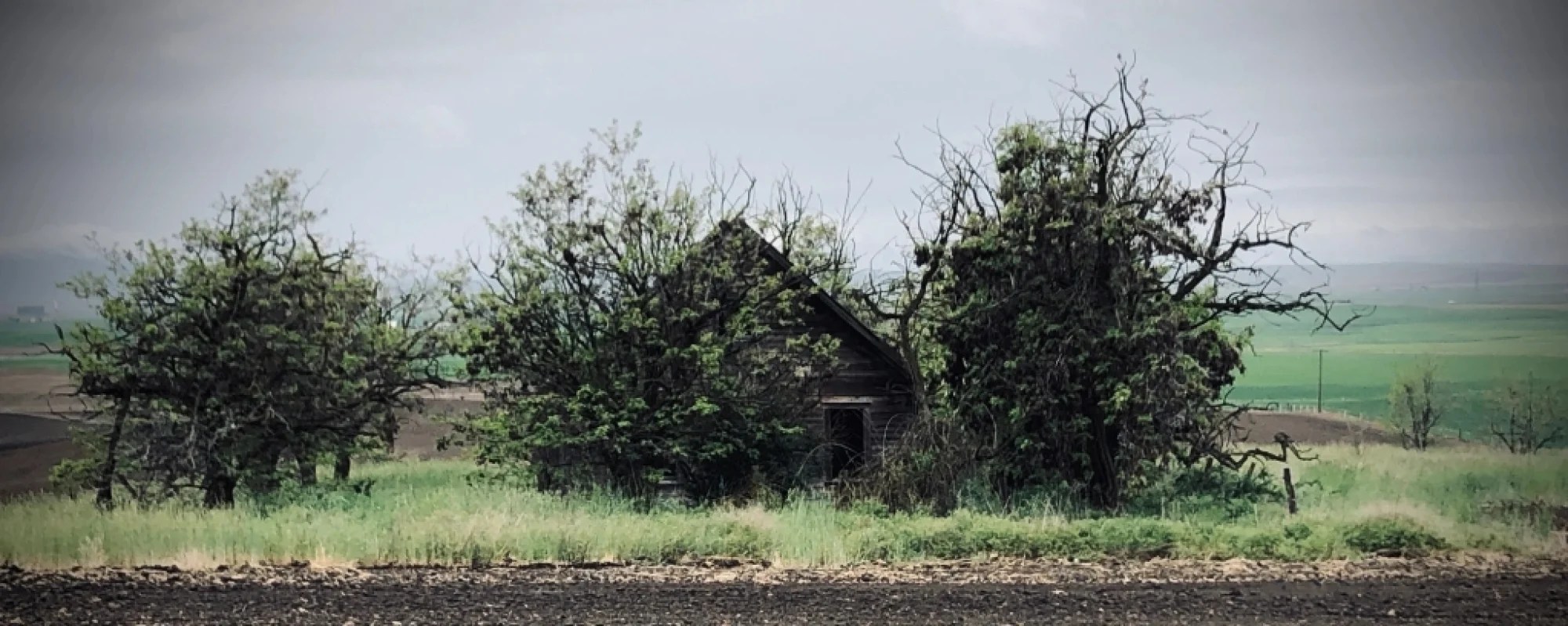

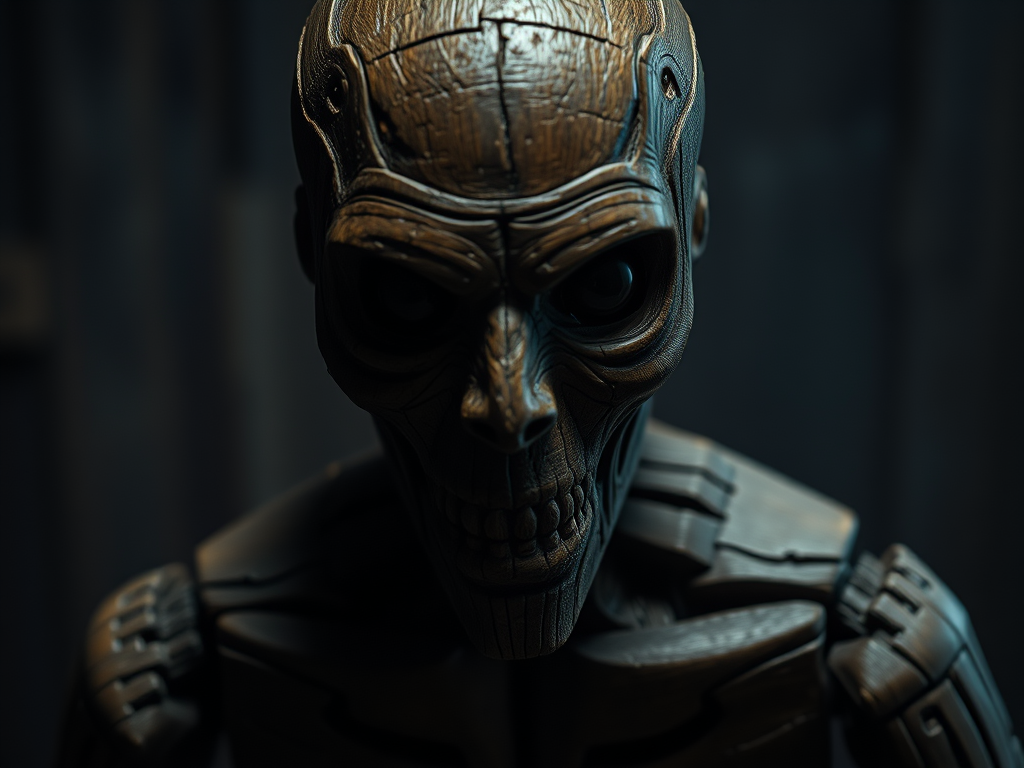

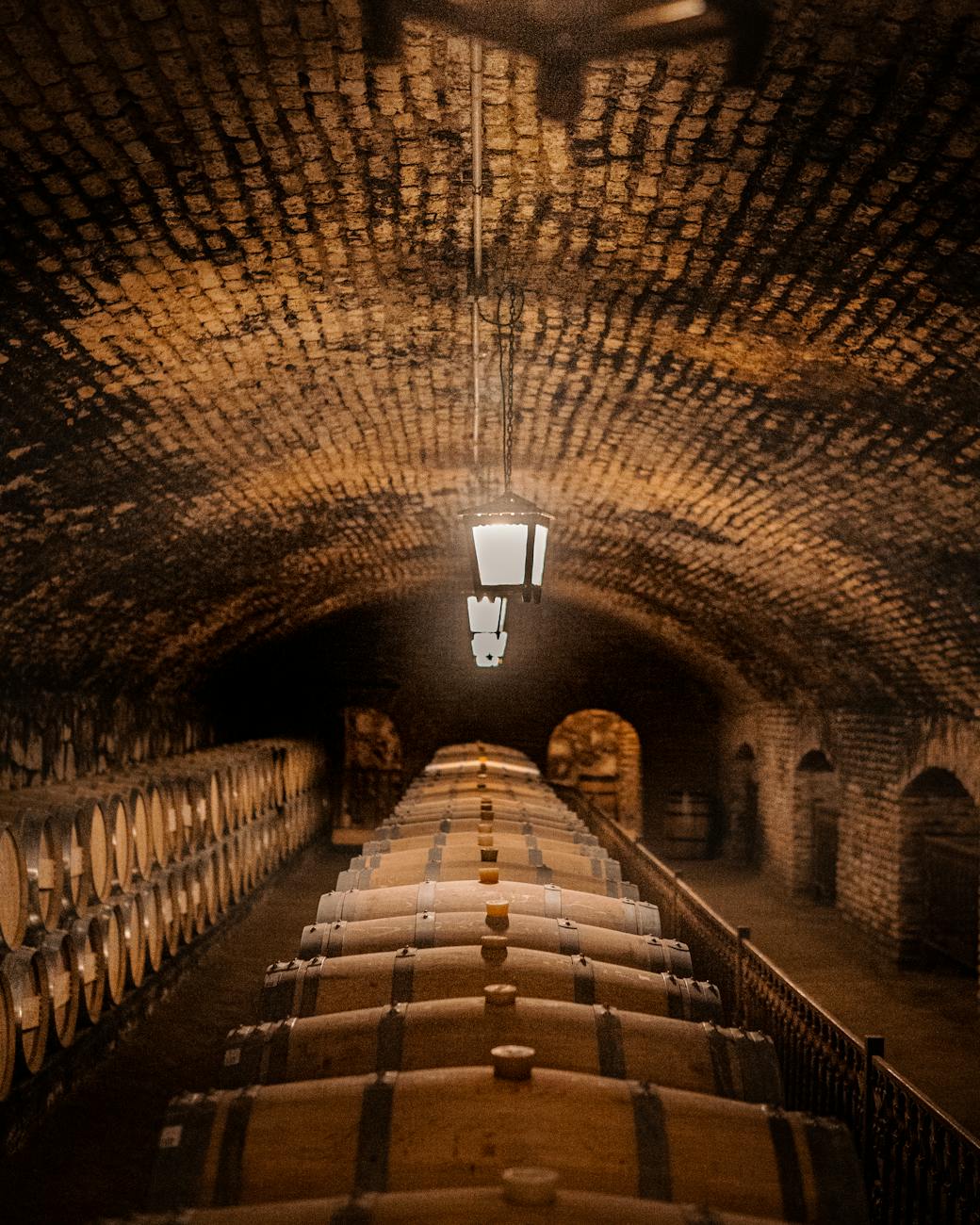


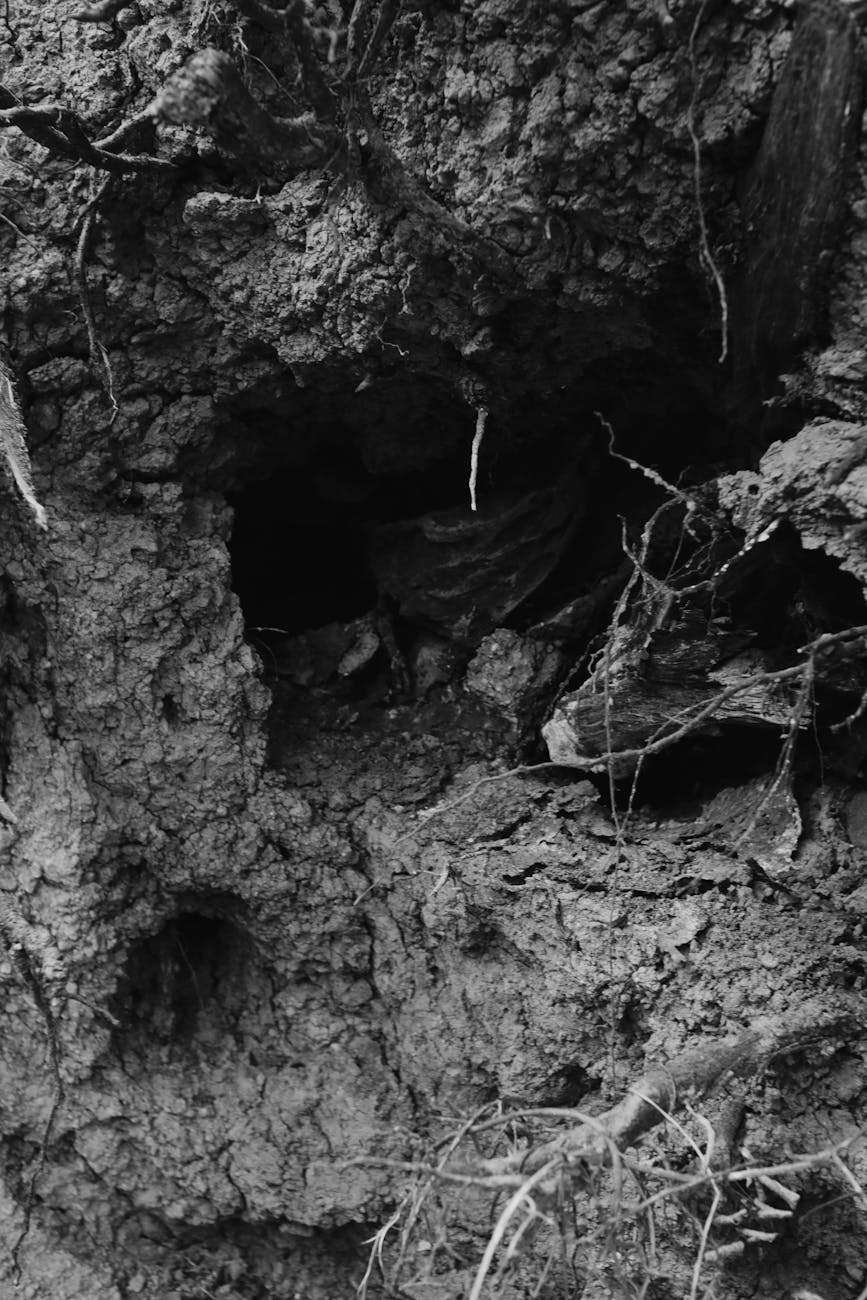
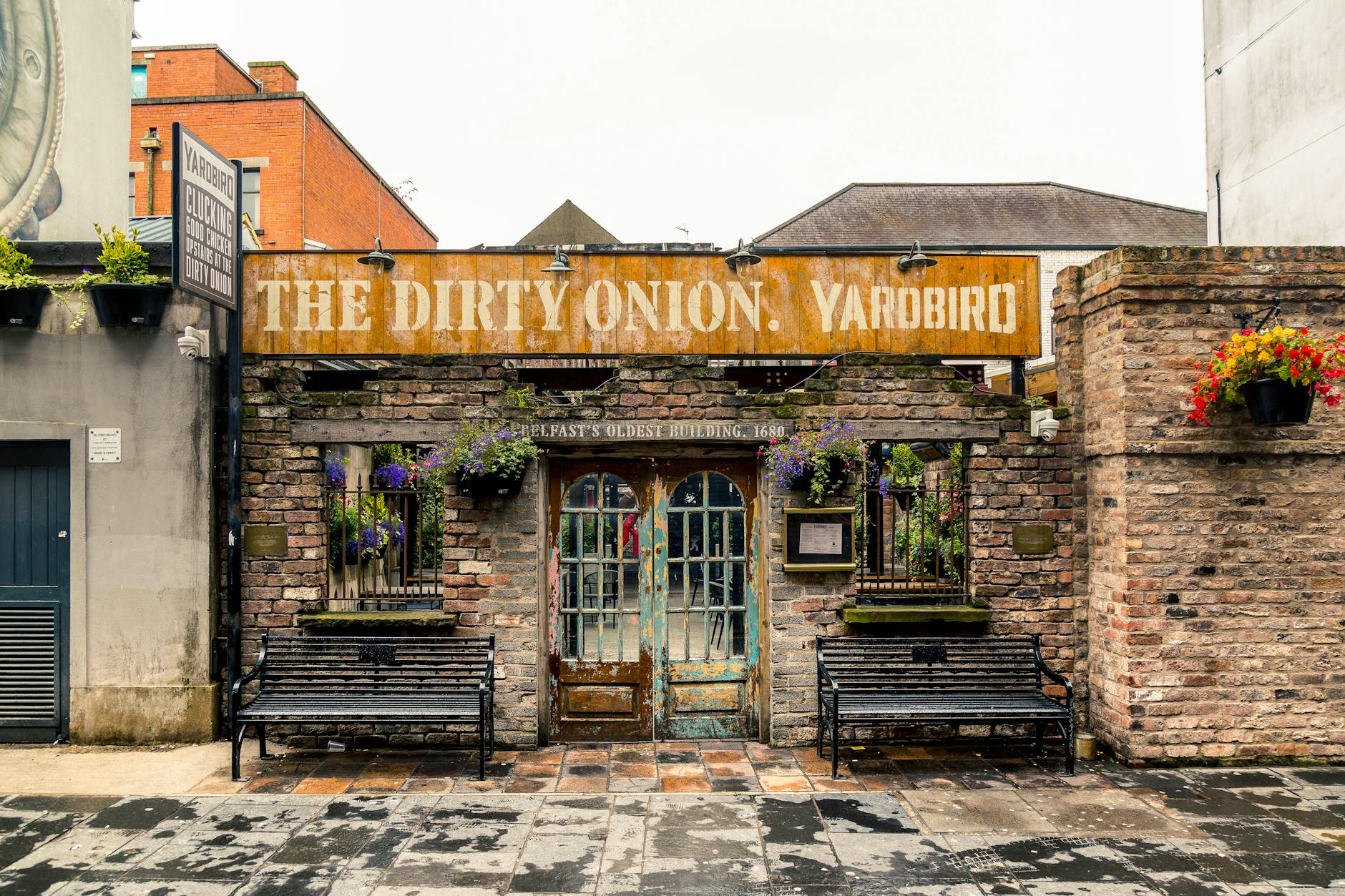

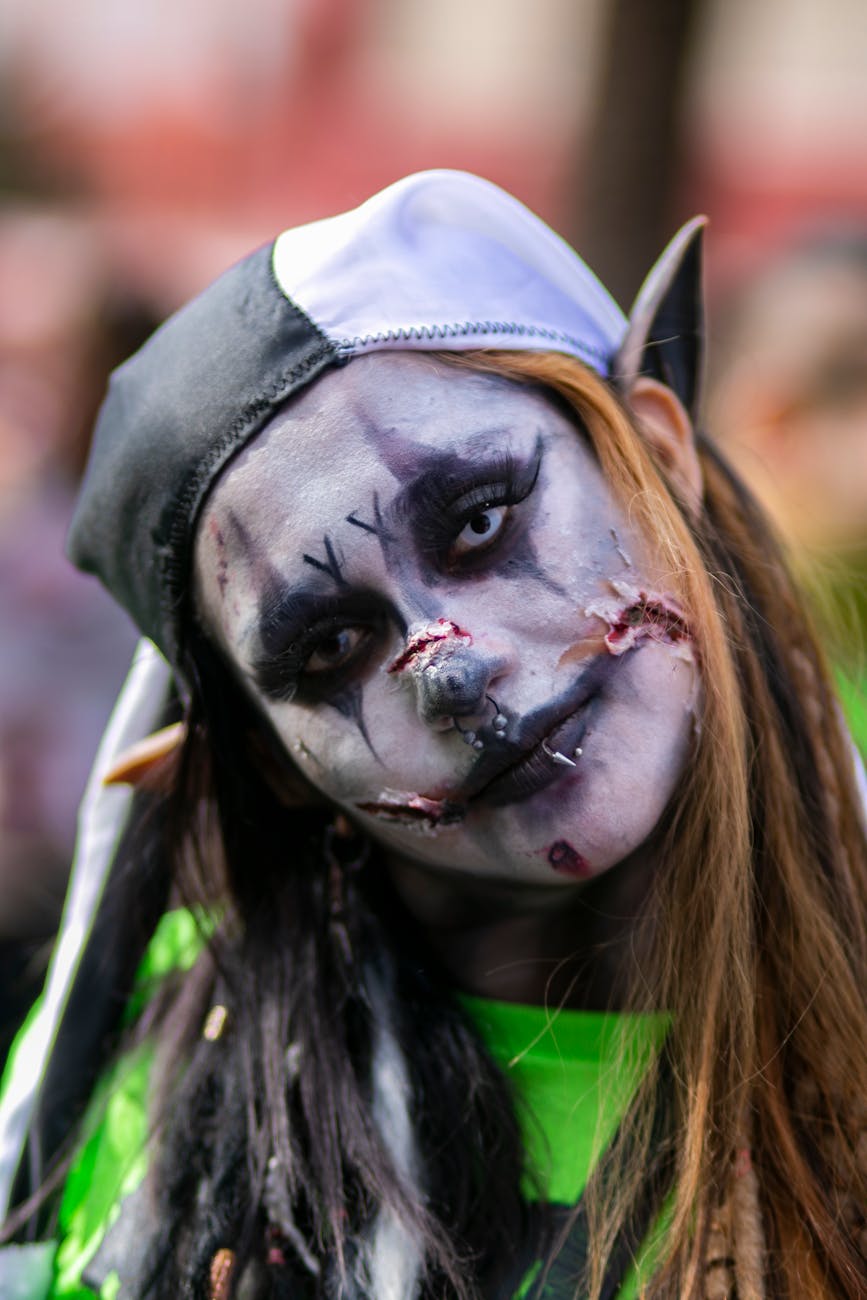


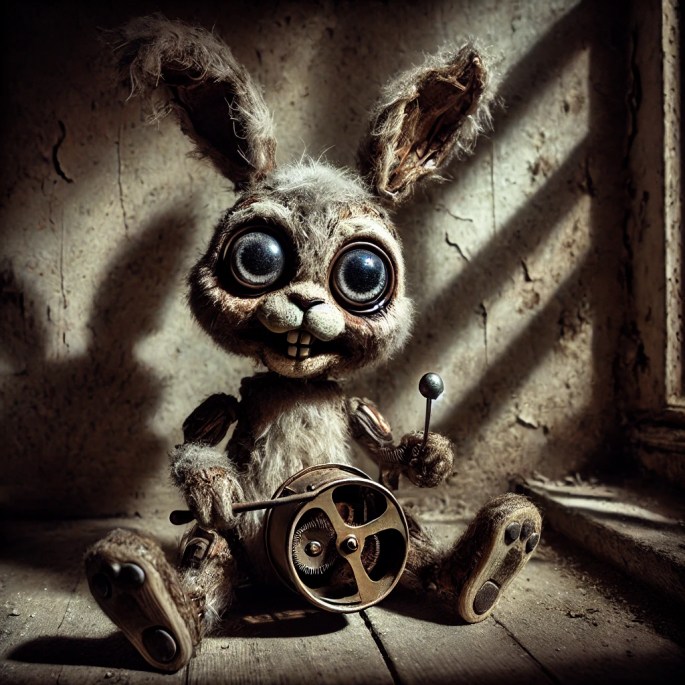
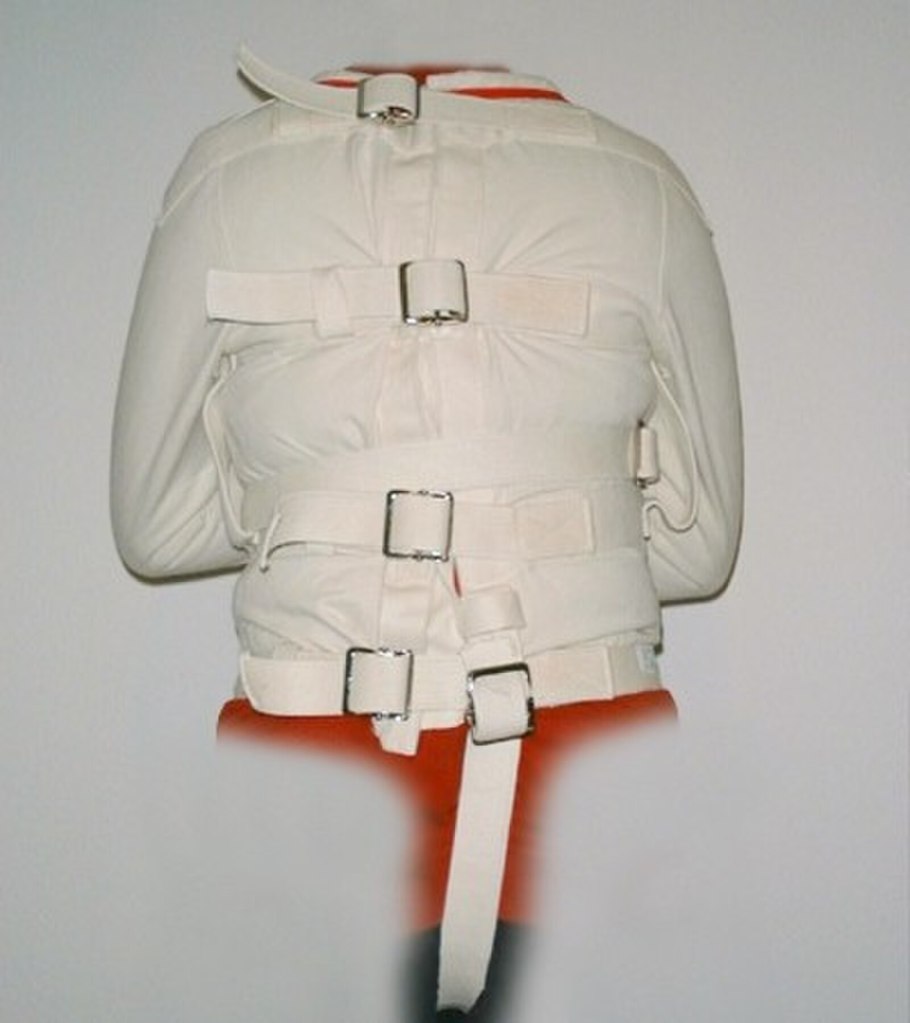


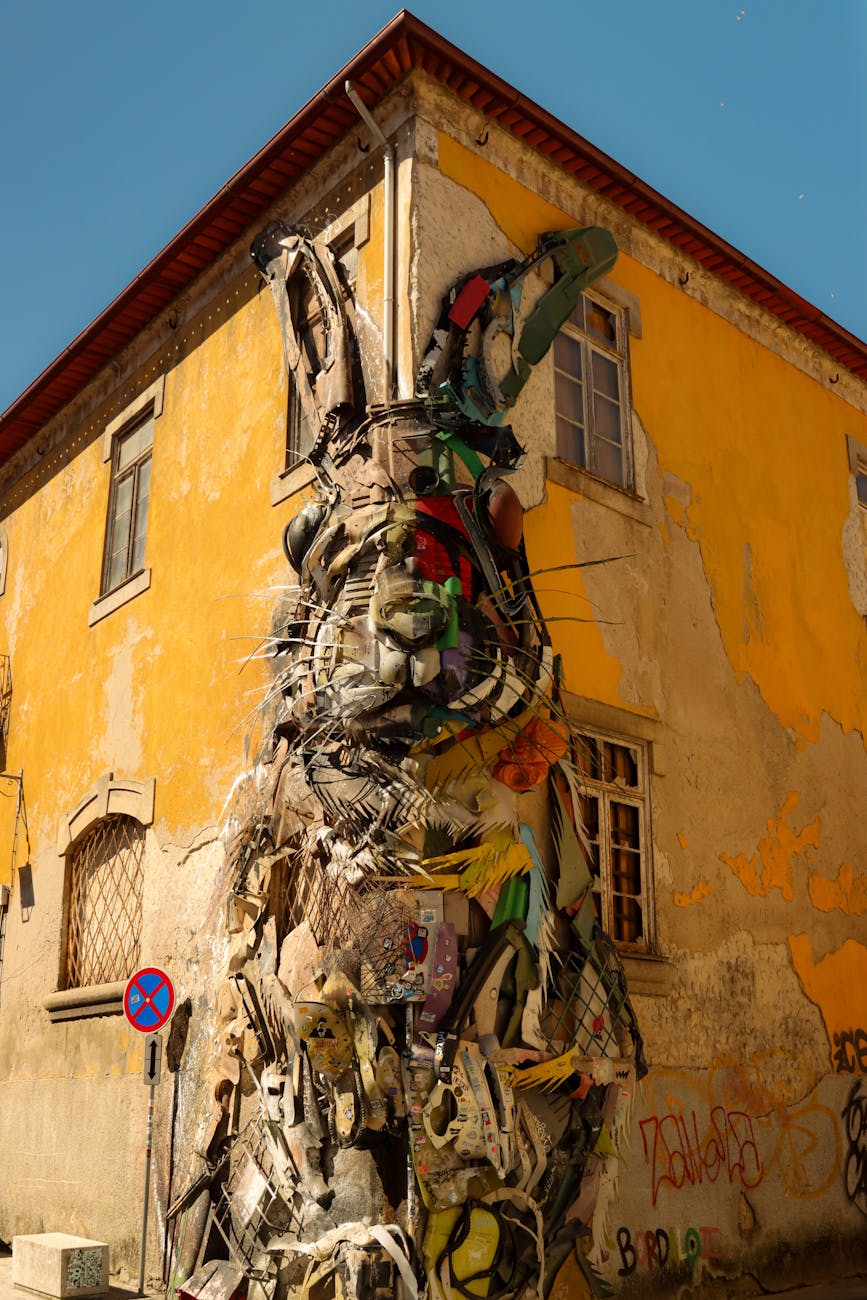



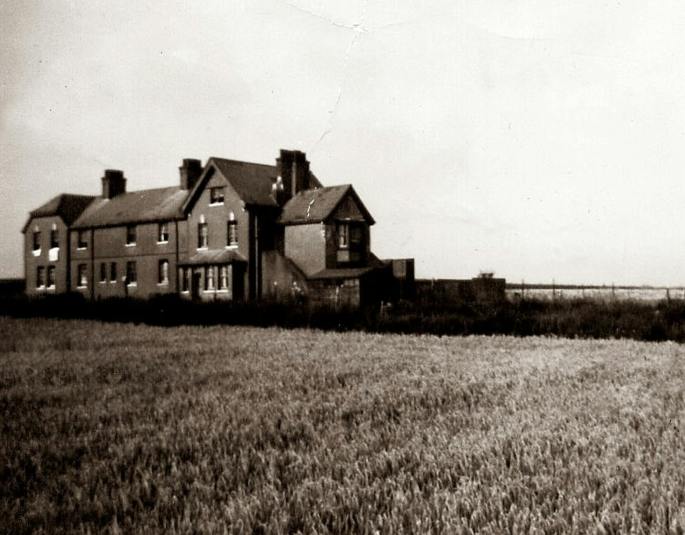
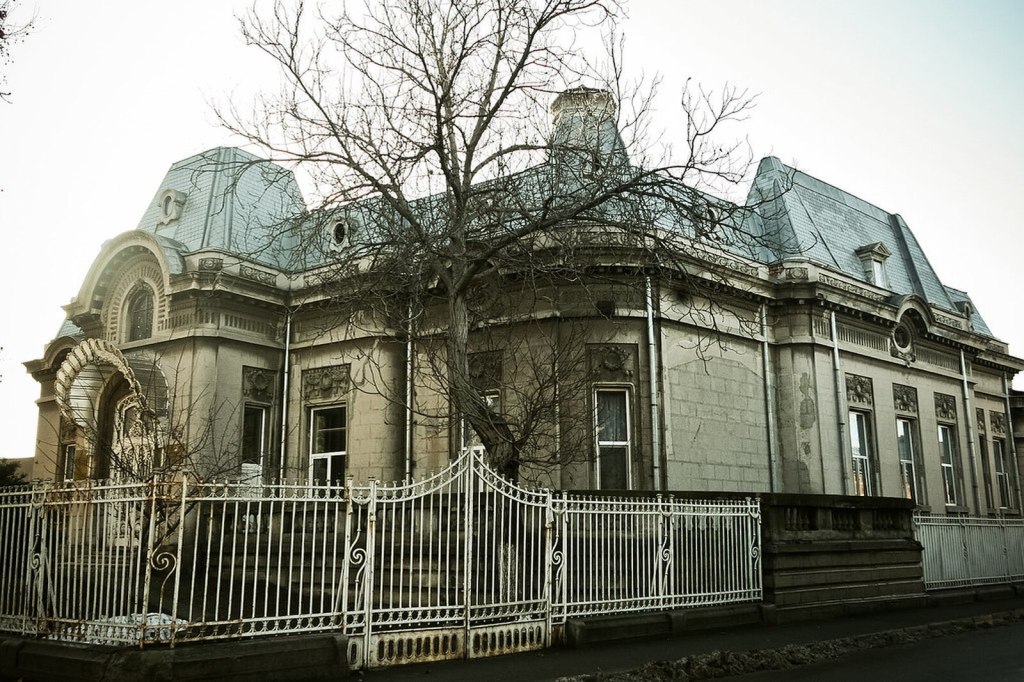

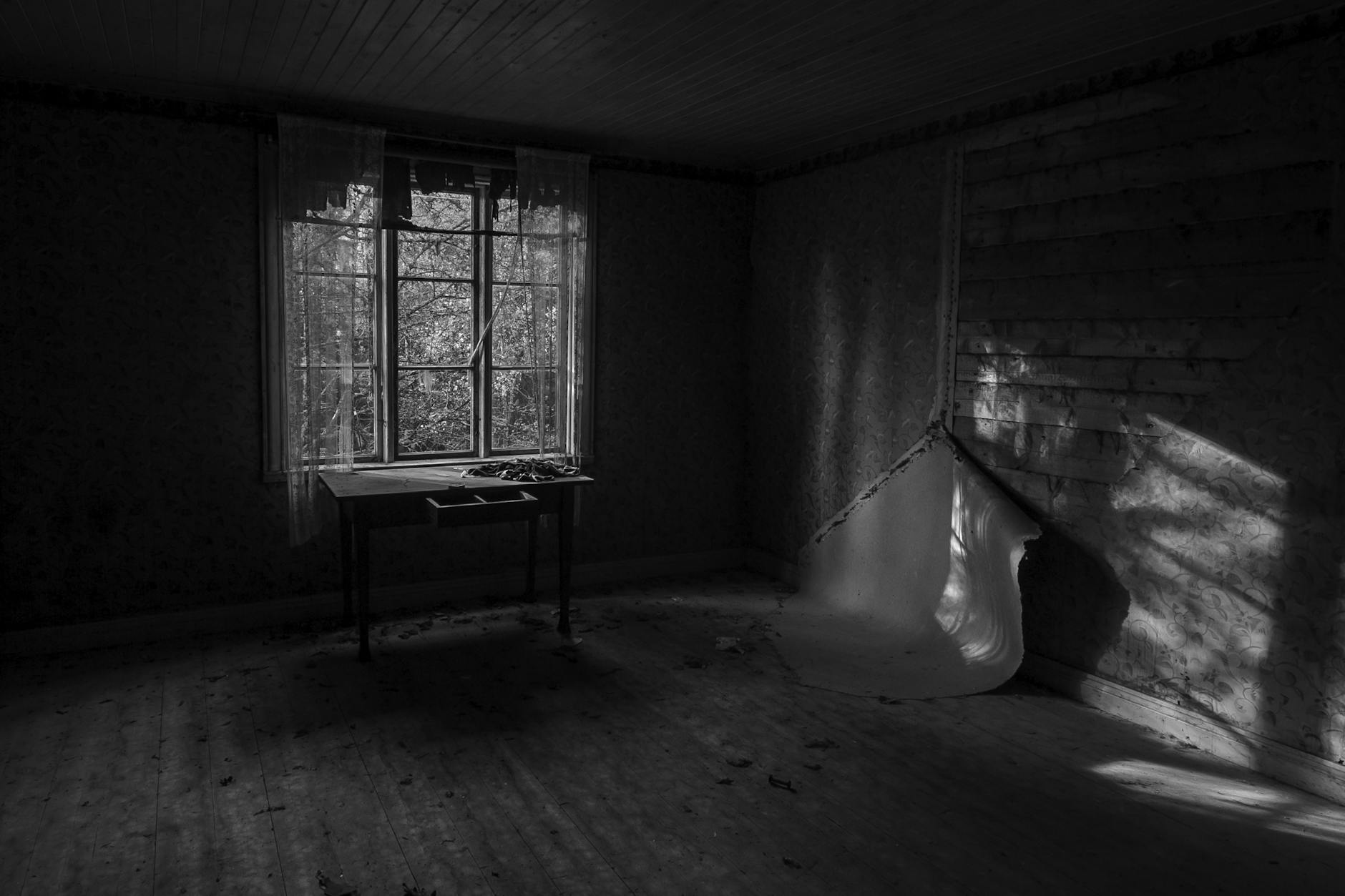








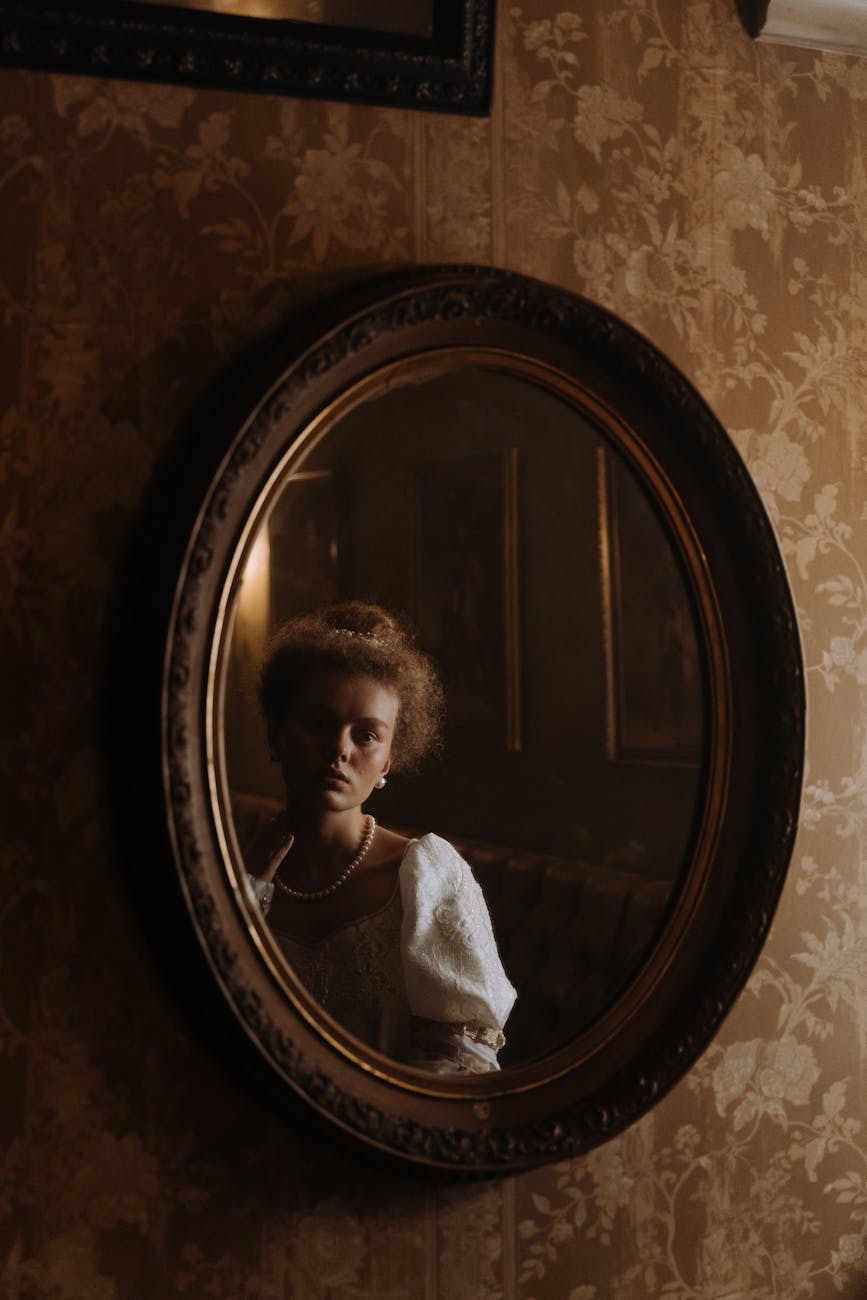
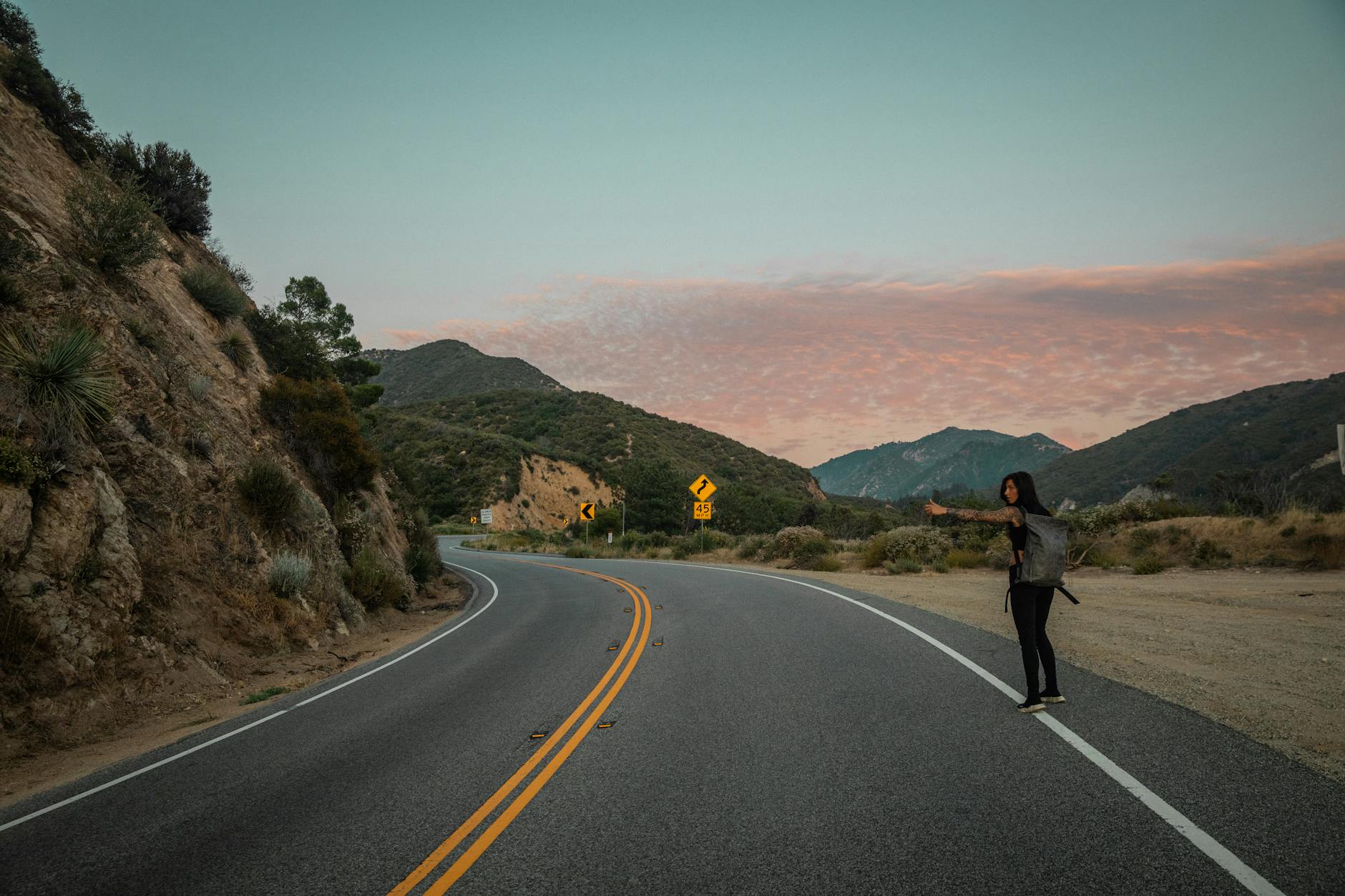
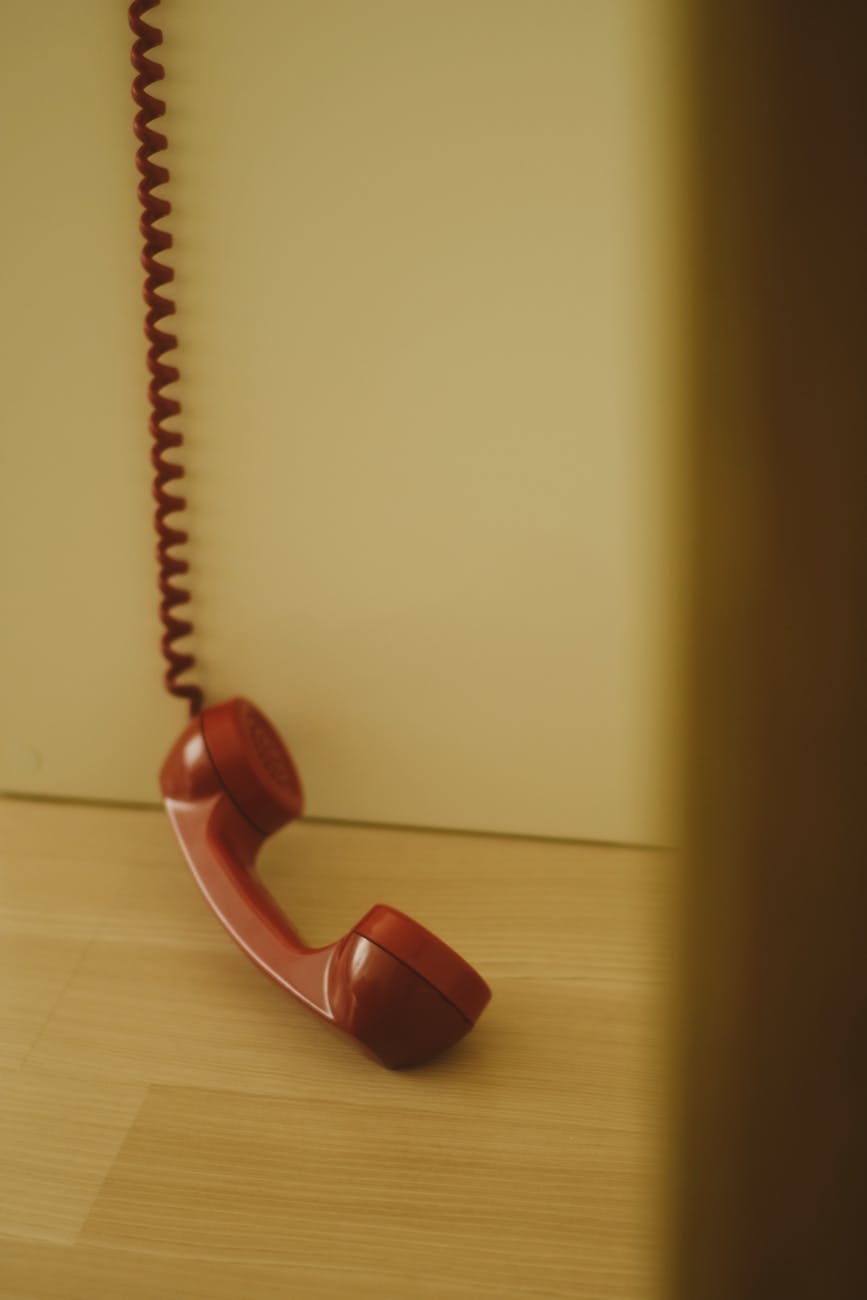




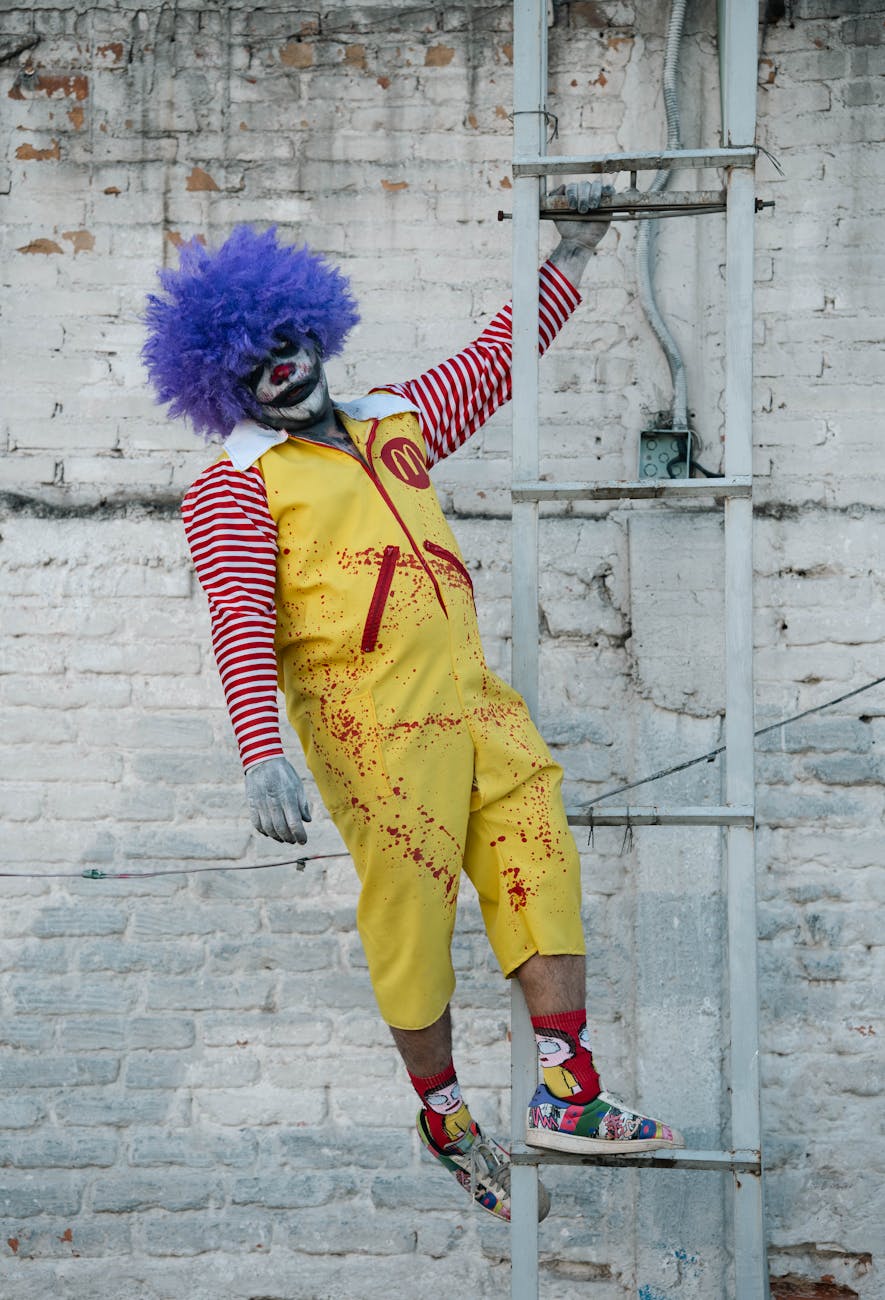





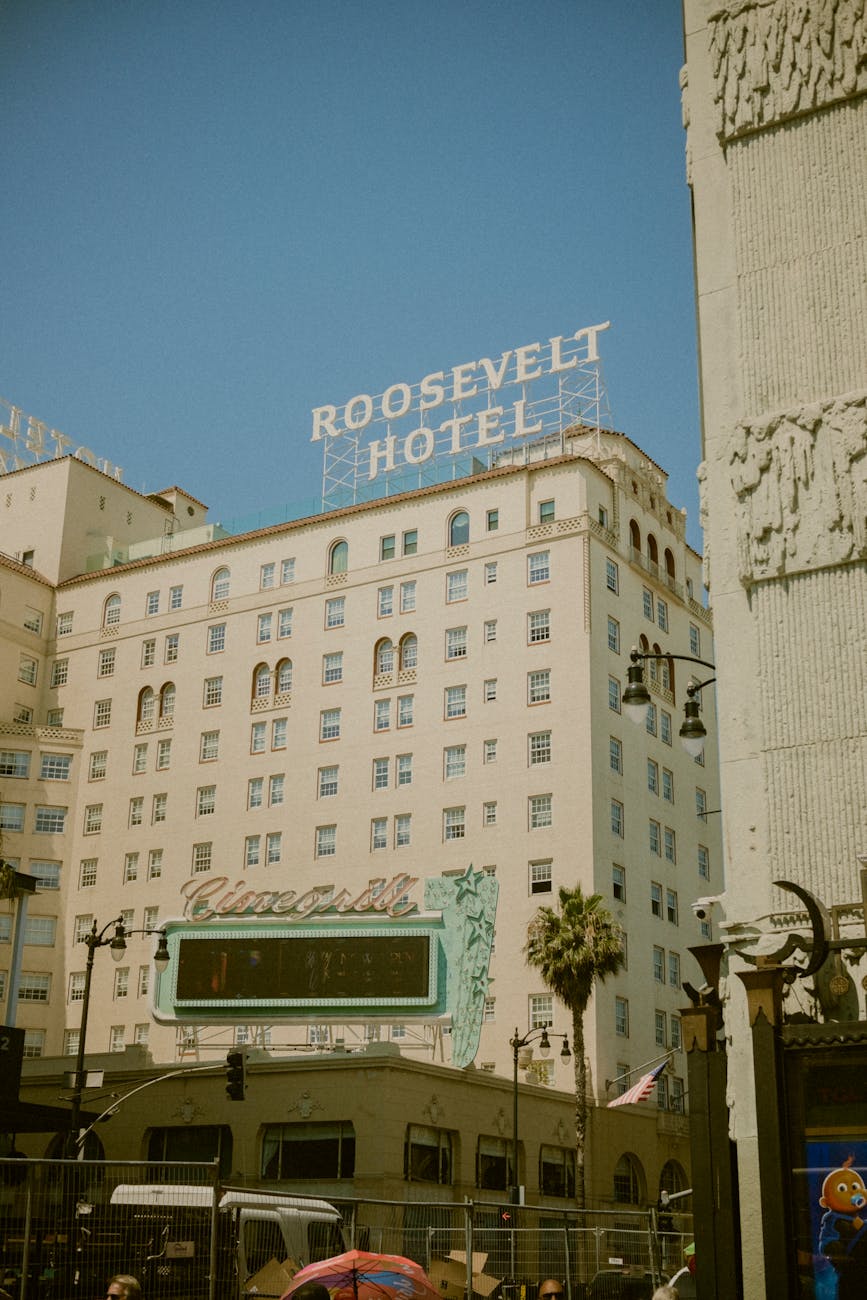
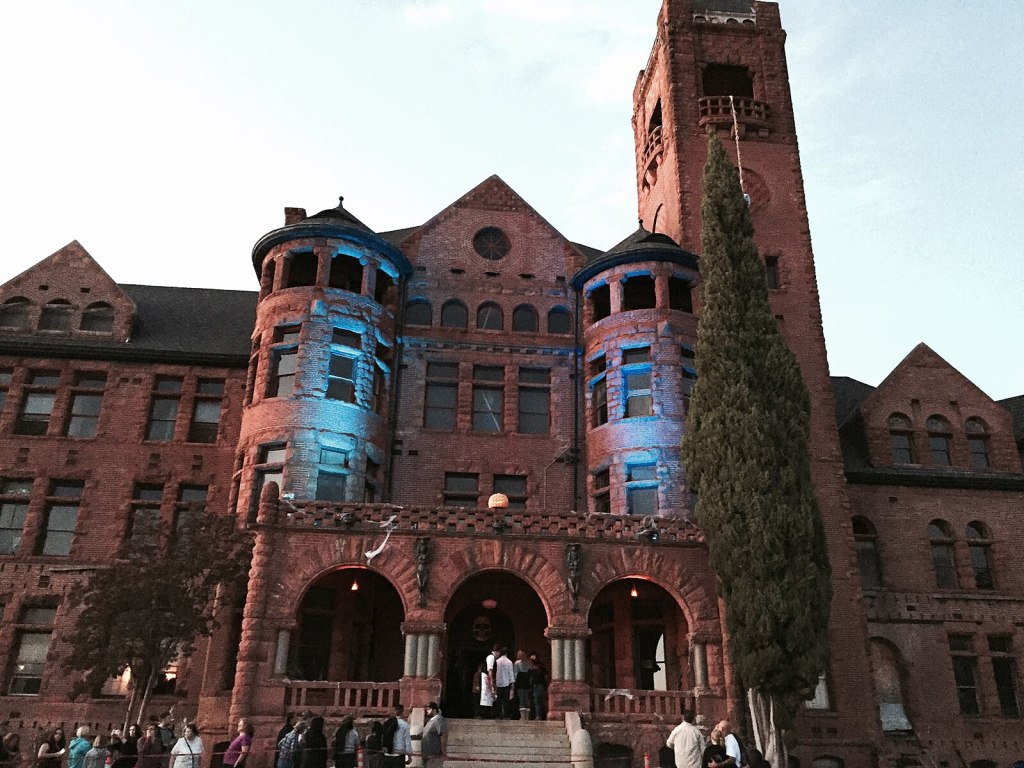
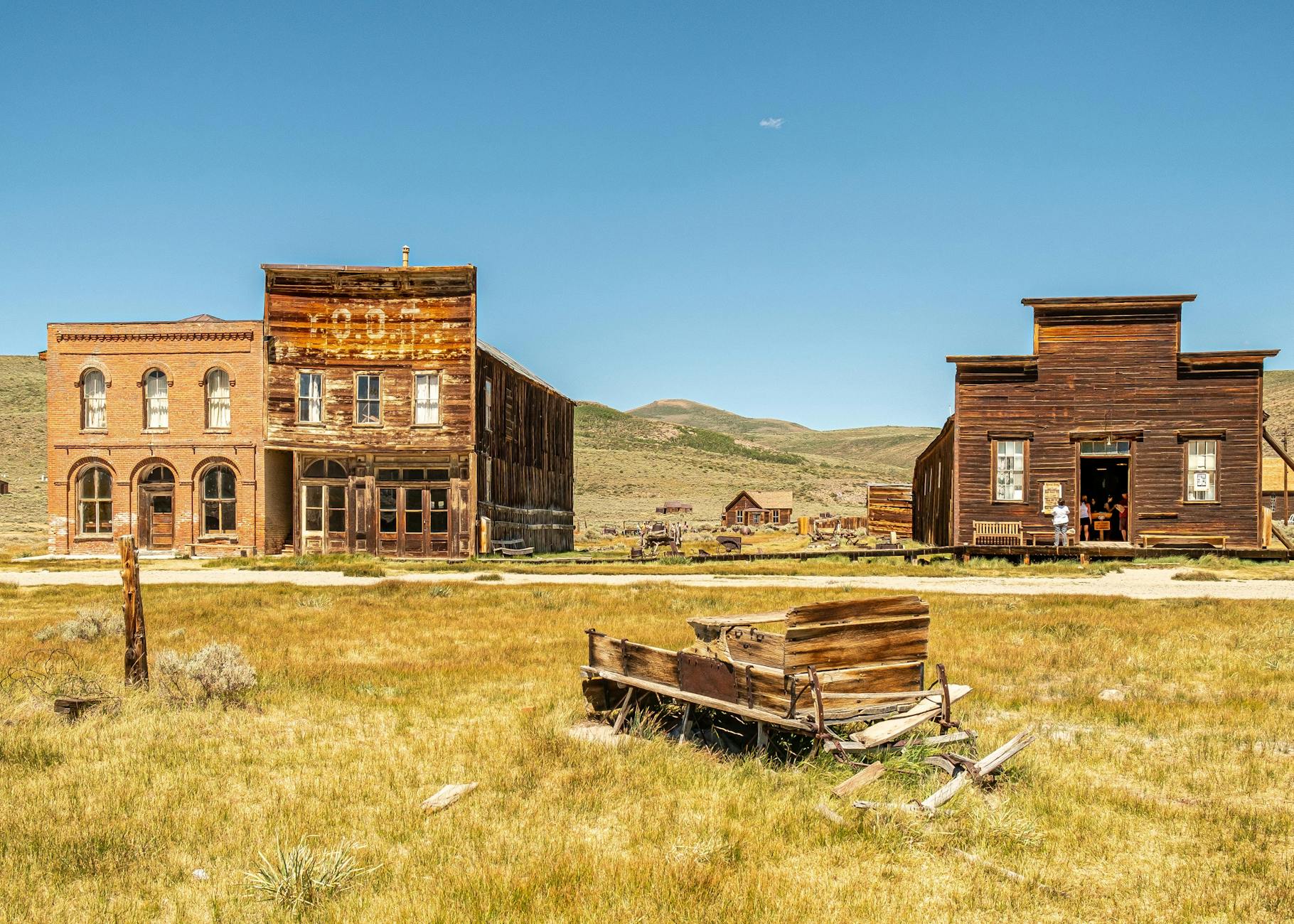
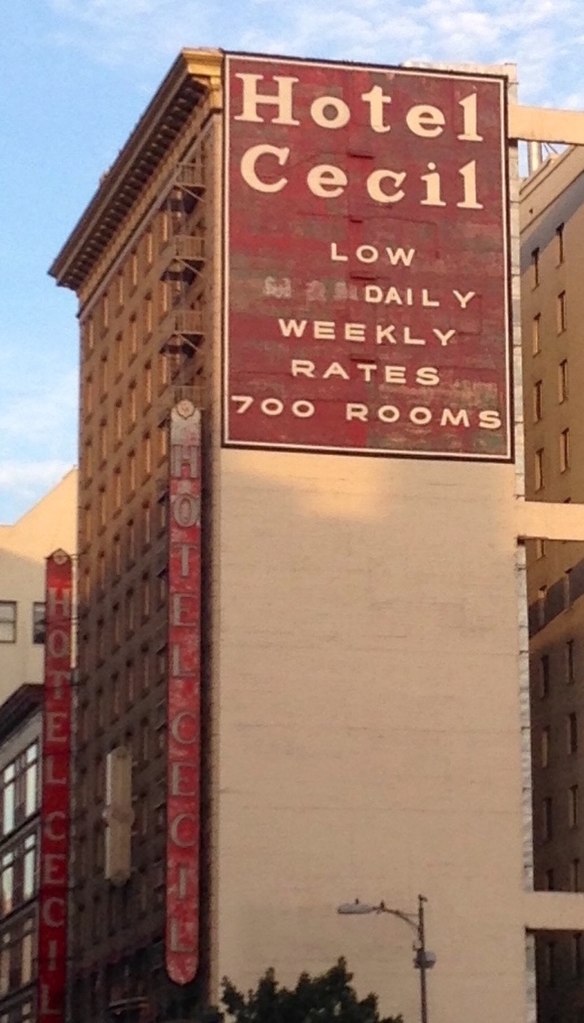
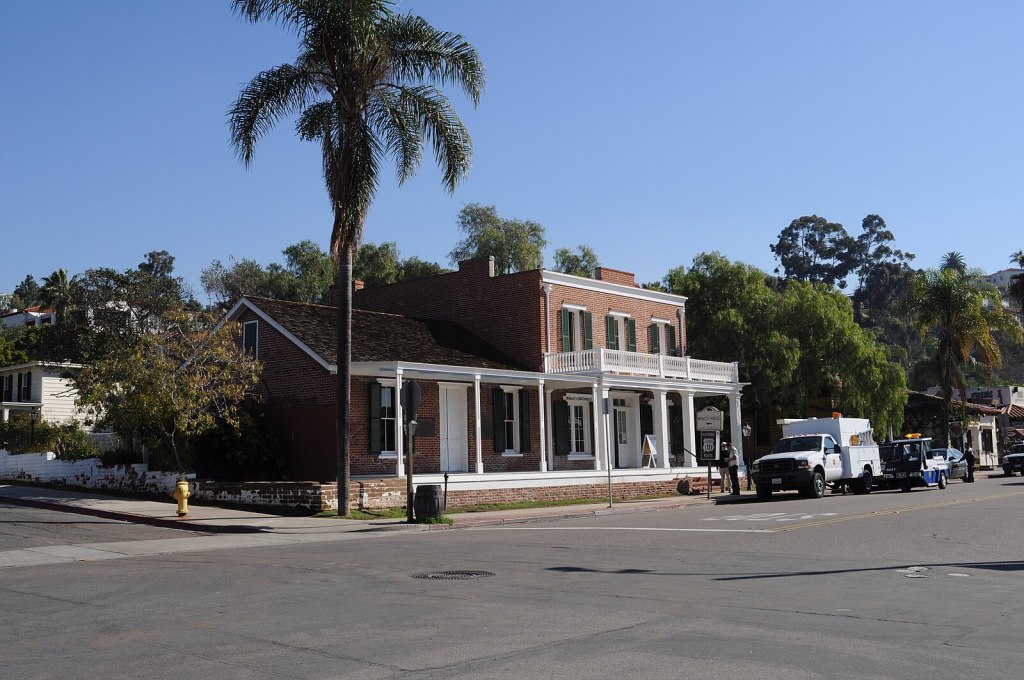
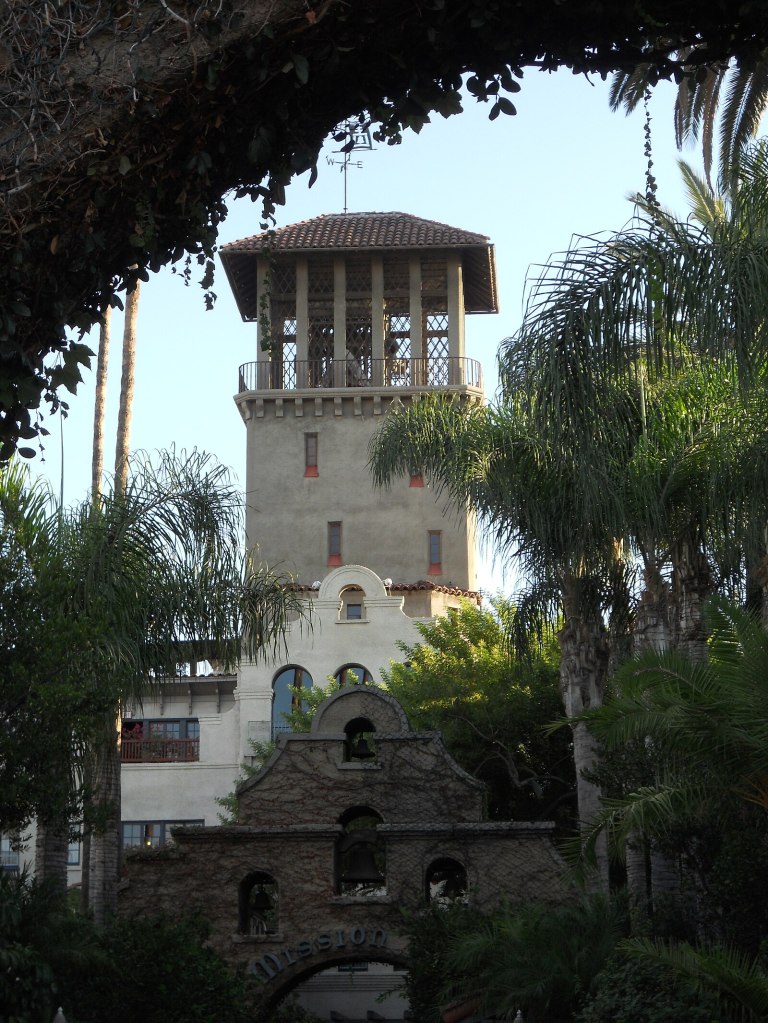
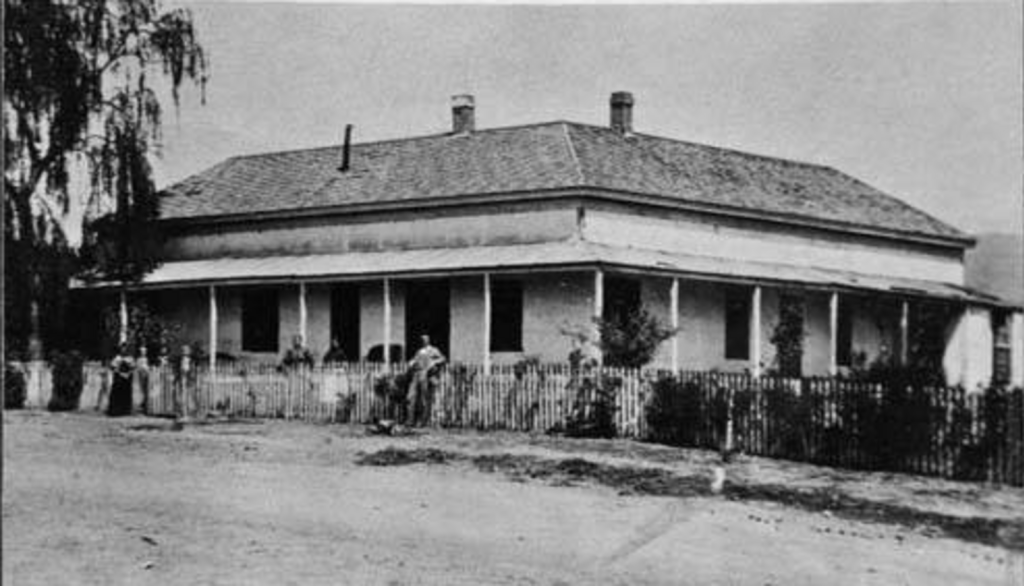


 Scare Me Please