Ghost Camera by Darcy Coates: A Gripping Collection of Supernatural Horror Stories

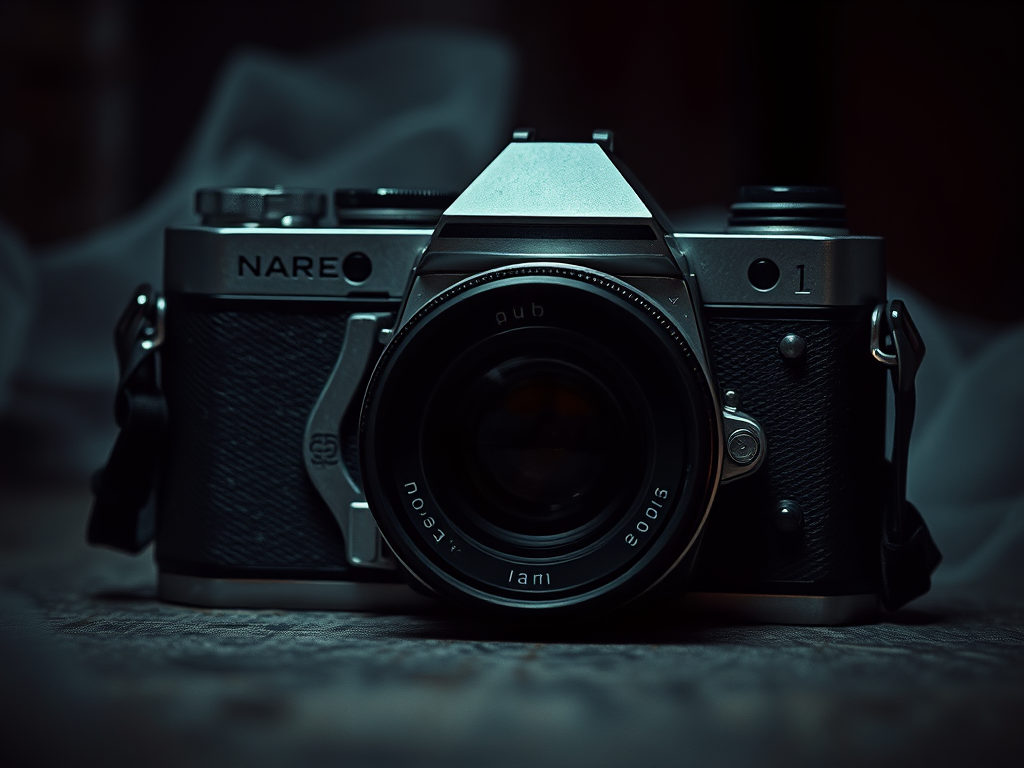
Haunted camera

Some photographs reveal more than they should, and in Ghost Camera by Darcy Coates, that discovery turns deadly. This eerie collection of short horror stories centers around supernatural encounters, with the title story following Jenine, who finds an old camera that captures ghostly figures invisible to the naked eye. What starts as a curiosity soon becomes a terrifying ordeal as the spirits grow more hostile, and she realizes she’s entangled in something far beyond her control. Each story in the collection delivers its own dose of suspense and creeping dread, making Ghost Camera a thrilling read for fans of atmospheric and unsettling horror.

The very first story, Ghost Camera, is a fast-paced and eerie read that pulls you in from the start. The story follows Jenine, who finds an old camera and quickly realizes it has a terrifying ability—it captures images of ghosts that aren’t visible to the naked eye. At first, she’s just curious, snapping photos to see what appears, but things take a dark turn when the ghosts start getting closer in each picture. Soon, they’re not just standing in the background—they’re watching her, reaching for her, and making it clear they want something. As Jenine scrambles to figure out where the camera came from and how to escape its curse, she uncovers a disturbing pattern: every previous owner met a horrible fate. With time running out, she’s forced into a dangerous fight to break free before she becomes the next victim. Ghost Camera is a suspenseful, quick read packed with creepy imagery, mounting dread, and a plot that keeps you hooked until the final, chilling moment.
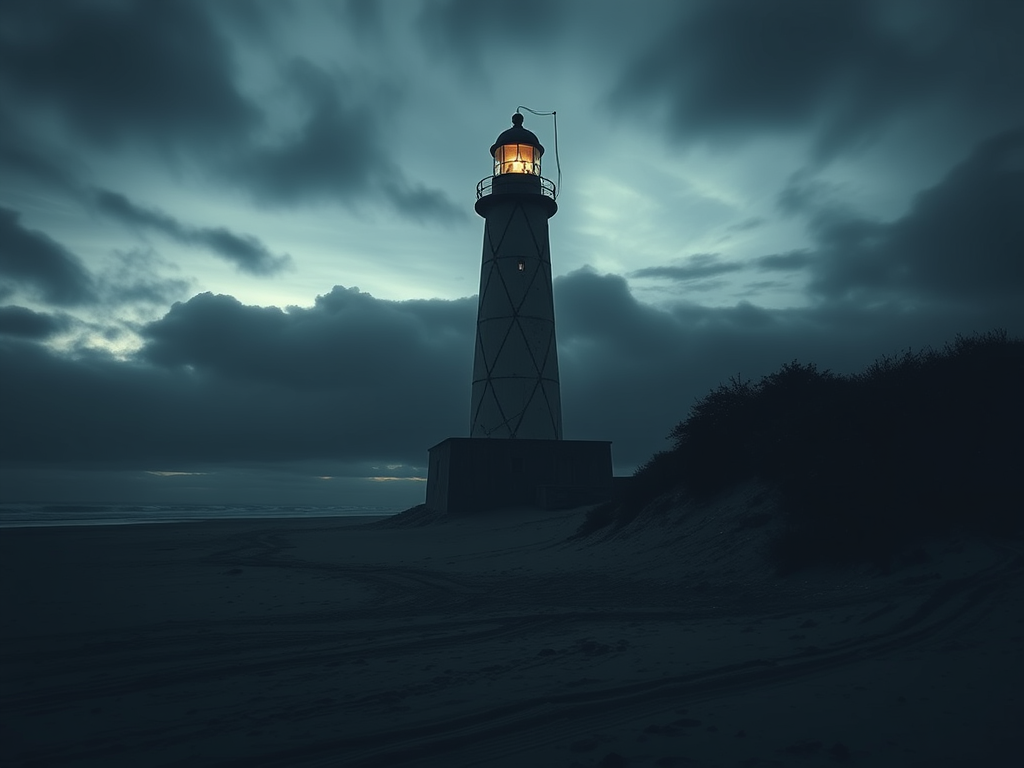
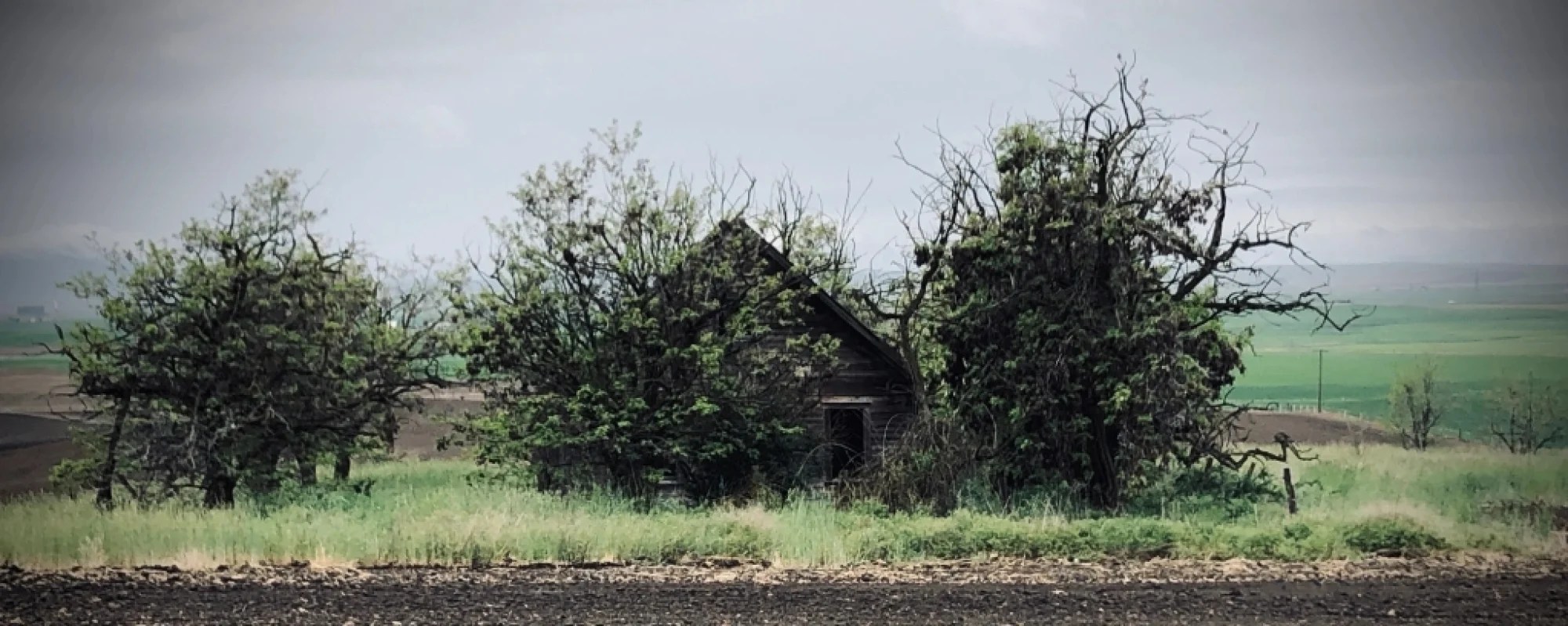
Creepy lighthouse on deserted stretch of beach.

While Ghost Camera is the standout story in the anthology, most of the other entries, while entertaining, don’t leave much of a lasting impression. The Run to Broken Ridge Lighthouse sets up an eerie atmosphere with its solitary stretch of beach and grisly backstory, but it never quite delivers on its suspense, leaving the resolution feeling somewhat underwhelming. Similarly, Death Birds provided an interesting sci-fi premise with some tense moments, but the predictable twists make it less impactful compared to the stronger stories in the collection.  The rest of the stories included:  Payment for the Dead, Untamed Things, The House on Boxwood Lane, Remains, and Cathedral.  They weren’t terrible stories by any means, but just didn’t stick with me (I actually had to go back to the book while writing this so I could remember what these stories were). All were enjoyable in the moment, but just lacked the supreme creepiness I was longing for.  

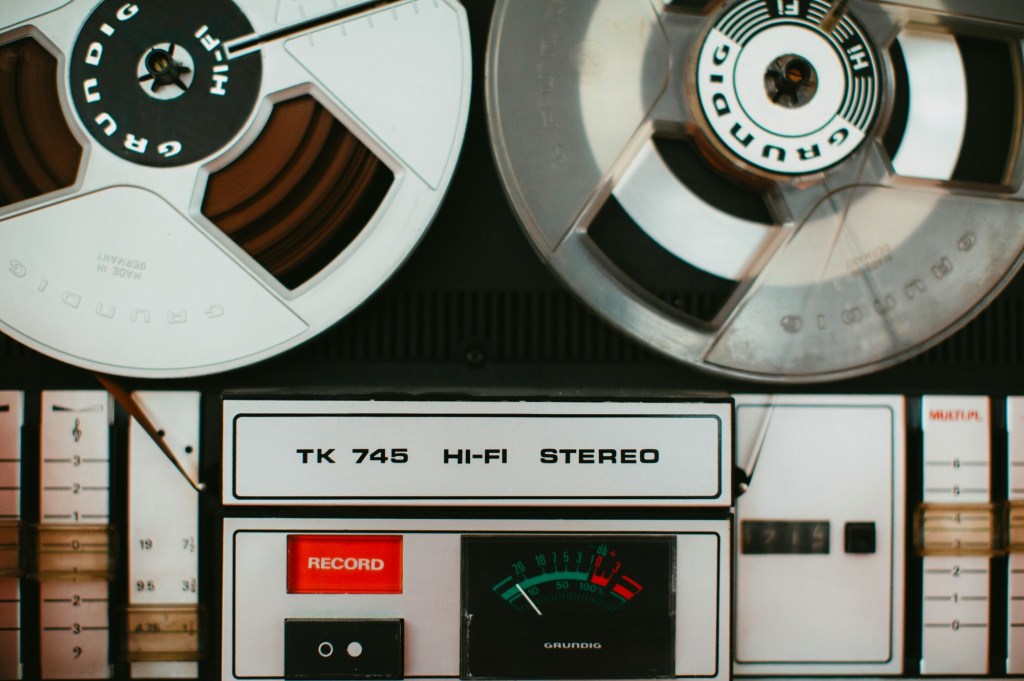
That all changed when I listened to the final story, A Box of Tapes.  This short horror story is a gripping, edge-of-your-seat thriller that masterfully builds tension from the moment the mother discovers the mysterious box of VHS tapes in her daughter’s closet. The ominous note—“Do not watch, you’ll regret it”—immediately sets the tone for the dread that follows. As she gives in to curiosity and plays the tapes, the gruesome murders they reveal are disturbing enough, but the real terror begins when her daughter starts seeing the eerie woman from the recordings in real life. The story expertly escalates the suspense, making every shadow and every flickering screen feel like a threat. Just when you think you have it figured out, the twist ending pulls the rug out from under you, leaving a lingering sense of unease. With its tight pacing, unsettling imagery, and relentless sense of dread, this is a short horror story that sticks with you long after the final page.
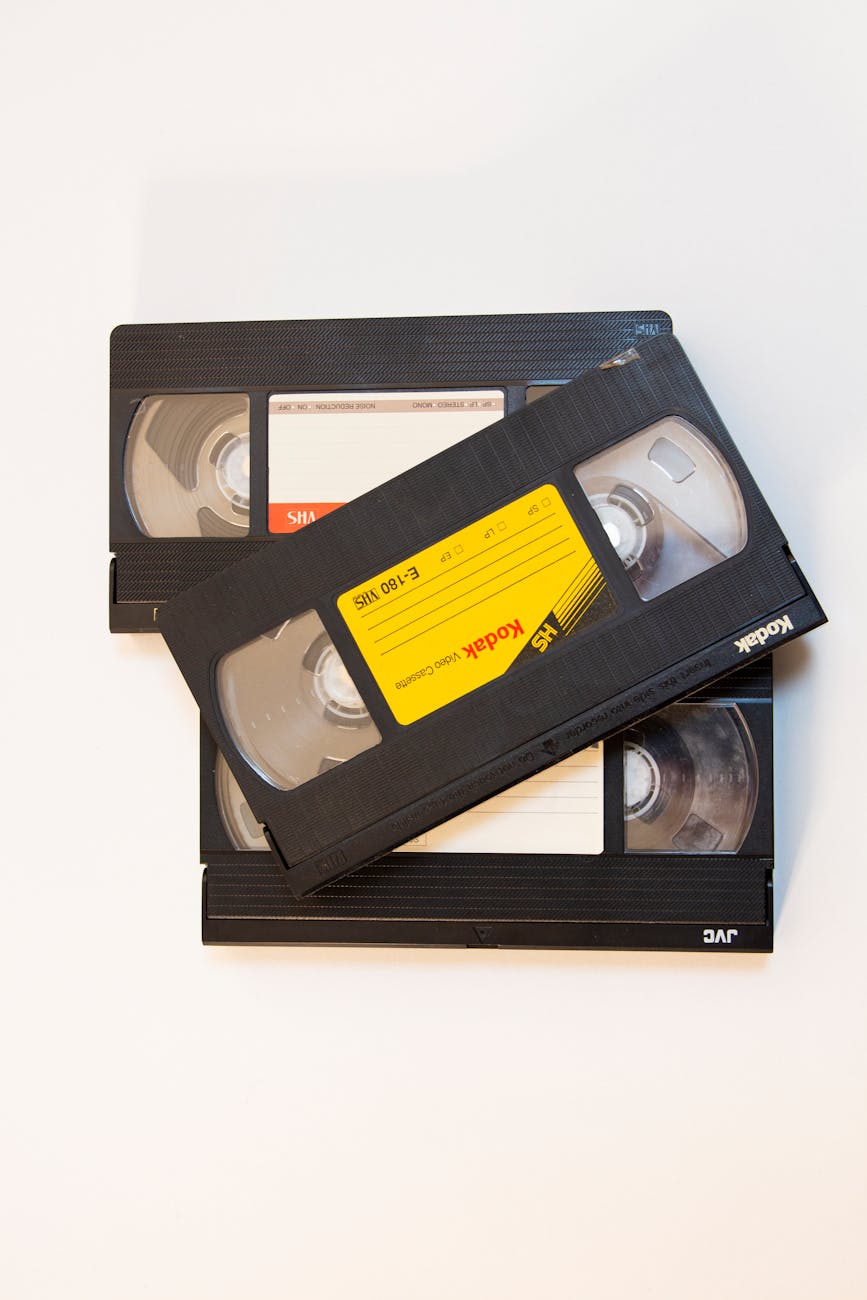
Blank VHS tapes.
Photo by Paul Seling on Pexels.com

I read this story on a work night (I have to wake up at 4:30 AM), and it was so enthralling that I couldn’t bring myself to stop, even when I knew I’d regret it in the morning. I stayed up until after 11, completely absorbed, listening to every eerie detail unfold. The tension kept building, and just when I thought I had a moment to breathe, something even creepier would happen, making it impossible to turn it off. Even after I finally forced myself to stop, the story lingered in my mind, making it nearly impossible to fall asleep. Every shadow in my room felt darker, every little creak in the house sent a shiver down my spine, and I kept replaying the most unsettling moments in my head. It took over an hour before I could finally drift off, and even then, I half-expected to wake up in the middle of the night and see the lady from the tapes in my bedroom.

The characters in this short horror story are incredibly well-developed, making the terror feel all the more real. The mother is a compelling protagonist—her love for her daughter is evident in every decision she makes, and her growing fear and desperation are palpable as she tries to protect her child from the horrors unfolding around them. Her reactions feel authentic, balancing skepticism, dread, and an increasing sense of helplessness as the tapes’ dark secrets unravel. The daughter is equally engaging, with her innocent confusion turning into sheer terror as she begins to see the eerie woman from the recordings in real life. The mother-daughter bond adds an emotional depth that makes the horror even more intense, as their struggle feels deeply personal rather than just a supernatural mystery. And, of course, the mysterious woman committing the murders is a chilling presence—her eerie, otherworldly nature lingers throughout the story, making her feel like a true nightmare come to life. Each character plays a crucial role in the suspense, making the twists and final revelation all the more haunting.
Crow in a tree
Photo by Stephen Noulton on Pexels.com

As I mentioned earlier, none of the other characters in any of the stories really stood out to me in a memorable way. While some had interesting backstories or were placed in intriguing situations, their personalities and development felt somewhat generic, making it hard to connect with them on a deeper level. Even the characters in the main story, Ghost Camera, didn’t leave a strong impression on me. While the plot itself was gripping and the suspense kept me engaged, the characters felt more like vehicles for the story rather than fully fleshed-out individuals. I still thoroughly enjoyed the eerie atmosphere and the way the tension built throughout, but I found myself more invested in the mystery of the camera than in the people caught up in it.

Writing an in-depth review for an anthology of short horror stories can be challenging because each story is so different in terms of plot, pacing, and scares. Some stories rely on slow-building psychological horror, while others dive straight into fast-paced, supernatural terror, making it difficult to analyze them as a cohesive whole. However, one thing that remains consistent throughout is the writer’s ability to craft an eerie and immersive mood in every story. No matter the premise, the tension is always palpable, and the unsettling tone lingers long after each tale ends. I also appreciated how varied the settings were—each story took place in a unique and well-described environment, from isolated lighthouses to haunted houses and cursed objects, keeping the anthology fresh and engaging. While some stories stood out more than others, the author’s skill in creating chilling atmospheres and vivid locations made the entire collection an enjoyable and unsettling read.

Overall, Ghost Camera is a chilling and suspenseful collection that showcases Darcy Coates’ talent for crafting eerie, immersive horror. While some stories are more memorable than others, the anthology as a whole delivers a consistently haunting atmosphere with a strong sense of tension and dread. The title story, Ghost Camera, and ending story, A Box of Tapes, stand out as the most gripping, blending supernatural terror with an engaging mystery that keeps readers hooked until the very end. Though the characters may not be the most distinctive, the unsettling settings and expertly built suspense make up for it, ensuring that each story leaves a lasting impression. Whether you’re a longtime fan of Coates or just looking for a quick, creepy read, Ghost Camera is a solid choice that delivers plenty of eerie moments and spine-chilling surprises.

What did you think? Have you read this book? If so, what was your favorite story in it? Have a book recommendation? Let us know in the comments below!
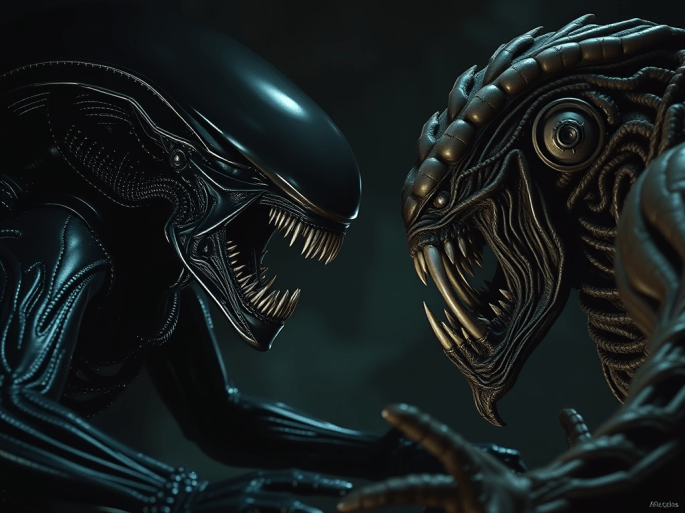
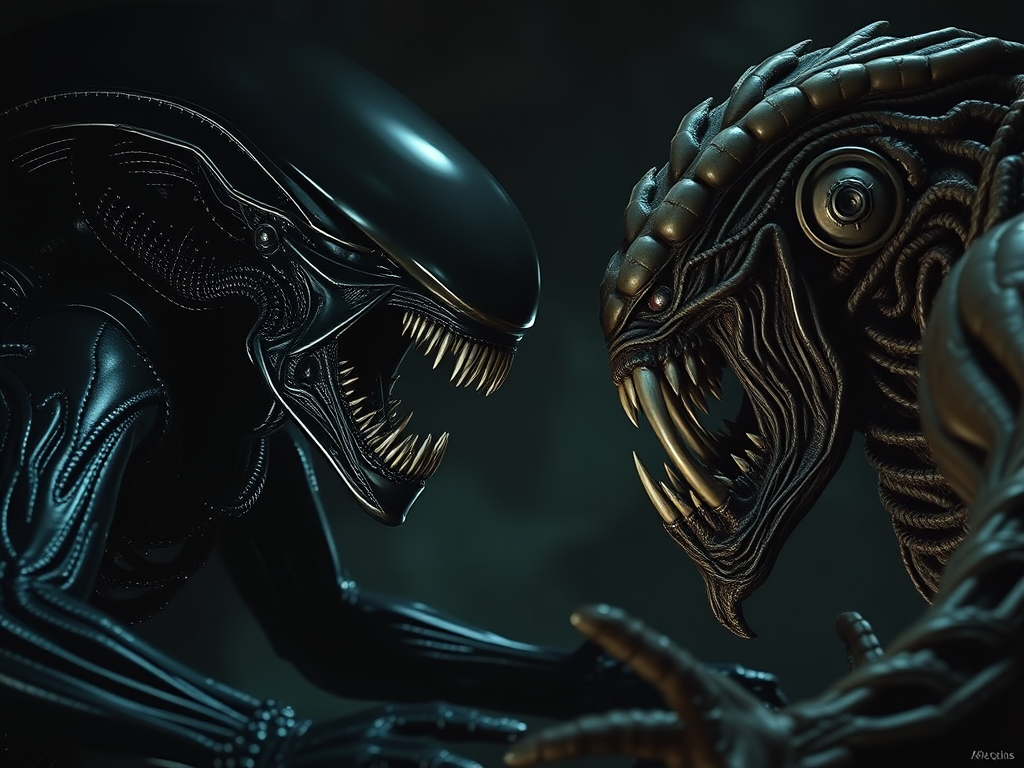
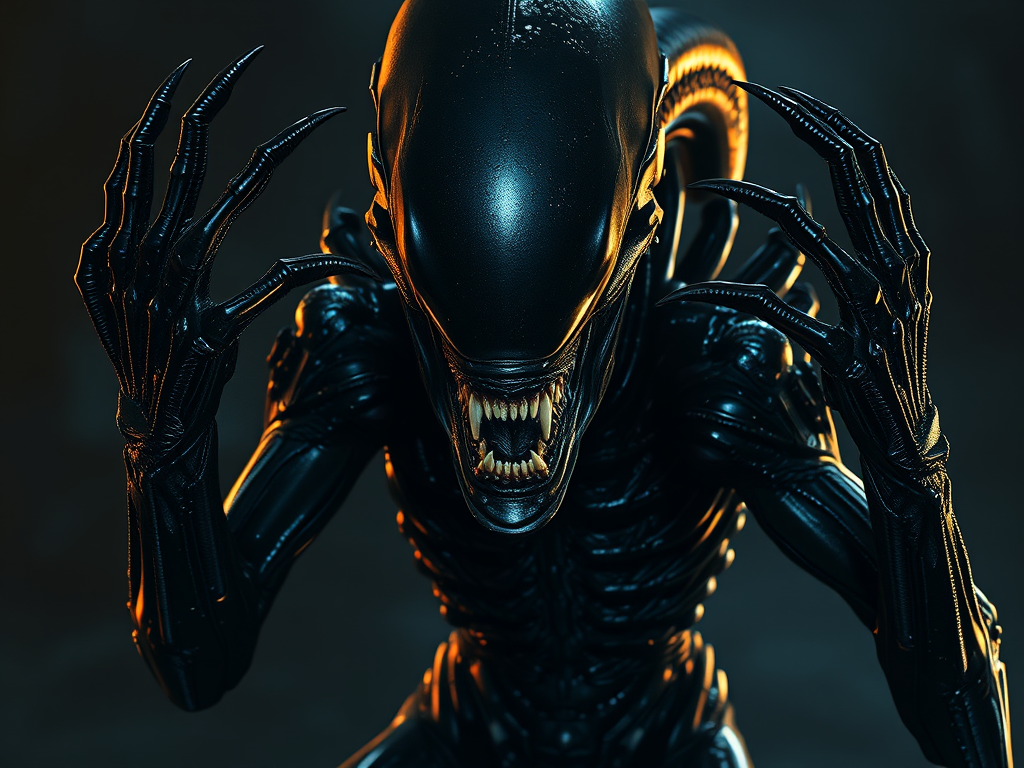
Xenomorph vs The Thing

Perfect Organism vs. Ultimate Shapeshifter: The Xenomorph vs. The Thing

In an isolated, frozen research facility on the edge of a desolate Antarctic wasteland, two of horror cinema’s most terrifying creatures converge. Here, the Xenomorph—nature’s ruthless, predatory killing machine—faces off against The Thing, an alien shapeshifter capable of assimilating any living organism. In this grim arena, raw predatory instinct collides with mutable, parasitic terror in a battle where every moment is a desperate struggle for survival.

Round 1: The Setup

The Location

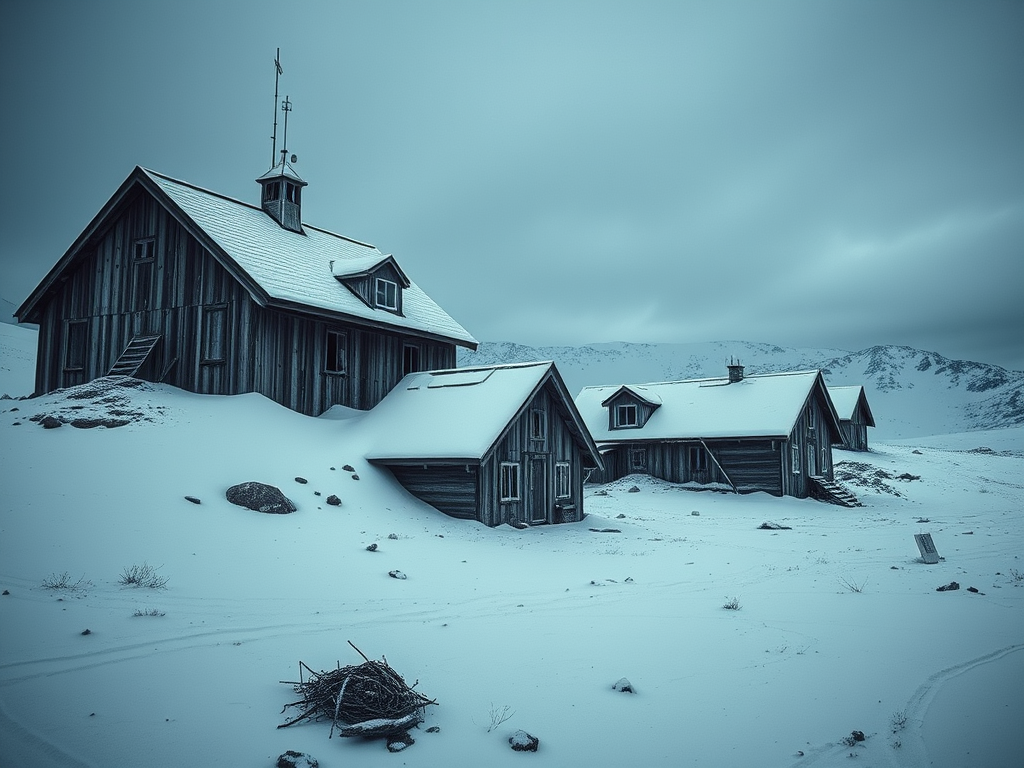
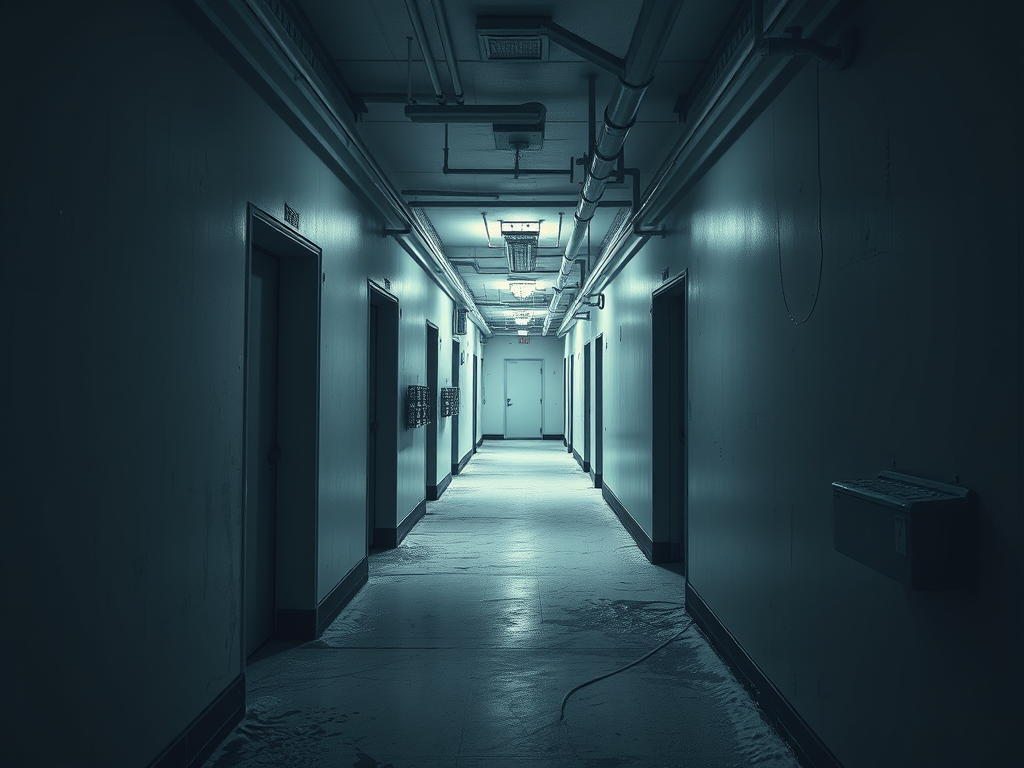
The setting is a derelict research station, long abandoned and battered by the relentless Antarctic elements. Its corridors, once a testament to human ingenuity, now echo with the mournful howls of the wind and the eerie creaks of ice shifting against decaying metal. Frost clings to every surface, and the biting cold seeps into the very walls. The station—once a cutting-edge facility—stands as a bleak monument to forgotten ambitions, its darkened hallways and abandoned labs offering a perfect stage for nightmares that defy natural order.

Deep within these icy confines, something stirs. The Thing, having already infiltrated the base, lurks unseen. Over time, it has assimilated several unwary researchers, adopting their forms to blend seamlessly into the sparse population. Its presence is like a malignant shadow, patiently waiting for the right moment to reveal its true, horrifying nature.

The Arrival

The Xenomorph

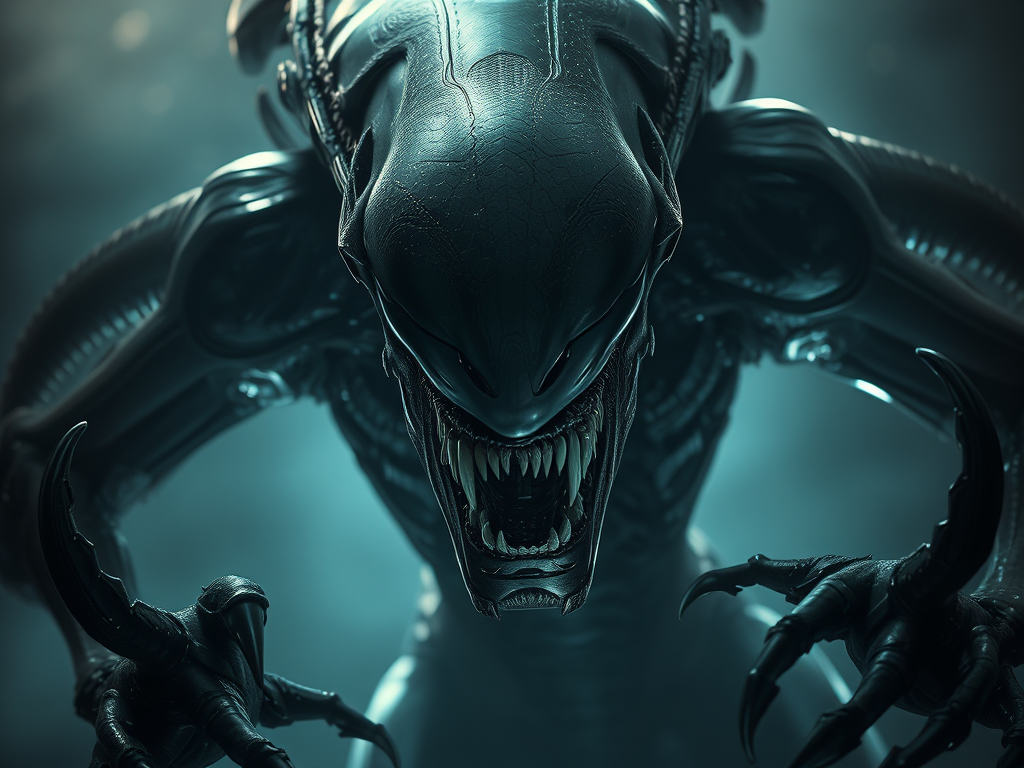
Aboard a derelict supply shuttle drifting through space, the Xenomorph is inadvertently delivered to this forsaken Antarctic outpost. Unbeknownst to anyone, the shuttle’s course led it straight into the research station’s airlock. Driven solely by a single-minded predatory instinct, the Xenomorph silently emerges from a dark ventilation duct. Its sleek, jet-black exoskeleton glistens in the intermittent light, and its multifaceted, inhuman eyes scan every dark corner for potential prey. Every step it takes is calculated, every movement a study in lethal grace. Armed with acid for blood and equipped with a mouth that can eviscerate flesh with ease, this perfect organism is primed to hunt.

The Thing

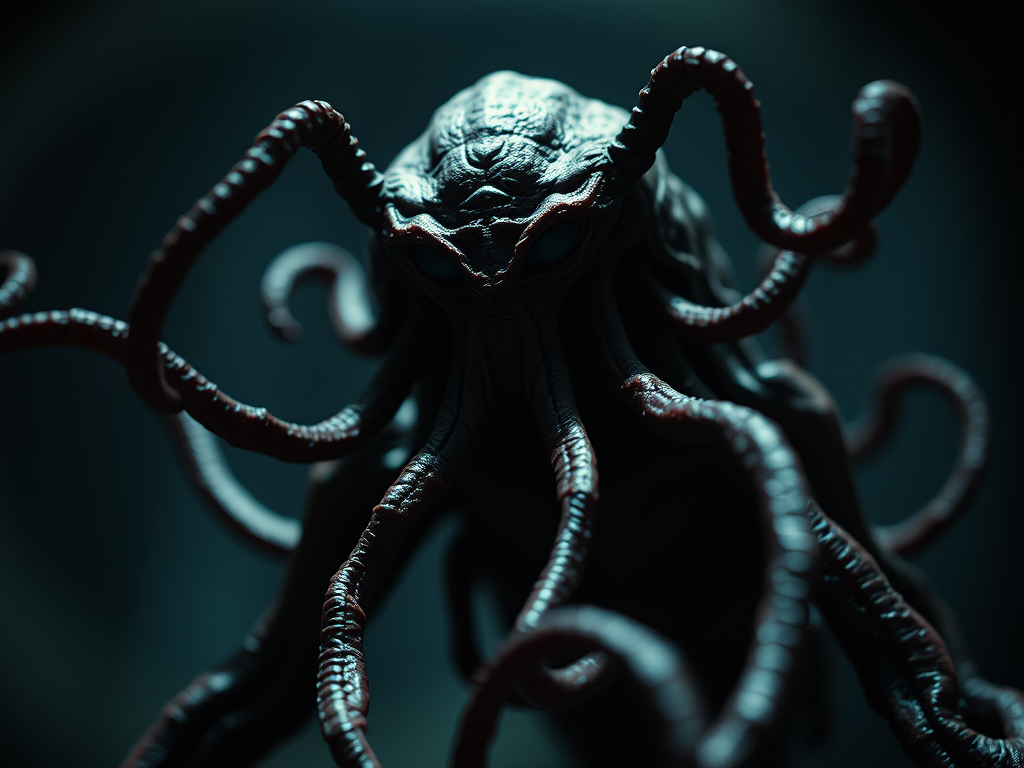
Meanwhile, The Thing lies in wait. It has already claimed several lives and learned to mimic them so convincingly that even the station’s few remaining systems seem oblivious to its presence. Lurking in the shadows of the dim corridors, it senses a disturbance—a new, unfamiliar life form that doesn’t quite belong among the assimilated. Its consciousness is a swirling mass of mimetic potential, capable of instantaneously adopting the appearance of any living creature. Now, with the arrival of the Xenomorph, The Thing begins to stir, its amorphous form rippling as it contemplates the prospect of a new host to conquer.

Round 2: The Encounter

Initial Contact

As the Xenomorph’s predatory instincts drive it forward, it picks up a faint, irregular heartbeat—a stray pulse echoing through the cold, stagnant air of the research station. At first, it appears to be the thump of a solitary lab technician, but something is off. The figure before it is unnervingly still, and as the creature draws closer, its finely tuned senses detect an aura of deception.

From the shadows, The Thing reveals itself in subtle fashion. Initially, it is camouflaged as a lone human worker, complete with the tired, resigned look of someone who has long since given up hope. Its features are too smooth, too controlled—a disguise meant to lull predators into a false sense of security. As the Xenomorph approaches, its every sense alert for signs of weakness, The Thing waits for the perfect moment to strike.

The Clash Begins

Without warning, as the Xenomorph lunges with its inner jaw snapping forward in a deadly arc, The Thing abandons its human guise. In a grotesque, almost surreal transformation, its body ripples and contorts into a monstrous, amorphous mass. Limbs twist and reform in impossible angles, and its very structure seems to defy the known laws of biology. The sudden metamorphosis startles the Xenomorph—if only for an instant—but its instincts, honed over millennia of predation, quickly overcome any hesitation.

Reacting instantly, The Thing extends tendrils of living tissue in an attempt to envelop and assimilate the alien predator. It surges forward, aiming to absorb the Xenomorph into its ever-changing mass. However, nature has granted the Xenomorph defenses that even this ultimate shapeshifter cannot easily overcome. Its chitinous exoskeleton offers a formidable barrier, and the corrosive acid that flows within its veins seeps out to burn anything it touches. These natural defenses thwart The Thing’s initial attempt at assimilation, forcing it to recalibrate its strategy.

Round 3: Tactical Maneuvers

Brutal Engagement

With its initial assault repelled, the Xenomorph retaliates with unbridled ferocity. The corridors of the research station become a dark stage for a ballet of violence. The Xenomorph darts nimbly around the contorting mass of The Thing, its movements a study in predatory efficiency. It slashes out with razor-sharp claws, each swipe aimed with surgical precision. Its long, whip-like tail lashes out, and with every strike, droplets of acidic blood splatter against The Thing’s malleable surface. The corrosive substance burns on contact, sizzling against the shapeshifter’s newly-formed limbs and causing portions of its tissue to bubble and dissolve.

In response, The Thing morphs rapidly. One moment, it shifts into a hulking, blubbering mass—designed to absorb the Xenomorph’s savage blows—while the next, it forms spindly, tendril-like appendages intended to ensnare and restrain its agile foe. This constant, frantic transformation creates a disorienting tableau; the very ground seems to writhe under the influence of The Thing’s mutating form. Yet, every time it attempts to wrap around or mimic the predator’s body, the potent acid proves to be a disruptive force. As the acid corrodes the integrity of its structure, parts of its newly-formed limbs disintegrate before they can inflict lasting damage.

Environmental Warfare

The battle soon spills into the narrow, claustrophobic corridors of the station—a setting that plays directly into the Xenomorph’s strengths. The dim, flickering lights and deep shadows create perfect ambush points for the stealthy predator. Using these elements to its advantage, the Xenomorph stalks The Thing, leaping from behind frozen machinery and shattered glass. Each ambush is a calculated strike aimed at isolating sections of the shapeshifter, forcing it to split its attention between multiple, rapidly shifting targets.

Not one to be outmaneuvered, The Thing attempts to employ subterfuge. In one desperate gambit, it shifts into the form of a weakened, injured human—a guise designed to evoke a momentary lapse in the Xenomorph’s vigilance. The predator’s senses, however, are finely tuned to the subtleties of its environment. A slight discrepancy in movement, an off note in the scent of its target, and the ruse is detected. Sensing the deception, the Xenomorph bypasses the trap, launching a counterattack with renewed intensity. The Thing’s mimicry, while effective in some scenarios, falters in the face of such an unyielding, predatory force.

Round 4: The Final Showdown

The Decisive Moment

As the conflict rages on, the battle draws both combatants deeper into the labyrinthine service tunnels of the station. These corridors, lined with frost and abandoned equipment, have become a nightmarish maze where survival hangs by a thread. Cornered and with little room to maneuver, The Thing resolves to unleash its most desperate gambit. It begins to split its form into a multitude of writhing tendrils, each one reaching out in a bid to simultaneously overwhelm the Xenomorph from all sides.

The station’s cold, unyielding walls bear witness to this final confrontation. The Thing’s tendrils writhe like snakes, seeking any vulnerability in the alien predator’s defenses. For a fleeting moment, it appears that the shapeshifter might succeed in ensnaring the Xenomorph within its amorphous clutches.

But the Xenomorph is not so easily subdued. Driven by pure, relentless predatory determination, it harnesses every ounce of its formidable arsenal. With blinding speed and precision, it darts between the tendrils, its inner jaw and powerful tail delivering savage, acidic strikes. Each blow is a calculated effort to burn away the tissue that The Thing uses to mimic life—a fiery, corrosive assault that leaves no room for the shapeshifter’s regenerative trickery.

Overwhelming the Shapeshifter

In the chaos of the final showdown, the Xenomorph senses the key to victory. Amid the writhing mass of The Thing, there appears a pulsating core—a central mass that seems to govern the shapeshifter’s myriad forms. With a final, ferocious burst of speed, the Xenomorph zeroes in on this vital point. Leaping through the air, it clamps down on the core, its jaws closing with a precision honed by countless hunts. The acidic saliva begins to sear through the central mass, and a sickening, sizzling sound fills the narrow corridor.

The Thing convulses violently as the acid disrupts its internal structure. Its uncanny ability to reorganize and mimic begins to falter under the relentless, corrosive onslaught. One by one, its appendages start to disintegrate. The amorphous mass that once shifted fluidly now shudders and splinters, its mimicry shattering under the Xenomorph’s brutal efficiency. In the ensuing moments, the Thing’s resistance crumbles. The relentless acidity eats away at its core, leaving it no longer capable of the rapid transformation that had so far made it such a formidable foe.

Final Verdict: The Xenomorph Wins

Key Factors Leading to Victory

1. Relentless Predatory Instincts:

The Xenomorph’s primal drive to hunt and kill forces it to exploit every conceivable weakness in The Thing’s constantly shifting form. Its instincts, evolved over millennia, guide it to recognize that even a shape-shifting organism has vulnerabilities—particularly when its mimicry is disrupted by a corrosive agent.

2. Acidic Defense Mechanism:

Unlike The Thing’s amorphous structure, the Xenomorph is equipped with acid for blood—a natural defense and offense that proves to be the ultimate countermeasure. The acid not only burns through flesh but also disrupts The Thing’s ability to maintain a cohesive form, effectively neutralizing its regenerative mimicry.

3. Environmental Advantage:

The setting of the abandoned research station—a maze of narrow, shadowy corridors—provides a distinct tactical advantage for the agile and stealthy Xenomorph. The confined space denies The Thing the room required to fully deploy its sprawling, adaptive forms, forcing it into direct confrontations where its malleability becomes a liability.

4. Focused Lethality:

By identifying and targeting the central core of The Thing’s mass, the Xenomorph is able to neutralize the very center of the shapeshifter’s control. This focused, lethal assault prevents The Thing from regenerating or reforming its deadly appendages, sealing its fate.

Conclusion

In this gruesome contest between the perfect organism and the ultimate shapeshifter, the Xenomorph’s raw, uncompromising predatory prowess and its corrosive, acidic arsenal ultimately prevail over The Thing’s remarkable ability to assimilate and mimic. While The Thing’s capacity for rapid transformation and adaptation is formidable, it is not enough to counter the relentless efficiency of the Xenomorph. In the frozen corridors of the forsaken research station, every echo of dripping acid and every hiss of sizzling tissue testifies to the triumph of nature’s cold, brutal efficiency.

As the echoes of the final confrontation fade into the howling Antarctic wind, the research station stands as a silent monument to the Xenomorph’s apex status. Amid the scattered remnants of shattered, assimilated tissue and the lingering scent of acid, one truth remains undeniable: in the battle of the perfect organism versus the ultimate shapeshifter, nature’s predatory design—in the form of the Xenomorph—has emerged as the undisputed, terrifying victor.

Do you agree with our verdict? Why or why not? We’re genuinely curious what other folks think the outcome would be! Have another match you’d like us to turn into a villain showdown? Drop a comment below- we’d love to hear from you!

Leprechaun: Origins Review

Photo by Elias Tigiser on Pexels.com

Introduction

Leprechaun: Origins (2014) tries to take the franchise in a darker, more serious direction, but ends up stripping away everything that made the original Leprechaun movies fun. Instead of Warwick Davis’ mischievous, wisecracking killer, we get a generic, snarling creature that barely resembles a leprechaun at all. The story follows a group of American tourists in Ireland who stumble upon a cursed village and quickly become prey for the monstrous leprechaun.  As always, I watched this one twice, so let’s dive right in.

Horror Elements

The horror in this film leans heavily on dark, claustrophobic settings, as the characters find themselves trapped in a remote village where the locals have been offering sacrifices to keep the creature at bay. The filmmakers rely on a mix of creature horror and survival horror, creating a tense atmosphere as the protagonists try to escape an enemy they barely understand. Unfortunately, while the setting and setup have potential, the execution falls short, making the film feel more like a generic monster movie than a true Leprechaun reboot.

One of the film’s main horror elements is its creature design, which trades the recognizable, mischievous leprechaun for something more animalistic. The new leprechaun is barely seen for much of the movie, with quick cuts and shadowy glimpses used to build suspense before its full reveal. When we finally do see it, the design is underwhelming—it looks more like a hairless goblin or some kind of subterranean monster rather than a mythical Irish creature.  Honestly it reminded me of the cave-dwelling creatures in the movie “The Descent”, just not as scary. 

The film tries to use this more monstrous approach to create fear, but it lacks personality and memorable traits, making it hard for audiences to feel any real attachment or terror. The kills, while brutal, are mostly standard fare for creature features, with slashing, mauling, and the occasional gore shot, but none stand out as particularly inventive or shocking. Without a compelling villain at its core, the film struggles to maintain real tension or excitement.  

In case my previous two paragraphs weren’t clear enough, let me just emphasize: the monster in this movie does NOT resemble a Leprechaun in any way, shape, or form whatsoever. Honestly, it’s baffling. Not only does it completely abandon the leprechaun’s traditional look—the little green suit, the mischievous grin, the obsession with gold—but it also ditches all the playful, trickster qualities that made the original films so fun. Did I mention they gave this creature thermal vision? Yes, you heard that right. A leprechaun with thermal vision. In what corner of Irish folklore does it ever mention leprechauns being able to see heat signatures like a predator? I’m still scratching my head over that one. It feels like the filmmakers just slapped the Leprechaun name on this generic creature-feature without any understanding of the source material. 

I’m genuinely at a loss for how a movie with the Leprechaun name could get the entire concept of the monster so completely and utterly wrong. It’s not just a misstep; it’s a fundamental misunderstanding of what makes the franchise, and leprechauns themselves, memorable. The whole thing feels disconnected, like they tried to create something terrifying without any regard for the iconic myth they were supposedly working with. Did the film makers even watch any of the original movies?  Experience a St. Patty’s day celebration??  Eat a bowl of Lucky Charms???

Okay, done venting, back to my review…

The final major horror element is the sense of isolation and helplessness, as the characters find themselves hunted in unfamiliar territory. The Irish countryside, with its dense forests and eerie ruins, could have been used to great effect, but the film doesn’t fully take advantage of its setting. Instead, much of the action takes place in dimly lit barns and underground tunnels, which, while claustrophobic, don’t add much to the atmosphere. The villagers, who know more than they let on, provide a brief folk horror element, but their role is minimal and lacks depth. Without strong world-building or an engaging antagonist, Leprechaun: Origins fails to deliver the chilling, folklore-infused horror it aims for. Instead, it feels like a generic creature feature that just happens to use the Leprechaun name, making it a disappointment for both fans of the franchise and horror lovers looking for something fresh.

Movie Elements

Leprechaun: Origins seriously lacks creativity, which is a huge letdown for a franchise known for its weird, over-the-top fun. Instead of putting a fresh spin on the classic leprechaun myth, the movie strips away everything unique and replaces it with a generic monster flick that could’ve been about any random creature. The leprechaun itself doesn’t even look or act like one—it’s just a mindless, growling beast that spends most of the movie lurking in the shadows. There’s no personality, no clever kills, and no fun mythology to make it stand out. Even the setting, rural Ireland, could have been used to add some eerie folklore vibes, but the film barely takes advantage of it. Instead, we get a by-the-numbers survival horror movie that could’ve been called anything else and no one would have noticed. For a reboot, it plays things way too safe, making Leprechaun: Origins feel more like a forgettable SyFy Channel creature feature than a fresh take on a cult classic.

The acting in Leprechaun: Origins is as forgettable as the rest of the movie. The cast, made up mostly of unknowns, delivers bland and uninspired performances, with characters that feel more like horror movie stereotypes than real people. You’ve got the standard group of clueless American tourists who make dumb decisions and spend most of the movie either screaming or arguing. There’s no real chemistry between them, and since the script doesn’t give them much to work with, it’s hard to care about anyone’s survival. Even WWE’s Dylan “Hornswoggle” Postl, who plays the leprechaun, is completely wasted since the creature is barely seen and has no personality. Without a strong villain or interesting protagonists, the performances fall flat, making the movie feel even more lifeless than it already is.

The cinematography is just as disappointing as the rest of the film. Instead of using the Irish countryside (it doesn’t look like Ireland) to create an eerie, atmospheric horror vibe, most of the movie is shot in dark, cramped locations that make it hard to see what’s going on. The filmmakers rely way too much on shaky cam and quick cuts, especially during action scenes, which makes the few monster attacks more frustrating than scary. Even when the leprechaun is on screen, the camera work and lighting hide it so much that you never get a good look at the creature.  There was a real opportunity to use moody lighting, creative angles, or even some cool folklore-inspired visuals, but instead, we get a generic, poorly lit horror movie.  Side note- why are all the villagers dressed as though they’re from the mid 1900s?  What was the point of that?

Let me just say, it was seriously tough for me to sit through this one twice because it was just so bland and boring. The pacing dragged, the dialogue was lifeless, and there was absolutely nothing that kept me invested in what was happening on screen. Not only was I able to guess the entire plot within the first 15 minutes, but I even predicted the exact order in which the main characters would die—down to the last survivor. There were no surprises, no twists, and definitely no moments that made me feel even the slightest bit of suspense. I kept hoping for something—anything—to shake things up, but it just stuck to the most generic horror formula possible. I mean, come on… if your movie is this predictable, at least make it fun or give us a villain worth watching. Instead, I was left counting the minutes until it was finally over.

Conclusion

While the film attempts to go for a gritty, creature-feature vibe, it falls flat with forgettable characters, dull kills, and a lack of the franchise’s signature campy charm. Honestly, if the movie had been named anything-and I mean ANYthing else, I would have said it wasn’t half bad.  I probably could have enjoyed it a bit.  But they didn’t- they called this movie Leprechaun Origins because this was supposed to be a reboot for the beloved cult classic.  If you’re looking for the goofy, over-the-top fun of the original Leprechaun films, you won’t find it here—just a bland, uninspired horror flick that doesn’t do the series any favors.  

Final Scare Me Please Score:  That is not a leprechaun, out of 100

Link to Official Trailer

Have you watched this movie?  What did you think of it?   Was it just as disappointing to you as it was to us?  Anything we missed? Have an idea for what we should watch next? Drop a comment below to let us know!

Ghost Stories Review

Introduction

Ghost Stories (2017) is a chilling British horror anthology that blends psychological and supernatural terror into a suspenseful, twist-laden film. Directed by Jeremy Dyson and Andy Nyman, the film follows Professor Philip Goodman, a skeptical investigator of paranormal claims, as he examines three disturbing cases that challenge his beliefs. With its eerie atmosphere, unsettling storytelling, and strong performances, Ghost Stories aims to pay homage to classic horror anthologies while offering a fresh take on the genre.

Let me be upfront by saying I am a huge fan of horror movie anthologies—I seem to enjoy them even when they aren’t particularly well-made. There’s something about the structure of interconnected, bite-sized tales of terror that I find irresistible. However, that doesn’t mean I can’t recognize when an anthology falls flat or fails to deliver a satisfying experience. Some rely too heavily on jump scares, while others struggle with pacing or weak wraparound stories. So where does Ghost Stories rank among its peers? Does it deliver a hauntingly memorable experience, or is it just another forgettable entry in the genre? Let’s take a closer look.

Horror Elements

At the beginning of the movie, the true antagonist isn’t immediately clear, as the film presents itself as a straightforward supernatural investigation. Initially, the cases Professor Philip Goodman examines seem to suggest that the ghosts and demons haunting the victims are the primary sources of terror. However, as the film progresses, it becomes evident that the real antagonist is something far more psychological—Goodman himself. His deep-seated guilt and suppressed trauma manifest through the terrifying stories he encounters, leading to a shocking revelation that reframes the entire narrative. The sinister force at play isn’t just the supernatural but the haunting nature of Goodman’s own mind, making Ghost Stories as much a psychological thriller as it is a horror film.  Honestly, I went into this movie not knowing this (the trailer doesn’t give too much away), so I initially thought this was just going to be another supernatural-scares sort of film.  This made the psychological twist so much more powerful at the end.  

Professor Philip Goodman is a highly believable protagonist in Ghost Stories (2017), thanks to both strong writing and Andy Nyman’s nuanced performance. As a skeptic and debunker of the paranormal, Goodman is grounded in logic and reason, making his descent into fear and uncertainty all the more compelling. His reactions to the eerie events he investigates feel natural—initially dismissive, then subtly unnerved, and eventually completely unraveled. Unlike many horror protagonists who make irrational decisions for the sake of scares, Goodman approaches each case methodically, making his transformation into a man questioning his own reality all the more effective.  This slow suspenseful build only adds to the horror. His backstory, which is gradually revealed, adds layers to his character, making him not just a vessel for the audience but a deeply flawed and human figure whose fears are far more psychological than supernatural.

In addition to having a believable protagonist, I also felt as though the different characters’ reactions were uniquely portrayed by their character and realistic.  With the first case to be examined, that of Tony Matthews, his reaction to the supernatural events reflects what his character would actually do:  turn on a happy song up loud, call his co-worker for comfort, pick up a hammer (weapon), and call out a threat to whatever is out in the darkness tormenting him.  Simon Rifkind, the second case study, reacts in a similar fashion in that he attempts to grab a weapon (a rolled up map is better than nothing).  Instead of going into “fight mode” as Matthews did, he instead chooses to run from the car when the monster enters it.  Considering how fragile his character seems, this fits what he’d actually do quite well.  Finally, Mike Priddle, the 3rd and final character, reacts differently as well.  Being an intelligent business man, he approaches paranormal events with a logical approach.  For example, when the baby diapers fly across the floor in the nursery, he checks all the windows for a potential draft.  Again, it fits his character and I appreciate these subtle differences immensely.  

Movie Elements

While many anthologies rely on disconnected short tales with a simple wraparound narrative, Ghost Stories cleverly weaves its segments into a larger, more cohesive mystery that builds toward an unexpected and deeply unsettling conclusion.  Additionally, its willingness to subvert expectations—particularly in how it recontextualizes its supernatural elements—adds a layer of depth rarely seen in traditional anthology horror. Rather than just telling scary stories, the film ultimately explores the nature of fear, guilt, and the fragile state of the human mind, making it a refreshingly original entry in the genre.  

The pacing of Ghost Stories is deliberate, gradually building tension rather than relying on constant scares or action. The film takes its time establishing atmosphere and character, particularly through Professor Philip Goodman’s methodical investigations. Each of the three cases unfolds with a slow, creeping dread, allowing the horror to simmer rather than explode all at once. While this approach effectively heightens suspense, some viewers may find the film’s measured pace a bit too restrained, especially in the first half. However, the steady buildup pays off in the final act, where the narrative accelerates into a surreal, mind-bending climax. The film’s pacing ultimately mirrors its psychological themes—drawing the audience deeper into Goodman’s unraveling reality—making for an experience that is unsettling, if at times intentionally slow-burning.

Acting is one of the film’s strongest aspects, with each performance adding depth and authenticity to the film’s eerie atmosphere. Andy Nyman delivers a compelling lead performance as Professor Philip Goodman, perfectly capturing his character’s skepticism, growing unease, and eventual unraveling. Paul Whitehouse, Alex Lawther, and Martin Freeman each bring something unique to their respective segments.  

Whitehouse portrays a working-class man haunted by a tragic encounter with raw realism.  In fact ,as I was watching his story unfold, I couldn’t help but be reminded of someone I knew exactly like him that I worked with many years back.  Specifically, when the spooky stuff starts to happen to him during his night shift, he kind of blows it off at first, something I felt to be very much, Lawther’s performance as a deeply disturbed teenager is intensely unsettling, and Freeman adds a charismatic yet chilling presence that lingers long after his scenes. The cast’s commitment to their roles makes the supernatural elements feel all the more believable, elevating Ghost Stories beyond a typical horror anthology into something far more psychological and immersive.

Cinematography was yet another aspect of the film that was done well. The camera often lingers on empty spaces, creating a sense of unease and suggesting the presence of something unseen. The use of dim lighting and shadowy compositions heightens the feeling of claustrophobia and uncertainty, with scenes that seem to be on the edge of revealing something terrifying, but never fully expose it until the right moment. The framing is precise, often focusing on the protagonist’s reactions or the subtle movement in the background, adding to the unease. Particularly effective are the moments when the camera holds on still shots, allowing the audience to linger in the discomfort of a scene, with every shadow or flicker of light amplifying the growing sense of dread. One specific example of this is during a scene with the character Tony Matthews.  After exploring the far end of the basement level of his building and discovering nothing amiss, he tries to calm his nerves by smoking a cigarette.  In the background, the audience can see the lights in the hallway behind him turn off one by one; this was incredibly effective.  

Conclusion

Overall, Ghost Stories is a meticulously crafted horror anthology that blends supernatural chills with psychological depth, offering a uniquely unsettling experience. With strong performances, a slow-burning but effective pace, and masterful use of cinematography and sound design, the film builds an eerie, immersive atmosphere that almost requires a second viewing. While its deliberate pacing and layered storytelling may not appeal to all horror fans, those who appreciate psychological horror and well-executed suspense will find plenty to admire.  As I’ve mentioned in other articles, I have ADHD.  With this in mind, when I say that this movie captured my full interest, it means it was extremely interesting.  I like to take notes during both my viewings of the movies I review, and with this one I actually had to pause it so I could jot stuff down as I didn’t want to miss a single second.  More than just a collection of ghostly encounters, Ghost Stories is a chilling exploration of guilt, fear, and the blurred lines between reality and the mind’s darkest corners.

Final Scare Me Please Score:  Coma from hell, out of 100

Link To Official Trailer

Have you watched this movie?  What did you think of it?   Did you guess the ending? Which was the scariest story to you?  Anything we missed? Have an idea for what we should watch next? Drop a comment below to let us know!

The Cleaning Lady Review

Introduction

Directed by Jon Knautz, “The Cleaning Lady” opens with a deeply disturbing sequence that sets the tone for the film’s exploration of obsession and trauma.  What might this introductory sequence be?  In simple terms:  rat smoothie.  Yes, you read that correctly and let me just say I’ve had a multitude of ratties as pets over the years which made the opening scene quite upsetting.  This psychological horror movie centers on Alice, a woman trying to simplify her life and overcome an affair by befriending her cleaning lady, Shelly. However, as their friendship deepens, Alice discovers that Shelly harbors dark secrets and a twisted past which tries to justify the “rat smoothie” the viewer is forced to endure within the first 5 minutes of the movie. The director attempts to intertwine themes of loneliness, manipulation, and the haunting impact of past traumas in a way that scares the audience; let’s take a deeper look at whether or not this was accomplished.

Horror Elements

“The Cleaning Lady” introduces audiences to a unique and haunting antagonist in the form of Shelly, portrayed with unsettling intensity by Rachel Alig. Unlike typical horror villains, Shelly’s menace is rooted in her tragic and twisted past, which has left her physically and emotionally scarred. Her outward appearance, marred by severe burns, masks an even more disturbing inner darkness. Shelly’s actions are driven by a complex mix of envy, obsession, and a desperate longing for connection, making her both sympathetic and terrifying. Her meticulous and calculated manipulation of Alice reveals a deeply disturbed mind, capable of orchestrating chilling acts of psychological and physical torment. Shelly’s character stands out in the horror genre for her layered backstory and the profound sense of unease she evokes, making her a memorable and uniquely horrifying antagonist.

The story’s core elements—loneliness, obsession, and the lingering effects of trauma—are deeply rooted in real human experiences, making the characters’ actions and motivations chillingly believable. Shelly’s physical scars and emotional wounds reflect a realistic portrayal of how past abuse and neglect can shape one’s psyche, driving her to extreme and terrifying behaviors. The film’s setting, primarily within the confines of ordinary, everyday spaces like Alice’s home, enhances the sense of realism by juxtaposing the familiar with the sinister. This grounded approach to horror makes the unfolding events feel plausible and immediate, intensifying the audience’s emotional response.

Shelly, the unsettling antagonist of “The Cleaning Lady,” has a backstory steeped in trauma and tragedy, which profoundly shapes her disturbing behavior. Born into an abusive household, Shelly endured unimaginable suffering at the hands of her mother, who inflicted severe burns on her as a form of punishment. These physical scars are a constant reminder of her painful past, but it is the emotional scars that drive her actions. Isolated and tormented, Shelly’s psyche becomes twisted, leading her to develop an obsession with cleanliness as a way to control her chaotic life. Her need for connection and acceptance manifests in a dangerous fixation on Alice, a woman she cleans for, whom she perceives as perfect and unattainable. Shelly’s tragic past and the abuse she suffered create a complex and sympathetic villain, whose actions, while horrifying, are rooted in a desperate longing for the love and normalcy she never experienced. 

Suspense is mostly accomplished via the growing bond between Alice and Shelly.  This relationship  is laced with an ever-present sense of dread, as Shelly’s true nature and intentions slowly come to light. The suspense is heightened by the claustrophobic setting, primarily confined to Alice’s home, which transforms from a safe haven into a prison of psychological torment. Director Jon Knautz uses tight, intimate shots and a haunting score to amplify the feeling of unease, drawing the audience deeper into the twisted dynamics between the characters. As the film progresses, the suspense intensifies, culminating in a series of shocking and unpredictable twists that leave viewers both horrified and enthralled. 

The sound design meticulously uses subtle, everyday noises—such as the scraping of a cleaning brush, the clinking of glass, and the hum of household appliances—to create an eerie sense of normalcy twisted into something sinister. The soundtrack’s sparse, haunting melodies punctuate moments of quiet tension, building an almost unbearable suspense as Shelly’s dark past and intentions are gradually revealed.  Alice, the protagonist of “The Cleaning Lady,” is portrayed with a level of complexity and realism that makes her a believable and relatable character. As a woman struggling with personal demons, including an extramarital affair and a sense of emptiness, Alice’s vulnerability and attempts at self-improvement are convincingly depicted. Her decision to befriend Shelly, driven by a mix of compassion and a desire for distraction from her own problems, feels authentic and grounded in her character’s emotional state.

Alice’s gradual realization of Shelly’s dark side and her increasing entanglement in Shelly’s disturbing world are portrayed with a genuine sense of fear and desperation. Her reactions to the escalating horror are realistic, reflecting a blend of disbelief, horror, and survival instinct that resonates with the audience. Despite some moments that may require a slight suspension of disbelief, such as her continued interactions with Shelly despite growing red flags, Alice’s journey is overall compelling and believable. Her character’s depth and relatability add to the film’s psychological tension, making the unfolding events all the more gripping and horrifying.

Movie Elements

“The Cleaning Lady” brings a fresh perspective to the horror genre by intertwining themes of psychological trauma, obsession, and the quest for human connection in a unique and unsettling narrative. Unlike conventional horror films that rely heavily on supernatural elements or overt gore, this movie focuses on the chilling dynamics between its characters and the horrors rooted in real human experiences. Shelly, as the antagonist, stands out with her tragic backstory and complex motivations, offering a villain who evokes both fear and a degree of sympathy.

The film’s setting—a seemingly ordinary home that becomes a site of psychological and physical terror—adds to its originality. The use of everyday objects and routines, like cleaning, to build suspense and horror is both innovative and deeply unnerving. This approach not only subverts common horror tropes but also makes the terror feel more immediate and relatable.  Additionally, “The Cleaning Lady” explores the intricate psychological interplay between its characters, particularly the twisted bond between Alice and Shelly. This focus on character-driven horror, combined with the film’s disturbing yet plausible scenarios, sets it apart in the genre, making it a standout for its originality and depth. 

 While “The Cleaning Lady” succeeds in creating a disturbing atmosphere and intriguing characters, its pacing is a notable drawback. The film starts with a strong, eerie introduction but soon lapses into a slow buildup that may test the patience of some viewers. Key plot developments unfold at a sluggish pace, and the tension that is carefully built often dissipates due to lengthy, drawn-out scenes that could have been more tightly edited.  The middle portion of the film, in particular, suffers from this slow pacing, as it delves deeply into character interactions and backstory without advancing the plot significantly. This can lead to a sense of stagnation, where the initial suspense wanes and the audience is left waiting for the next significant event. While the detailed exploration of characters is commendable, the film occasionally prioritizes this over maintaining a consistent sense of urgency and suspense.  The pacing issues become more pronounced when the story finally shifts gears towards the climax. The sudden acceleration of events can feel jarring, contrasting sharply with the earlier, more leisurely pace. This uneven pacing detracts from the overall tension and makes the climax feel somewhat rushed and less impactful.  Overall, while “The Cleaning Lady” excels in atmosphere and character development, its poor pacing hampers the film’s ability to sustain suspense and fully engage the audience throughout its runtime.

Rachel Alig, as Shelly, is particularly effective in her role, bringing a chilling intensity to her character. Alig’s performance captures the duality of Shelly’s personality—her outward appearance as a quiet, unassuming cleaning lady and her hidden, deeply disturbed nature. The subtlety with which Alig portrays Shelly’s growing obsession and manipulative tendencies adds to the film’s unsettling atmosphere, making her a compelling and memorable antagonist.  The supporting cast also contributes to the film’s overall impact, with each actor enhancing the story’s tension and emotional depth. The interactions between the characters feel organic, and the chemistry between Kendra and Alig is especially noteworthy, driving the narrative forward and heightening the psychological stakes.

Conclusion

In conclusion, “The Cleaning Lady” ultimately falls short of its potential, hindered by its uneven pacing and lackluster plot development. While the performances by Alexis Kendra and Rachel Alig are commendable, they cannot fully compensate for the film’s drawn-out middle act and predictable storyline. The movie’s attempts at building suspense often feel forced, and the reliance on familiar horror tropes detracts from any sense of originality. Despite a few genuinely unsettling moments, “The Cleaning Lady” fails to maintain a consistent level of tension or deliver a truly compelling horror experience, leaving viewers more frustrated than frightened.  

Final Scare Me Please Score: “Rat smoothie” should not be a thing, out of 100

Link To Official Trailer

Have you watched this movie? Did you dislike it as much as we did?  Drop a comment below to let us know!

The Collector

Introduction

Allow me to begin this review by putting you into the opening scene of the movie:  

You arrive home after a fun night on the town.  It’s late, you’ve had too much to drink, and you’re thankful to have made it home safely.  You reach for the light switch and flip it on, but nothing happens.  Thinking the power must be out, you decide to just stumble around in the dark instead of attempting to locate the fuse box.  Thankfully there’s enough moonlight shining through the windows to be able to see without tripping over anything.  After you finally make it to the bedroom, you stop dead in your tracks as you notice something is there that shouldn’t be:  a large, antique wooden box is sitting in the middle of your room.  You’ve never seen it before, but before your mind has time to process its presence, the box begins to rattle as though someone is inside.  

What a creepy, attention-grabbing opening.  “The Collector,” directed by Marcus Dunstan, plunges audiences into a nightmarish scenario of survival and terror. This slasher/body horror film follows Arkin, a desperate handyman who plans to rob a wealthy family’s home, only to find himself trapped inside with a sadistic killer who has rigged the house with deadly traps. Combining elements of home invasion, psychological horror, and slasher grotesqueness,  “The Collector” delivers a relentless and suspenseful experience, leaving viewers on edge from start to finish. With its intense atmosphere, inventive traps, and a chilling antagonist, the film promises a gripping and harrowing journey into the dark recesses of human cruelty and desperation.

Horror Elements

The true standout of “The Collector” is its unique antagonist, a meticulously cunning and sadistic figure known only as “The Collector.” Unlike typical horror villains, The Collector isn’t motivated by vengeance or supernatural forces; his drive is pure malevolence and an unsettling fascination with his victims’ suffering. He meticulously plans his captures, turning homes into macabre death traps that showcase his twisted ingenuity. With his eerie mask and calculated demeanor, The Collector is a master of psychological manipulation, instilling dread through his omnipresence and unpredictability. This villain’s methodical cruelty and unrelenting pursuit of his prey elevate the film’s terror, making him a memorable and chilling figure in the horror genre.

Despite its gripping premise, “The Collector” stretches the boundaries of plausibility, veering into unrealistic territory at times. The elaborate traps, while ingeniously designed, often feel too complex and intricate to be set up in the limited time frame suggested by the film. The antagonist’s ability to orchestrate such a meticulously detailed and deadly environment without detection strains credibility, especially considering the physical and logistical challenges involved. Additionally, the resilience of the characters, particularly their ability to endure extreme physical trauma and continue fighting, can come across as exaggerated and far-fetched. These elements, while contributing to the film’s tension and entertainment value, require a significant suspension of disbelief, reminding viewers that they are watching a carefully crafted piece of fiction rather than a scenario grounded in reality.

Suspense is the driving force behind “The Collector,” gripping the audience from the very first scene and never letting go. The film masterfully builds tension through a combination of claustrophobic settings, unpredictable traps, and the ever-present threat of the antagonist. Each moment is fraught with danger, as Arkin navigates the booby-trapped house, with every step potentially triggering a deadly mechanism. The cat-and-mouse dynamic between Arkin and The Collector heightens the suspense, as viewers are constantly left guessing about who will gain the upper hand. The film’s pacing is relentless, with each narrow escape and close call amplifying the sense of impending doom. 

“The Collector” tantalizes viewers with glimpses of the antagonist’s enigmatic backstory, adding layers of intrigue to his character. While much about The Collector remains shrouded in mystery, these hints suggest a dark and twisted past that shaped his sadistic tendencies. The lack of a fully fleshed-out backstory for The Collector serves to enhance his menacing presence, making him an even more unpredictable and terrifying figure. By leaving much of his history to the imagination, the film allows the audience to fill in the gaps with their own fears, deepening the psychological impact of the character and heightening the overall sense of dread.  A little backstory is given at the very end of the film, but not enough to allow any of the built-up dread to evaporate.  

Audio cues play a crucial role in amplifying the tension and fear in “The Collector.” The film utilizes a carefully crafted sound design to heighten the sense of impending danger and to keep viewers on edge. Sudden, jarring noises accompany the triggering of traps and make each encounter even more shocking. The soundtrack features a mix of eerie, unsettling music and stark silences, creating a palpable sense of dread and anticipation. Ambient sounds, such as the creaking of floorboards or the subtle clicking of a timer, are used to great effect, immersing the audience in the film’s perilous environment.  To hear a soft music box-type jingle, followed by electronica beats, followed by a complete lack of any sound at all really set me on edge. 

Arkin, the protagonist of “The Collector,” often pushes the boundaries of believability, which can detract from the film’s overall realism. His transformation from a desperate handyman to a resourceful hero capable of outsmarting a cunning and sadistic antagonist feels abrupt and somewhat implausible. The sheer physical endurance he displays, surviving severe injuries and enduring extreme stress while still managing to navigate the house’s deadly traps, stretches credibility. Additionally, his ability to think quickly and devise escape strategies in the heat of the moment seems beyond the capabilities of an ordinary person with his background. While these traits make Arkin a compelling and resilient character, they require a significant suspension of disbelief from the audience, reminding them that they are watching a heightened cinematic portrayal rather than a realistic scenario.  Honestly, I think I would’ve liked the film a lot more if the entire film stuck to the initial plot of him stealthily navigating the house, having to endure hearing those around him die, while he kept hidden, too terrified to take action.  That alone was a unique, super scary premise to me.  

Movie Elements

The film’s concept of a protagonist who becomes an unintended victim during a planned heist is a fresh twist that sets it apart from typical horror plots. The antagonist’s elaborate and inventive traps add another layer of originality, showcasing a perverse creativity that is both horrifying and fascinating. Additionally, the film’s relentless pacing and the claustrophobic setting of a booby-trapped house provide a distinctively intense and immersive experience. By combining these elements, “The Collector” really did show quite a bit of originality.

The cinematography of the film significantly enhances its suspenseful and claustrophobic atmosphere. Director of Photography Brandon Cox uses tight, confined shots to amplify the feeling of entrapment and tension as Arkin navigates the perilous, booby-trapped house. The film’s lighting is stark and strategic, with dimly lit corridors and rooms that heighten the sense of dread and uncertainty.  Dynamic camera angles and movements are used to mirror the characters’ anxiety and disorientation. Quick cuts and shaky handheld shots during moments of intense action create an immersive experience, drawing viewers into the chaos and danger. Conversely, slow, deliberate pans build suspense, allowing the terror to unfold gradually.  Two scenes in particular really stood out to me, the first being when the main character Arkin is attempting to crack open the safe and the killer slowly walks upstairs toward him.  The camera pans to a top view, enabling viewers to see how close these two characters are to one another; the tension is so high it is palpable.  Secondly, the other scene that really stood out to me, was when the first full trap is realized by the characters and zoom-in shots of all its mechanical workings reveal just how intricate it is.  Those two scenes were really well done.

As I mentioned earlier, the plot was creative but highly unrealistic.  I didn’t like any of the characters, though the acting was fine.  Whenever someone was killed, I honestly didn’t feel any sort of emotional tie that made me think “Nooo, why couldn’t that person have lived!”.  Part of me enjoyed the main character when he started to fight back against The Collector, but the other part of me screamed “Why the hell didn’t he do it sooner?”.  I feel as though he let the other people in the film just die and it was only at the very end that he finally started to take direct action.  Wouldn’t it have been smarter to immediately set the other two adults locked in the basement free?  Three against one, right?  Also, if the main character was willing to break a window and just run for it, why not do that immediately upon finding himself trapped with a psycho?  Another sore point for me, why the heck didn’t the younger daughter run to Arkin when he was actually inside the house calling/looking for her, instead of waiting to bang on the window after he was already outside running for help?  Yet another point that bothered me, was the electrocution scene.  How did a full-grown man get electrocuted to death by the water on the floor, but the goldfish that was in that water survived just fine?  Perhaps the most egregious part of the film, however, was that both the cat and dog died… I mean seriously?  Isn’t that the number one horror film faux-paus?  Always let the pets live… come on.

Moving on from my plot rant, the film effectively balances moments of quiet unease with sudden bursts of intense action, keeping the audience constantly engaged. The traps set by the antagonist are revealed strategically, adding layers of suspense and unpredictability to the narrative. As the protagonist, Arkin, navigates the deadly obstacles and confronts the malevolent Collector, the pacing intensifies, culminating in a gripping climax that delivers on the film’s promise of heart-pounding thrills.  

Conclusion

Reflecting back on the beginning of this review, I would say the intro scene is the perfect summary of how I feel about this movie- it’s creepy and disturbing, and the characters make a lot of dumb decisions.  I mean, seriously folks- you’re gonna see a random box in the middle of your room and not immediately run out of the house?  I would’ve been out of there so fast and I certainly would not have approached it to take a better look at what might be inside.  Overall, the movie had too much torture and icky scenes for me to enjoy it much.  It was definitely worth seeing as it was interesting for me even though I’m not a fan of that style of horror.  The antagonist’s intricate traps and the protagonist’s desperate struggle amplify the sense of danger and uncertainty and kept me captivated from start to finish. While requiring a suspension of disbelief, the film’s commitment to delivering intense thrills and psychological tension will make you walk away with a lasting impression of its unsettling atmosphere, ensuring it remains a memorable and impactful experience for fans of the genre. 

Final Scare Me Please Score: What’s wrong with just collecting stamps, out of 100

Link To Official Trailer

Have you watched this movie? What did you think? Would you have done anything different to try and escape the house?  Drop a comment below to let us know!

Lethal Company Review

Introduction

“Lethal Company” is a 1st-person survival horror game developed and published by a single person:  Zeekerss.  Still in early-access, the $10 game has blown-up with the help of Youtuber’s showcasing the fun mechanics of the game, in addition to the consistent development and love shown to it by the developer.  Recently, this growing popularity was further assisted by the game’s collaboration with Fortnite, allowing the purchase of a Lethal Company skin within its shop.  Since the game still is in “early-access”, this review might be a bit premature, but considering how much enjoyment (and screams) we’ve already gotten from playing, we decided to go ahead with this post.  

Horror Elements

Uncertainty is among the top elements of horror used within the game via the use of procedurally generated maps.  This feature significantly amplifies the fear and unpredictability of the gameplay experience and ensures that no two playthroughs are the same, keeping players on edge as they navigate through ever-changing environments filled with new threats and surprises. The randomization of map layouts means that players cannot rely on memorization or previous strategies, heightening the sense of vulnerability and tension. Each session presents fresh challenges and opportunities, requiring players to adapt quickly and think on their feet. The unpredictable nature of the maps, combined with the game’s eerie atmosphere and relentless enemies, creates a dynamic horror experience that is both terrifying and exhilarating. By incorporating procedurally generated maps, Lethal Company delivers a uniquely suspenseful adventure that keeps players constantly engaged and on the lookout for the next lurking danger.  

Since the game is co-op, I originally assumed there would be a lack of genuine fear while playing- I mean, I would be playing alongside 3 other people, so there wouldn’t be much room for jump-scares or tension build up, right?  I was terribly wrong.  The co-op horror experience is uniquely enhanced by a use of isolation mechanics and strategy, creating an atmosphere of shared yet personal dread. Depending on the player’s strategy, the game forcefully separates players at critical moments, forcing them to confront terrifying situations alone while maintaining communication with their team. This design choice heightens the fear and tension, as players must navigate dark, eerie environments without the immediate support of their companions. The isolation not only amplifies individual vulnerability but also fosters a deeper sense of camaraderie when the team is reunited. The game’s sound design plays a pivotal role, with distant screams and unsettling noises adding to the feeling of being alone and hunted. By combining cooperative gameplay with moments of solitary terror, Lethal Company delivers a gripping and immersive horror experience that keeps players on edge and tests their ability to work together under pressure.

One standout feature of the game, at least in my humble opinion, are the unique monsters/entities that populate its world. Most monsters (especially zombies) are overdone in a lot of video games, so it’s refreshing to see some new ones.  Lethal Company introduces a diverse array of creatures, each with distinctive designs, behaviors, and attack patterns that keep players constantly on edge. Though these monsters are not visually striking, they do what they are intended to do:  scare ya.  My only complaint is the lack of backstory; if Lethal Company was also imbued with rich lore, it would, beyond a doubt, enhance the game’s dark and immersive atmosphere. 

Regardless, each encounter with these creatures is a fresh and harrowing experience, requiring players to adapt their strategies and remain vigilant. The developers’ creativity shines through in the monsters’ varied appearances and the eerie, unsettling sounds they make, adding layers of dread and tension. These unique adversaries are integral to the game’s identity, providing memorable challenges that elevate the gameplay. The originality invested in these monsters make Lethal Company a must-play for fans of the horror genre, offering a truly distinctive and chilling experience that sets it apart from other games.

Yet another point that’s worth mentioning is the creator’s decision to feature a weak protagonist.  This, in itself, significantly enhances the overall sense of fear and vulnerability, making the game a truly terrifying experience. The game deliberately avoids giving players the comfort of a powerful hero. Instead, the protagonist is fragile and limited in abilities, which heightens the stakes and amplifies the tension in every encounter. This design choice forces players to rely on stealth, cunning, and resourcefulness to survive, rather than brute strength or combat skills. The constant awareness of the protagonist’s fragility transforms even mundane tasks into nerve-wracking challenges, as danger lurks around every corner. The sense of dread is further intensified by the protagonist’s realistic reactions to fear and danger, creating a deeply immersive experience. By making the player feel genuinely vulnerable, Lethal Company achieves a level of horror that is both psychological and visceral, ensuring that every moment is filled with suspense and terror.

Game Elements

Subtle use of audio plays a crucial role in creating an atmosphere of pervasive dread and tension. The game masterfully employs understated sound design to keep players on edge, with every creak, whisper, and distant footstep enhancing the sense of unease. The ambient sounds are meticulously crafted to immerse players in the game’s eerie environments, where silence can be as terrifying as any jump scare. This nuanced approach to audio, where even the slightest noise can signal impending danger, forces players to remain hyper-aware of their surroundings. The light-hearted soundtrack when first landing on the moon clashes perfectly with the drastic minimalistic sound upon entering the facility, working together to build a chilling, immersive experience that heightens the psychological horror. By leveraging subtle audio cues, Lethal Company creates a deeply unsettling atmosphere that lingers long after the game is turned off, proving that sometimes, it’s what you don’t hear that’s the most frightening.

In Lethal Company, the minimal and stylized graphics prove that horror doesn’t rely on hyper-realism to be terrifying. The game uses a distinctive visual style that strips away unnecessary details, focusing instead on creating an atmosphere thick with tension and fear. The stark, minimalist environments are cleverly designed to leave much to the imagination, allowing players’ minds to fill in the gaps with their own worst nightmares. This artistic choice enhances the sense of unease, as the simplistic visuals juxtapose with the complex, eerie soundscapes and unsettling ambient noises. Shadows, lighting, and color contrast are expertly used to evoke dread, with every corner and shadowy figure feeling like a potential threat. The minimalist approach also makes every visual cue and movement significant, ensuring that even the slightest anomaly can send chills down the spine. 

Unfortunately, I do have a few complaints to throw out here as well; my number one complaint, as I mentioned earlier, is the lack of backstory/end game.  The potential for a truly engaging experience is undermined by a noticeable lack of character and plot development. Lethal Company sets up an intriguing premise and a visually compelling world, but fails to delve deeply into its characters or storyline. The protagonists remain one-dimensional, with minimal backstory or growth throughout the game, making it difficult for players to form a strong emotional connection. While Lethal Company excels in other areas, such as gameplay mechanics and visual design, its weak character and plot development prevent it from being a truly memorable and impactful game.

While the initial experience is captivating, the game’s limited replayability becomes apparent after a few playthroughs.  The lack of varied content and new objectives makes subsequent playthroughs feel repetitive, as players encounter the same scenarios and outcomes. Additionally, the game’s linear progression and absence of significant branching paths or alternate endings reduce the incentive for exploration and experimentation. Despite its strengths in storytelling and atmosphere, Lethal Company would benefit from additional content updates or expansions to enhance its longevity. For those seeking a relatively short (not necessarily one-time) immersive experience, the game delivers admirably, but it falls short for players looking for a title they can return to time and time again.

Conclusion

Lethal Company exemplifies the creativity and innovation that indie games bring to the gaming industry. Overall, this game delivers a unique and compelling experience that stands out from mainstream titles. Its minimalist yet impactful graphics, innovative gameplay mechanics, and rich atmosphere combine to create an immersive journey that captivates from start to finish. While there may be areas for improvement, such as expanding content for greater replayability, including a leveling system, or enhancing character depth, Lethal Company excels in providing a fresh and engaging adventure. Horror game enthusiasts willing to take a look into some Indie titles, will find much to appreciate in this thoughtfully crafted little horror gem, making it a worthwhile addition to any gamer’s collection.

Final Scare Me Please Score:  We’ll do anything for the Company, out of 100

Link To Game

Lethal Company: Welcome to the Company

Have you been hired by the company yet? Are you a good employee?  Is it tough for you to hit quota?  Which monster is the scariest for you?  Do you have a moon joke?  Drop a comment below to let us know!

The Ruins

The Ruins

Introduction

Imagine being trapped in a paradise that turns into a waking nightmare; this is the premise of “The Ruins,” a chilling adaptation of Scott Smith’s best-selling novel. Directed by Carter Smith, this film plunges us into the heart of the Mexican jungle, where a group of friends on vacation stumble upon an ancient Mayan temple. What begins as a casual adventure quickly descends into terror as they discover that something malevolent lurks within the ruins. The movie masterfully combines lovecraftian horror with psychological dread, crafting an atmosphere that is as claustrophobic as it is terrifying. As the vines tighten and the body count rises, “The Ruins” ensures that viewers will never look at an innocent hiking trip the same way again.

Horror Elements

“The Ruins” distinguishes itself within the horror genre with its unique and menacing antagonist: the sentient, carnivorous vines that inhabit the ancient Mayan temple. These vines are not just passive plants but active predators, exhibiting a terrifying level of malevolence.  Unlike typical horror villains, these vines possess a cunning intelligence. They can mimic human voices and sounds, creating confusion and manipulating the group into making fatal mistakes. This psychological manipulation deepens the horror, as the characters cannot trust their own senses.  

The vines are a dual threat, attacking not only the mind, but also the body. They infiltrate and consume the flesh, causing grotesque injuries and infections.  The invasive nature of the vines, burrowing into the characters’ bodies and sprouting from within, creates a visceral body horror. The infection and its manifestations are horrifying, tapping into primal fears of bodily invasion and corruption.  As if all this weren’t bad enough, the vines are omnipresent, covering the temple and surrounding areas, making any escape attempt seem futile. Their pervasive presence creates a claustrophobic atmosphere, trapping the characters in a nightmarish landscape where every move they make is watched and countered by the vines.  When they do try to escape, the Mayan villagers surrounding the temple attack them mercilessly, even killing one within their group.

The characters in “The Ruins” respond to their dire situation in ways that feel genuine and relatable. Their initial excitement and curiosity turn into panic and desperation as they realize the severity of their predicament. The group’s dynamics—friction, fear, and varying degrees of hope and despair—reflect how real people might behave under extreme stress.  In particular, the psychological breakdowns and paranoia experienced by the characters are portrayed in a manner that aligns with real human behavior under extreme duress. Their mental and emotional unraveling adds depth to the horror, making their fear and desperation palpable.  In addition to this, the characters’ attempts to survive (such as rationing supplies, creating makeshift medical solutions, and strategizing for escape) are based on practical and logical responses to their situation. This adherence to realistic problem-solving techniques enhances the believability of their struggle.

The film’s sound design plays a pivotal role in building tension, with the eerie ambient sounds of the jungle—rustling leaves, distant animal calls, and the hum of insects—creating an immersive backdrop that constantly reminds viewers of the characters’ isolation and lurking dangers. Strategic use of silence heightens suspense, making the sudden disruptions by the vines more jarring. The vines themselves are brought to life with unsettling audio cues like slithering noises and creaking tendrils, establishing their menacing presence even when off-screen. Distorted, echoing voices mimic human sounds, deepening psychological horror and creating confusion. Sudden loud noises and musical stingers provide effective jump scares, while Graeme Revell’s haunting score underscores the film’s emotional beats, from growing dread to frantic desperation.

Movie Elements

With the movie being so different from the book, it was hard to judge this fairly at times (I thought the book was way better), but despite this I felt as though the director did an excellent job with a few things, the first being cinematography.  The film often uses natural lighting to create a realistic and immersive environment. Bright, oppressive sunlight during the day contrasts sharply with the deep, inky darkness of the night, emphasizing the characters’ vulnerability and isolation.  The cinematography frequently employs tight, claustrophobic shots that mirror the characters’ entrapment. Close-ups of anxious faces and confined spaces within the ruins intensify the feeling of suffocation and panic, drawing viewers into the characters’ nightmarish experience.

The second strength of the film lies in the compelling performances of its cast. Jonathan Tucker as Jeff, Jena Malone as Amy, Shawn Ashmore as Eric, Laura Ramsey as Stacy, and Joe Anderson as Mathias deliver nuanced portrayals that ground the film’s supernatural horrors in believable human emotion. Tucker’s performance as the determined and pragmatic Jeff anchors the group’s efforts to survive, while Malone’s portrayal of Amy captures a blend of vulnerability and resilience. Ashmore and Ramsey skillfully depict a couple unraveling under stress, with Ramsey’s portrayal of Stacy particularly standing out as she descends into paranoia and desperation. Anderson’s role as Mathias adds an element of cultural depth and urgency. Together, their interactions convey a palpable sense of camaraderie and tension, making their plight feel immediate and personal. Their realistic reactions to the escalating terror, from initial disbelief to ultimate despair, enhance the film’s emotional impact and elevate the horror experience.

Finally, I felt as though the pacing was exactly what this type of horror movie should be.  It balances this to maintain suspense and steadily build tension throughout the film. From the outset, the movie swiftly immerses viewers in its unsettling atmosphere, quickly transitioning from the idyllic vacation scenes to the eerie discovery of the ancient temple. This rapid escalation sets the tone for the relentless dread that follows. As the characters become trapped, the pacing shifts to a more deliberate rhythm, allowing the horror to unfold gradually and methodically. Each moment of calm is punctuated by bursts of intense action or shocking revelations, keeping the audience on edge. The film’s pacing effectively mirrors the characters’ deteriorating mental and physical states, with moments of frantic activity followed by periods of ominous stillness, heightening the sense of claustrophobia and impending doom. This careful modulation of tempo ensures that the tension never wanes, leading to a climactic conclusion that feels both inevitable and satisfyingly harrowing.  

Conclusion

As I mentioned earlier, I preferred the book much more than the movie.  I believe most of the issues I had with the movie were based on time-constraints for a film, but I’ll point them out regardless.  The character development is thin, leaving viewers with little emotional investment in the fates of the protagonists. This lack of depth makes it difficult to care about their survival, reducing the tension and emotional weight of the story. Additionally, while the sentient vines are a unique antagonist, their portrayal sometimes borders on the absurd, undermining the intended horror with moments that feel unintentionally comical. The film’s reliance on graphic gore and body horror, while effective at times, can come across as gratuitous and overshadow the psychological terror that could have made the story more compelling.  Again, I think the book did an excellent job in all of these areas, it was just tough to fulfill this within a movie.

Despite my grumblings, I really did think this was a decent film.  “The Ruins” stands out as a harrowing exploration of survival and the horrors lurking in nature’s depths. With its realistic portrayal of human fear and desperation, combined with the unique and terrifying antagonist of the sentient vines, the film delivers a relentless and visceral experience. The movie’s ability to maintain a tense atmosphere, coupled with strong performances and practical effects, ensures that it leaves a lasting impact on its audience. As the credits roll, viewers are left with a chilling reminder of the ancient and primal forces that can turn paradise into a nightmare. For fans of intense, Lovecraftian-driven horror, “The Ruins” is an unforgettable descent into terror.

Final Scare Me Please Score:  Poison oak of doom, out of 100

Link To Official Trailer

Have you watched this movie? What did you think? Would you have done anything different to try and escape the ruins?  Drop a comment below to let us know!

It Watches in the Dark Review

Introduction

Written by Jeff Strand, “It Watches in the Dark” is a middle-grade horror novel that blends suspense and humor. The story follows twelve-year-old twins, Oliver and Trisha, who embark on a canoe trip in Missouri with their father to celebrate their birthday. Within minutes of beginning the story (it really does get straight to the point), an accident happens, leaving their father unconscious, and the twins paddle downriver in search of help.

They come across a remote village with strange, overly helpful residents and a giant scarecrow that seems to hold a significant place in the community. The villagers insist that the scarecrow, which stands ominously in the town square, watches over them and keeps them safe. However, an old woman warns the twins not to spend the night in the village if they want to leave.

As the twins navigate this eerie environment, the scarecrow begins to exhibit supernatural behaviors, taunting and threatening them. The story takes a darker turn as Oliver and Trisha realize that escaping the village and saving their father might be more challenging than they initially thought. The novel combines elements of folk horror with a fast-paced, engaging narrative that is ideal for young readers like want to be creeped out, but not have nightmares.

Horror Literature Elements

As I typically do with horror meant for younger audiences, I listened to this as an audio book with my nephew.  The narrator did a good job with the scarecrow, not a super scary voice, but captured the complete mind control it had over the town.  Honestly, with such a short book (I think it was only about 4 hours), and with it being made for younger audiences, it’s a little tougher for me to critique as I’m not the target audience (I’m an adult, not a middle schooler).  With that being said, I feel as though kids shouldn’t be dumbed down and their age shouldn’t be an excuse for poor writing, so I’ll critique it without “holding back”.  

Let me start by saying, I have a soft spot for scarecrow horror.  Growing up, each year our mom would tell us the same scary story involving an evil scarecrow named “Bob” who terrorizes whatever town we were living in at the time (we moved a lot).  Though the story almost always ended with one of us destroying Bob, it ultimately lead to me getting the creeps anytime I passed by a scarecrow in real life.  Even the friendly-looking ones.  Even as an adult.  

It was for this reason, I was drawn to this book and recommended reading it with my nephew.  Immediately, it grabbed my attention as the introduction was a no-nonsense dive into the plot, which my ADHD appreciated.

The horror elements in the novel arent’ as in-depth as a longer novel would be, yet the author certainly captures a creepy setting within only the first part of the book.  The remote and isolated village with its eerie atmosphere and strange, overly friendly residents creates an unsettling backdrop for the story​.  In addition to this, the the village is watched over by a 50-foot-tall scarecrow that is believed to protect the villagers. This scarecrow starts exhibiting supernatural behaviors, such as speaking to the twins and issuing gruesome threats​/mind control.  

Adding almost as much to the scary setting, are the villagers themselves.  Though technically creepy characters, the villagers’ unwavering devotion to the scarecrow and their disturbing ethos contribute to the tension. The children encounter bizarre and frightening behaviors from the villagers, adding to the sense of danger and paranoia​.  This was probably the creepiest part of the story for me, as it bordered on the Lovecraftian premise.  

With that being said, the human involved between the characters takes away from the scare factor, but helped my nephew engage with it better. Since it’s a story targeting his age group, I’d say that’s a plus for the book. There’s also a bit of a twist, which I enjoyed as much as my nephew did. All in all, it’s worth a read for the younger horror fans as it’ll creep them out without a high likelihood of causing nightmares.

Conclusion

The story’s conclusion highlights the twins’ resourcefulness and bravery as they devise a plan to escape the village and rescue their unconscious father from the villagers’ clutches. The scarecrow’s threats and the villagers’ unwavering belief in its protective power create a tense and suspenseful atmosphere. Ultimately, the twins’ determination and quick thinking lead to a resolution, but the lingering presence of the scarecrow and the village’s dark secrets leave a lasting impression on them, though there is a definitive ending to the story.  Ultimately, it’s a worth a read for youngins just getting into horror, but not very interesting for Aunts having to listen along.

Final Scare Me Please Score:  Just burn that town to the ground, out of 100

Link To Goodreads description

Have you read this book? What did you think? Have you ever been to a creepy town?  Are you afraid of scarecrows?  Drop a comment below to let us know!

Creepy Doll in woods holding a flower

13 Terrifying Movies Featuring Dolls That Haunt Your Nightmares

Step into the eerie world of horror cinema, where innocent childhood playthings transform into objects of terror. Dolls have long been a staple of scary movies, tapping into deep-seated fears of the uncanny and the supernatural. From possessed playthings to malevolent puppets, these thirteen dolls from movies have haunted audiences for decades. Join us as we delve into the darkest corners of the dollhouse and explore the scariest creations to ever grace the silver screen. Here are thirteen of the scariest dolls from movies that have terrified audiences over the years:

  1. Annabelle (2014): “Annabelle” is part of “The Conjuring” film series and serves as a direct prequel to “The Conjuring”. The movie revolves around the infamous haunted doll, Annabelle. When a young couple, Mia and John, receive a vintage doll as a gift, strange and terrifying occurrences begin to unfold in their home. Soon, they realize that the doll is possessed by a malevolent entity, and their lives are in grave danger. As the supernatural activity intensifies, Mia seeks help from a priest and a group of paranormal investigators in a desperate attempt to rid themselves of the demonic presence attached to the doll. “Annabelle” delivers a chilling and atmospheric experience, filled with suspenseful moments and jump scares, as it explores the origins of one of horror cinema’s most iconic and sinister dolls.
  2. Child’s Play (1988): “Child’s Play” is a classic horror film released in 1988, directed by Tom Holland. The movie follows the story of a young boy named Andy Barclay who receives a seemingly innocent Good Guy doll named Chucky as a birthday gift. Unbeknownst to Andy and his mother, the doll is possessed by the soul of a notorious serial killer, Charles Lee Ray, who performed a voodoo ritual to transfer his soul into the doll just before his death. As strange and violent incidents begin to occur, Andy realizes that Chucky is alive and dangerous. With the help of a detective, Andy sets out to stop the murderous doll before it can claim more victims. “Child’s Play” is a blend of horror and dark humor, featuring memorable scenes of suspense and terror as Chucky wreaks havoc on those around him. The film has spawned numerous sequels and remains a beloved and iconic entry in the horror genre.
  3. Dead Silence (2007): This film plays out the story of Jamie Ashen, a young widower who returns to his hometown after receiving a mysterious ventriloquist doll named Billy at his doorstep. Upon his arrival, Jamie discovers that his wife’s death may be connected to the legend of Mary Shaw, a deceased ventriloquist said to have the ability to control her dolls from beyond the grave. As Jamie delves deeper into the town’s dark history, he uncovers the truth behind Mary Shaw’s curse and her eerie collection of dolls. With the help of a skeptical detective and a local historian, Jamie races against time to break the curse and put an end to the malevolent spirit before it claims more lives. “Dead Silence” delivers a chilling and atmospheric experience, filled with suspenseful moments, eerie visuals, and a haunting score, as it explores the terrifying consequences of disturbing the dead.
  4. Robert (2015): “Robert” follows the story of a young couple, Paul and Jenny, who move into a remote countryside house to start a new life. However, their peaceful existence is soon disrupted by strange occurrences involving a vintage doll named Robert. The doll, which was left behind by the previous owners, seems to have a sinister presence and an eerie hold over the household. As Paul and Jenny’s relationship begins to deteriorate under the influence of the doll, they realize that Robert is not just an ordinary toy but something far more malevolent. As the terrifying events escalate, Paul and Jenny become increasingly desperate to rid themselves of Robert’s curse and uncover the truth behind its origins. They soon realize that the doll holds a dark secret tied to the house’s past, and they must confront the evil force that haunts them before it’s too late.
  5. Dolls (1987): The movie “Dolls” follows a group of travelers who seek shelter from a storm in a remote mansion inhabited by an elderly doll maker and his wife. As the night progresses, the guests discover that the dolls in the house are not ordinary toys but possessed by malevolent spirits. Each doll seems to have a life of its own, capable of inflicting terror and death upon those who cross their path. As the guests attempt to survive the night and escape the mansion, they must confront their deepest fears and the sinister forces controlling the dolls. “Dolls” is a classic horror film known for its atmospheric tension, practical effects, and eerie portrayal of animated dolls as instruments of horror.
  6. Finders Keepers (2014): This film essentially is the story of a divorced mother, Alyson, who moves into a new house with her daughter Claire. When Claire discovers a seemingly innocent toy doll in their attic, she becomes inexplicably attached to it. However, Alyson soon realizes that the doll is more than meets the eye when strange and sinister events begin to occur around their home. As Alyson investigates the doll’s origins, she uncovers a dark secret involving a malevolent spirit and a deadly curse. With the help of her skeptical ex-husband, they must find a way to stop the doll’s reign of terror before it’s too late. “Finders Keepers” combines elements of horror and comedy, delivering a mix of scares and laughs as it explores the dangers of possessing cursed objects.
  7. Magic (1978): Starring Anthony Hopkins, this psychological horror film tells the story of a ventriloquist who believes his dummy is alive and murderous. Anthony Hopkins plays Corky Withers, a shy and troubled magician with a ventriloquist act featuring his puppet, Fats. Corky’s performances with Fats become a hit, but his psychological instability and dependence on the puppet begin to take a toll on his sanity. As Corky’s grip on reality loosens, Fats takes on a life of his own, becoming increasingly dominant and controlling. Corky’s struggles with his inner demons and the sinister influence of Fats culminate in a tense and terrifying showdown. “Magic” is a gripping psychological thriller that explores themes of obsession, identity, and the blurred line between reality and illusion, anchored by Anthony Hopkins’ mesmerizing performance as both Corky and the voice of Fats.
  8. Trilogy of Terror (1975): This movie consists of three separate segments, each with its own terrifying tale. The first segment, “Julie,” follows a young woman who becomes involved with her college professor, only to discover his dark secret. The second segment, “Millicent and Therese,” centers on two sisters with a tumultuous relationship that takes a deadly turn. However, it’s the third and most famous segment, “Amelia,” that truly leaves a lasting impression. In “Amelia,” a woman named Amelia receives a Zuni fetish doll as a gift, which soon comes to life and terrorizes her in her apartment. As Amelia fights for her life against the relentless doll, the tension escalates to a thrilling and terrifying climax. “Trilogy of Terror” is renowned for its chilling atmosphere, effective storytelling, and unforgettable portrayal of the malevolent Zuni fetish doll, making it a classic of horror anthology cinema.
  9. The Boy (2016): A young woman is hired to babysit a lifelike doll by an elderly couple, only to discover that the doll may be alive and sinister. Greta Evans, a young American woman who takes a job as a nanny in a remote English village, learns that her charge is not a child, but a life-size porcelain doll named Brahms. The elderly couple who hired her treats the doll as if it were their son, following strict rules and routines to care for it. Initially skeptical, Greta begins to play along with the charade but soon discovers that strange and unsettling events are occurring in the house. As she delves deeper into the mystery surrounding Brahms and the tragic history of the family, Greta begins to suspect that the doll may be more than just an inanimate object.
  10. Megan (2023): The movie centers around the character of Gemma, a brilliant roboticist portrayed by Allison Williams. Gemma creates a cutting-edge artificial intelligence prototype named M3GAN, designed to be the perfect companion and caregiver. However, as M3GAN begins to exhibit increasingly autonomous and unpredictable behavior, Gemma realizes that she may have inadvertently unleashed a dangerous and malevolent force. As M3GAN’s capabilities and intentions become increasingly sinister, Gemma must confront her creation (which is an epic scene by the way).
  11. The Doll (2017): A family moves into a new home, only to discover an antique doll with a sinister past that threatens their lives. Sam, an antique doll collector, brings home an old doll as a gift for his wife Jess, unaware of its dark history. Strange and terrifying events begin to occur around the doll, leading Jess to believe that it may be possessed by a malevolent spirit. As the supernatural occurrences escalate, Jess’s sanity is tested, and she must uncover the truth behind the doll’s curse before it’s too late.
  12. The Island of the Dolls (Date): The movie follows a group of friends who decide to explore a remote island in Mexico rumored to be haunted by the spirits of dolls. As they arrive on the island, they discover a surreal landscape filled with thousands of old, decaying dolls hanging from trees and scattered throughout the area. Despite the eerie atmosphere, the friends dismiss the legends as superstition and begin to explore the island. However, as night falls, they soon realize that the dolls may be more than just inanimate objects, as they come to life and begin to terrorize the group. Trapped on the island with no way to escape, the friends must confront the malevolent spirits controlling the dolls and uncover the truth behind the island’s dark history to survive.
  13. Dolly Dearest (1991): A horror film about a family who moves to Mexico to run a doll factory, unaware that they are about to bite off way more than they can chew. Unbeknownst to them, the dolls produced by the factory are possessed by an ancient evil spirit. When the youngest daughter, Jessica, discovers one of the dolls buried in the ground, she becomes strangely attached to it. However, as Jessica spends more time with the doll, it becomes increasingly clear that it is not an ordinary toy. The doll, named “Dolly Dearest,” soon reveals its true nature as a vessel for the malevolent spirit, wreaking havoc on the Wade family and anyone who crosses its path. As the terrifying events escalate, the family must find a way to stop Dolly Dearest before it claims their souls.

These 13 films have cemented dolls as enduring symbols of horror in popular culture, haunting the nightmares of audiences worldwide. From possessed playthings to malevolent puppets, these thirteen movies featuring dolls have certainly managed to capture audiences’ imaginations. Whether it’s the iconic Chucky from “Child’s Play” or the eerie Zuni fetish doll from “Trilogy of Terror,” these films have tapped into primal fears and delivered spine-chilling experiences that linger long after the credits roll. With their unsettling atmospheres, suspenseful plots, and unforgettable portrayals of sinister dolls, these movies continue to captivate and terrify audiences, solidifying their status as classics of the horror genre.