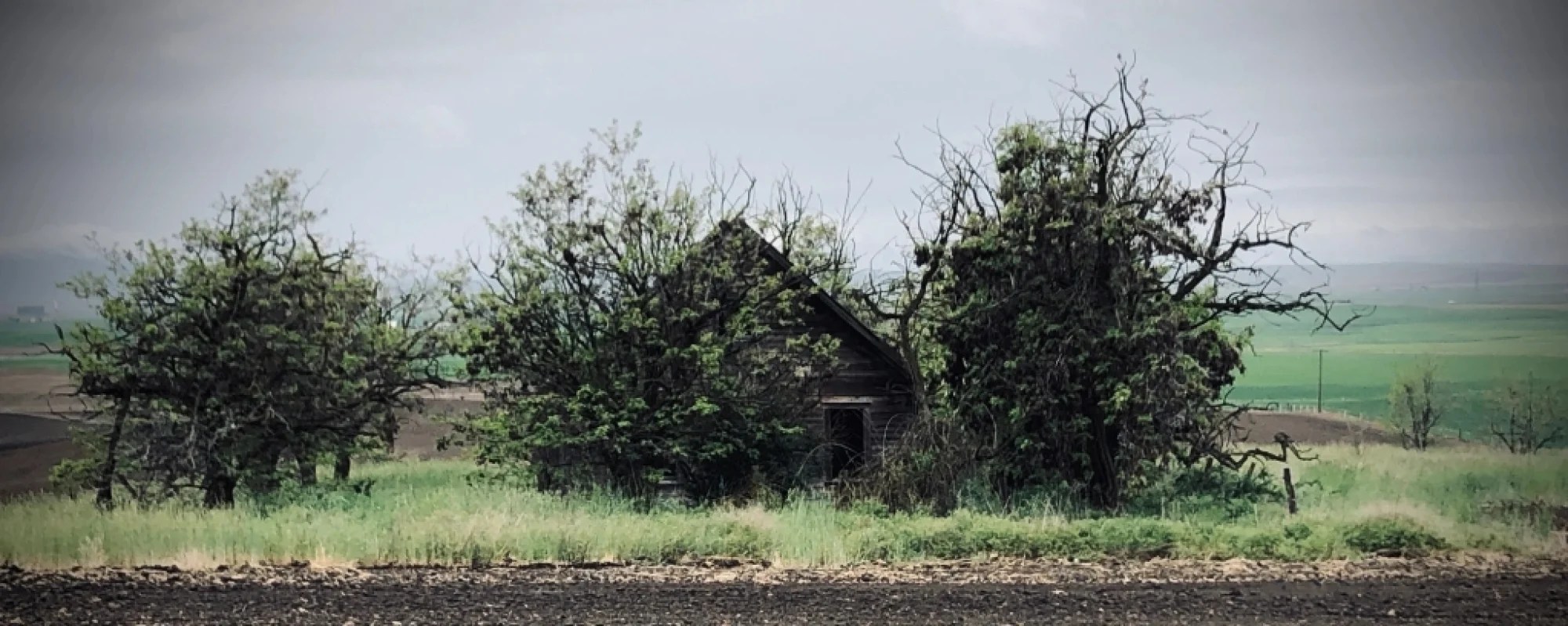
The Ruins

Introduction
Imagine being trapped in a paradise that turns into a waking nightmare; this is the premise of “The Ruins,” a chilling adaptation of Scott Smith’s best-selling novel. Directed by Carter Smith, this film plunges us into the heart of the Mexican jungle, where a group of friends on vacation stumble upon an ancient Mayan temple. What begins as a casual adventure quickly descends into terror as they discover that something malevolent lurks within the ruins. The movie masterfully combines lovecraftian horror with psychological dread, crafting an atmosphere that is as claustrophobic as it is terrifying. As the vines tighten and the body count rises, “The Ruins” ensures that viewers will never look at an innocent hiking trip the same way again.
Horror Elements
“The Ruins” distinguishes itself within the horror genre with its unique and menacing antagonist: the sentient, carnivorous vines that inhabit the ancient Mayan temple. These vines are not just passive plants but active predators, exhibiting a terrifying level of malevolence. Unlike typical horror villains, these vines possess a cunning intelligence. They can mimic human voices and sounds, creating confusion and manipulating the group into making fatal mistakes. This psychological manipulation deepens the horror, as the characters cannot trust their own senses.
The vines are a dual threat, attacking not only the mind, but also the body. They infiltrate and consume the flesh, causing grotesque injuries and infections. The invasive nature of the vines, burrowing into the characters’ bodies and sprouting from within, creates a visceral body horror. The infection and its manifestations are horrifying, tapping into primal fears of bodily invasion and corruption. As if all this weren’t bad enough, the vines are omnipresent, covering the temple and surrounding areas, making any escape attempt seem futile. Their pervasive presence creates a claustrophobic atmosphere, trapping the characters in a nightmarish landscape where every move they make is watched and countered by the vines. When they do try to escape, the Mayan villagers surrounding the temple attack them mercilessly, even killing one within their group.
The characters in “The Ruins” respond to their dire situation in ways that feel genuine and relatable. Their initial excitement and curiosity turn into panic and desperation as they realize the severity of their predicament. The group’s dynamics—friction, fear, and varying degrees of hope and despair—reflect how real people might behave under extreme stress. In particular, the psychological breakdowns and paranoia experienced by the characters are portrayed in a manner that aligns with real human behavior under extreme duress. Their mental and emotional unraveling adds depth to the horror, making their fear and desperation palpable. In addition to this, the characters’ attempts to survive (such as rationing supplies, creating makeshift medical solutions, and strategizing for escape) are based on practical and logical responses to their situation. This adherence to realistic problem-solving techniques enhances the believability of their struggle.
The film’s sound design plays a pivotal role in building tension, with the eerie ambient sounds of the jungle—rustling leaves, distant animal calls, and the hum of insects—creating an immersive backdrop that constantly reminds viewers of the characters’ isolation and lurking dangers. Strategic use of silence heightens suspense, making the sudden disruptions by the vines more jarring. The vines themselves are brought to life with unsettling audio cues like slithering noises and creaking tendrils, establishing their menacing presence even when off-screen. Distorted, echoing voices mimic human sounds, deepening psychological horror and creating confusion. Sudden loud noises and musical stingers provide effective jump scares, while Graeme Revell’s haunting score underscores the film’s emotional beats, from growing dread to frantic desperation.
Movie Elements
With the movie being so different from the book, it was hard to judge this fairly at times (I thought the book was way better), but despite this I felt as though the director did an excellent job with a few things, the first being cinematography. The film often uses natural lighting to create a realistic and immersive environment. Bright, oppressive sunlight during the day contrasts sharply with the deep, inky darkness of the night, emphasizing the characters’ vulnerability and isolation. The cinematography frequently employs tight, claustrophobic shots that mirror the characters’ entrapment. Close-ups of anxious faces and confined spaces within the ruins intensify the feeling of suffocation and panic, drawing viewers into the characters’ nightmarish experience.
The second strength of the film lies in the compelling performances of its cast. Jonathan Tucker as Jeff, Jena Malone as Amy, Shawn Ashmore as Eric, Laura Ramsey as Stacy, and Joe Anderson as Mathias deliver nuanced portrayals that ground the film’s supernatural horrors in believable human emotion. Tucker’s performance as the determined and pragmatic Jeff anchors the group’s efforts to survive, while Malone’s portrayal of Amy captures a blend of vulnerability and resilience. Ashmore and Ramsey skillfully depict a couple unraveling under stress, with Ramsey’s portrayal of Stacy particularly standing out as she descends into paranoia and desperation. Anderson’s role as Mathias adds an element of cultural depth and urgency. Together, their interactions convey a palpable sense of camaraderie and tension, making their plight feel immediate and personal. Their realistic reactions to the escalating terror, from initial disbelief to ultimate despair, enhance the film’s emotional impact and elevate the horror experience.
Finally, I felt as though the pacing was exactly what this type of horror movie should be. It balances this to maintain suspense and steadily build tension throughout the film. From the outset, the movie swiftly immerses viewers in its unsettling atmosphere, quickly transitioning from the idyllic vacation scenes to the eerie discovery of the ancient temple. This rapid escalation sets the tone for the relentless dread that follows. As the characters become trapped, the pacing shifts to a more deliberate rhythm, allowing the horror to unfold gradually and methodically. Each moment of calm is punctuated by bursts of intense action or shocking revelations, keeping the audience on edge. The film’s pacing effectively mirrors the characters’ deteriorating mental and physical states, with moments of frantic activity followed by periods of ominous stillness, heightening the sense of claustrophobia and impending doom. This careful modulation of tempo ensures that the tension never wanes, leading to a climactic conclusion that feels both inevitable and satisfyingly harrowing.
Conclusion
As I mentioned earlier, I preferred the book much more than the movie. I believe most of the issues I had with the movie were based on time-constraints for a film, but I’ll point them out regardless. The character development is thin, leaving viewers with little emotional investment in the fates of the protagonists. This lack of depth makes it difficult to care about their survival, reducing the tension and emotional weight of the story. Additionally, while the sentient vines are a unique antagonist, their portrayal sometimes borders on the absurd, undermining the intended horror with moments that feel unintentionally comical. The film’s reliance on graphic gore and body horror, while effective at times, can come across as gratuitous and overshadow the psychological terror that could have made the story more compelling. Again, I think the book did an excellent job in all of these areas, it was just tough to fulfill this within a movie.
Despite my grumblings, I really did think this was a decent film. “The Ruins” stands out as a harrowing exploration of survival and the horrors lurking in nature’s depths. With its realistic portrayal of human fear and desperation, combined with the unique and terrifying antagonist of the sentient vines, the film delivers a relentless and visceral experience. The movie’s ability to maintain a tense atmosphere, coupled with strong performances and practical effects, ensures that it leaves a lasting impact on its audience. As the credits roll, viewers are left with a chilling reminder of the ancient and primal forces that can turn paradise into a nightmare. For fans of intense, Lovecraftian-driven horror, “The Ruins” is an unforgettable descent into terror.
Final Scare Me Please Score: Poison oak of doom, out of 100
Have you watched this movie? What did you think? Would you have done anything different to try and escape the ruins? Drop a comment below to let us know!
 Scare Me Please